

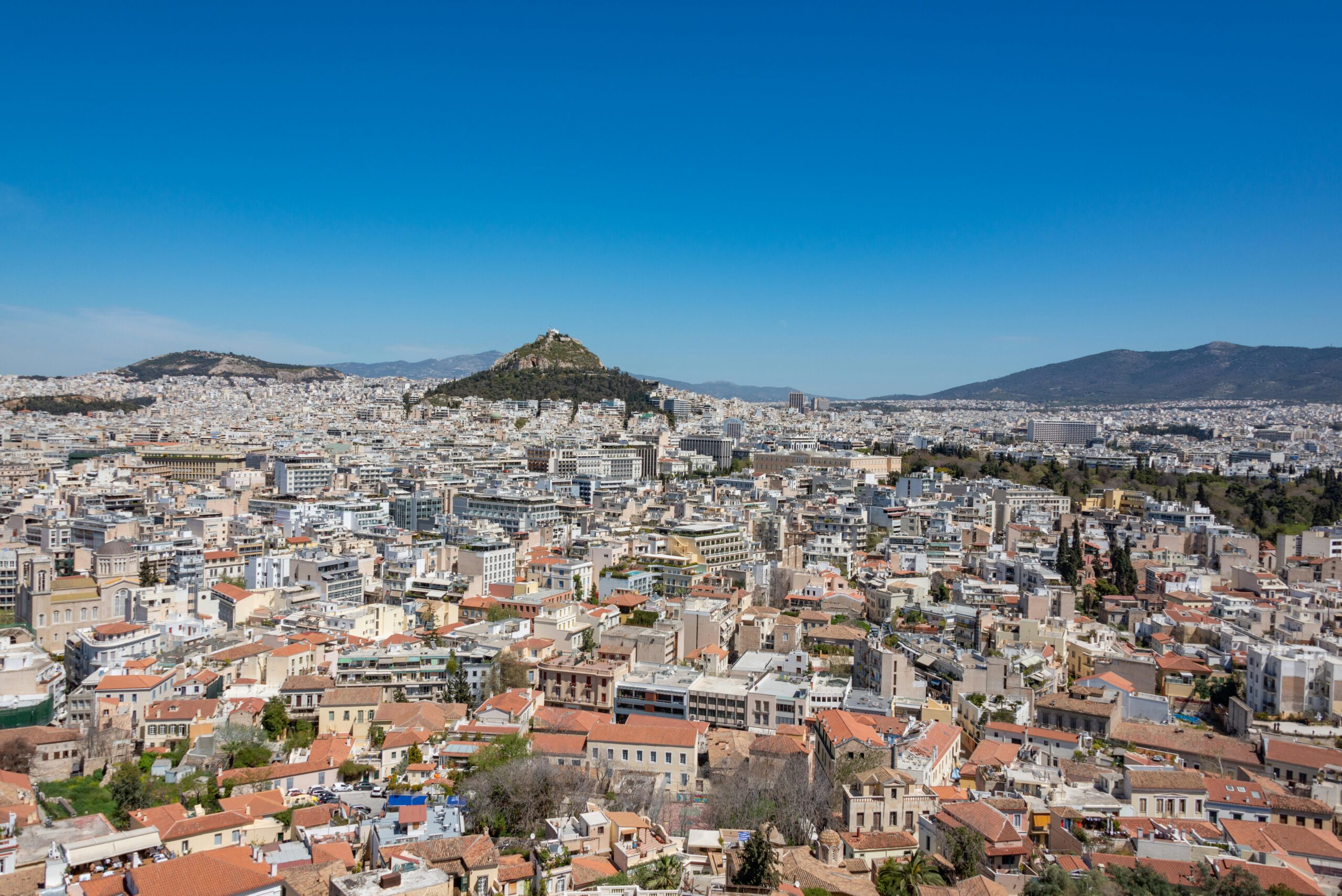
Athens and Thessaloniki are Greece’s primary urban centers, each offering distinct experiences shaped by history, geography, and pace of life. Understanding their practical differences in transport, culture, and atmosphere can clarify which city aligns with your travel priorities.
This comparison provides essential insights into logistics, neighborhoods, and daily rhythms to help you decide where to focus your visit.
Comparing logistics and atmosphere between Athens and Thessaloniki
Transport and Accessibility: Navigating Two Urban Hubs
Athens benefits from a more extensive public transport system, including three metro lines connecting key neighborhoods like Plaka, Monastiraki, and Kolonaki, as well as the international airport located about 35 minutes from the city center. Thessaloniki’s public transport is more limited, primarily relying on buses with fewer routes, but the city center remains compact enough for walking or short taxi rides. Flights between Athens and Thessaloniki take approximately 50 minutes, while bus or car travel ranges from 5 to 6 hours, making air travel the preferred option for time efficiency.
The logistics in Athens favor travelers who prioritize seamless airport transfers and intra-city mobility, whereas Thessaloniki’s smaller scale can reduce transit time within the city itself.
Atmosphere and Social Rhythm: Urban Vibe Differences
Athens operates at a faster pace, with a broader international crowd and a more intense social energy, especially in areas like Psiri and Gazi, which buzz well into the night. Thessaloniki offers a more relaxed rhythm with a vibrant but less hectic nightlife concentrated around Ladadika and the waterfront. The emotional atmosphere in Athens leans towards dynamic urban hustle, while Thessaloniki provides a more approachable, communal feel that many find easier to navigate socially.
Human Anchor: Hard Truths and Direction
One hard truth is that Athens’ size and complexity can overwhelm first-time visitors expecting a compact city experience. A common underestimate is how much time walking between key sites in Athens can consume due to its sprawling layout. The clear recommendation is to allocate your Athens days to focused neighborhoods rather than attempting to cover the entire city daily. Thessaloniki’s compactness allows for a more spontaneous visit but comes with fewer options for large-scale cultural venues.
Cultural Experiences: Museums, History, and Local Life
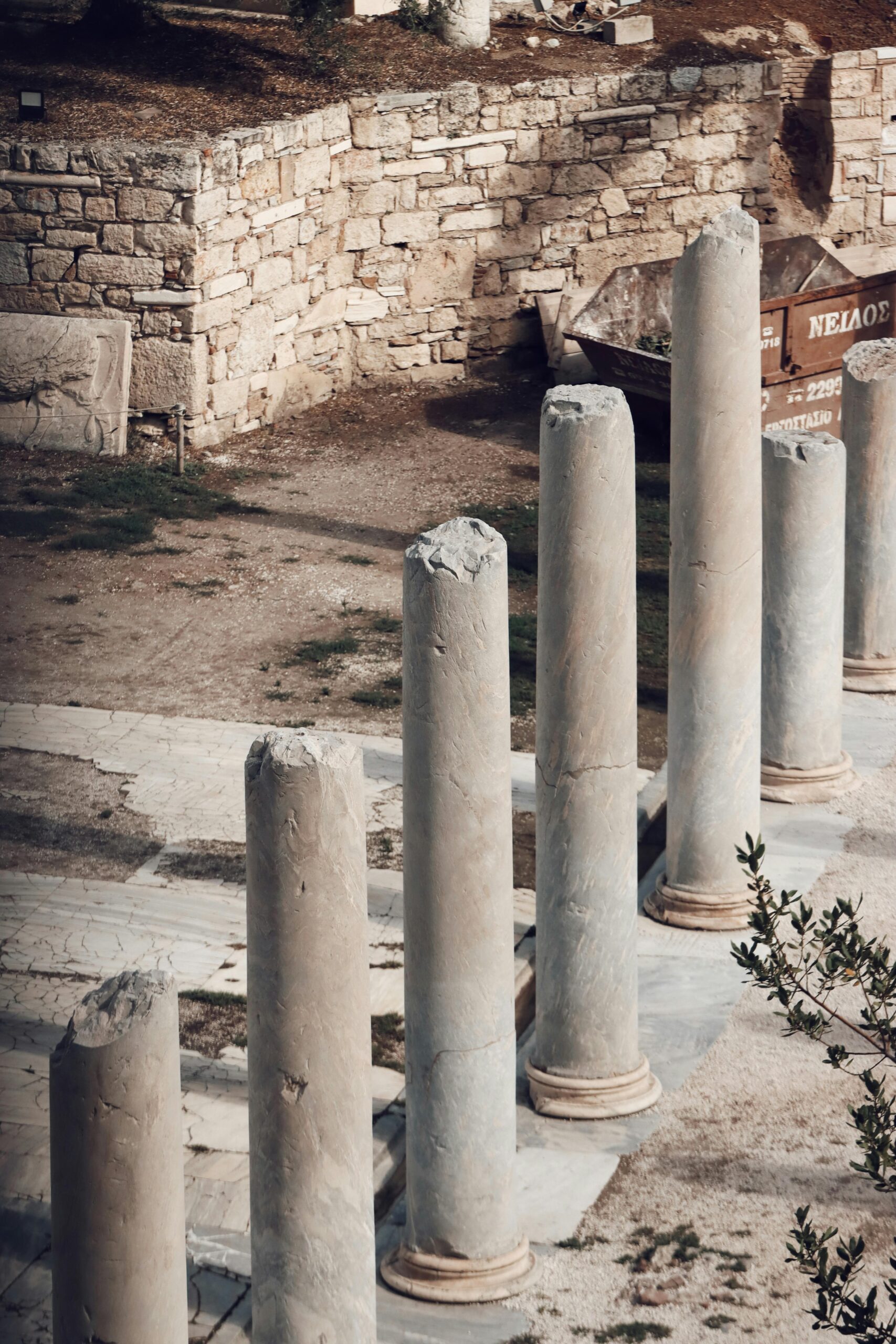
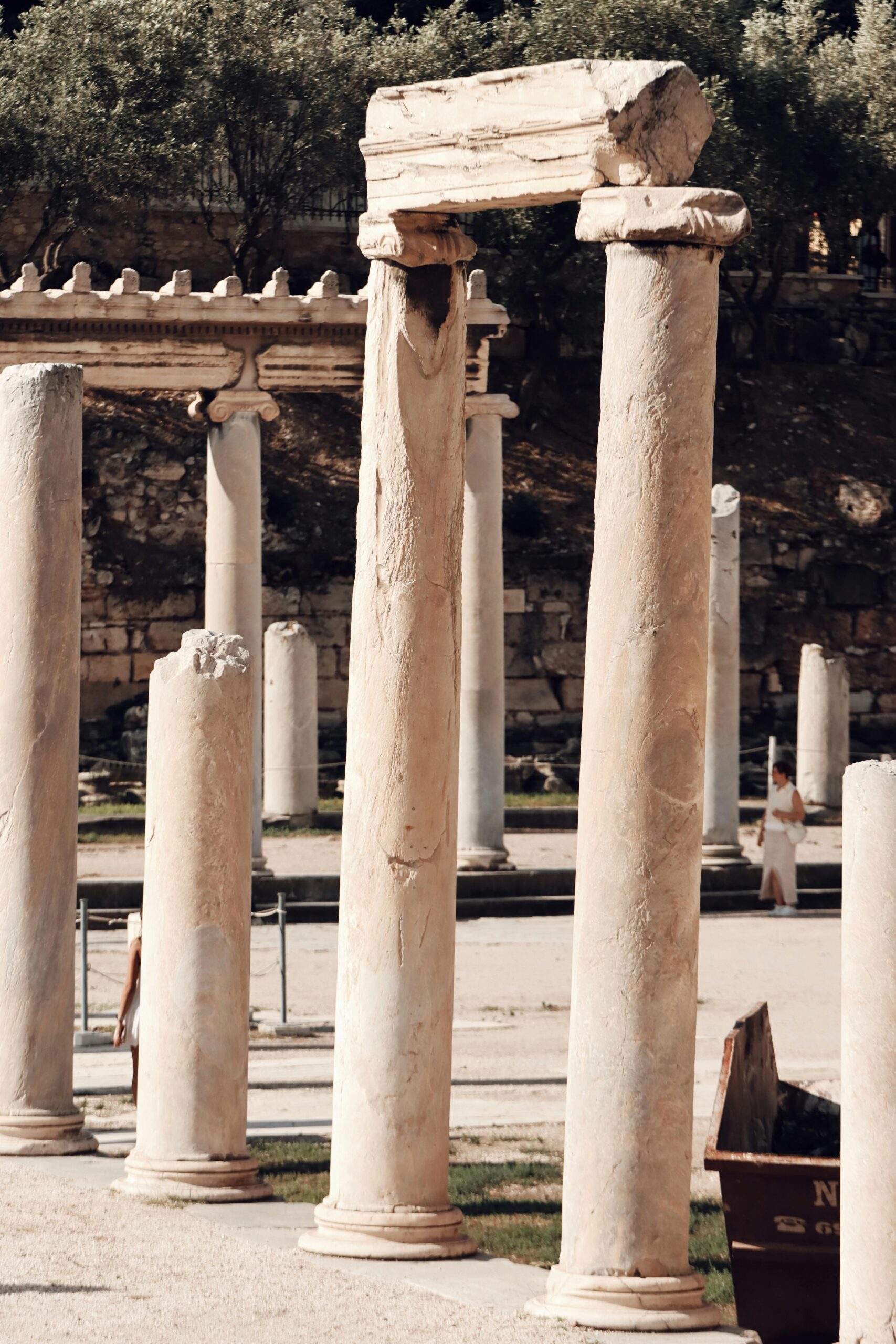
Athens houses Greece’s most renowned historical sites, including the Acropolis and the
Acropolis Museum. Neighborhoods like Plaka and Thissio offer direct access to ancient ruins alongside cafes and shops. Thessaloniki’s cultural offerings are concentrated in the Byzantine walls area and the Archaeological Museum of Thessaloniki, reflecting the city’s rich Roman and Ottoman past. For official cultural programming and events, the Ministry of Culture provides updated schedules in both cities.
Cost Positioning and What Drives Expenses
Athens generally falls into the $$ tier for visitors, with costs driven by popular tourist districts and international dining options. Thessaloniki tends toward $ to $$, with more affordable local eateries and accommodation, especially outside the city center. Both cities have premium segments, but Thessaloniki’s smaller scale limits luxury options compared to Athens. Transportation convenience and proximity to major sites in Athens also elevate costs.
Neighborhoods and Local Highlights
In Athens, consider staying in Syntagma for central access, Kolonaki for upscale shopping and dining, or Koukaki for a quieter local feel near major landmarks. Thessaloniki’s Aristotelous Square and Ladadika district provide lively social hubs, while the Ano Poli (Upper Town) offers a glimpse into traditional architecture and panoramic views. Each city’s neighborhoods shape the visitor experience and should align with your planned activities.
Trip Length Rule: Planning Your Stay
For Athens, a minimum of three full days is advisable to cover the major historical sites, museum visits, and neighborhood exploration without rushing. Thessaloniki can be experienced in two days if focused on cultural and social highlights, leaving room for nearby day trips like Halkidiki. Longer stays in Athens allow for exploring surrounding areas such as Cape Sounion or Delphi, while Thessaloniki’s shorter recommended stay reflects its more concentrated urban offer.
Timing Rule: Best Times of Day for Exploring
In Athens, mornings are best reserved for outdoor historic sites like the Acropolis to avoid crowds and midday heat; late afternoons suit museums and dining in cooler, shaded neighborhoods. Thessaloniki’s milder urban scale makes late mornings effective for sightseeing, with evenings ideal for waterfront walks and socializing in local tavernas.
What Travelers Underestimate
- The time needed to move between Athens’ dispersed sites, which can add hours even within central areas.
- The impact of seasonal weather differences—Athens tends to be hotter and drier, affecting outdoor plans.
- The social energy shift in Thessaloniki after sunset, where the city’s communal nightlife becomes more apparent.
Conclusion
Choosing between Athens and Thessaloniki hinges on your priorities: Athens suits those seeking extensive historical immersion and comprehensive transport with a fast urban tempo, while Thessaloniki offers a more manageable city size, approachable culture, and lower costs. First-time visitors looking for iconic ancient landmarks and a wide range of experiences should lean toward Athens. Travelers favoring a relaxed pace and social atmosphere may find Thessaloniki better aligned. Both cities demand realistic planning around transport and timing to maximize their distinct offerings.
Athens: history enthusiasts, first-timers, cultural tourists, urban explorers ($$-$$$)
Thessaloniki: budget travelers, food lovers, social explorers, short city breaks ($-$)
Frequently asked questions
What is the easiest way to travel between Athens and Thessaloniki?
The fastest and most practical method is a domestic flight, which takes about 50 minutes. Bus or car travel can take 5-6 hours, making flights preferable for saving time.
Which city is better for first-time visitors to Greece?
Athens is generally better for first-timers due to its concentration of iconic historical sites and more developed tourist infrastructure.
Are public transport options in Thessaloniki sufficient for tourists?
Thessaloniki’s public transport is limited to buses with fewer routes, but the compact city center is walkable and taxis are affordable, so transport remains manageable.
How do costs compare between Athens and Thessaloniki?
Athens tends to be in the $$ to $$$ range driven by tourist hotspots and upscale dining, while Thessaloniki is generally more affordable ($ to $$), especially for local food and accommodation.
What neighborhoods are recommended for visitors in both cities?
In Athens, Syntagma, Kolonaki, and Koukaki are low-risk and centrally located. In Thessaloniki, Aristotelous Square, Ladadika, and Ano Poli provide safe, accessible bases for exploration.
When is the best time of day to visit outdoor sites in Athens?
Morning hours are best for outdoor sites like the Acropolis to avoid crowds and heat, with late afternoons suited for museums and dining.
Can I visit major cultural museums in both cities easily?
Yes, Athens hosts the Acropolis Museum and numerous others, while Thessaloniki’s Archaeological Museum and Byzantine sites offer rich cultural experiences, though on a smaller scale.