

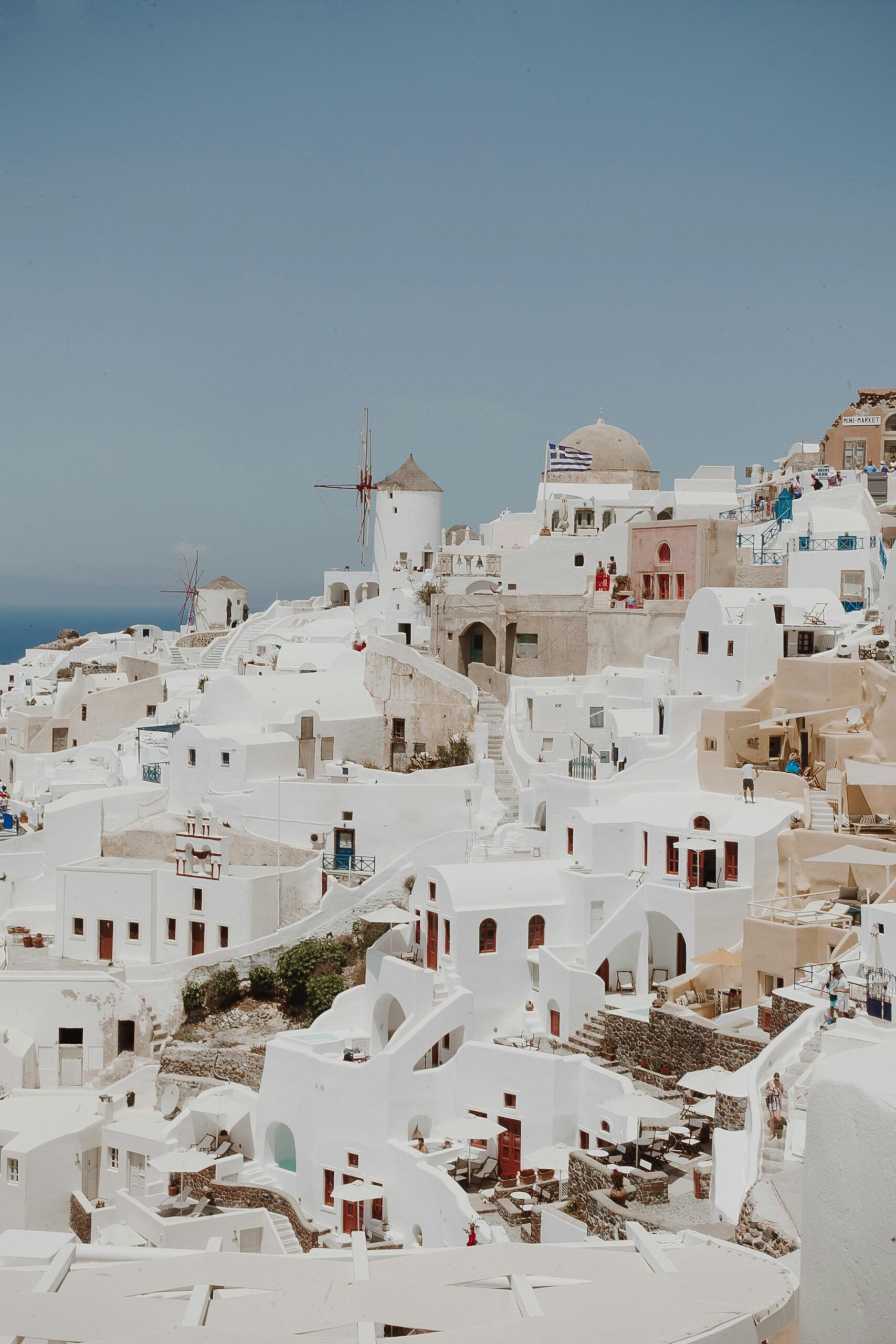
Santorini vs Mykonos: Why the Island Vibe Debate Misses the Point is a question I’ve heard countless times from travelers trying to choose between these iconic Cyclades islands. The truth is, focusing only on the so-called “vibe” overlooks how each island’s tempo, geography, and infrastructure shape your entire trip. Understanding these factors will save frustration and elevate your experience.
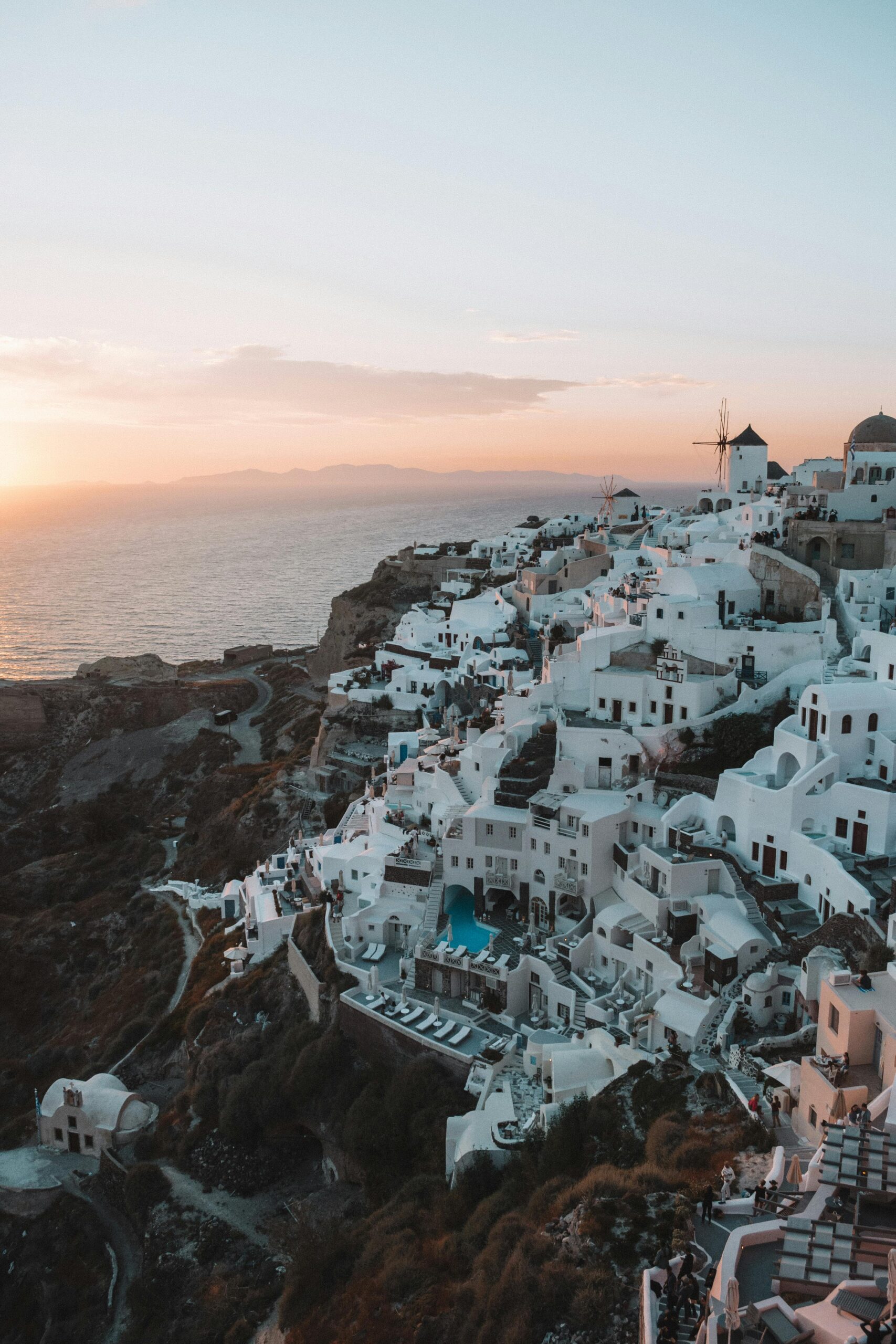
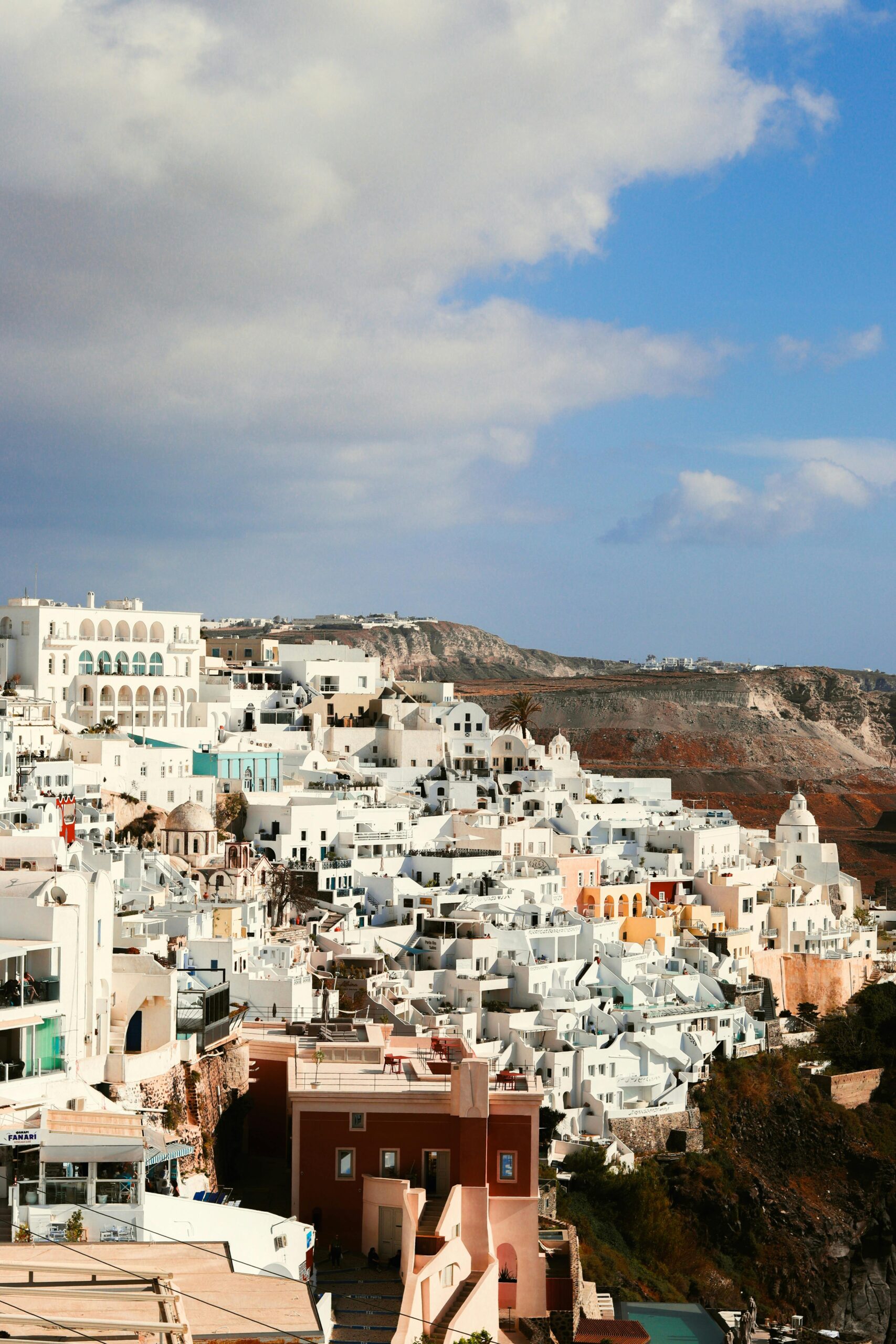
Santorini vs Mykonos: Why the Island Vibe Debate Misses the Point
The Emotional Reality: What It Feels Like Beyond the Photos
Both islands are visually distinct but equally demanding emotionally. Santorini often feels like a place where time slows down to highlight the landscape’s drama—sunsets in Oia, the whitewashed cliffs of Fira, and the volcanic caldera view are emotionally intense but can also feel staged and crowded. Mykonos, especially around Little Venice and the Old Port, pulses with a relentless energy that can exhilarate or exhaust depending on your stamina and mood. Many underestimate how emotionally draining these environments can be when overpacked with tourists.
Santorini vs Mykonos: Why the Island Vibe Debate Misses the Point in Logistics and Planning
The island vibe debate trivializes what is, in reality, a question of logistics and traveler mindset. Santorini demands a more deliberate pace because of its rugged terrain—roads are narrow, and distances between spots like Pyrgos and Akrotiri mean travel time adds up. Mykonos’s flatter geography and denser nightlife clusters around areas such as Platys Gialos and Psarou make it easier to hop between experiences but require endurance to keep up with the party rhythm. Overlooking these practicalities leads to either wasted time or missed moments.
Common Misconceptions Travelers Make About Each Island
One mistake is assuming Santorini is just about romantic sunsets and Mykonos only about nightlife. Santorini’s volcanic beaches like Kamari and Perissa offer surprisingly authentic, less crowded spots outside peak times, while Mykonos has pockets like Ano Mera village that reveal a quieter, traditional side rarely seen by the average visitor. Another error is underestimating the shoulder seasons—April-May and late September-October offer a completely different emotional texture and manageable crowds, yet most travelers book summer months expecting the same experience.
Trade-Offs: What You Gain and What You Give Up
Choosing Santorini means embracing breathtaking views and a slower, more contemplative rhythm but sacrificing ease of movement and nightlife variety. Mykonos offers a vibrant social scene and convenient geography but at the cost of serenity and a more homogenized cultural experience. Neither island is a catch-all; you gain intensity in different ways and must accept corresponding compromises.
Notable Areas That Define Each Island’s Character
In Santorini, Fira is the bustling hub with shops and nightlife, Oia is famed for its sunset crowds and photogenic alleys, while Pyrgos offers a more relaxed village atmosphere. Akrotiri’s archaeological site adds depth beyond beaches and parties. In Mykonos, Little Venice and the Old Port are central to the island’s energy, Platys Gialos and Psarou are beach and party hotspots, and Ano Mera stands out as a glimpse into local life away from the frenzy.
Who This Suits: Matching Islands to Traveler Types
Santorini suits travelers who value dramatic landscapes, cultural depth, and can tolerate or strategically avoid peak crowds. It’s not ideal for those expecting seamless transportation or nonstop nightlife. Mykonos fits younger travelers or social butterflies who thrive in a fast-paced, party-driven environment and don’t mind sacrificing quiet moments. Families or those seeking low-key traditional experiences find it more challenging to settle here without careful planning.
Season and Duration: When and How Long to Visit
Both islands peak in July and August, often to the detriment of comfort and authenticity. Visiting in late spring or early fall offers cooler temperatures, fewer tourists, and a more genuine sense of place. A minimum of three full days is needed to appreciate either island beyond surface impressions, but four to five days allow breathing room to absorb the rhythm rather than just skim highlights.
Conclusion: Why Expert Planning Transforms Your Experience
Greece rewards travelers who arrive with a plan built around how they actually travel — not a generic template. The difference between a frustrating trip and a remarkable one often comes down to sequence, timing, and knowing which trade-offs matter for your situation. Santorini and Mykonos are best enjoyed when logistics, emotional pace, and local realities inform your choices. For those unwilling to gamble on guesswork, expert planning isn’t a luxury; it’s the foundation of a trip that feels effortless and true to your expectations.
For a broader understanding of Greece’s cultural context beyond the islands, the
Ministry of Culture offers invaluable resources. Meanwhile, the official tourism site provides updates on seasonal considerations and authentic experiences worth seeking out.
Recommended experiences
Some experiences mentioned here are curated and managed by Elite Greece Travels.
- Island Bus Tour The Majestic Spots Of Santorini — Tour (managed by Elite Greece Travels).
- Santorini Winter Tours Discover The Peaceful Beauty And Hidden Highlights Of The Island — Tour (managed by Elite Greece Travels).
- Athens Milos Santorini Itinerary 9 Days — Itinerary (managed by Elite Greece Travels).
Frequently asked questions
Is Santorini better for families than Mykonos?
Santorini generally offers a more relaxed atmosphere with cultural sites that suit families better than Mykonos’s party-centric vibe, though neither island is tailored specifically for children without careful planning.
Can you experience authentic Greek culture on Mykonos or Santorini?
Both islands show authentic culture in specific areas—Ano Mera in Mykonos and Pyrgos in Santorini—but the main tourist centers tend to prioritize commercial experiences.
What is the best time of year to visit Santorini or Mykonos?
Late spring (April-May) and early fall (September-October) provide milder weather, fewer crowds, and a more genuine experience compared to the intense summer season.
Do both islands offer good nightlife?
Mykonos is known for an unparalleled nightlife scene, while Santorini offers more subdued evening options that mostly revolve around dining and bars rather than clubs.
How many days should I spend on each island?
A minimum of three full days is recommended to appreciate the core experiences, but four to five days allows for a more relaxed pace and discovery beyond tourist hotspots.
Are Santorini and Mykonos accessible for travelers with limited mobility?
Santorini’s steep terrain and narrow streets can be challenging, while Mykonos’s flatter layout is somewhat easier, yet both islands require planning for accessibility needs.
Is it possible to visit both islands in one trip?
Visiting both is feasible but demands careful timing and realistic expectations about travel time and how much you want to absorb rather than just see.