

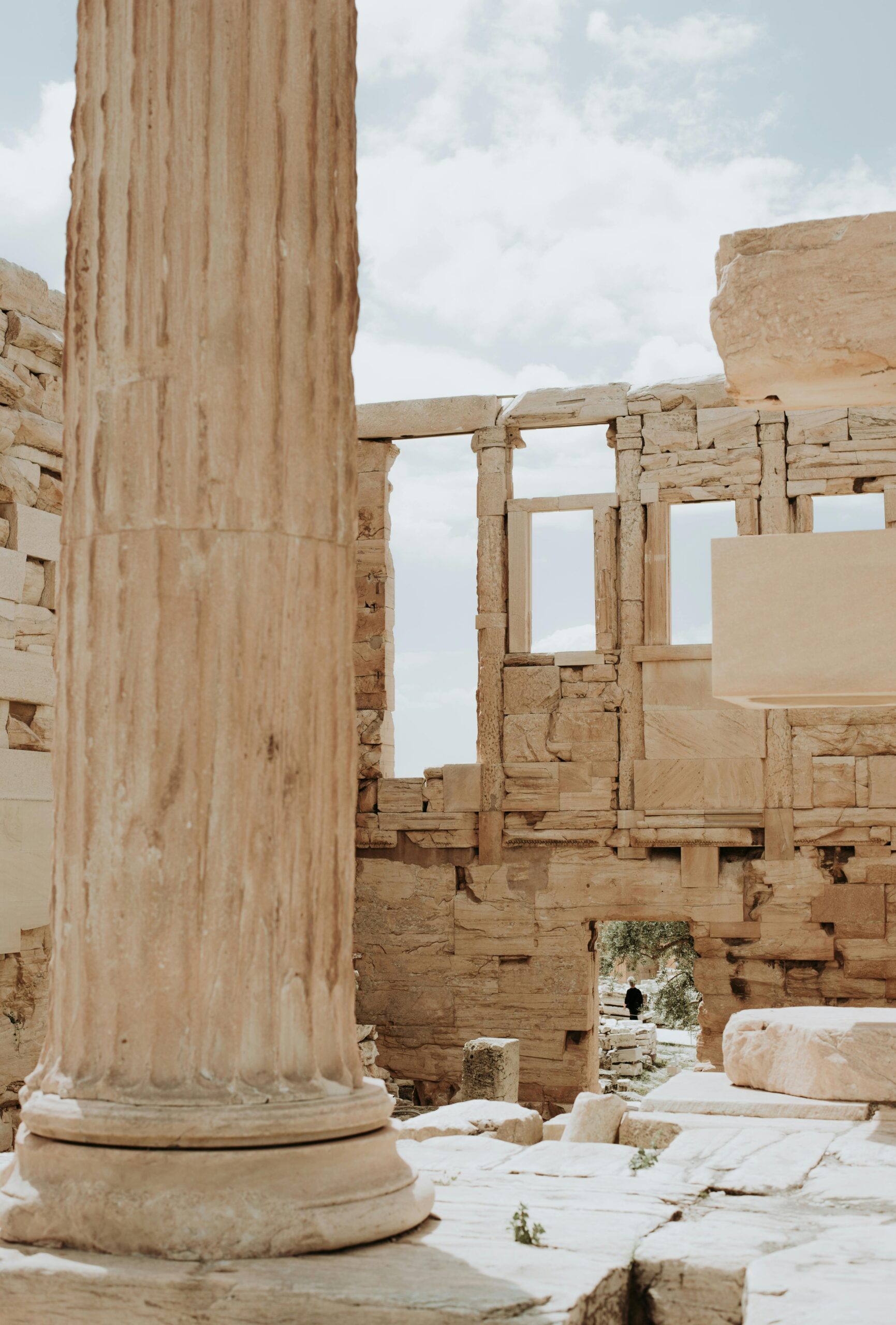
Why Planning a Peloponnese Trip Without an Expert Risks Missing Its Complex Layers is something travelers underestimate every season. The Peloponnese is not a simple destination; it demands more than surface-level exploration to reveal its true depth.
Many attempt to cover ground quickly, unaware of how geography, history, and local culture weave into a challenging but rewarding travel puzzle.
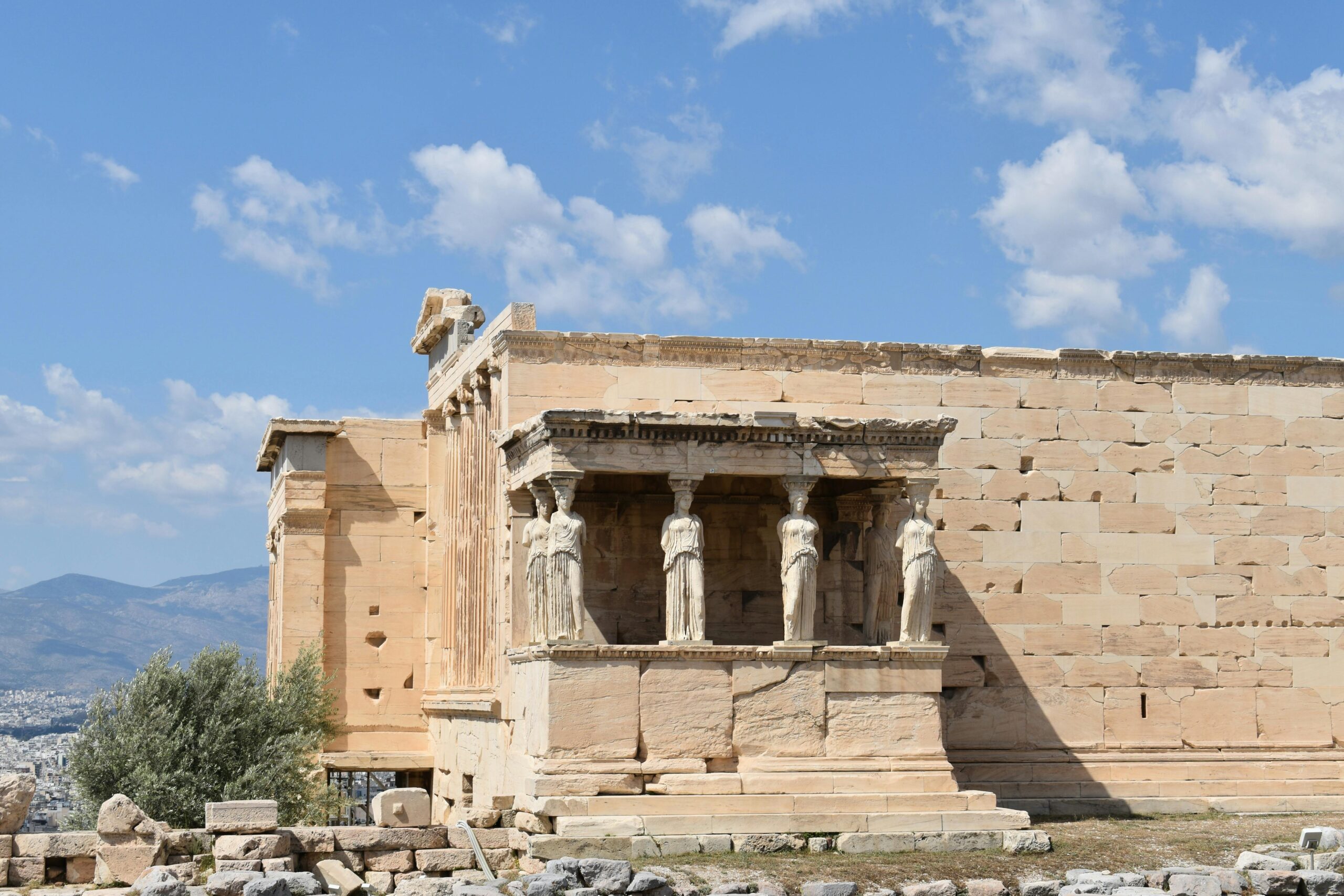

Why Planning a Peloponnese Trip Without an Expert Risks Missing Its Complex Layers
The Unseen Complexity Behind the Peloponnese’s Geography
The Peloponnese is a vast peninsula with sharply contrasting landscapes that don’t just require time but nuanced understanding to appreciate. From the rugged Taygetos Mountains to sprawling olive groves near Kalamata, the terrain dictates not only travel logistics but the pace and mood of your experience. Travelers often misjudge distances here, expecting quick trips between spots like Nafplio and Mystras; this impatience turns what should be immersive into a rushed checklist.
Why Planning a Peloponnese Trip Without an Expert Risks Missing Its Complex Layers in History
This region’s history isn’t linear—it’s layered like an archaeological site, rich with Mycenaean palaces, Byzantine fortresses, and Ottoman remnants. Walking through ancient Corinth or Epidaurus without an informed perspective reduces these sites to mere photo stops. An expert’s insight reveals how each era’s imprint shapes the local identity today, connecting you emotionally to places like Monemvasia’s medieval walls or the battlefield of Thermopylae beyond textbook summaries.
Common Missteps: What Travelers Consistently Get Wrong
One persistent error is underestimating the time needed to experience the Peloponnese’s diverse offerings. Another is ignoring seasonal nuances; for example, late spring and early autumn provide mild weather and fewer crowds, unlike the scorching summer months that many assume are ideal. These misjudgments lead to either exhaustion or disappointment. The emotional toll of feeling you’ve missed the essence is real and common among self-planned visitors.
The Emotional Reality: What the Peloponnese Actually Feels Like
The Peloponnese is a place of contrasts—tranquil olive groves bordering ancient battlegrounds, sleepy villages with lively tavernas, harsh mountain winds alongside serene coastal breezes. It isn’t about constant excitement but a slow unfolding of moments that feel deeply grounded. Places like the Mani Peninsula evoke a sense of rugged resilience, while the vineyards of Nemea offer quiet reflection. This emotional texture is something guidebooks and generic plans rarely capture.
Trade-Offs: What You Gain and What You Give Up
Choosing to focus on historical sites like Mycenae or Epidaurus means sacrificing time in natural retreats such as Voidokilia Beach. Opting for coastal towns like Pylos provides relaxation but at the cost of missing inland mountain villages where traditions run deeper. Understanding these trade-offs is essential; each choice shapes your Peloponnese experience profoundly. You gain authenticity but lose breadth, or vice versa. These decisions become more manageable with expert advice that aligns your priorities with local realities.
Who This Suits: Matching Travelers to the Peloponnese’s Complexity
The Peloponnese is ideal for travelers who appreciate layered history, variable landscapes, and are comfortable with a slower, more reflective pace. It suits cultural aficionados, history buffs, and those seeking a blend of nature and civilization. It is less suited to travelers demanding nonstop activity, instant gratification, or those expecting straightforward logistics. For these visitors, the Peloponnese’s complexity may feel like an obstacle rather than an invitation.
Context Beyond the Common: Adding Depth to Your Visit
Visitors rarely realize the importance of local cultural calendars and how festivals or agricultural cycles shape village life. For example, timing a visit to coincide with the olive harvest near Kalamata or the religious festivals in Monemvasia unlocks a layer of authenticity absent from the usual sightseeing. The Ministry of Culture’s website (
culture.gov.gr) offers valuable insights for those who want to dig deeper. Similarly, the official tourism portal (visitgreece.gr) provides updates on seasonal events that can make or break your experience.
Conclusion
The Peloponnese rewards travelers who arrive with a plan built around how they actually travel—not a generic template. The difference between a frustrating trip and a remarkable one often comes down to sequence, timing, and knowing which trade-offs matter for your situation. Without expert planning, many miss the intricate layers that make this region unique, ending up with a surface-level experience that feels incomplete. A well-crafted plan that respects the Peloponnese’s complexity is the key to unlocking its full potential.
Frequently asked questions
What is the best time of year to visit the Peloponnese?
Late spring (May to early June) and early autumn (September to October) offer mild weather and fewer crowds, providing the most comfortable conditions to explore the region’s varied landscapes and historical sites.
Which areas in the Peloponnese are essential to visit for history lovers?
Key historical areas include Mycenae, Epidaurus, ancient Corinth, Monemvasia, and the battlefield of Thermopylae, each revealing different eras of the peninsula’s rich past.
Why is expert planning recommended for a Peloponnese trip?
Expert planning accounts for the region’s complex geography, layered history, seasonal variations, and local cultural rhythms, ensuring you avoid common pitfalls and experience the destination’s full depth.
Is the Peloponnese suitable for travelers seeking a fast-paced holiday?
No. The Peloponnese is best suited for travelers who appreciate slow, immersive experiences rather than nonstop activity. The region’s richness requires time and reflection.
Can I rely on guidebooks alone to understand the Peloponnese?
Guidebooks often simplify or overlook the region’s complexities. Without local insight or expert guidance, many travelers miss crucial cultural and historical nuances.
What emotional experience should I expect from visiting the Peloponnese?
Expect a mix of rugged resilience, quiet reflection, and a deep connection to history and nature—not constant excitement but moments that linger long after you leave.
Are there local events that significantly enhance a visit to the Peloponnese?
Yes, aligning your visit with events like the olive harvest near Kalamata or religious festivals in Monemvasia reveals authentic cultural layers often missed by casual tourists.