

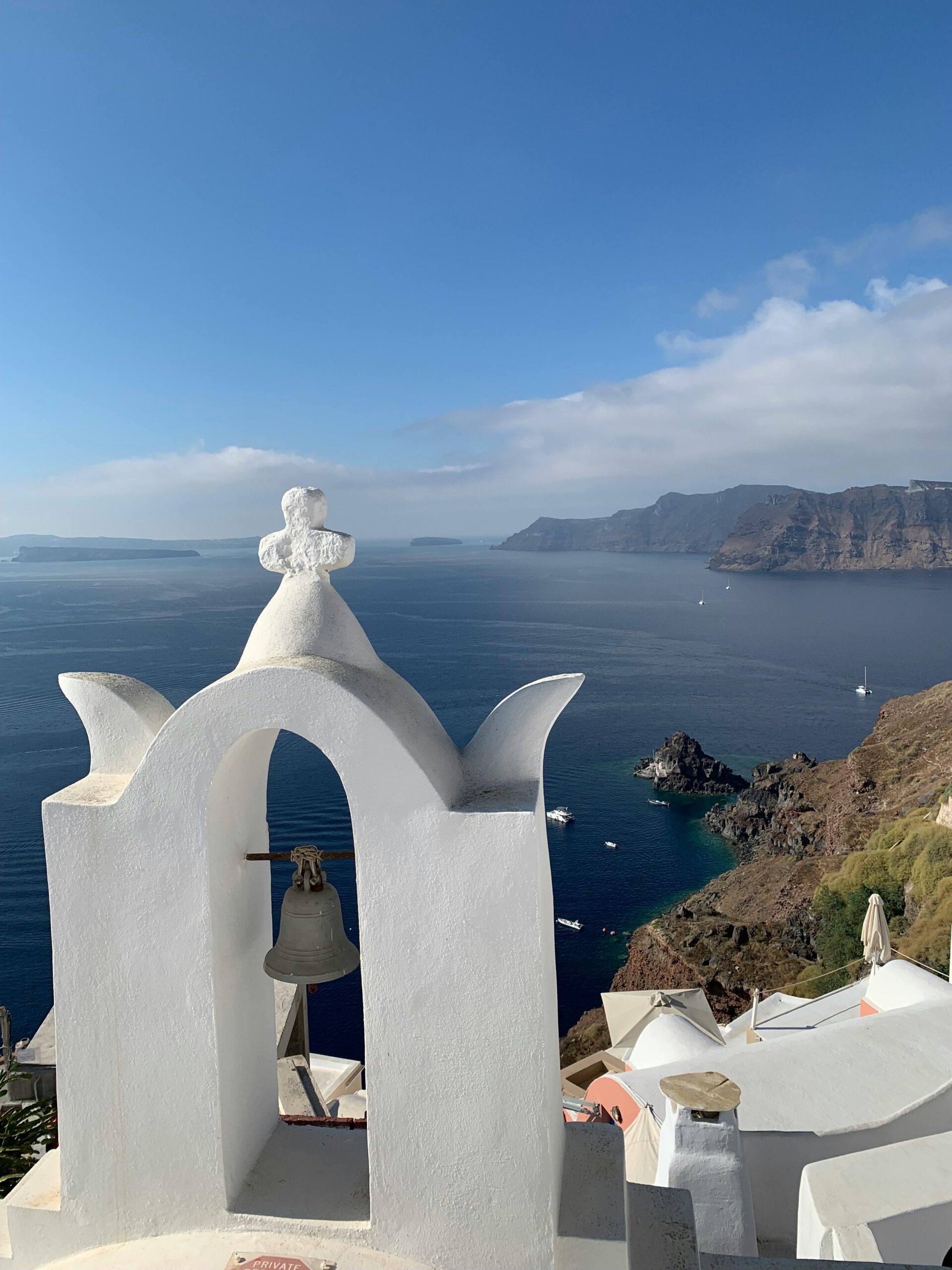
Why Early Spring Is the Only Season for Authentic Santorini is not just a marketing line—it’s a reality grounded in how the island transforms throughout the year. Visiting outside this window means sacrificing more than just peace and quiet; you miss the island’s real character before tourism overwhelms it.
Understanding the month-by-month shifts will clarify why ignoring early spring leads to a diluted Santorini experience, despite common advice to seek shoulder seasons for fewer crowds.
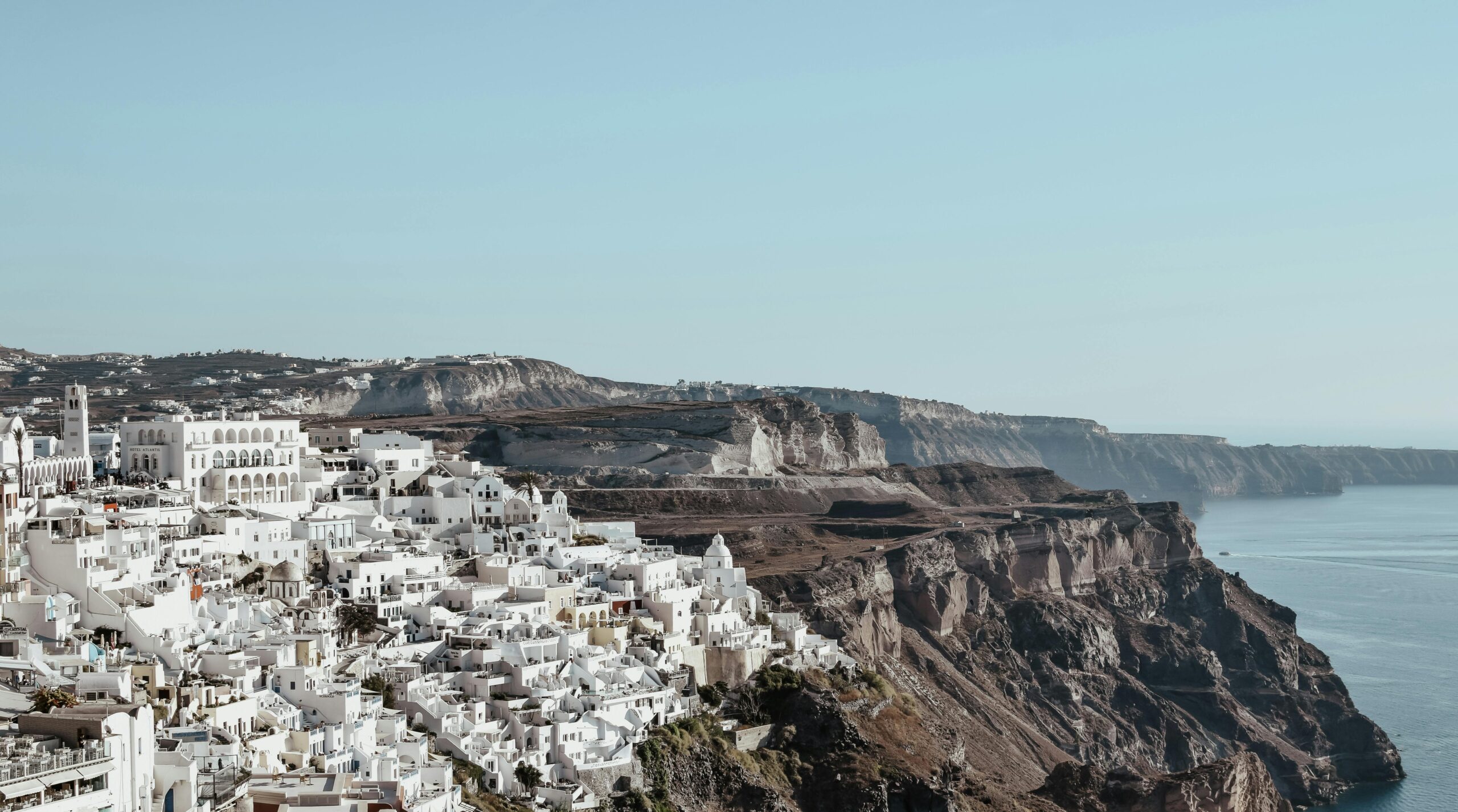
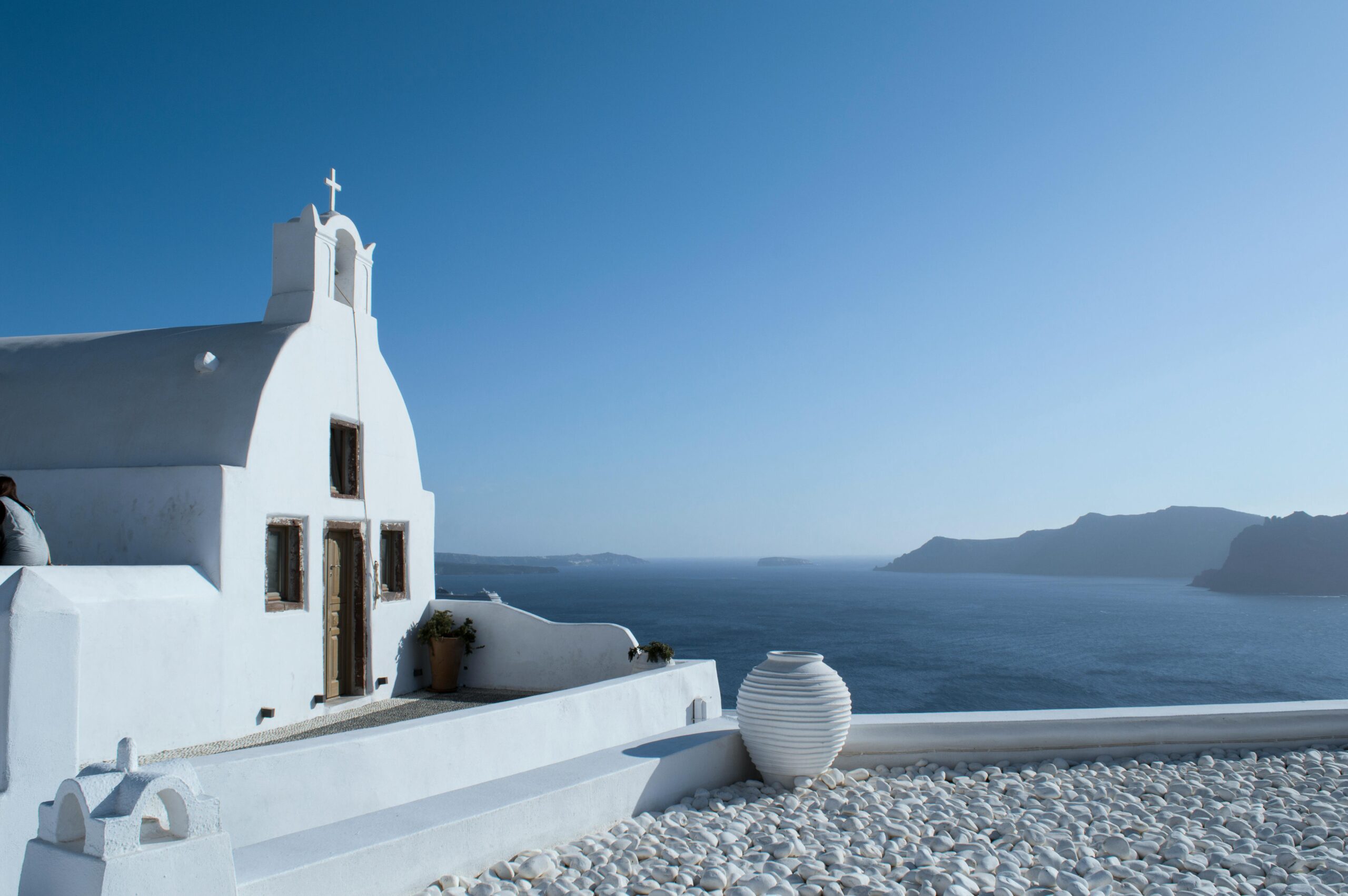
Why Early Spring Is the Only Season for Authentic Santorini
January to March: The Island’s Quiet Reset
This period is often overlooked because it’s cold and some businesses close. But this winter lull is when Santorini sheds its tourist skin. The atmosphere is raw, local life dominates, and the island’s volcanic landscape feels expansive rather than packed. Many hotels and restaurants shutter temporarily, which can frustrate visitors expecting full service. Monasteries and archaeological sites remain open but with reduced hours, so plan accordingly.
April to Early June: The Real Early Spring Window
This is when Santorini wakes up authentically. The island is green from winter rains, wildflowers bloom, and locals are back in business with genuine hospitality—not just seasonal staff. Ferry traffic is manageable; you won’t need to book six months in advance like in peak summer. The weather is mild, not yet hitting the intense heat that drains energy and crowds beaches. This period offers a balance of accessibility and authenticity few other months do.
Late June to August: The Overcrowded Peak Illusion
Most travelers aim for July and August, expecting perfect conditions. What they get is ferry congestion, booked-out hotels, and restaurants overwhelmed by tourists often repeating the same surface-level experience. The island loses its texture; narrow streets become bottlenecks and dining spots turn into assembly lines. Early spring visitors know that this is when Santorini stops feeling like a living place and starts feeling like a theme park.
September to October: The Fading Shoulder Season
September can still be pleasant but the crowds remain significant, especially early in the month. By October, many restaurants and hotels close for the season, limiting options. The weather cools, and the island’s energy drops again—but not to the authentic local rhythm of early spring. Instead, it’s more like a slow shutdown. Travelers who come here expecting the charm of early spring often find a semi-abandoned place.
November to December: The Off-Season Trade-Off
Visiting in late fall and early winter means few tourists, but also minimal services and unpredictable weather. This window is for those prioritizing solitude over experience. The island’s character is muted by the lack of open establishments and locals focusing on other work. If you want to see Santorini’s architecture and landscape without crowds and don’t mind limited amenities, this is your time.
Counterintuitive Insight: The Shoulder Season Myth
Many travel articles promote the shoulder season (May, September) as the best compromise. In Santorini’s case, this is misleading. May is already crowded with early summer tourists and ferry demand spikes sharply. September, while quieter than August, still carries the peak-season vibe with many venues operating at full tourist capacity. Early spring avoids these pitfalls entirely and delivers a fuller, more grounded experience.
Who Benefits Most from Each Window
Early spring suits travelers seeking genuine local interaction, manageable logistics, and a sense of place before commercial tourism dominates. Peak summer favors those who prioritize vibrant nightlife and guaranteed open venues but must accept crowd and booking headaches. Late fall is for solitude seekers willing to compromise on services. Winter is strictly for the most flexible travelers who want to see Santorini’s landscape without distraction.
Conclusion
There’s no universally right time to visit Greece. There’s only the right time for the trip you’re actually planning. Getting that alignment right changes everything about how the country feels.
For official information on seasonal openings and cultural events, consult
Greece’s Ministry of Culture. For broader travel planning, Visit Greece provides updated resources.
Frequently asked questions
Is Santorini accessible year-round?
Yes, Santorini is accessible throughout the year, but ferry schedules and service availability vary significantly outside the main tourist seasons.
Are restaurants and hotels open in early spring?
Most key hotels and restaurants reopen by early spring, offering authentic local service without the seasonal staff shortages common in winter.
What is the weather like in early spring on Santorini?
Early spring weather is mild, with temperatures typically ranging from 15°C to 20°C (59°F to 68°F), making it comfortable for exploring without summer heat.
Why should I avoid visiting Santorini in August?
August brings extreme crowds, ferry overcrowding, and high prices, which significantly diminishes the quality of the experience.
Do cultural sites operate year-round in Santorini?
Most archaeological sites stay open year-round but may have reduced hours in winter, so check ahead before planning your visit.
Can I expect authentic local life in the summer?
Summer tourism often overwhelms local life, turning much of Santorini’s culture into a performance for visitors rather than everyday living.
Is early spring suitable for honeymooners?
Yes, early spring offers romance without the crowds, but honeymooners must book accommodations early since availability is more limited than in peak season.