

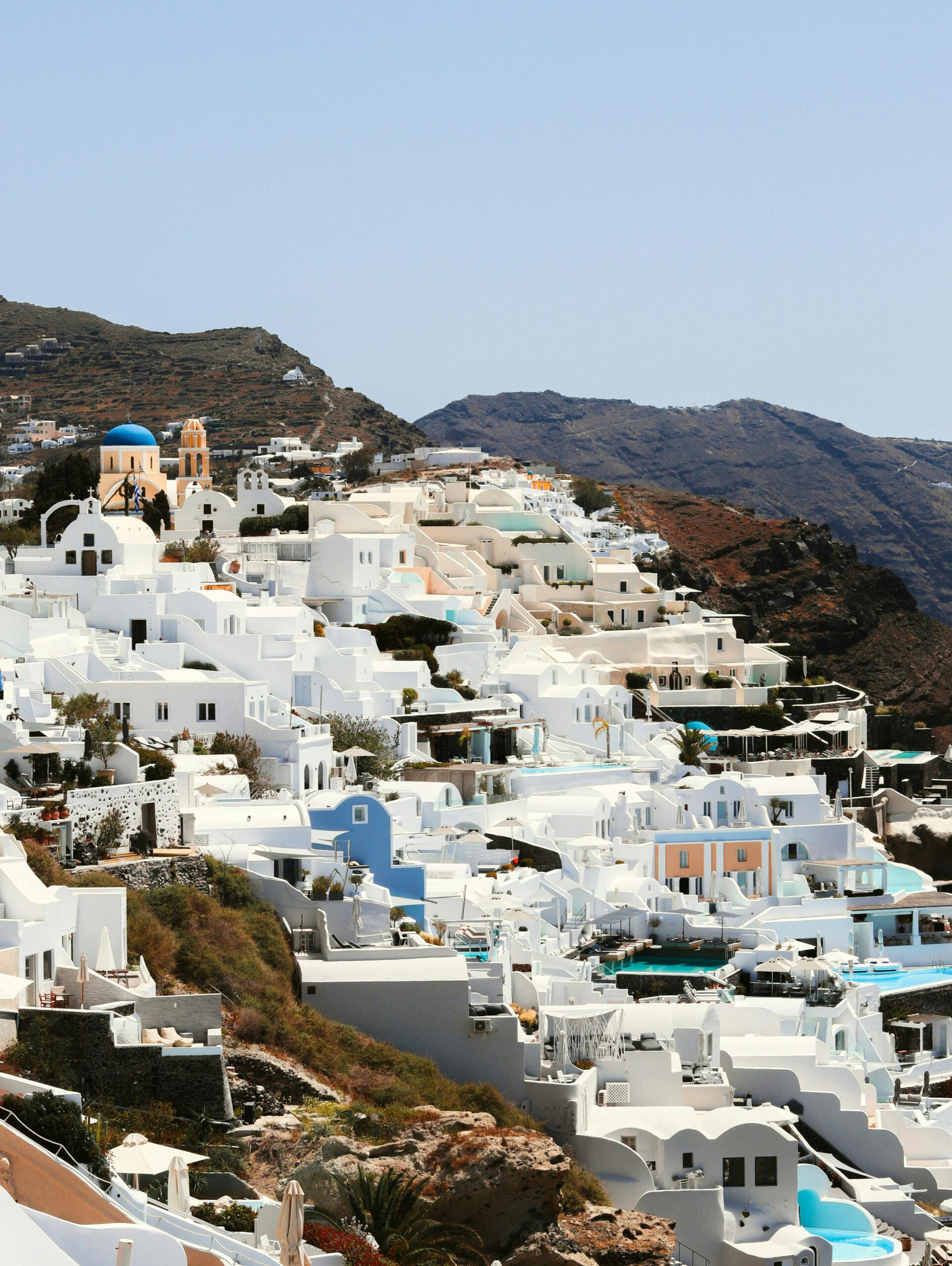
Why Santorini’s Peak Season Feels Nothing Like the Postcard is a question that surfaces repeatedly among visitors who arrive with high hopes only to confront a starkly different reality. This mismatch isn’t just about crowds or heat; it’s rooted in deep-seated assumptions about what a luxury Greek island experience should be.
Understanding these psychological patterns helps explain why so many leave feeling let down despite Santorini’s global fame.
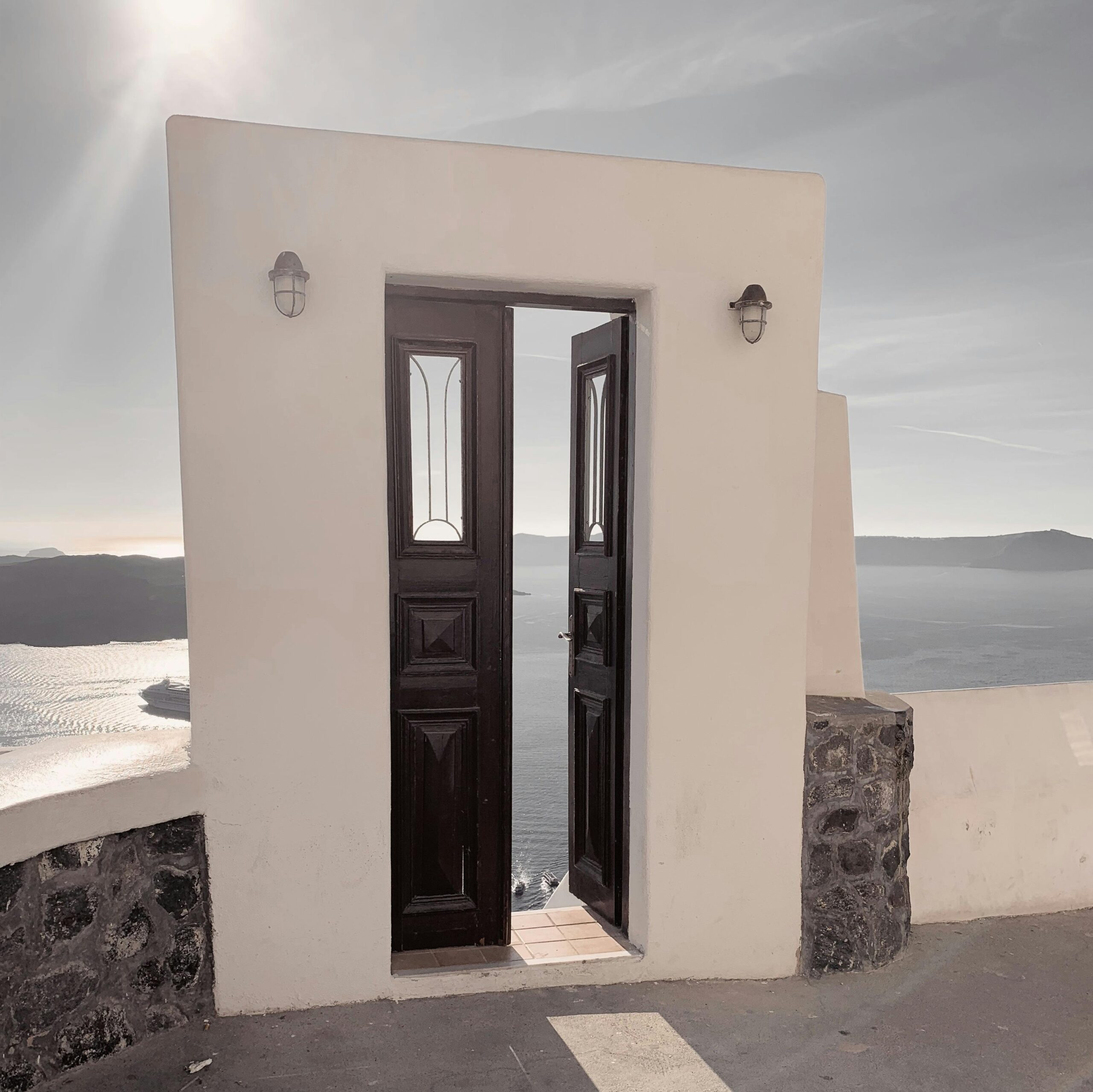
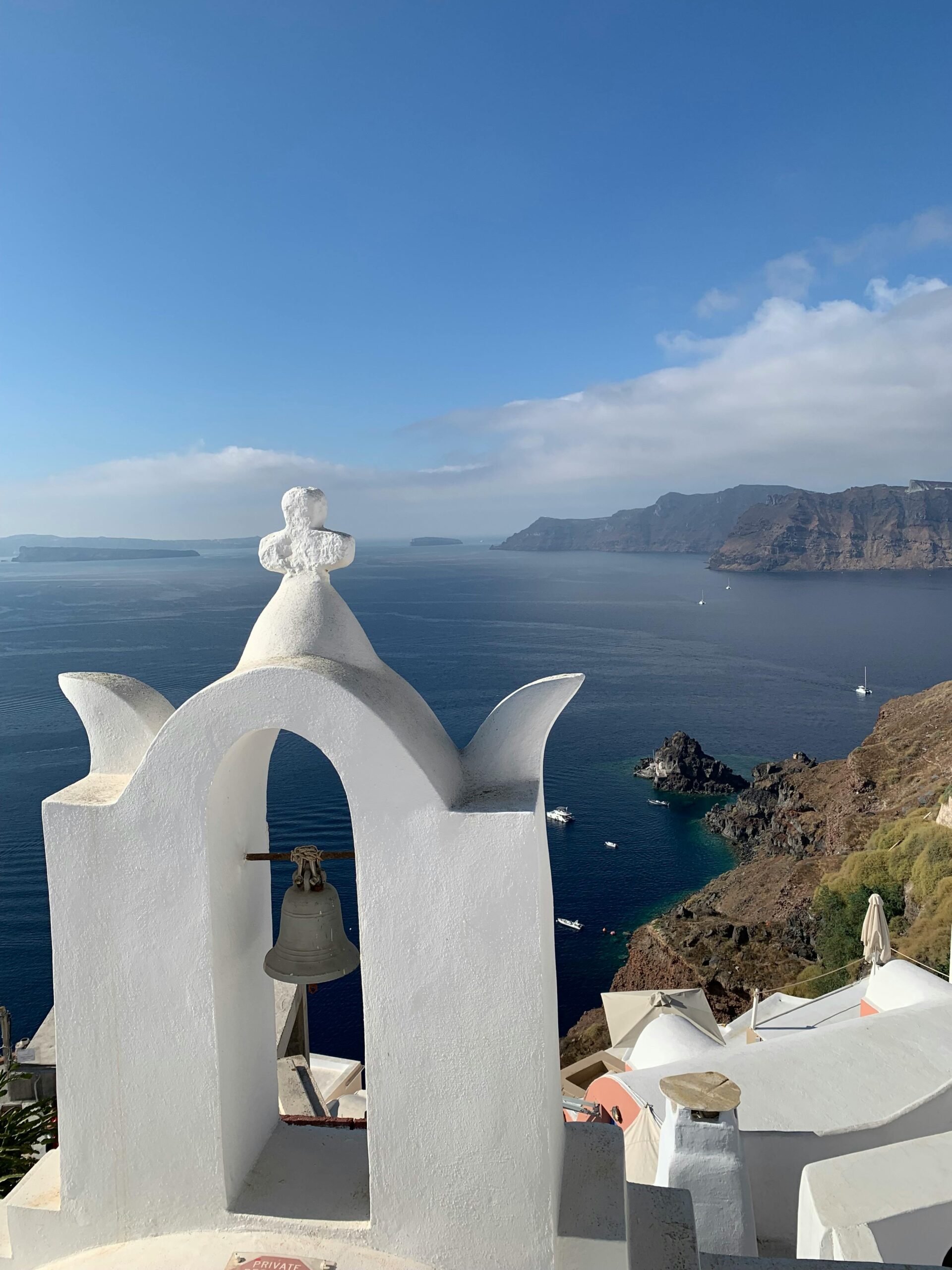
Why Santorini’s Peak Season Feels Nothing Like the Postcard
The Assumption: Postcard-Perfect Moments Are the Norm
Travelers often assume that Santorini’s iconic whitewashed buildings, caldera views, and sunset scenes will be theirs in peaceful solitude. This assumption stems from marketing images and social media posts that isolate beauty from reality. The problem is the emotional shortcut: expecting a serene, personal encounter with the island’s scenery without factoring in the true scale of visitor numbers.
Why Travelers Choose Peak Season Despite the Risks
Peak season, typically July and August, is the obvious choice for many due to school holidays, guaranteed warm weather, and the perceived festive atmosphere. There’s a psychological pull toward ‘when everyone else goes,’ driven by the belief that this period represents Santorini at its best and most lively. The sense of missing out encourages travelers to ignore warnings about crowds and high prices.
The Emotional Gap: Expectation vs. Reality
The postcard image sells tranquility and exclusivity, but the actual experience often includes long waits, packed streets, and pricey accommodations. This gap creates frustration and even resentment. The moment this disappointment hits is usually at a popular viewpoint or restaurant terrace, where the crowds and noise interrupt the picture-perfect scene visitors imagined.
When Disappointment Strikes: The Crowded Caldera Viewpoint
The specific moment when many feel the gap most sharply is during the sunset at Oia or Fira’s caldera edge. Instead of a quiet, reflective experience, travelers find themselves shoulder to shoulder with dozens of others, competing for a spot. This shared discomfort dismantles the romantic image and replaces it with a logistical challenge.
Traveler Profiles Most Vulnerable to This Pattern
First-time visitors with high expectations and limited research are the most prone to this disappointment. Those who prioritize ticking off Santorini from a list without adjusting expectations tend to assume all the island’s beauty will be accessible on their terms. Also, travelers seeking a luxury, low-stress vacation often underestimate how peak-season crowding transforms the experience into something more frenetic.
Why Avoiding Peak Season Changes the Game
Arriving outside July and August offers a radically different perspective. The island is quieter, prices are more reasonable, and the feeling of ownership over the views returns. This is not a compromise but a smarter approach to experiencing Santorini’s character. For a grounded cultural context beyond the tourist gaze, official resources like the Greek Ministry of Culture provide insights into Santorini’s heritage that are often overlooked during peak frenzy.
Reframing the Experience: What It Looks Like to Travel Differently
Instead of chasing the postcard moment during peak season, approach Santorini with a focus on timing, pacing, and authentic engagement. Accepting that the island’s popular spots will be crowded at certain times frees you to seek quieter neighborhoods, local tavernas, and cultural sites without the pressure of a perfect sunset photo. For a broader understanding of Greece beyond Santorini’s commercial highlights,
Visit Greece’s official site offers practical info that can help calibrate expectations realistically.
Recognizing the pattern is the first step. The second is building a trip around how you actually travel — not the traveler you imagine yourself to be. Most great Greece experiences start with that honesty.
Frequently asked questions
Why is Santorini so crowded during peak season?
Santorini’s peak season coincides with European summer holidays, attracting a large influx of tourists. The limited space on the island and concentration of popular spots intensify the feeling of crowding.
Can I avoid crowds if I visit Santorini in July or August?
Completely avoiding crowds in peak months is unrealistic. However, visiting lesser-known villages or early mornings can reduce crowd exposure, but the main tourist hubs remain busy.
Is the weather better during peak season than shoulder seasons?
Peak season guarantees hot, dry weather but shoulder seasons like May-June or September-October offer warm temperatures with fewer tourists and less intense heat.
Do luxury hotels in Santorini offer a better experience during peak season?
Luxury hotels can provide comfort and exclusivity, but they cannot shield guests from crowded public areas or the overall busy atmosphere of the island during peak months.
What’s the best way to get an authentic Santorini experience?
Visiting outside peak season, exploring beyond Oia and Fira, and engaging with local culture and history are key. Using official resources can help plan a more grounded trip.
Are there any cultural sites worth visiting that are less crowded?
Yes, Santorini has archaeological sites and museums that are less frequented by tourists. These offer deeper insight into the island’s history away from the main tourist flow.
How does the psychological expectation of Santorini affect travel satisfaction?
High expectations shaped by idealized images lead to a mismatch with reality, causing frustration. Adjusting expectations based on timing and local conditions improves satisfaction.