


Why Planning Pelion Without a Local Expert Is a Recipe for Frustration is the reality many travelers face when tackling this region independently. Pelion’s geography and cultural complexity require more than just standard research to navigate effectively.
Attempting to self-plan usually results in inefficient routes and missing the nuances that define Pelion’s unique identity.
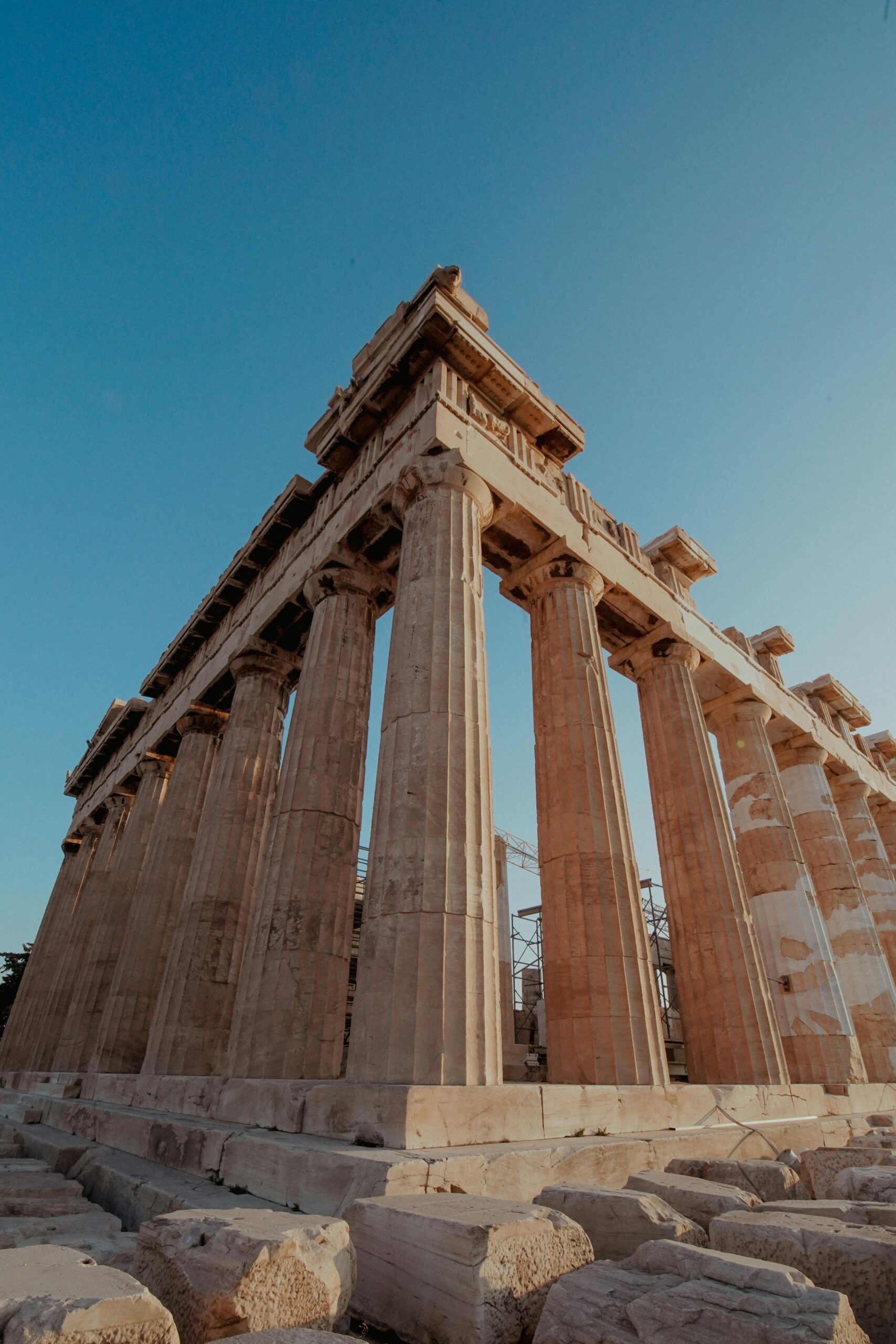

Why Planning Pelion Without a Local Expert Is a Recipe for Frustration
Pelion’s Geographic Layout and the Hidden Challenge for Travelers
Pelion is not a compact, walkable destination. Its villages are scattered along mountain ridges and coastline, separated by winding roads that can turn short distances into lengthy drives. Visitors unfamiliar with the terrain underestimate how much time is lost moving between places, often ending up exhausted and frustrated.
The region’s topography demands a routing strategy beyond what typical guidebooks provide. Missing this means travelers either cram too much into a day or skip significant spots entirely.
Two Common Misconceptions Travelers Make in Pelion
First, many assume the villages are easily accessible by public transport or straightforward drives. In reality, bus services are infrequent and unreliable outside peak season, and road conditions—especially in winter—can be challenging without local insight.
Second, visitors often choose accommodation based solely on proximity to the coast, ignoring the fact that inland villages offer far richer cultural experiences and authentic local cuisine. This leads to a superficial experience of Pelion focused on sea views rather than its heritage.
Key Places in Pelion You Can’t Afford to Mismanage
Understanding Pelion means knowing which villages serve different traveler needs and how they connect. For example, Makrinitsa is often called the ‘balcony of Pelion’ for its views but requires careful timing to avoid tourist crowds. Portaria offers traditional architecture but feels very commercial in summer.
Tsagarada holds some of the oldest plane trees and quieter tavernas, while Milies boasts a historic railway and lush surroundings but is remote. Kala Nera and Agios Ioannis serve as coastal bases but lack the inland charm.
Who This Suits — And Who Should Avoid DIY Planning
Pelion suits travelers who want a combination of nature, traditional culture, and gastronomy — but only if they have a solid plan. Those who thrive on spontaneous road trips without local knowledge will find Pelion’s spread and infrastructure frustrating.
Families with children or older travelers benefit greatly from expert planning due to the terrain and transport limits. Independent backpackers looking for nightlife or fast-paced itineraries should look elsewhere; Pelion is about slower, considered exploration.
The Counterintuitive Truth About Pelion’s Transport Network
It’s tempting to think renting a car solves all mobility issues in Pelion, but that’s misleading. Narrow mountain roads and seasonal weather can make driving risky and slow. Locals know which routes to avoid or how to time travel to minimize delays, knowledge a guide or planner provides.
Ignoring this leads to wasted time and stress that no luxury accommodation or scenic spot can compensate for.
Trade-Offs: What You Gain and What You Lose Without Expert Guidance
With expert planning, you gain optimized itineraries that respect Pelion’s rhythm, access to insider cultural experiences, and smooth transitions between villages. You also avoid common pitfalls like booking accommodations in inaccessible spots or missing seasonal festivals.
You give up some spontaneity but gain a coherent experience that feels authentic rather than disjointed. Without this, you risk turning what should be an enriching trip into a logistical headache.
Why Planning Pelion Without a Local Expert Is a Recipe for Frustration: Final Thoughts
Planning Pelion without a local expert is a recipe for frustration because of its dispersed geography, complex transport, and cultural subtleties. The time lost to poor routing and overlooked experiences rarely justifies the cost savings of DIY planning.
For deeper context on Greek culture and regional dynamics, consulting resources like the
Greek Ministry of Culture can provide background but won’t replace on-the-ground expertise. For an overarching view of Greece’s destinations, including Pelion, visitgreece.gr is a helpful portal though still general.
Most Greece trips follow the same tired script. The ones that don’t — the ones travelers still talk about years later — were built around a real understanding of how this country works. That kind of understanding takes time, or it takes someone who already has it.
Frequently asked questions
Is Pelion suitable for travelers without a car?
Pelion’s limited public transport and scattered villages make traveling without a car difficult. Expert planning can help arrange transfers or recommend the best routes, but independent travel without a car is rarely efficient.
Can I visit Pelion year-round?
Pelion is accessible year-round but some mountain roads become challenging in winter. Tourist services are seasonal, so expert advice is crucial for off-season visits to avoid closures and difficult conditions.
Which villages in Pelion are best for authentic cultural experiences?
Villages like Tsagarada, Makrinitsa, and Milies offer richer cultural experiences than the more tourist-oriented Portaria or coastal spots like Agios Ioannis.
Why is Pelion’s transport network considered complex?
The mountainous terrain, narrow roads, and infrequent buses create a transport network that demands local knowledge to navigate efficiently and safely.
Can I plan Pelion on my own using online resources?
Online resources provide basic information but often lack the nuanced understanding of local conditions, timing, and cultural events that make expert planning essential.
What are common mistakes travelers make when self-planning Pelion trips?
Common mistakes include underestimating travel times, staying only in coastal villages, ignoring seasonal road conditions, and missing important cultural sites due to poor routing.