

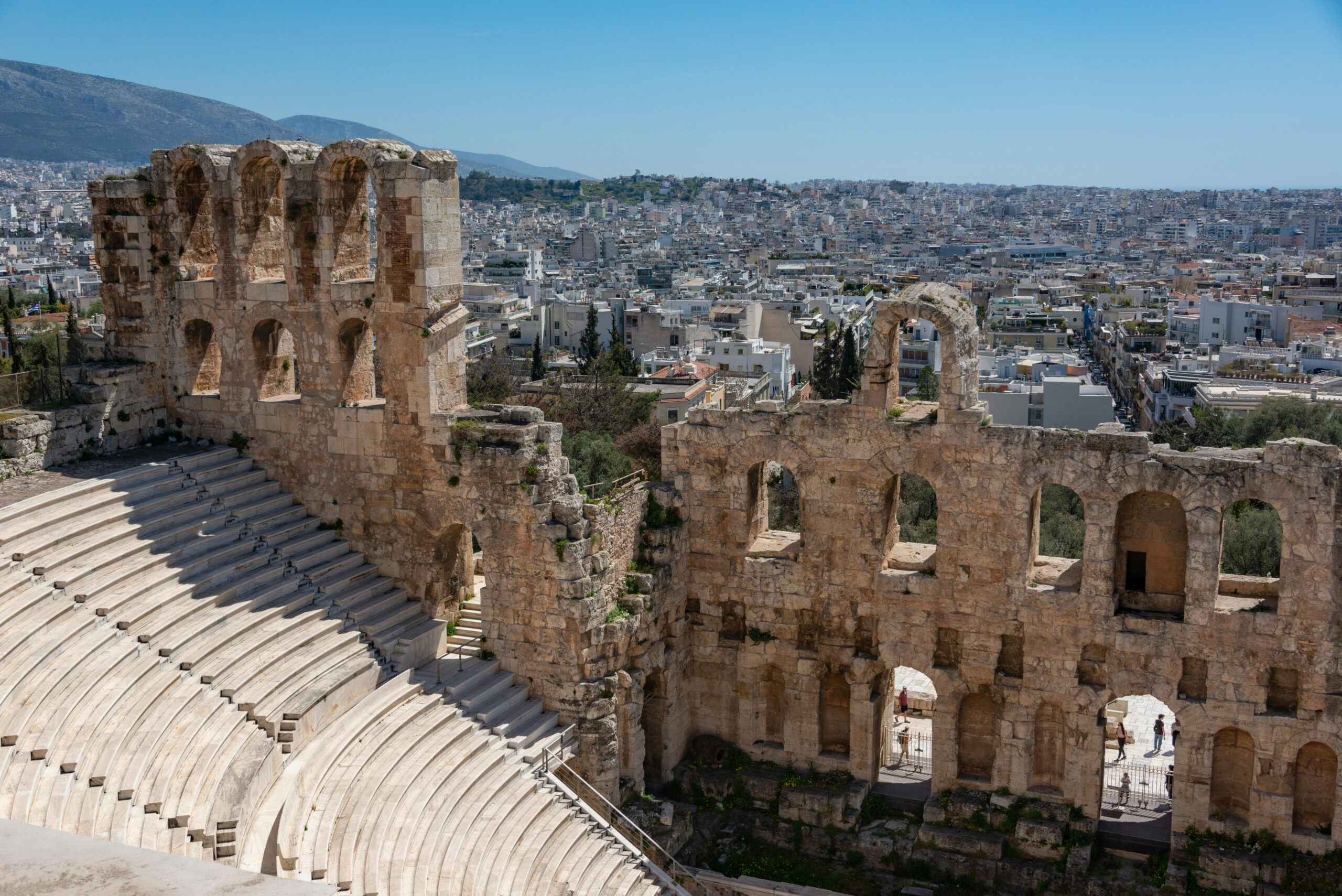
Why Visiting Athens Last Instead of First Ruins More Trips Than It Makes Better is a critical planning insight few travelers recognize until it’s too late. Athens sets the tempo for your entire Greek experience, and misplacing it at the end often leads to fatigue and missed opportunities. Proper sequencing isn’t just a convenience—it shapes what the trip ultimately delivers.
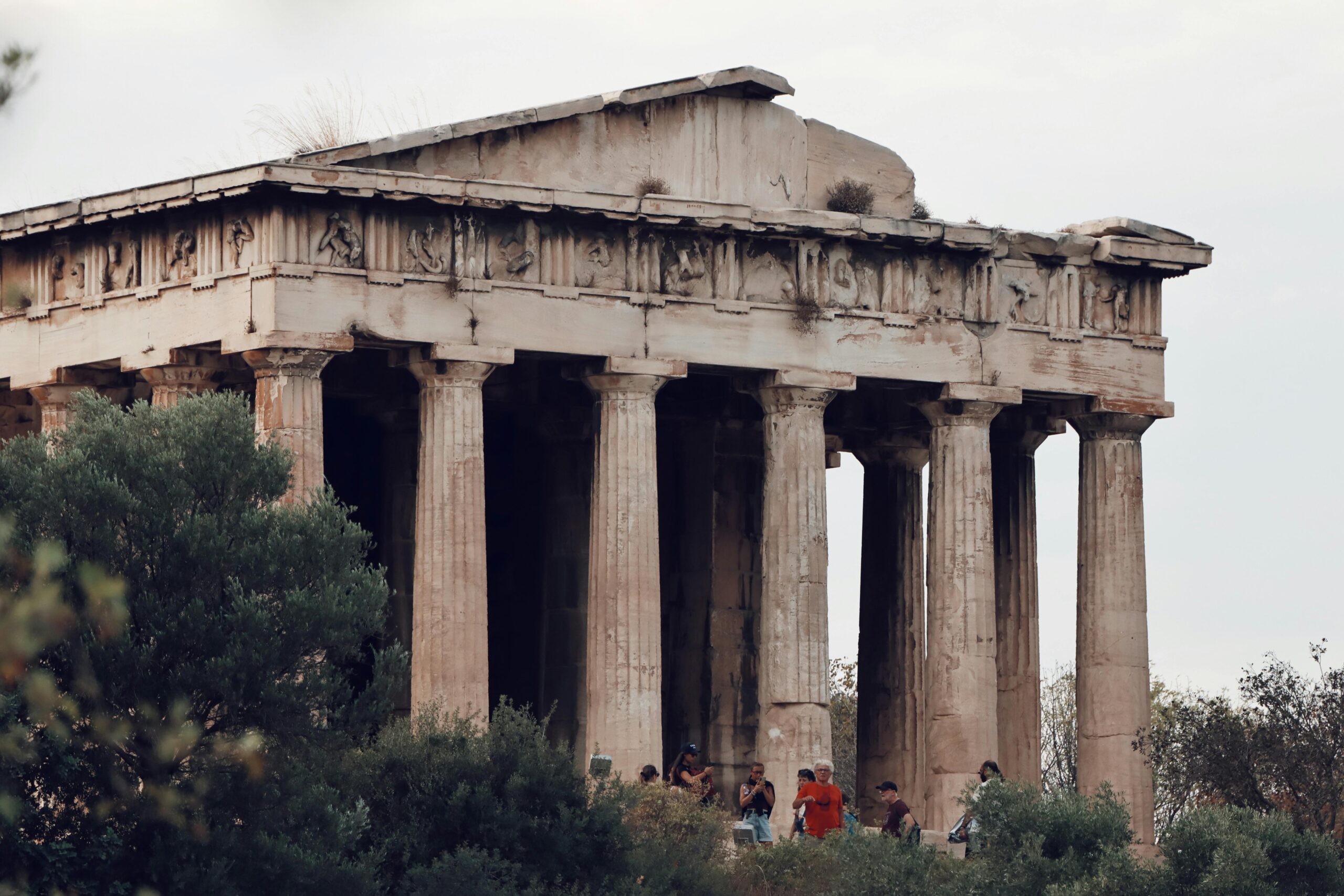
Why Visiting Athens Last Instead of First Ruins More Trips Than It Makes Better
Why Starting in Athens Sets the Right Tone
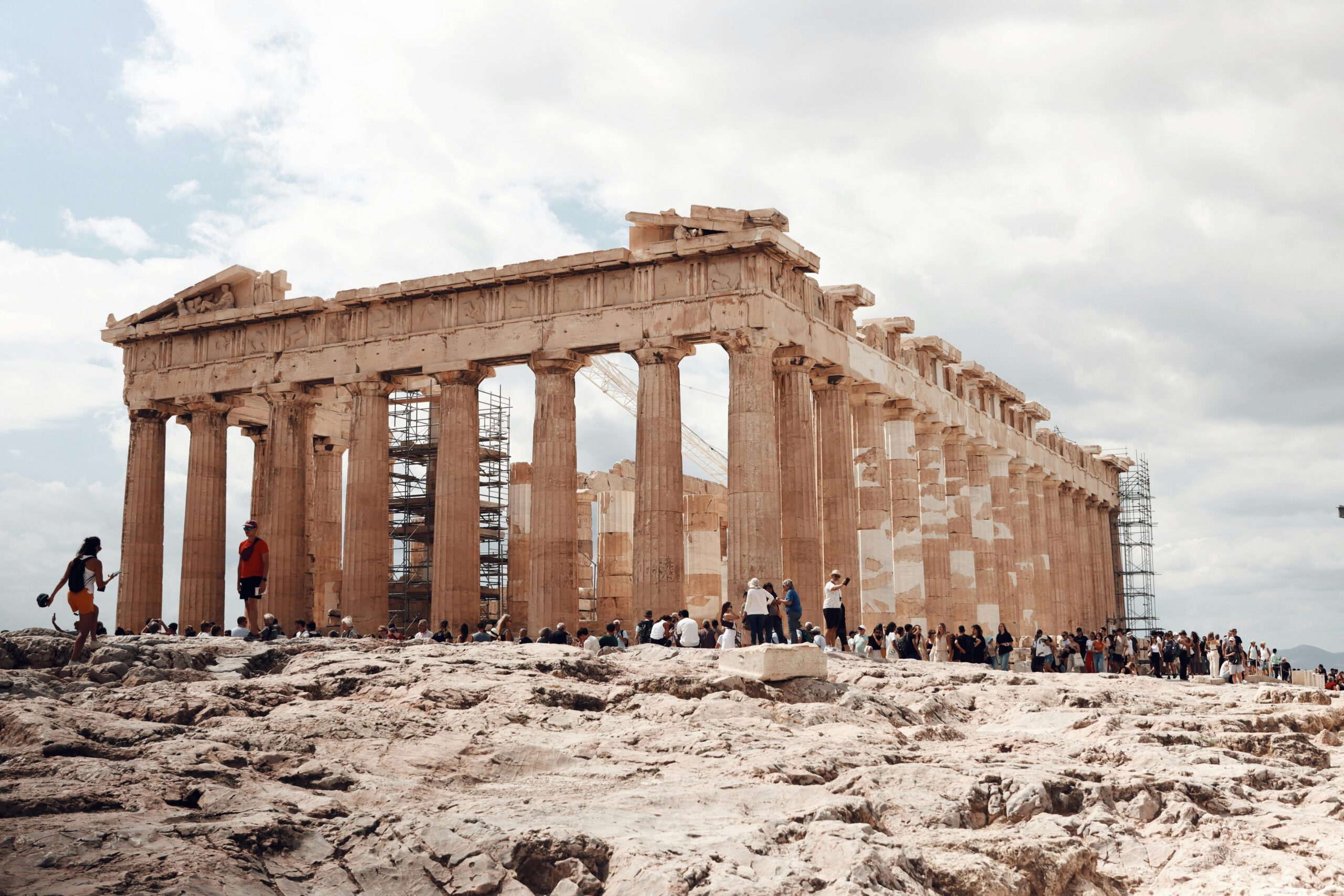
Travelers consistently underestimate how Athens conditions their mindset and energy. Arriving first allows you to acclimate to Greek pace, culture, and climate before moving on to more physically demanding islands or regions. The city’s vibrant neighborhoods—like Plaka and Psiri—provide a manageable introduction to Greek urban life, cuisine, and history. Starting here also means you’re fresh enough to explore monumental sites such as the Acropolis and the new Acropolis Museum, which demand mental engagement and stamina.
Two Common Missteps That Undermine Trips
First, many visitors book Athens last, assuming it’s a natural finale. This often backfires because by then, travelers are worn out from island hopping or rural excursions, leaving them drained and less receptive. Second, they mistake Athens for a quick, one-day stop. The city’s complexity and range require multiple days; rushing or postponing it until the end shrinks your window to appreciate what it uniquely offers.
Key Neighborhoods and Places to Prioritize
Understanding Athens requires more than the Acropolis. Neighborhoods like Kolonaki offer a luxury shopping and dining experience that reflects modern Greek life, while Exarchia reveals Athens’ political edge and vibrant street art. The historic center, including Monastiraki and Thissio, combines markets, cafes, and access to archaeological sites. Each area demands time and energy—resources often depleted when Athens is saved for last.
Who This Approach Suits and Who It Doesn’t
Travelers who thrive on structure and want to build momentum should start in Athens. Those interested in deep cultural immersion, urban history, and culinary exploration are best served by allocating Athens early. Conversely, travelers seeking a purely beach-centered trip or those with limited tolerance for city environments may struggle to appreciate Athens first or last. Still, even those travelers must consider the trade-offs of placing Athens last, as fatigue will blunt their experience.
A Counterintuitive Observation: Athens as the Energy Hub, Not the Exhaustion Point
Contrary to popular belief, Athens is less exhausting at the start of a trip. The city’s infrastructure, public spaces, and cultural venues are designed for engagement rather than relaxation. Positioned first, Athens energizes travelers. Put it last, and the cumulative exhaustion from other destinations dims its impact. This flips the common assumption that Athens is better as a restful finale.
Trade-offs: What You Gain and What You Lose
Starting in Athens ensures you gain an essential cultural foundation and reasonable pacing. It simplifies logistics for onward travel and gives you access to official resources like the
Ministry of Culture and the Acropolis Museum. What you give up is the romantic notion of saving the best for last, which often leads to rushed visits and disappointment. You also sacrifice the chance to decompress in more leisurely environments before encountering Athens’ urban intensity.
Why Visiting Athens Last Instead of First Ruins More Trips Than It Makes Better: The Planning Consequence
Ignoring this advice commonly results in misaligned trip momentum. Travelers arrive in Athens fatigued, with limited time, and often miss key experiences or settle for superficial visits. The result is a final impression that doesn’t reflect Athens’ significance. This sequencing error can turn what should be a cultural high point into a logistical headache, diluting the entire Greek travel experience.
Conclusion
Most Greece trips follow the same tired script. The ones that don’t — the ones travelers still talk about years later — were built around a real understanding of how this country works. That kind of understanding takes time, or it takes someone who already has it.
Recommended experiences
Some experiences mentioned here are curated and managed by Elite Greece Travels.
- Athens Milos Itinerary — Itinerary (managed by Elite Greece Travels).
- Athens Milos Santorini Itinerary 9 Days — Itinerary (managed by Elite Greece Travels).
- Greece 7 Day Itinerary Athens Delphi Meteora Santorini — Itinerary (managed by Elite Greece Travels).
Frequently asked questions
Is it better to visit Athens first or last on a Greece trip?
Visiting Athens first is better because it sets the pace and allows you to adjust to Greek culture and energy levels before moving on to more demanding destinations.
How many days should I spend in Athens?
Allocate at least 3 full days to Athens to cover major neighborhoods and key sites without rushing.
Does visiting Athens last save time in Greece?
No, it often backfires. Fatigue from prior travel reduces your ability to experience Athens fully, which can waste time and money.
Which Athens neighborhoods offer the best introduction to the city?
Plaka, Psiri, Kolonaki, and Exarchia provide a balanced view of Athens’ history, culture, and modern life.
Can skipping Athens early affect the rest of my trip?
Yes, starting elsewhere without Athens’ cultural context often leads to a disjointed trip and missed appreciation of subsequent destinations.
Are there official resources to help plan an Athens visit?
Yes, institutions like the Ministry of Culture (https://culture.gov.gr/en/) and the Acropolis Museum (https://www.acropolis-museum.gr/en) offer valuable information and insights.