

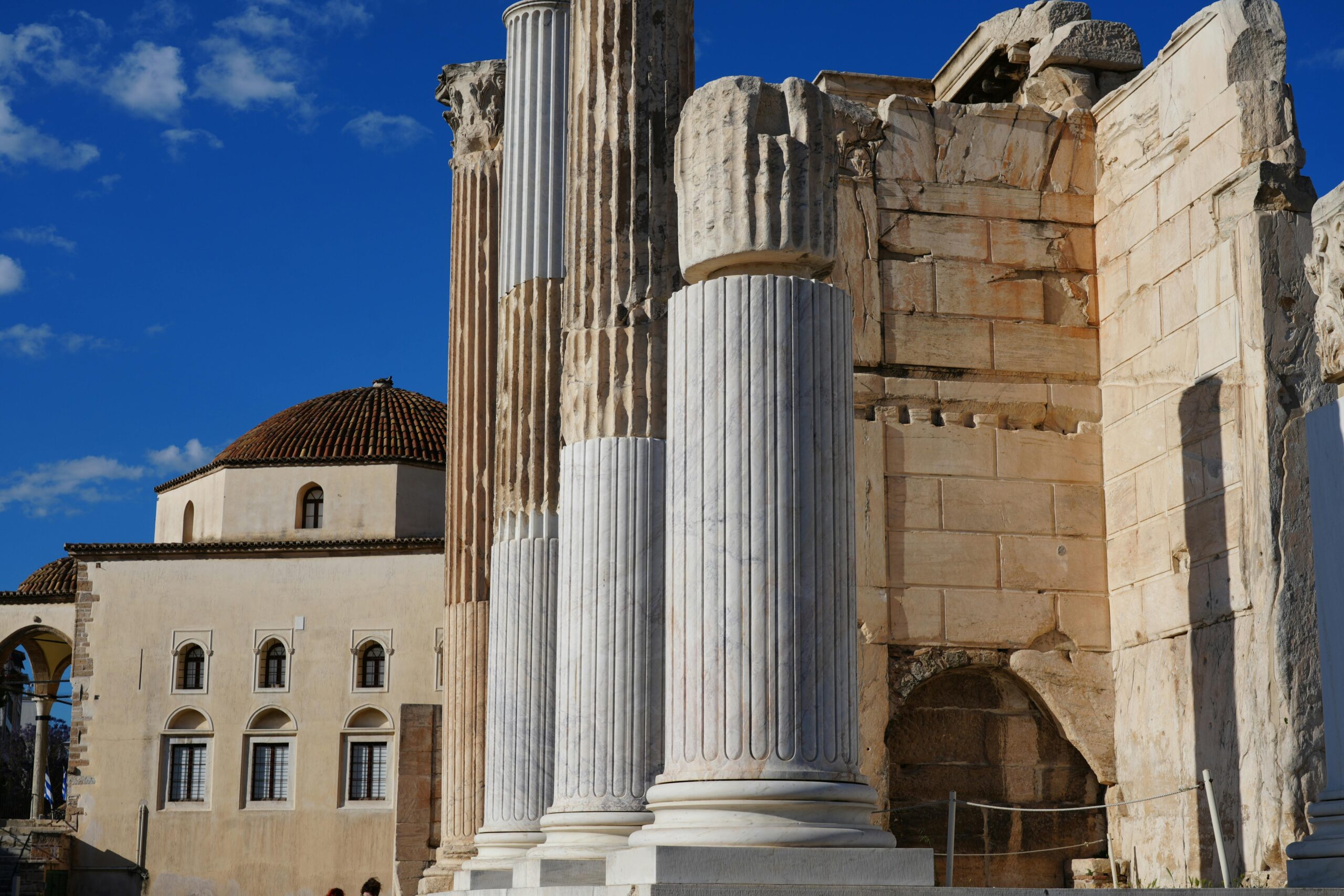
Why Planning a Peloponnese Road Trip Without a Pro Usually Ends in Regret is a reality most travelers face after arriving overwhelmed and underprepared. The region’s complex mix of antiquities, rugged landscapes, and dispersed sites demands more than a basic map and enthusiasm.
Amateur planners often miss the nuanced sequencing and underestimate the distances, turning what should be a rich cultural journey into a frustrating scramble.
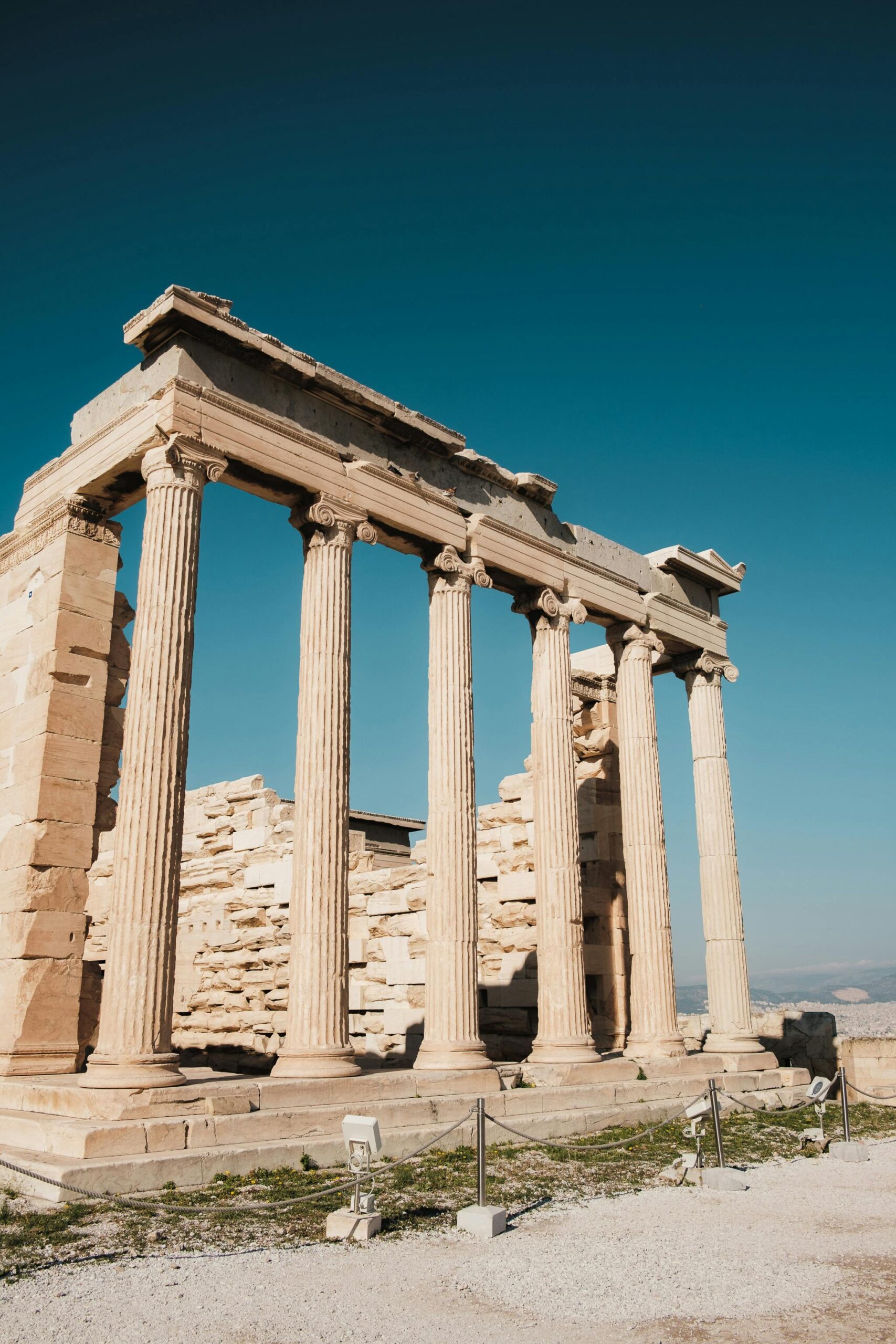
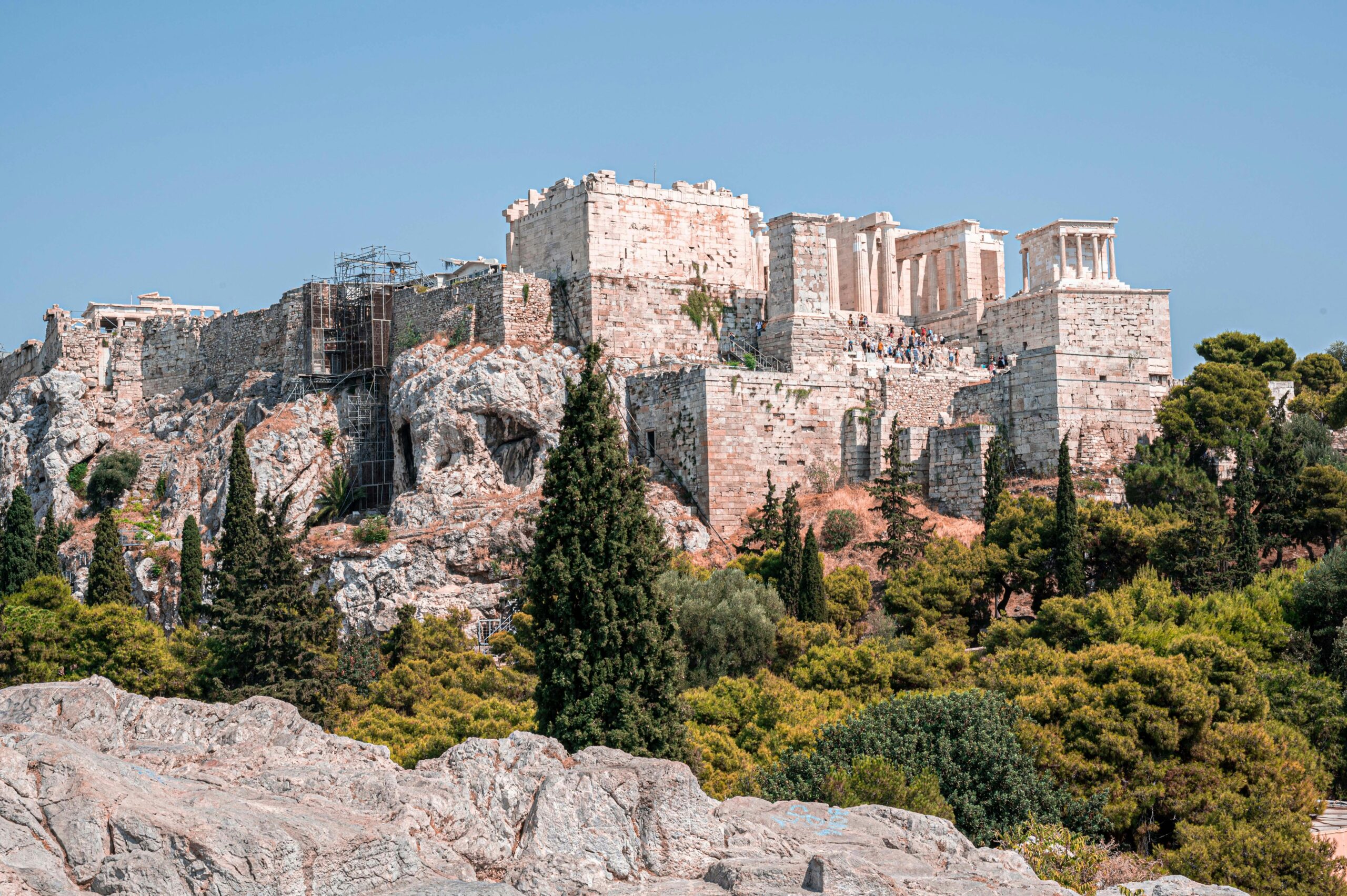
Why Planning a Peloponnese Road Trip Without a Pro Usually Ends in Regret
Common Mistakes Travelers Make in the Peloponnese
First, travelers routinely underestimate the time needed to truly engage with the Peloponnese’s archaeological sites. For example, rushing through Mycenae or Epidaurus in under two hours makes the visit superficial. Second, many ignore the region’s challenging geography. The roads are often narrow, winding, and slower than GPS estimates suggest — not a place for casual day-tripping without contingency plans.
Key Destinations That Require Nuanced Planning
Any serious Peloponnese road trip should include Nafplio, the region’s most architecturally coherent town with layered history; Mycenae, essential for Bronze Age archaeology; Epidaurus, famous for its ancient theatre that demands a timed visit; Olympia, the birthplace of the Olympic Games; Mani Peninsula for rugged coastal landscapes and Byzantine towers; and Monemvasia, a medieval fortress town often overlooked due to its challenging access.
Why Planning a Peloponnese Road Trip Without a Pro Usually Ends in Regret: The Itinerary Sequencing Challenge
The spatial distribution of these sites is deceptive. For instance, placing Monemvasia immediately after Olympia or trying to cover Nafplio and the Mani Peninsula in one day is a recipe for exhaustion. A professional understands how to cluster these stops to minimize backtracking and maximize quality time on site rather than in the car.
Who This Suits: Traveler Profiles That Work and Those That Don’t
The Peloponnese suits travelers who want depth over breadth: history buffs, archaeology enthusiasts, and those comfortable with less polished infrastructure. It is not ideal for casual tourists expecting resort-style amenities or easy, flat drives. Families with small children or travelers with mobility issues will find the terrain and pacing challenging without expert guidance.
A Counterintuitive Observation: More Time Doesn’t Always Mean More Value
Spending extra days indiscriminately can dilute the experience. The Peloponnese’s charm lies in focused exploration. Extending your stay without a clear plan often leads to repetitive visits or idle downtime in towns that don’t have enough to sustain several days of interest. It’s better to select fewer sites and experience them properly than to chase quantity.
Trade-offs: What You Gain and What You Give Up Without Expert Planning
By trusting a pro, you gain a realistic itinerary that balances cultural immersion with relaxation, plus insider access to lesser-known sites or events. You avoid common pitfalls like accommodation far from key sites or missing seasonal openings. The trade-off is less spontaneous flexibility, but the alternative is frequent frustration and wasted travel time.
For an authoritative cultural context, consult resources like the
Greek Ministry of Culture. For a broader sense of regional offerings, Visit Greece provides official updates but lacks the operational insights that come from on-the-ground experience.
Conclusion
Most Greece trips follow the same tired script. The ones that don’t — the ones travelers still talk about years later — were built around a real understanding of how this country works. That kind of understanding takes time, or it takes someone who already has it.
Frequently asked questions
Is it possible to plan a Peloponnese road trip independently?
While possible, independent planning often leads to underestimating travel times and missing the nuanced sequencing that makes the trip efficient and enjoyable.
Which sites in the Peloponnese require extra time to appreciate properly?
Mycenae, Epidaurus, Olympia, and Monemvasia all require more than a quick visit to fully appreciate their historical and cultural significance.
What types of travelers should avoid a self-planned Peloponnese road trip?
Casual tourists seeking resort comforts, families with young children, and travelers with mobility challenges should avoid self-planning due to the region’s rugged terrain and infrastructure.
Are there seasonal considerations when visiting the Peloponnese?
Yes, some archaeological sites and local events have specific opening times and seasons. Without expert advice, travelers risk arriving when key attractions are closed or overcrowded.
Can more days in the Peloponnese improve the trip experience?
Not necessarily. Without a focused plan, extra days can lead to repetitive visits or downtime, reducing the overall quality of the trip.
What is the main benefit of hiring a professional for Peloponnese trips?
Professionals provide realistic itineraries that optimize time, reduce travel fatigue, and include insider knowledge that is often unavailable to casual planners.
Where can I find authoritative cultural information on the Peloponnese?
The Greek Ministry of Culture website offers reliable information, though it does not replace expert operational advice.