

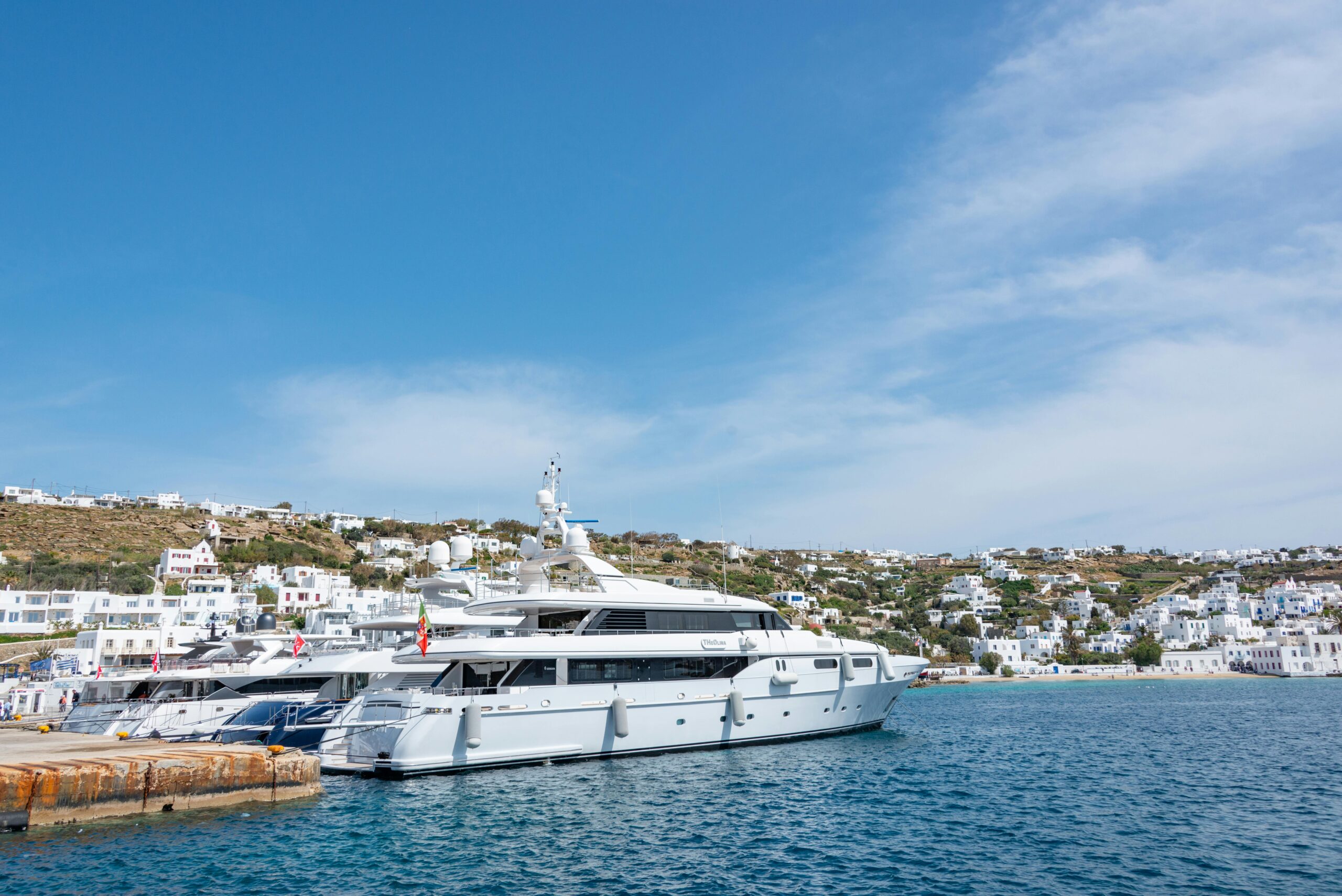
The Mykonos High Season Myth: Why August Is Nothing Like You Expect is a critical insight for anyone considering a summer trip to this island. August is not just crowded and hot; it transforms Mykonos’ atmosphere in ways most travel articles ignore. Understanding these changes can save you from disappointment and help you pick the timing that suits your real priorities.
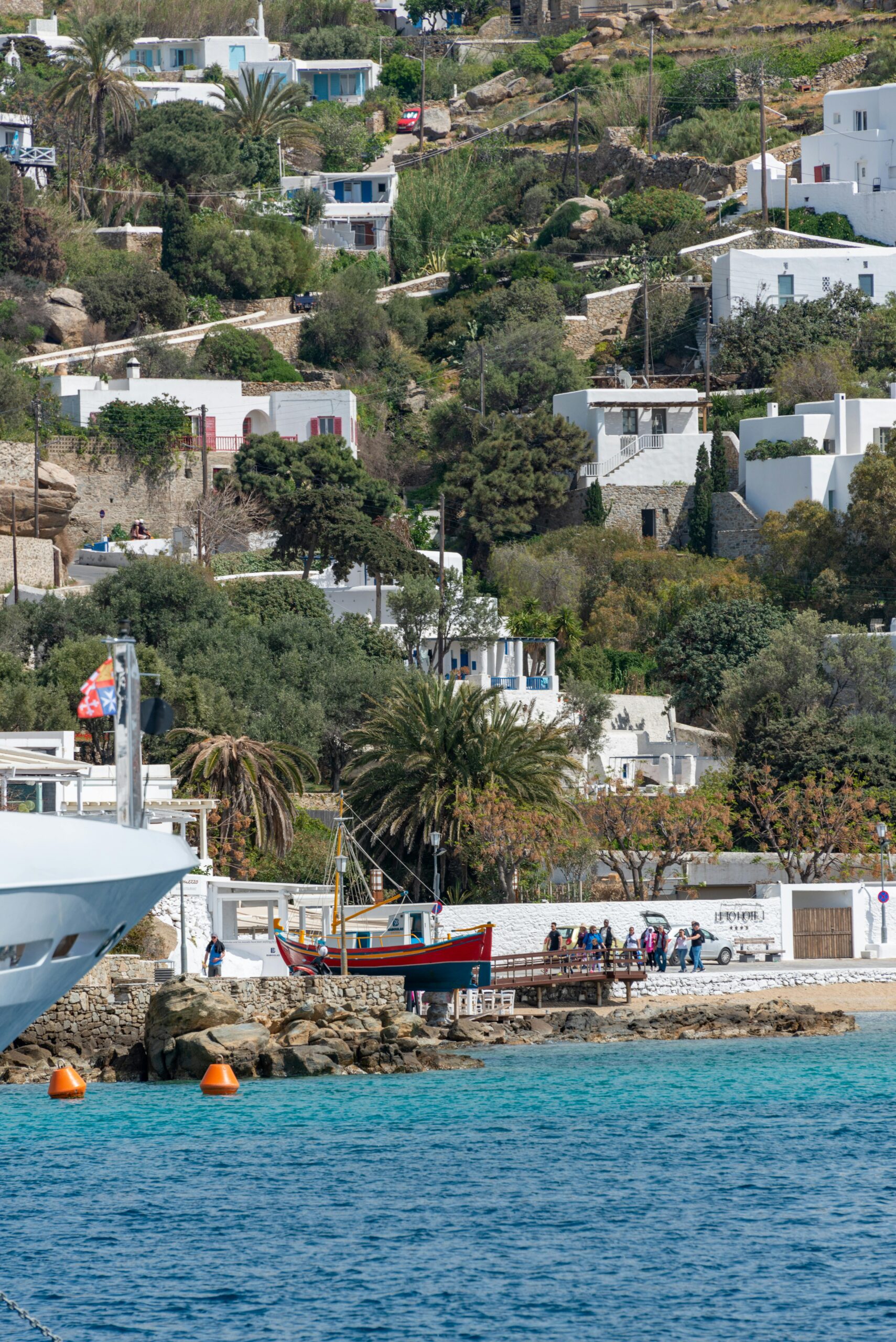
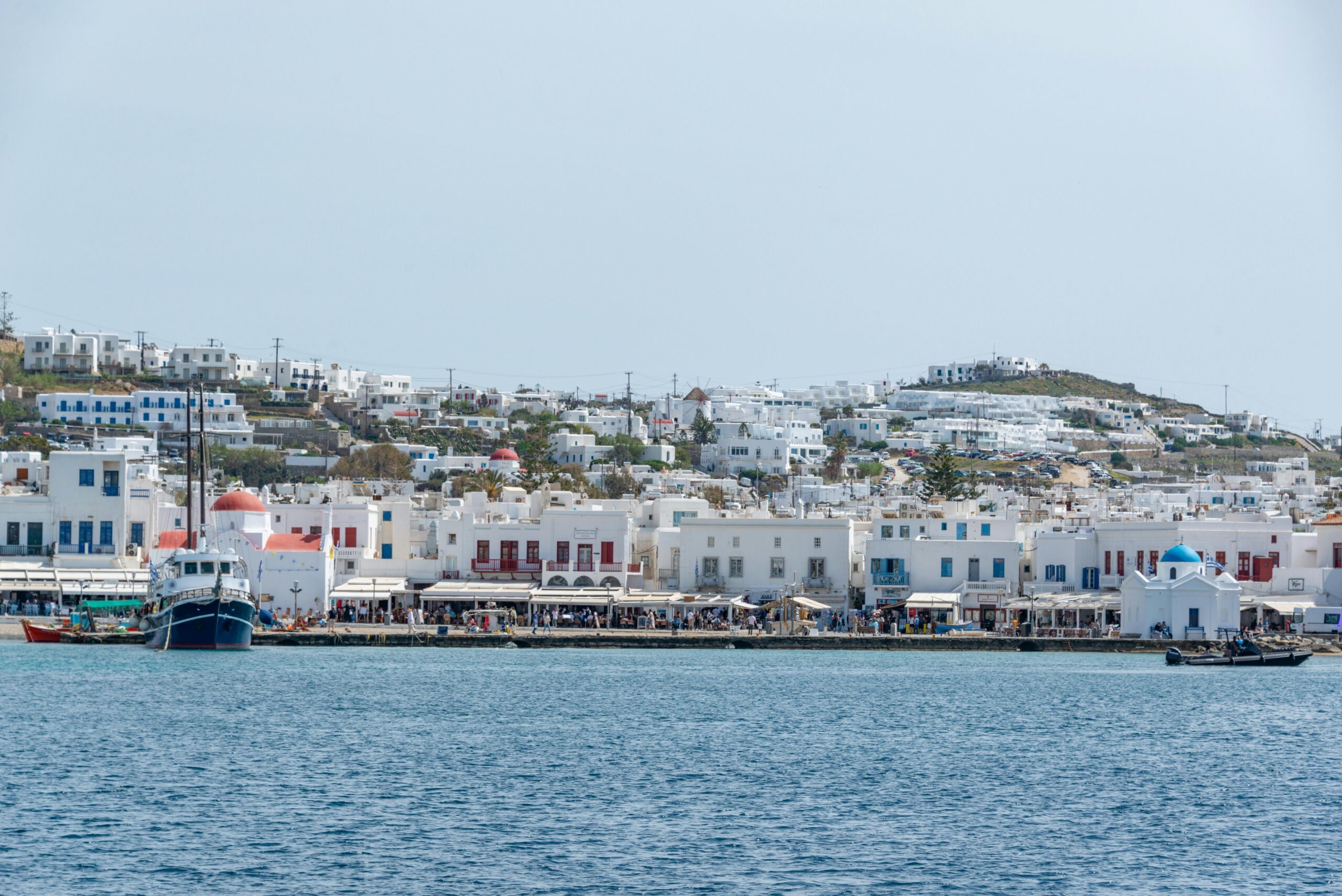
The Mykonos High Season Myth: Why August Is Nothing Like You Expect
When to Visit Mykonos: The Real Timing Breakdown
Mykonos’ season can be divided into three distinct windows: the early season (May to June), the peak season (July to August), and the late season (September to October). Each period offers radically different experiences beyond just crowd size or weather. The island’s pace, service quality, and even what’s open for business shift considerably.
May to June: The Best Window for Balance and Authenticity
Visiting Mykonos in late spring to early summer means you encounter a livelier but not overwhelming atmosphere. The sea is warm enough for swimming, but the island hasn’t yet become a relentless party zone. Restaurants and shops are fully operational, often staffed with more experienced locals. This period suits travelers who want a taste of Mykonos’ energy without paying the premium of peak season chaos.
July and August: The Peak Season Reality Check
The Mykonos High Season Myth: Why August Is Nothing Like You Expect becomes clear when you actually spend time here. August is not just about more people; it’s about a fundamental shift in the island’s character. The focus moves from quality experiences to volume. Streets and ferries are overcrowded, reservations require booking months ahead, and prices spike sharply. Expect long waits and a more transactional feel in hospitality. The glamour you expect is replaced by a frantic scramble for space and service.
One counterintuitive insight most guides miss: August’s heat combined with massive crowds means many upscale venues limit their opening hours or close for staff rest periods mid-afternoon. This interruption disrupts the continuous flow of the day, frustrating visitors who assume everything runs non-stop through summer evenings.
September to October: The Late Season’s Quiet Shift
As the crowds thin in September and October, the island’s mood shifts back toward a calmer, more genuine experience. Temperature remains pleasant, but some high-end nightclubs and beach bars close down, and a few boutique hotels reduce operations. Monasteries and some cultural sites may have limited hours or staff, an important factor if cultural sightseeing is your goal. This period favors travelers who prioritize atmosphere and calm over nonstop nightlife.
What Actually Changes Between Seasons Beyond Crowds
The difference between seasons isn’t just about people or temperature. Service quality fluctuates: peak season demands can exhaust staff, leading to uneven service. Availability of local produce and menu diversity also varies, with shoulder seasons offering fresher, more authentic culinary options. Transportation logistics worsen in August, with ferries and taxis often booked solid, causing delays and frustration.
Who Benefits Most from Each Timing Window
- May-June: Those who want to combine swimming, sightseeing, and a manageable social scene.
- July-August: Party-focused visitors who prioritize nightlife and social scene intensity over comfort.
- September-October: Travelers seeking calmer days, better value, and a more traditional island feel.
The Mykonos High Season Myth: Why August Is Nothing Like You Expect — Final Take
August is often sold as the ultimate Mykonos experience, yet it is the month that most compromises the island’s core appeal. The crowds, heat, and inflated prices degrade the overall quality of the visit. The myth that August equals glamour ignores the real operational and emotional toll on the destination. For anyone expecting a seamless, luxe experience, August is a gamble that rarely pays off.
Planning a trip to Greece means understanding these seasonal nuances honestly. The government’s
cultural calendar and the official tourism site provide updates on seasonal events and openings, but local realities often diverge from promotional narratives.
There’s no universally right time to visit Greece. There’s only the right time for the trip you’re actually planning. Getting that alignment right changes everything about how the country feels.
Frequently asked questions
Is August the best month to experience Mykonos nightlife?
August offers the most intense nightlife scene, but this comes with overcrowding and long waits. For a more relaxed nightlife with good options, July or early September is preferable.
Are restaurants and shops open year-round in Mykonos?
Many restaurants and shops close or reduce hours in the late season (October onwards). Peak season guarantees full operation but with higher prices and crowds.
How does ferry availability change throughout the season?
Ferries are heavily booked and often overcrowded in August. Shoulder seasons have fewer sailings but more reliable availability and less stress.
Can I visit cultural sites and monasteries year-round in Mykonos?
Some monasteries and cultural sites reduce hours or close in the low and late seasons. Checking official schedules ahead of time is essential.
What is a common misconception about visiting Mykonos in August?
A common misconception is that August is the most glamorous time on the island. In reality, the combination of heat, crowds, and high prices often detracts from the experience.
Who should avoid visiting Mykonos in August?
Travelers seeking calm, authentic experiences, or those sensitive to crowds and heat should avoid August. It’s best suited for party-focused visitors prepared for high demand.
When is the best time to visit for value-conscious travelers?
Late season, from mid-September to October, offers better prices and a more relaxed atmosphere, though some businesses may close early.