

Athens vs Crete: Deciding Your First Greek Destination
For first-time travelers to Greece, choosing between Athens and Crete can feel overwhelming. Both destinations offer rich cultural and historical experiences, alongside unique natural beauty. Understanding these differences will help you decide which location best aligns with your travel style and interests.
Cultural and Historical Highlights
Athens: The Cradle of Western Civilization
Athens is a bustling metropolis deeply rooted in ancient history. The city’s iconic landmarks, like the Acropolis and the Parthenon, showcase its classical heritage. Museums such as the National Archaeological Museum and the Acropolis Museum provide extensive insights into Greece’s ancient past.
Athens offers a blend of old and new, where historic sites coexist with vibrant neighborhoods like Plaka and Monastiraki, buzzing with cafes, shops, and street art. For travelers interested in archaeology, politics, and urban culture, Athens is a treasure trove.
Crete: Island of Diverse Heritage
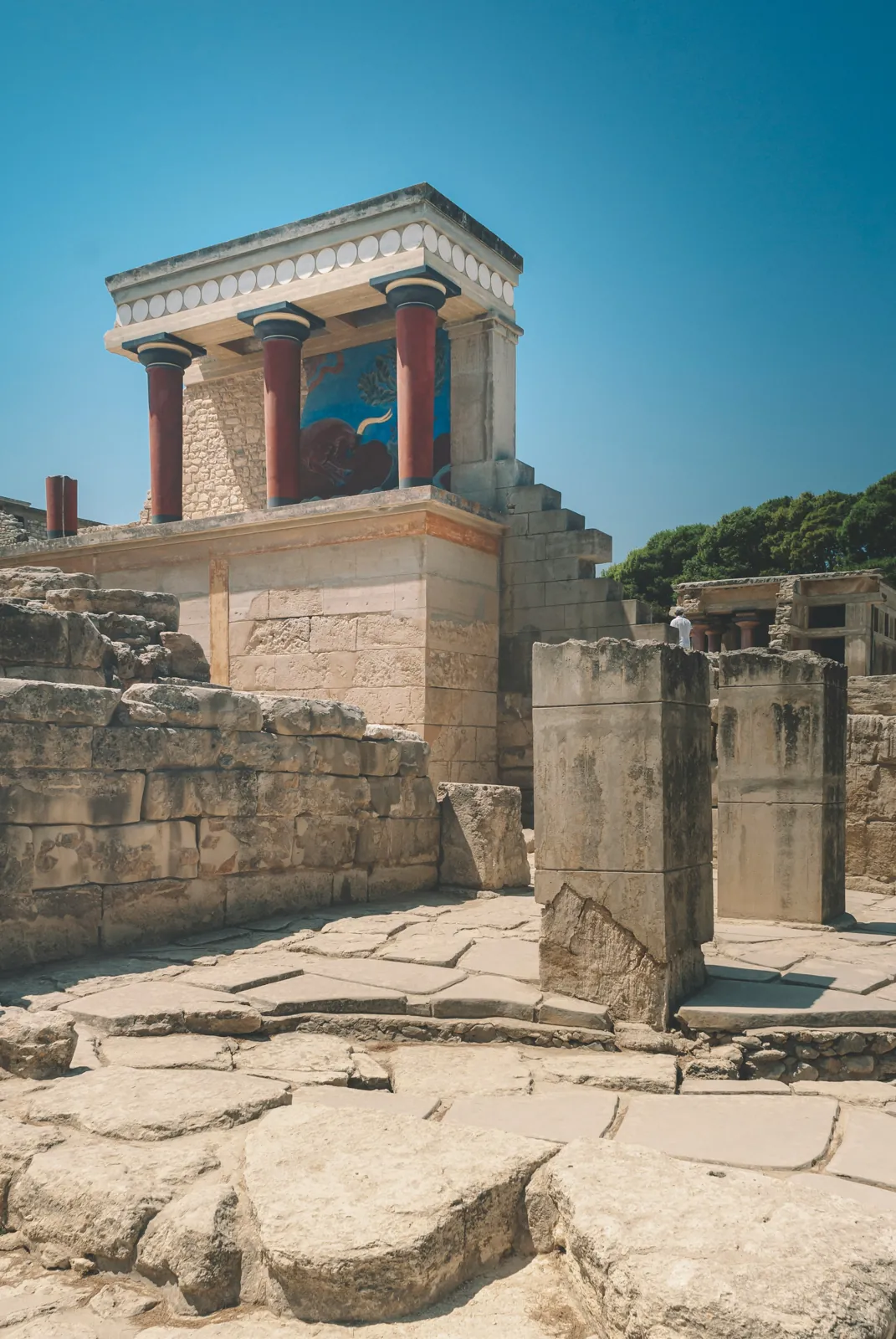
Crete, Greece’s largest island, offers a different historical perspective. It was the center of the Minoan civilization, Europe’s oldest, with archaeological sites such as Knossos and Phaistos. While not as urbanized as Athens, Crete’s towns—Heraklion, Chania, and Rethymno—each have distinctive Venetian, Ottoman, and Greek influences.
Crete’s history reflects a broader Mediterranean tapestry, marked by centuries of conquests and trade, lending a different cultural rhythm compared to the classical austerity of Athens.
Natural Landscapes and Outdoor Activities
Athens: Urban Parks and Coastal Escapes
Despite being a metropolis, Athens offers green spaces such as the National Garden and Lycabettus Hill, where visitors can enjoy panoramic city views. The Athenian Riviera is a short drive away, featuring beaches and seaside towns like Glyfada and Vouliagmeni for relaxation and water sports.
The city’s blend of urban intensity and accessible nature is appealing for travelers wanting a balance between sightseeing and outdoor leisure.
Crete: Mountain Trails and Pristine Beaches
Crete excels in natural beauty, boasting diverse landscapes from rugged mountains and deep gorges (like the famous Samaria Gorge) to crystal-clear beaches and olive groves. Outdoor enthusiasts can hike extensive trails, swim in isolated coves, and visit traditional villages nestled in the hills.
Crete’s natural side provides a more laid-back and scenic experience when compared to Athens’ urban setting.
Logistics: Getting There and Getting Around
Athens is Greece’s main air and sea hub, served by Eleftherios Venizelos International Airport. Flights from the US and Europe are frequent and relatively affordable, ranging roughly from $300 to $700 roundtrip depending on season and departure city.
Within Athens, public transport is well-developed, including buses, trams, and a metro system, allowing easy access to most sites without a car.
Crete has three airports—Heraklion, Chania, and Sitia—serving domestic flights and some European routes. International connections may require a transfer, which can add time and cost (approx. $100-$200 extra from Athens). Renting a car is recommended on Crete for exploring remote beaches and villages; rental costs run about $30-$60 per day.
Seasonality and Climate Considerations
Athens enjoys a Mediterranean climate with hot, dry summers and mild winters. The peak tourist season is June through September, with July and August being the busiest and hottest months, often exceeding 90°F (32°C).
Crete, being further south and more expansive, experiences similar but slightly moderated climate conditions. Its varied terrain means mountain areas are cooler, and coastal zones host pleasant sea breezes. Shoulder seasons (May and September-October) are excellent times for visiting both places with fewer crowds and milder weather.
| Aspect | Athens | Crete |
|---|---|---|
| Cultural Experience | Ancient ruins, museums, lively urban districts | Minoan sites, Venetian architecture, island traditions |
| Natural Attractions | Urban parks, coastal beaches, city views | Mountains, gorges, secluded beaches |
| Transportation | Major airport, public transit, walkable city | Several airports, car rental recommended |
| Cost Range (Accommodation) | $80–$200/night (mid-range hotels) | $60–$150/night (guesthouses, boutique hotels) |
| Best Seasons | Spring and Fall for mild weather | Spring, Fall, and early Summer for fewer tourists |
Typical Costs for First-Time Travelers
- Athens: Daily expenses, including meals and transport, average $70–$120. Entry to major archaeological sites generally costs $20-$30.
- Crete: Slightly more affordable in smaller towns, daily costs tend to range $60–$100. Museum and site entries are usually around $10-$20.
Food in Crete, especially where local ingredients and traditional recipes prevail, is often less expensive and highly rewarding.
Recommended experiences (curated)
Some experiences mentioned here are managed and operated by Elite Greece Travels.
Frequently Asked Questions
Which destination is better for a short visit?
If you have only a few days and want to experience iconic historical sites quickly, Athens is more convenient. Its compact city center and concentration of ancient ruins allow efficient sightseeing.
Is Crete suitable for family travelers?
Yes, Crete offers a variety of family-friendly beaches, nature activities, and safe, slower-paced towns making it an excellent choice for families.
How accessible are archaeological sites in Crete?
Many sites like Knossos near Heraklion are accessible by public bus or taxi, but renting a car provides the best flexibility to explore less accessible locations.
Can I combine both Athens and Crete in one trip?
Absolutely. Many first-time visitors start in Athens and then fly or ferry to Crete to experience both historical and natural highlights. Planning at least 3–4 days per destination is ideal.
What’s the local cuisine like in both places?
Athens offers diverse dining from traditional tavernas to international menus, while Crete is famous for its farm-to-table Greek fare, olive oil, fresh seafood, and local cheeses.
Which is safer for solo travelers?
Both Athens and Crete are generally safe for solo travelers. Athens requires more caution at night and in crowded tourist areas, while Crete’s smaller towns feel less hectic and more relaxed.
Conclusion
Choosing between Athens and Crete depends on your priorities. If your focus is on ancient history, museums, and urban culture, Athens delivers a concentrated and memorable experience. For those seeking natural beauty, a slower pace, and layered island culture, Crete is a compelling choice. Both offer unique gateways into Greek life and history, making either one a rewarding first visit to Greece.