


Why Planning Your Peloponnese Route Without a Pro Is a Gamble is not an exaggeration. The Peloponnese’s sprawling geography and layered history demand more than a generic itinerary. Without expert input, travelers routinely waste days on inefficient routing and overlook the region’s most meaningful sites.
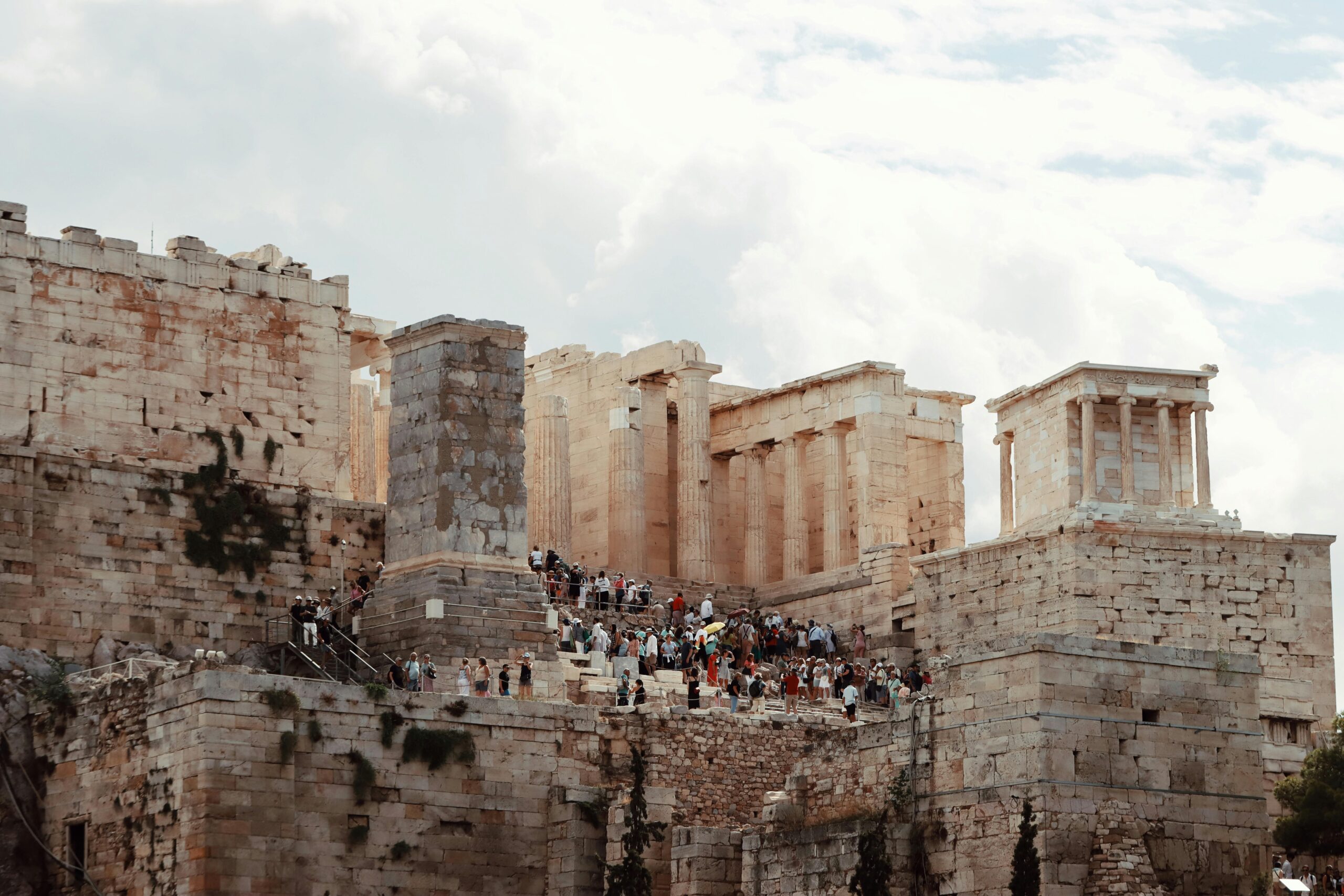
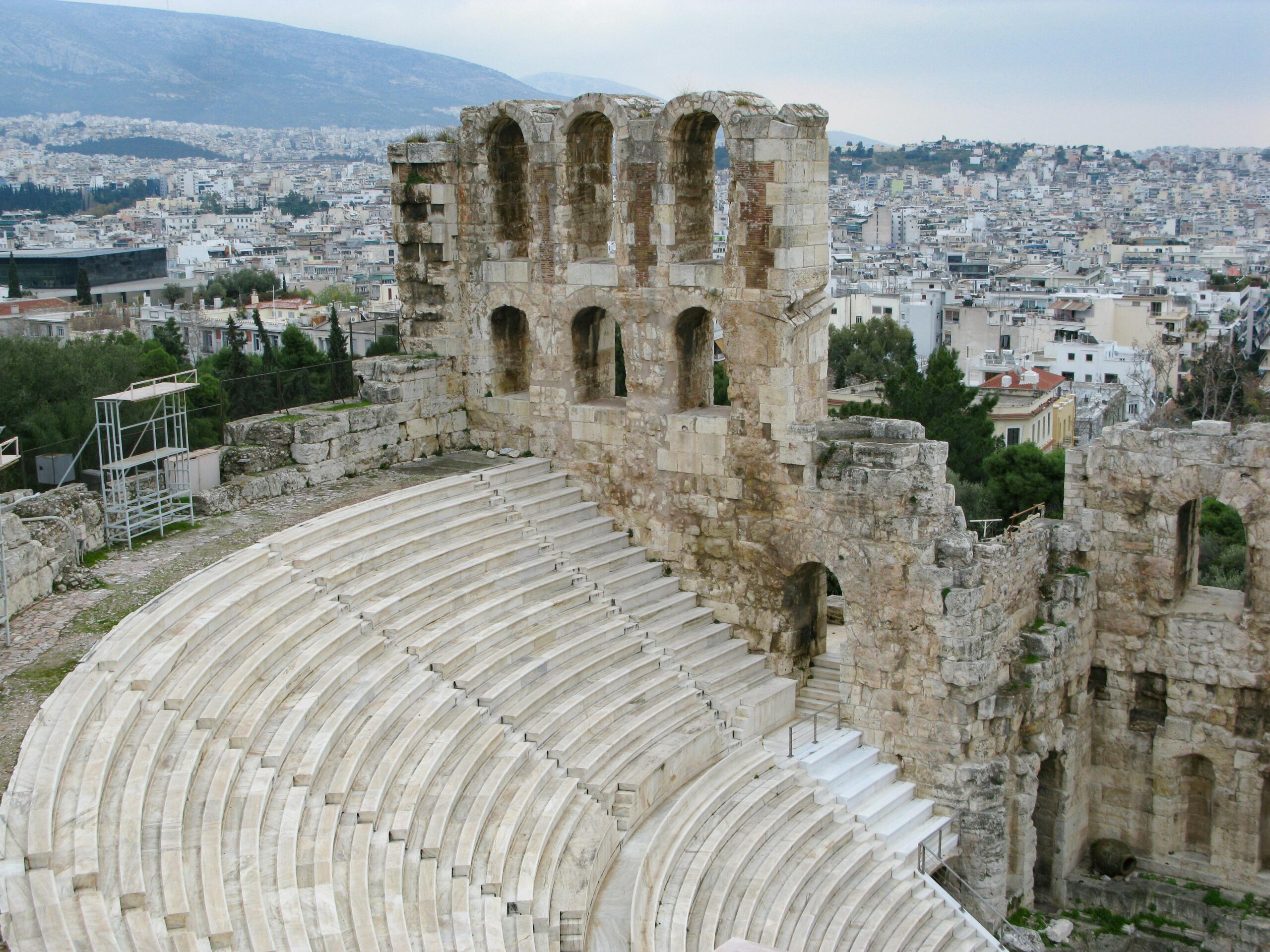
Why Planning Your Peloponnese Route Without a Pro Is a Gamble
Common Mistakes Travelers Make in the Peloponnese
One of the biggest errors is underestimating distances and the time required to move between sites. The Peloponnese is not a compact island; it’s a large peninsula with mountainous terrain and fragmented road networks. Another frequent mistake is lumping all archaeological sites together without understanding their historical context or regional significance. This leads to a checklist approach that misses the narrative thread tying the region’s past to its present.
Key Peloponnese Destinations That Demand Context
Mycenae and Epidaurus are often visited back-to-back, but their historical periods and cultural importance differ drastically. Nafplio, the first modern Greek capital, offers a different vibe compared to the rugged Mani Peninsula, where Byzantine and Ottoman legacies intersect. Olympia’s ancient stadium is world-famous, yet many travelers miss the nearby archaeological museum’s crucial artifacts that explain the site’s role beyond sport. Lastly, Monemvasia’s medieval fortress town requires more than a quick stop; it’s a living monument that reveals layers of Venetian and Byzantine influence.
Why Planning Your Peloponnese Route Without a Pro Is a Gamble: The Hidden Costs
Ignoring professional advice often results in poor sequencing that forces backtracking or skipping key sites due to time constraints. For example, attempting to cover Nafplio, Mycenae, and the Mani Peninsula in a single day is unrealistic and leads to superficial visits. The trade-off is clear: you either see fewer places with depth or many places at a surface level. A pro ensures you gain a coherent experience that respects travel rhythms and local nuances.
Who This Suits—and Who It Doesn’t
The Peloponnese suits travelers who want a blend of history, culture, and nature but are willing to invest time in understanding the region’s complexity. It’s not for those seeking a quick, beach-focused getaway or travelers uncomfortable with driving on rural roads. Families with young children may find the distances and uneven infrastructure challenging. Solo travelers with a strong interest in archaeology and Greek history will find it rewarding if planned correctly.
A Counterintuitive Observation: More Isn’t Always Better
Many travelers believe that ticking off every major site in the Peloponnese equals a successful trip. In reality, focusing on fewer locations with proper context offers a richer experience. Spending two nights in Nafplio and one in Mani reveals more about the region’s soul than rushing through five towns in a week. This approach also reduces travel fatigue and allows for spontaneous discoveries.
Trade-Offs: What You Gain and What You Give Up
Working with a professional planner means you gain a tailored itinerary that balances must-see landmarks with lesser-known spots, maximizing your time and understanding. The trade-off is less flexibility for last-minute changes, but this is a small price for avoiding wasted days and missed opportunities. You also give up the illusion of total independence, but the reality is that the Peloponnese’s complexity demands guidance.
Conclusion
Most Greece trips follow the same tired script. The ones that don’t — the ones travelers still talk about years later — were built around a real understanding of how this country works. That kind of understanding takes time, or it takes someone who already has it.
For a deeper dive into Greece’s cultural heritage, the
Ministry of Culture offers authoritative resources. Additionally, the official tourism portal provides practical updates but lacks the nuanced insight a professional planner brings.
Frequently asked questions
Is the Peloponnese suitable for first-time visitors to Greece?
Yes, but only if they allocate enough time and avoid trying to cover too much ground. The region’s size and diversity require careful planning to avoid rushed visits.
Can I explore the Peloponnese without renting a car?
Public transport is limited and infrequent outside major towns. Renting a car or hiring local drivers is essential for accessing most sites efficiently.
What is the best time of year to visit the Peloponnese?
Spring and autumn offer mild weather and fewer tourists. Summer can be very hot and crowded, especially in coastal towns like Nafplio.
Are the archaeological sites in the Peloponnese accessible year-round?
Most sites are open year-round but check for seasonal closures or maintenance. Winter visits may have shorter opening hours.
Why is professional help recommended for planning a Peloponnese trip?
Because the region’s dispersed sites and complex history require a tailored itinerary that optimizes time and enhances understanding, which is difficult to achieve without expert knowledge.
Can I combine a Peloponnese trip with Athens easily?
Yes, but sequencing is critical. Athens deserves separate time, and jumping back and forth without a plan leads to wasted travel time.
Are there any hidden costs travelers overlook when planning their Peloponnese route?
Yes, including unexpected travel time between sites, entrance fees, and the need for local guides at certain archaeological locations to fully appreciate their significance.