

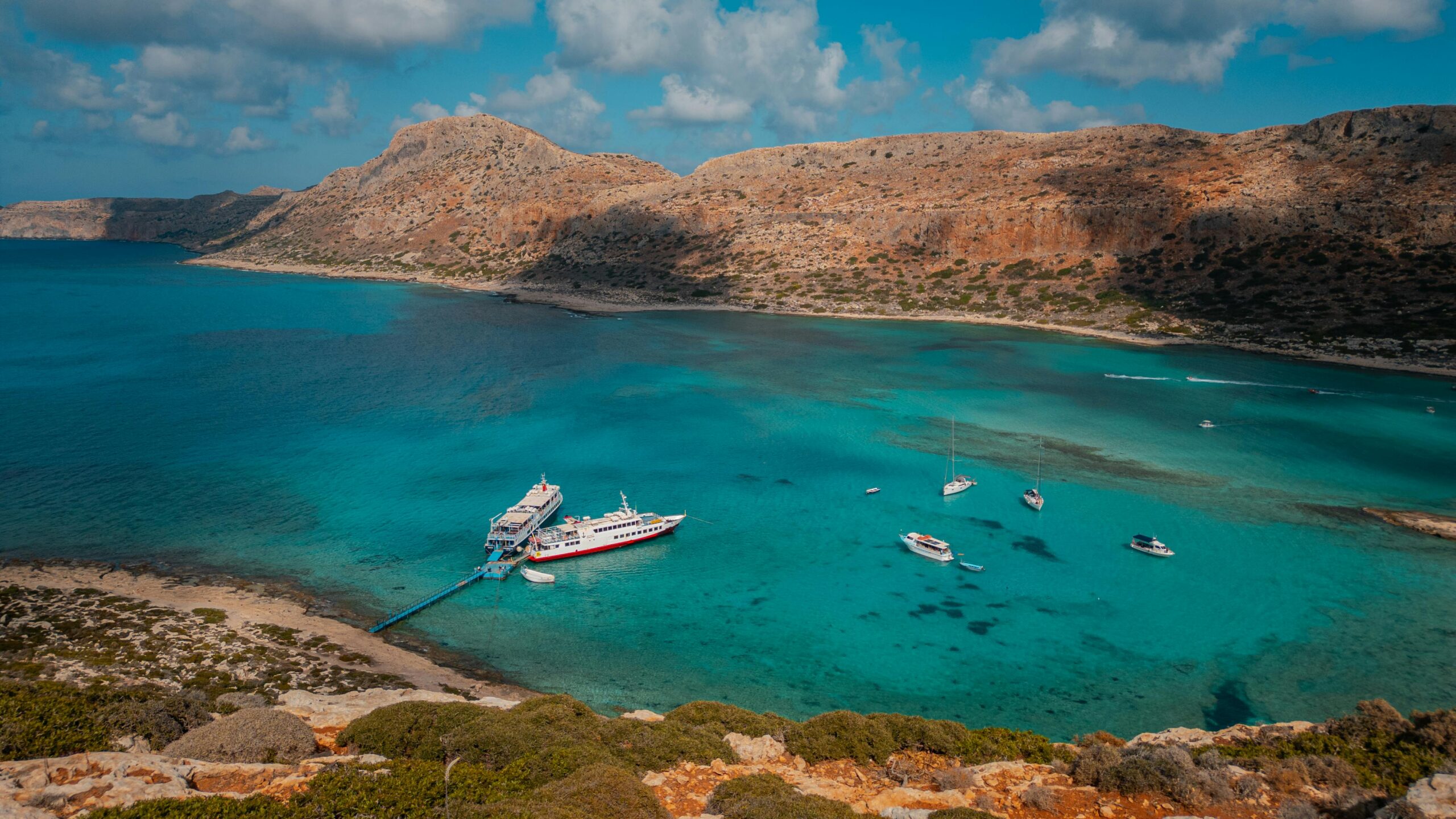
Rhodes vs. Crete: Why Your Island Choice Will Define Your Greece Trip’s Soul is not just a debate about size or history. It’s about the rhythm, the pace, and the practical realities that will shape your entire experience. Picking the wrong island for your travel style ends up wasting days, energy, and patience—issues rarely discussed in tourist brochures.
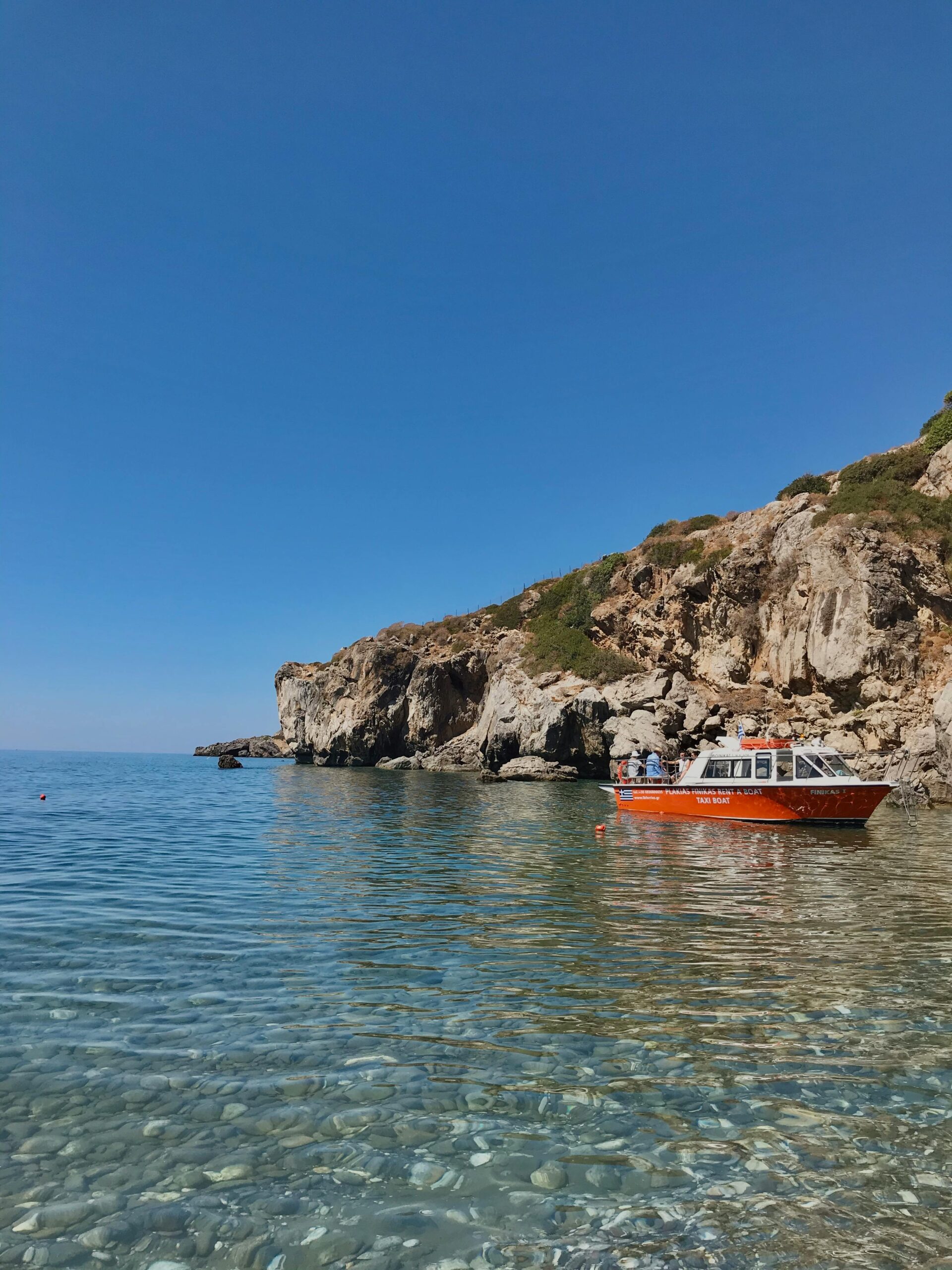

Rhodes vs. Crete: Why Your Island Choice Will Define Your Greece Trip’s Soul
What This Comparison Really Means: Beyond Geography and History
Both Rhodes and Crete boast impressive histories and large landmasses, but the similarity ends there. Crete is vast—think of it as a small country—with sprawling mountain ranges, diverse microclimates, and a fragmented infrastructure that demands more time and planning. Rhodes, by contrast, is more compact, with a well-trodden tourist circuit centered around its medieval Old Town and southern beaches.
Choosing between them isn’t about picking the “better” island; it’s about aligning the island’s character with how you want to travel, what you want to do, and how much logistical complexity you’re willing to handle.
Who Wins: Crete for Explorers, Rhodes for Relaxers
If your trip’s soul thrives on variety and discovery, Crete is your island. Its size and range of landscapes—from the Samaria Gorge to Elafonisi Beach—offer authentic encounters but require a car and a flexible schedule. You’ll spend hours driving between highlights, so this island rewards travelers with at least a week on hand and a tolerance for unpredictable road conditions.
Rhodes, on the other hand, suits travelers who want a concentrated experience with fewer moving parts. Its Old Town, a UNESCO World Heritage site, offers a dense dose of history and nightlife without long transfers. Rhodes is the better choice if your trip duration is under a week or if you prefer less driving and more time in one place.
The Emotional Reality: Crete’s Wildness vs. Rhodes’ Accessibility
Crete feels like a country with a pulse of its own—sometimes raw, sometimes chaotic. Villages are remote, roads are narrow, and services outside main towns can be patchy. You don’t visit Crete for a polished tourist experience; you visit it to engage with a varied landscape and a culture that resists standardization.
Rhodes feels more like a resort island with historical flair. Its infrastructure is tourist-ready, and you’ll rarely be more than 30 minutes from amenities. This accessibility can feel comforting or bland, depending on your expectations.
Specific Places that Define Each Island
On Crete, places like Chania and Rethymno show off Venetian architecture alongside rugged mountain villages. The archaeological site of Knossos is a must for history buffs willing to navigate crowds early in the day. For a cultural touchpoint, check out the Greek Ministry of Culture for current exhibitions and events.
Rhodes’ Old Town is a fortress of medieval streets and Ottoman influences, ideal for travelers who want to stay central. The beach at Lindos offers a more laid-back vibe but lacks the wildness of Crete’s coastline. If your interests lean toward well-curated museums, the Acropolis Museum in Athens is a better day trip hub from Rhodes than Crete.
Ferry Sequencing and Island Combinations Matter
One common mistake is choosing Rhodes and Crete together without considering ferry routes. They do not connect directly, forcing travelers to return to Athens or Santorini first, which wastes precious days. If you want both, plan your itinerary so Crete follows or precedes islands on the southern Cyclades route, while Rhodes fits better with the Dodecanese cluster. This sequencing avoids backtracking and maximizes your time.
Who Should Avoid Each Island
Crete is a poor choice for travelers who want a laid-back, no-driving vacation on a single beach or town. The island demands active engagement and patience with infrastructure. Rhodes is not suited for those craving raw nature or off-the-beaten-path experiences; it’s a commercialized island that can feel overrun during peak weeks.
Rhodes vs. Crete: Why Your Island Choice Will Define Your Greece Trip’s Soul — The Final Take
Crete wins for travelers who see a trip as an expedition—prepared to spend days driving, exploring, and peeling back layers of culture and landscape. Rhodes wins for those who want a concentrated, straightforward experience with fewer surprises and less travel fatigue.
Planning your Greece trip is not just about ticking islands off a list; it’s about sequencing your journey to match your energy and interests. Most travelers pick between these two based on what they’ve seen online. The ones who get it right pick based on where they’re coming from, where they’re going next, and how they actually travel when they’re tired on day five. That gap between imagined travel style and real travel behavior is where most Greece trips go wrong.
Frequently asked questions
Which island is better for a first-time visitor to Greece, Rhodes or Crete?
Rhodes is generally better for first-time visitors who prefer a manageable size, easy access to historical sites, and tourist-ready infrastructure. Crete requires more planning and stamina due to its size and varied terrain.
Can I visit both Rhodes and Crete in one trip without losing time?
Visiting both islands in one trip usually wastes days due to ferry routing. They are not directly connected by ferry, so combining them requires backtracking through Athens or another hub, which is inefficient.
Is Crete suitable for travelers who want a relaxing beach holiday?
Crete’s beaches range from busy tourist spots to remote wild stretches, but the island’s size and infrastructure mean you’ll likely need to drive significant distances. It’s less about a single beach resort and more about variety.
Are Rhodes’ historical sites accessible without a car?
Yes. Rhodes’ Old Town and nearby beaches are accessible on foot or by short taxi rides, making it suitable for travelers who want to minimize driving.
Does Rhodes get crowded during peak season?
Yes, especially in the Old Town and popular beach areas during July and August. Travelers with low tolerance for crowds should avoid peak weeks or choose Crete’s less touristy areas instead.
What is a surprising challenge when traveling in Crete?
Despite being a major tourist island, Crete’s internal transport and road infrastructure can be unpredictable, with narrow mountain roads and limited public transit options, which many travelers underestimate.
Which island pairs better with Athens for a multi-destination trip?
Rhodes pairs better with Athens if your schedule involves limited island hopping because of better flight connections and simpler ferry routes. Crete requires more careful sequencing if combined with Athens and other islands.