

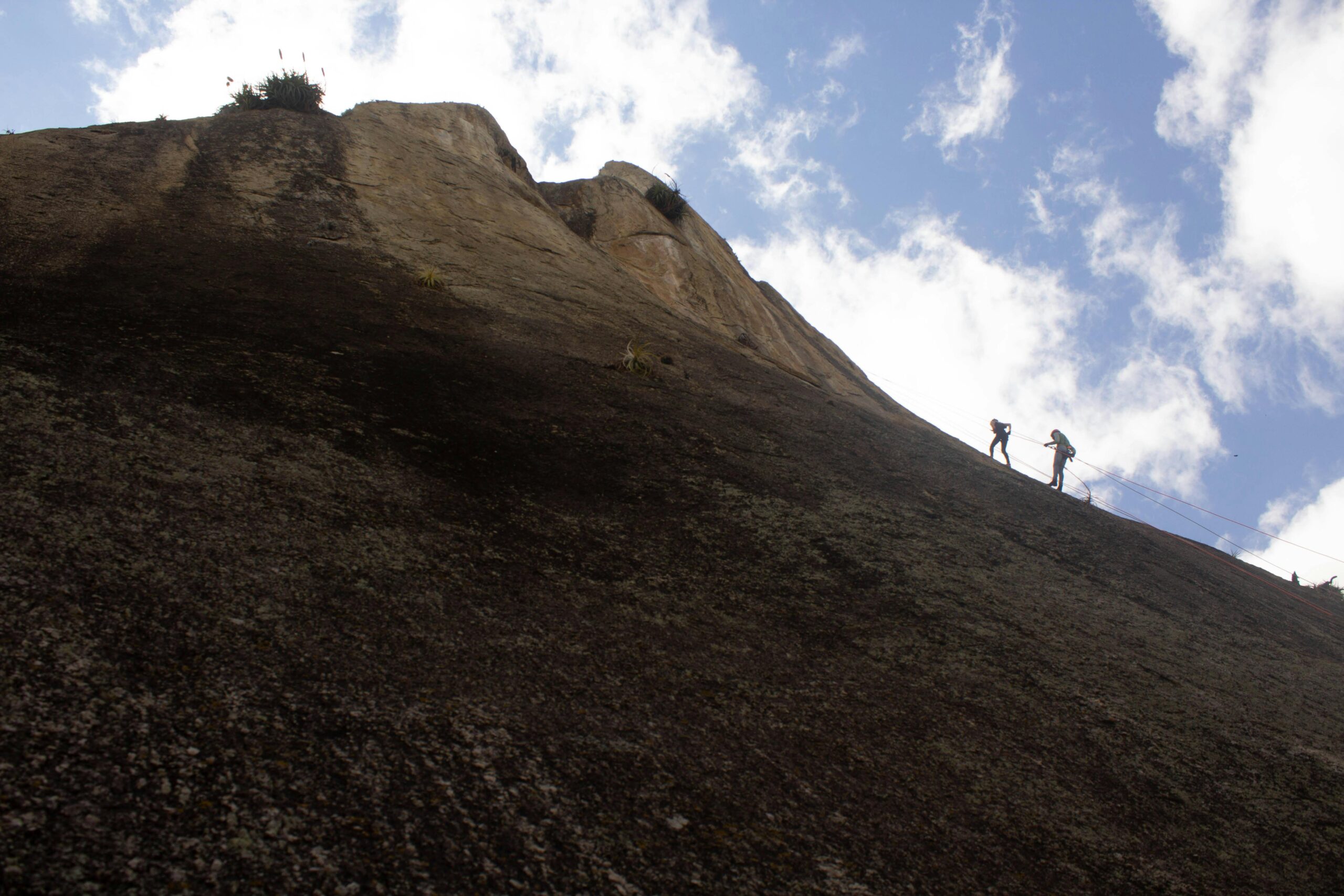
Why Planning a Trip to Meteora Without Local Insight Is a Recipe for Frustration is an essential truth that many travelers ignore at their peril. This unique region demands more than a generic itinerary; the intricate balance of timing, access, and viewpoint selection can make or break the entire visit.
Ignoring these factors often leads to wasted time, missed experiences, and an overall sense of disappointment that is entirely avoidable with the right guidance.
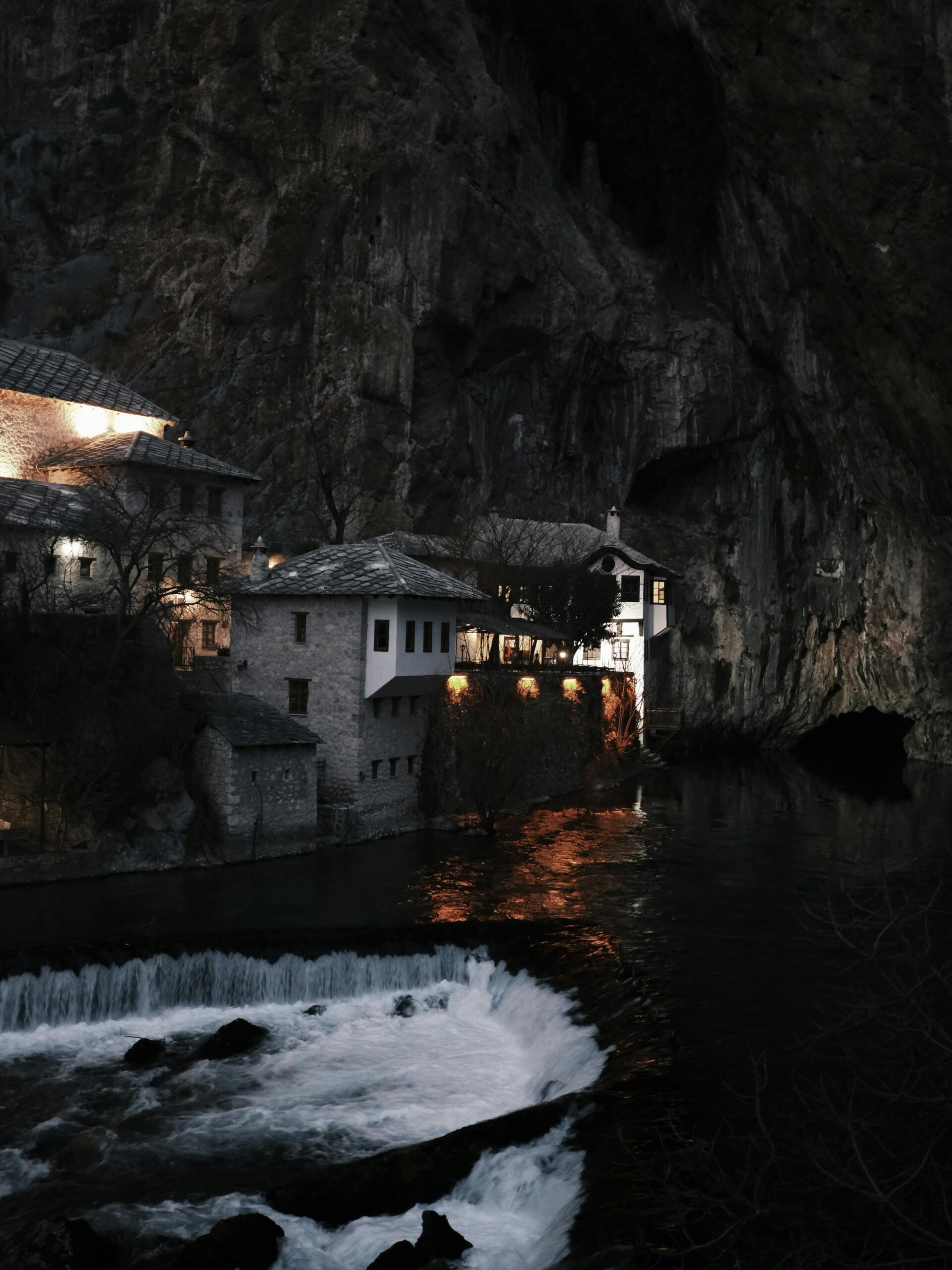
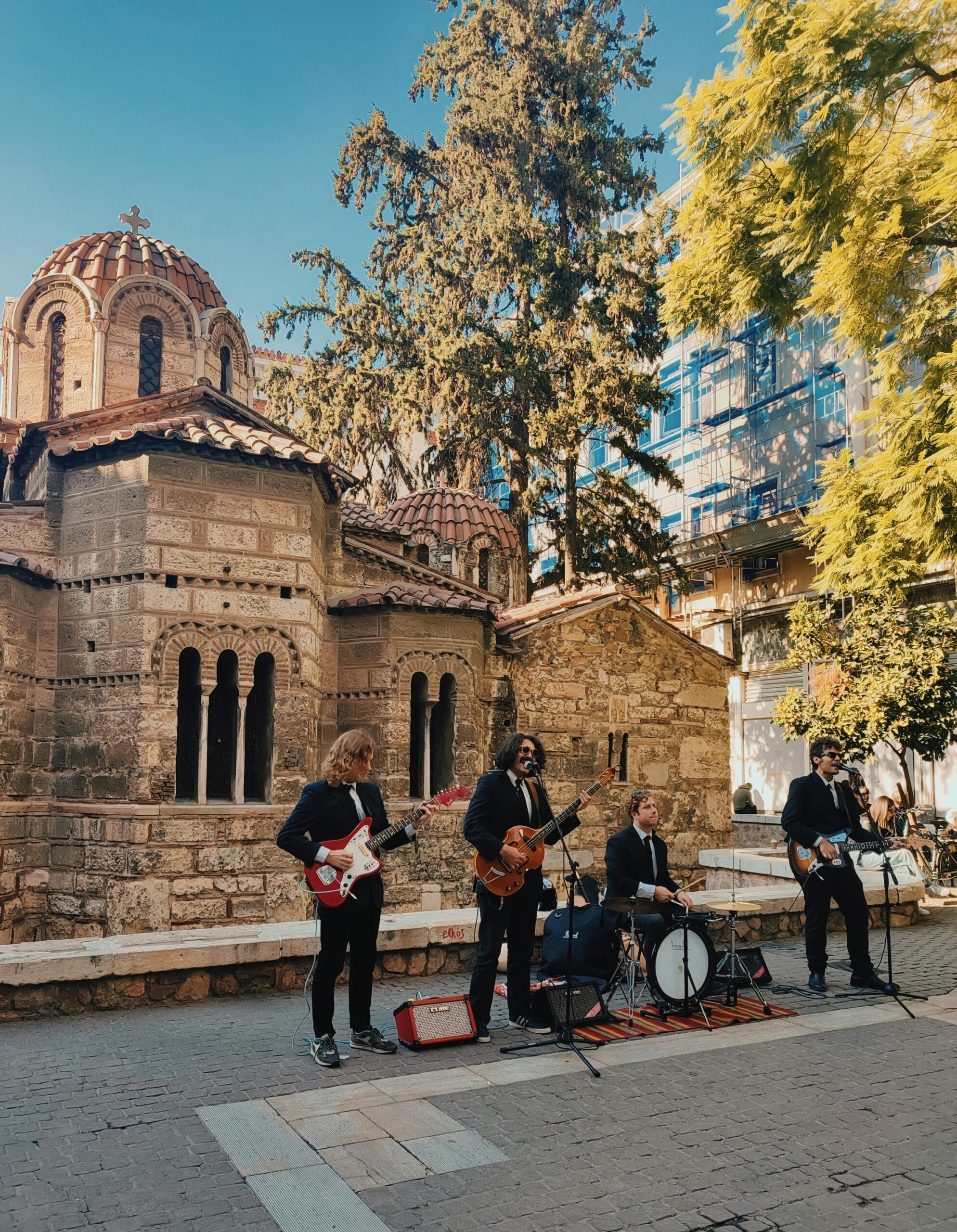
Why Planning a Trip to Meteora Without Local Insight Is a Recipe for Frustration
Common Mistakes Travelers Make in Meteora
One of the biggest errors is underestimating how the timing of visits to the monasteries affects both crowd levels and light quality for viewing. Most visitors aim for midday, which coincides with peak crowds and harsh sunlight that dulls the landscape’s natural drama. Another frequent mistake is focusing solely on the six primary monasteries, overlooking the less-visited but equally impressive sites like the Monastery of St. Nicholas Anapausas or the Hermitage of St. Barlaam. This tunnel vision leads to repetitive experiences and limits the full scope of Meteora’s appeal.
The Critical Role of Local Insight in Meteora
Why Planning a Trip to Meteora Without Local Insight Is a Recipe for Frustration becomes obvious when you consider the region’s complex geography and access restrictions. Local experts know which trails to use, when to visit certain viewpoints for panoramic shots, and how to avoid the midday crush. Without this, visitors often get stuck in the same overcrowded spots, missing out on quieter, more evocative locations. The local perspective also helps navigate the seasonal closures and religious calendars that affect monastery openings—details rarely spelled out in generic guides.
Key Meteora Sites and Areas Beyond the Main Monasteries
Besides the well-known monasteries of Great Meteoron and Varlaam, travelers should not overlook Kastraki village, which offers authentic local atmosphere and access to lesser-known hiking paths. The town of Kalambaka serves as the base for most visitors but can be noisy and touristy; knowing when and where to explore nearby villages can enhance the experience. The Devil’s Tower viewpoint provides a dramatic panorama often missed by casual tourists. Finally, the natural rock formations on the eastern side present an entirely different perspective of Meteora’s geology and solitude.
Who This Suits and Who It Doesn’t
Meteora suits travelers who value cultural depth, physical activity, and quiet contemplation. Hikers, history enthusiasts, and photographers find the experience rewarding when properly planned. Conversely, those seeking a purely relaxed, resort-style vacation or who have mobility issues will likely find Meteora frustrating and physically demanding. The steep climbs, uneven paths, and limited transport options make it unsuitable for travelers expecting easy, all-inclusive convenience.
A Counterintuitive Observation About Peak Season
Contrary to popular belief, the summer high season is the worst time to visit Meteora if your goal is to experience its grandeur in peace. Spring and autumn offer not only fewer crowds but also more dramatic weather conditions that enhance the landscape’s visual impact. The trade-off is cooler temperatures and the possibility of rain, but the payoff is a richer, less commercialized visit. Ignoring this often leads travelers to overcrowded sites and an underwhelming experience.
Trade-offs: What You Gain and What You Give Up
Engaging local expertise and traveling off-peak means you gain access to secluded viewpoints, personalized routes, and a deeper understanding of Meteora’s cultural fabric. You also avoid the stress of long lines and lost time. The trade-off is less flexibility to move at your own pace and potential inconvenience around monastery opening hours or weather conditions. Without accepting these trade-offs, you risk a superficial visit that fails to justify the effort to reach Meteora.
Planning with the Big Picture in Mind
Understanding Meteora’s place within broader Greek culture and history enriches the visit. Resources such as the
Ministry of Culture and the official Greece tourism site offer valuable context but don’t replace hands-on local insight. Combining these resources with on-the-ground knowledge is the only way to avoid the common pitfalls and truly appreciate Meteora’s significance.
Conclusion
Most Greece trips follow the same tired script. The ones that don’t — the ones travelers still talk about years later — were built around a real understanding of how this country works. That kind of understanding takes time, or it takes someone who already has it.
Recommended experiences
Some experiences mentioned here are curated and managed by Elite Greece Travels.
- Greece 7 Day Itinerary Athens Delphi Meteora Santorini — Itinerary (managed by Elite Greece Travels).
- Athens Meteora Olympia Delphi Itinerary 7 Days — Itinerary (managed by Elite Greece Travels).
- Athens Meteora Santorini Itinerary 7 Days — Itinerary (managed by Elite Greece Travels).
Frequently asked questions
What is the best time of year to visit Meteora?
Spring and autumn are the best seasons for visiting Meteora due to fewer tourists, better lighting conditions, and more dramatic weather that enhances the landscape’s appeal.
Are all Meteora monasteries open year-round?
No, monastery opening times vary by season and religious holidays. Some close for extended periods, so local insight is critical to plan visits accordingly.
Is Meteora suitable for travelers with limited mobility?
Meteora’s terrain is steep and involves uneven paths and staircases, making it unsuitable for travelers with mobility challenges.
Can I visit Meteora without a local guide?
While possible, visiting without local guidance often results in missing key viewpoints, poor timing, and crowded experiences.
What areas around Meteora offer authentic local experiences?
Villages like Kastraki and smaller monasteries beyond the main six provide less touristy, more authentic cultural experiences.
How crowded does Meteora get during peak season?
During summer months, Meteora can become very crowded, particularly at the main monasteries and popular viewpoints, which diminishes the experience.