

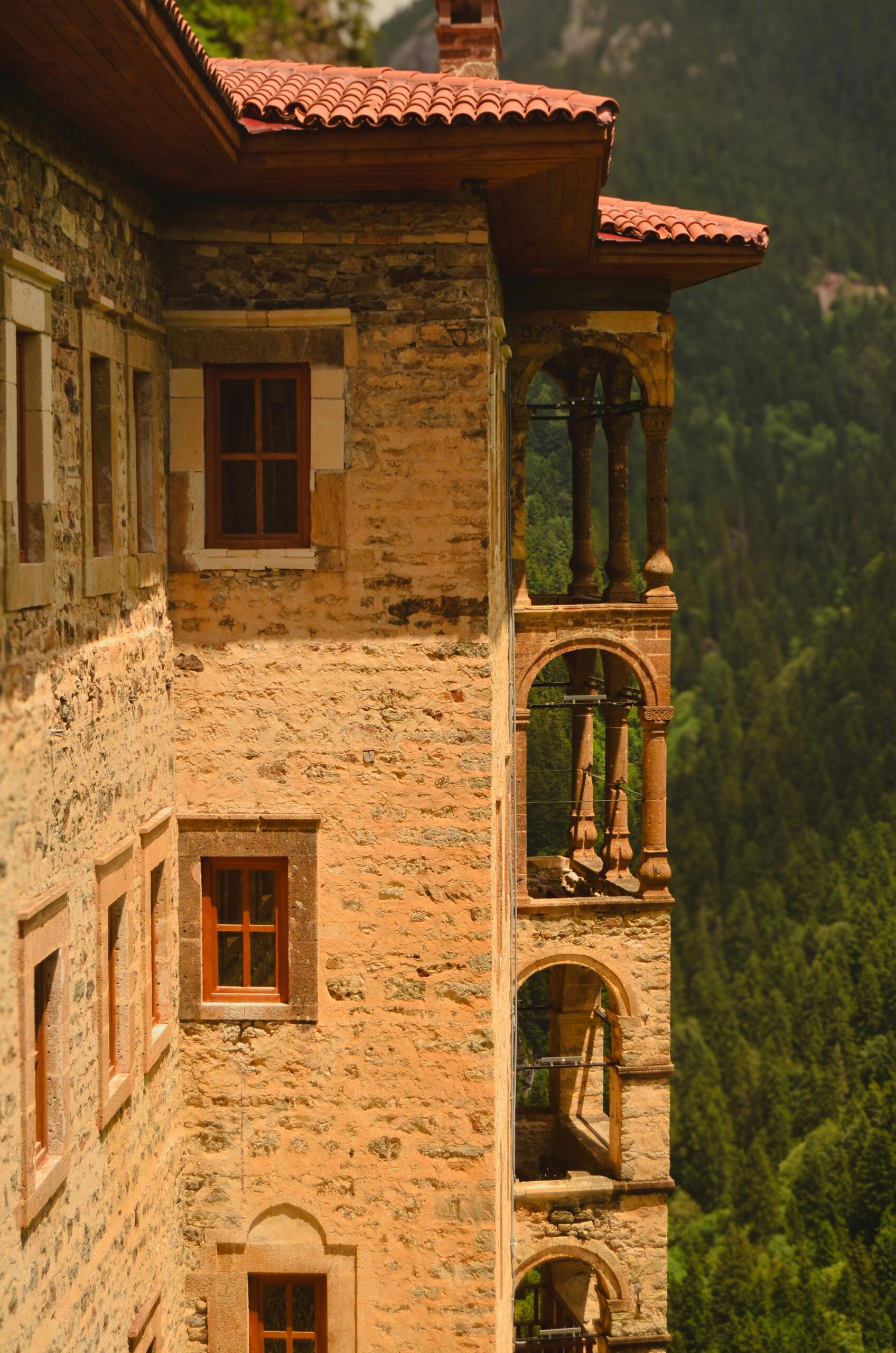
Why Planning a Trip to Meteora Without a Pro Is a Risky Gamble is something many travelers overlook until they face the reality on the ground. Meteora’s unique geography and dispersed monasteries require more than casual planning to navigate efficiently and meaningfully. Without expert insight, visitors often waste time, miss key sites, or get stuck in tourist bottlenecks.
Why Planning a Trip to Meteora Without a Pro Is a Risky Gamble
Common Misconceptions That Undermine Your Meteora Experience
Many travelers assume Meteora is a straightforward day trip from Thessaloniki or Athens, but this underestimates the complexity of the site’s layout and transport options. Another frequent mistake is believing all monasteries are equally accessible and open year-round. These errors lead to rushed visits and missed opportunities to appreciate the cultural and historical depth of each monastery.
Key Meteora Sites That Demand Nuanced Planning
The six active monasteries—Great Meteoron, Varlaam, Rousanou, St. Nicholas Anapausas, Holy Trinity, and St. Stephen—are spread across challenging terrain. Each offers a distinct atmosphere and historical significance. The village of Kalambaka serves as the main gateway, but staying here without local guidance can mean long, inefficient transfers. Nearby Kastraki offers a quieter base with better access to hiking trails, while the less-visited Agios Nikolaos area provides a glimpse of Meteora’s natural landscape away from crowds.
Why Planning a Trip to Meteora Without a Pro Is a Risky Gamble: The Logistics Challenge
Transport between monasteries is limited and often irregular. Public buses run infrequently, and taxis can be expensive and hard to secure last minute. Many travelers underestimate the time needed to hike between sites or fail to account for monastery opening hours, which vary by season and day of the week. Without a professional planner, you risk spending your time waiting or missing monasteries entirely due to poor sequencing.
Who This Suits: Matching Meteora to Traveler Types
Meteora is ideal for travelers who value history, religious architecture, and natural scenery but have patience for physical activity and some logistical complexity. It is less suited for those expecting a fully accessible, luxury experience or travelers with tight schedules and no flexibility. Families with small children or mobility issues will find the terrain and monastery access challenging without tailored arrangements.
A Counterintuitive Observation: Peak Season Isn’t Always Best
Contrary to popular belief, visiting Meteora in peak summer months often detracts from the experience. The influx of day-trippers from cruise ships and tour buses overwhelms the narrow paths and monastery entrances. Off-season visits in late spring or early autumn offer a more contemplative atmosphere and better access, but require careful planning to avoid closures and limited services. This trade-off is rarely communicated clearly to first-time visitors.
Trade-offs: What You Gain and What You Give Up With Expert Planning
Using a professional planner ensures you gain access to lesser-known monasteries, optimal timing to avoid crowds, and local insights on cultural events or restoration work that might affect visits. The trade-off is often a higher upfront cost and less spontaneity. However, the alternative is a fragmented itinerary that wastes time and leaves you with a superficial understanding of Meteora’s significance.
Conclusion
Greece rewards travelers who arrive with a plan built around how they actually travel — not a generic template. The difference between a frustrating trip and a remarkable one often comes down to sequence, timing, and knowing which trade-offs matter for your situation.
For deeper context on Greece’s cultural heritage beyond Meteora, the
Ministry of Culture provides authoritative resources. For broader travel inspiration and official updates, Visit Greece remains the best starting point.
Recommended experiences
Some experiences mentioned here are curated and managed by Elite Greece Travels.
- Greece 7 Day Itinerary Athens Delphi Meteora Santorini — Itinerary (managed by Elite Greece Travels).
- Athens Meteora Olympia Delphi Itinerary 7 Days — Itinerary (managed by Elite Greece Travels).
- Athens Meteora Santorini Itinerary 7 Days — Itinerary (managed by Elite Greece Travels).
Frequently asked questions
Is it possible to visit Meteora without a guide?
Yes, but without a guide or professional planner, you risk inefficient routing, missing monastery opening hours, and not fully understanding the historical context.
Which monasteries in Meteora are must-sees?
Great Meteoron and Holy Trinity are often considered essential due to their size and historical importance, but a professional can help you decide based on your interests and timing.
When is the best time to visit Meteora to avoid crowds?
Late spring and early autumn offer fewer tourists and better weather, but require planning around monastery schedules and potential weather-related trail conditions.
Are the monasteries accessible for travelers with mobility issues?
Most monasteries involve stairs and uneven paths, making access difficult without special arrangements or support.
Can I rely on public transport to get around Meteora?
Public transport is limited and often unreliable for visiting multiple monasteries in a day. Hiring a local driver or arranging a guided tour is more effective.
Do all monasteries open every day?
No, each monastery has specific opening days and hours, often closing on religious holidays or certain weekdays.
Is it better to stay in Kalambaka or Kastraki?
Kalambaka is more developed and convenient but crowded; Kastraki offers a quieter base closer to hiking trails but fewer amenities.