

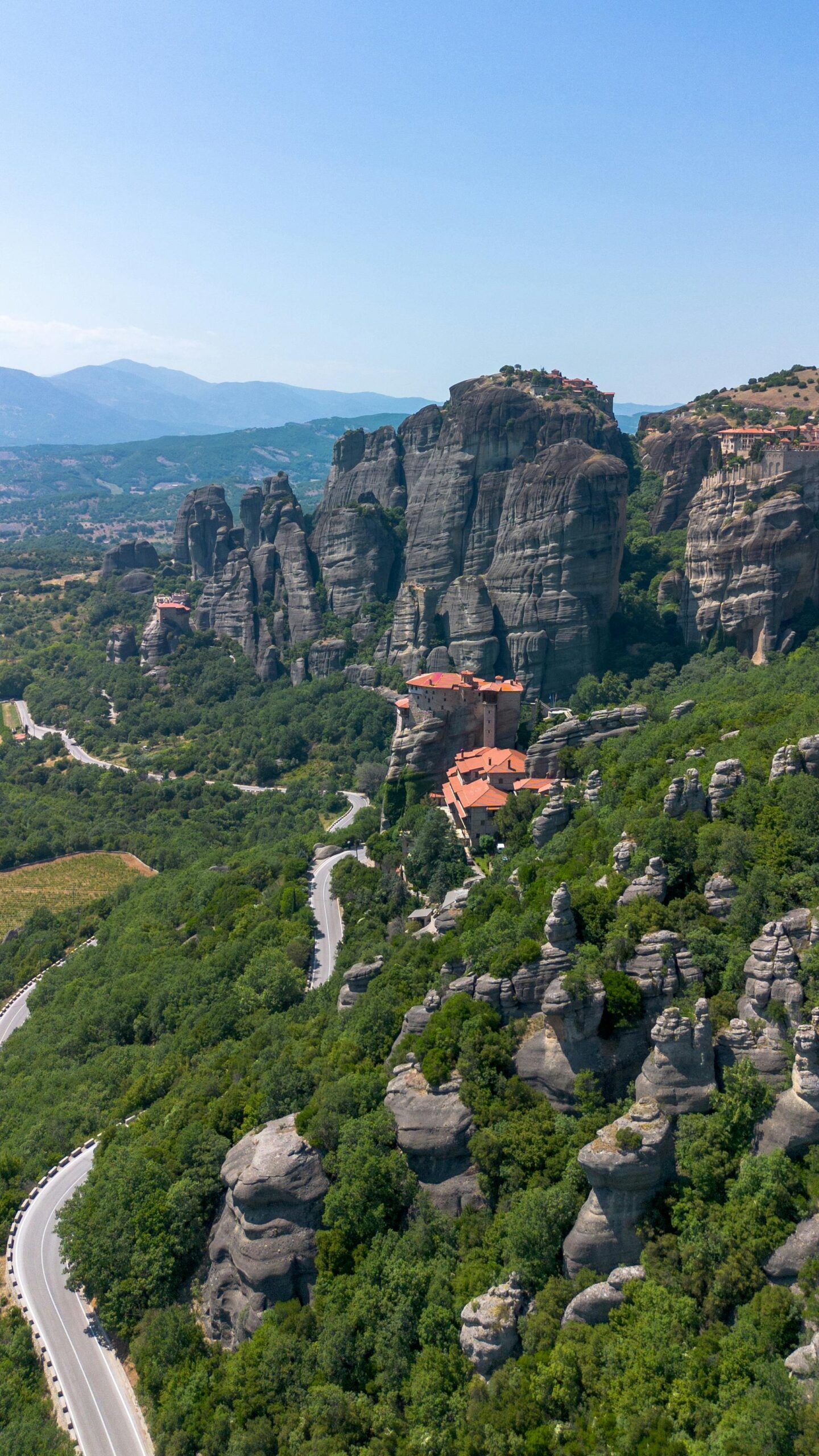
Why Planning a Meteora Visit Without a Pro Risks Missing Its Spiritual Depth is something every traveler should know before arriving. Meteora is often treated as just a backdrop for photos or a checklist item, but its monasteries and their history demand more than surface-level attention. Without local insight, most visitors leave without understanding what makes Meteora truly unique.
Why Planning a Meteora Visit Without a Pro Risks Missing Its Spiritual Depth
Common Mistakes Travelers Make in Meteora
First, many visitors underestimate how strict the monastery visiting hours and dress codes are. Arriving unprepared leads to frustration and missed opportunities. Second, people often cram all monastery visits into a single day, ignoring the spiritual atmosphere that requires time and reflection. These mistakes reduce Meteora to a rushed photo stop rather than a meaningful encounter.
The Four Key Monasteries and Their Distinct Characters
The six active monasteries are not interchangeable. Great Meteoron is the largest and richest in history. Varlaam is known for its frescoes but is smaller and less frequented. Rousanou appeals to those seeking easier access but offers a different spiritual vibe. Agios Nikolaos Anapafsas is more remote, with fewer tourists, and offers a quieter experience. Understanding these differences is essential to avoid a generic itinerary.
Why Planning a Meteora Visit Without a Pro Risks Missing Its Spiritual Depth: Timing and Context Matter
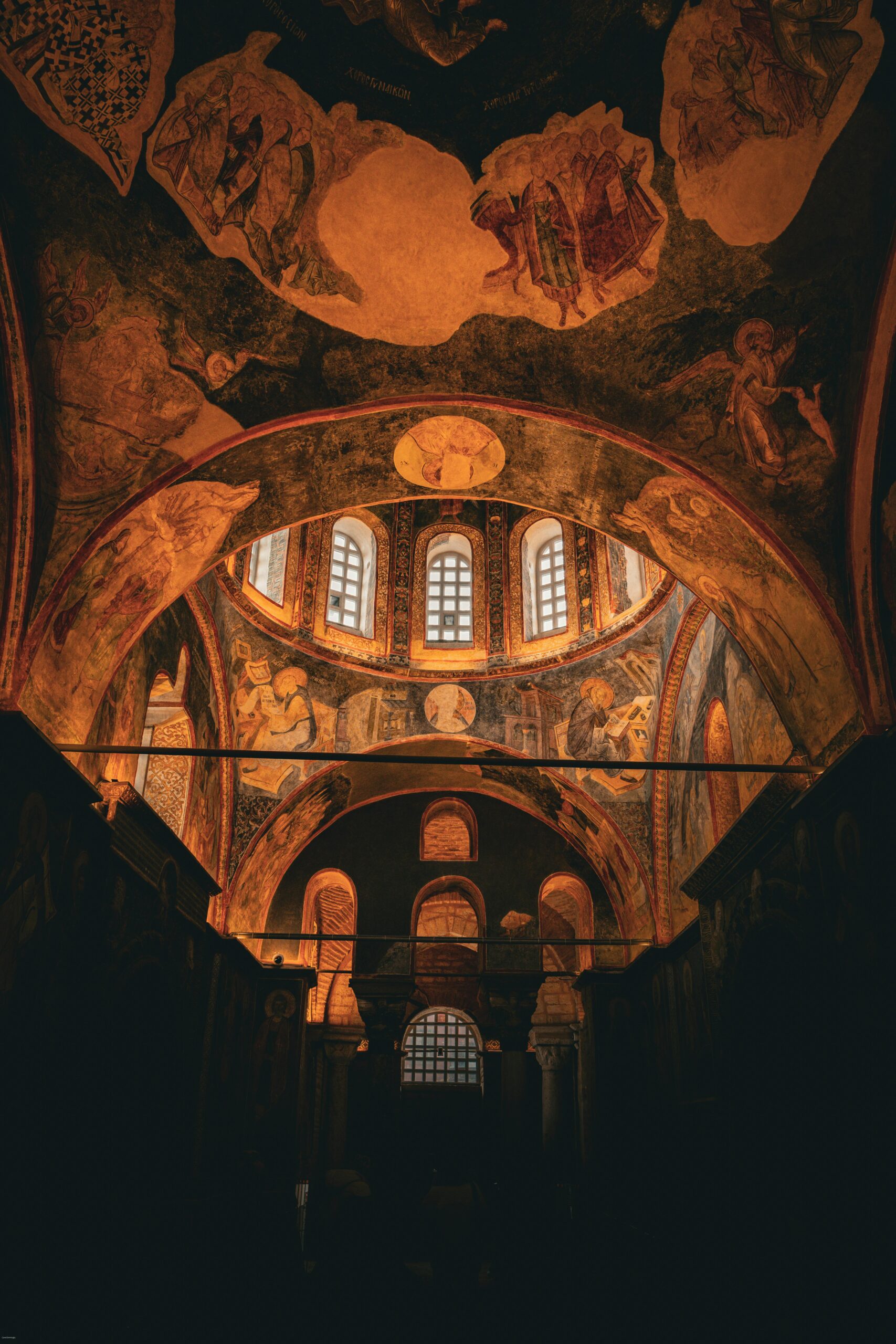
Visits during peak mid-day hours guarantee crowds and noise. Early morning or late afternoon visits reveal the monasteries’ true ambiance, with natural light enhancing frescoes and fewer tourists interrupting silence. Local experts coordinate visits around religious services or quieter periods, which most travelers miss entirely. This timing is crucial to experience the spiritual intent behind these sites.
Counterintuitive Reality: More Monasteries Don’t Mean More Spirituality
Contrary to popular belief, visiting all monasteries in one trip dilutes the experience. The spiritual depth is in the contemplative moments, not quantity. Spending extended time at fewer monasteries allows one to sense the monastic lifestyle and historical layers. This approach contrasts sharply with the typical tourist checklist mentality but yields a far richer understanding.
Trade-offs: What You Gain and Lose Without Expert Guidance
With a local professional, you gain access to nuanced historical context, off-hours visits, and respect for religious customs that most travelers overlook. You also avoid logistical pitfalls like closed days or overcrowded routes. The trade-off is that you must surrender the illusion of spontaneity or DIY freedom, which often results in inefficient scheduling and missed spiritual opportunities.
Who This Suits: Defining the Ideal Meteora Traveler
Meteora is best suited for travelers who have patience, respect for religious tradition, and an interest in history and culture beyond the surface. It is not ideal for party seekers, casual sightseers, or those on extremely tight schedules. Solo travelers with a background in Orthodox Christian history or art will find it particularly rewarding. Families with young children might find the steep climbs and quiet atmosphere challenging.
Contextualizing Meteora Within Greece’s Wider Cultural Landscape
Meteora’s monasteries are a living part of Greece’s Orthodox heritage, much like the artifacts housed at the
Greek Ministry of Culture and the collections at the Acropolis Museum. Understanding Meteora requires positioning it within this broader religious and artistic tradition rather than isolating it as a standalone spectacle.
Conclusion
Most Greece trips follow the same tired script. The ones that don’t — the ones travelers still talk about years later — were built around a real understanding of how this country works. That kind of understanding takes time, or it takes someone who already has it.
Recommended experiences
Some experiences mentioned here are curated and managed by Elite Greece Travels.
- Classic Meteora Hike Monastery Visit — Tour (managed by Elite Greece Travels).
- Greece 7 Day Itinerary Athens Delphi Meteora Santorini — Itinerary (managed by Elite Greece Travels).
- Athens Meteora Olympia Delphi Itinerary 7 Days — Itinerary (managed by Elite Greece Travels).
Frequently asked questions
Is it necessary to hire a guide to visit Meteora?
While not mandatory, a guide provides essential context, helps with monastery schedules and dress codes, and unlocks the spiritual meaning behind the sites.
Can I visit all Meteora monasteries in one day?
Attempting to visit all monasteries in one day usually results in a rushed experience and misses the contemplative aspect that defines Meteora.
What is the best time of day to visit Meteora monasteries?
Early morning or late afternoon visits offer a quieter, more reflective atmosphere and better lighting for appreciating the frescoes.
Are Meteora monasteries accessible for travelers with mobility issues?
Many monasteries involve steep climbs and uneven paths, making access difficult for travelers with mobility challenges.
Do Meteora monasteries have restrictions on visitor clothing?
Yes, modest dress is strictly enforced: long sleeves and skirts or pants covering the knees are required for both men and women.
Is photography allowed inside the monasteries?
Photography is generally prohibited inside the monasteries to preserve the sanctity and condition of the frescoes.
How does Meteora’s spiritual significance compare to other Greek religious sites?
Meteora is unique because it combines natural geological formations with monastic life, representing a unique expression of Orthodox spirituality not found elsewhere in Greece.