

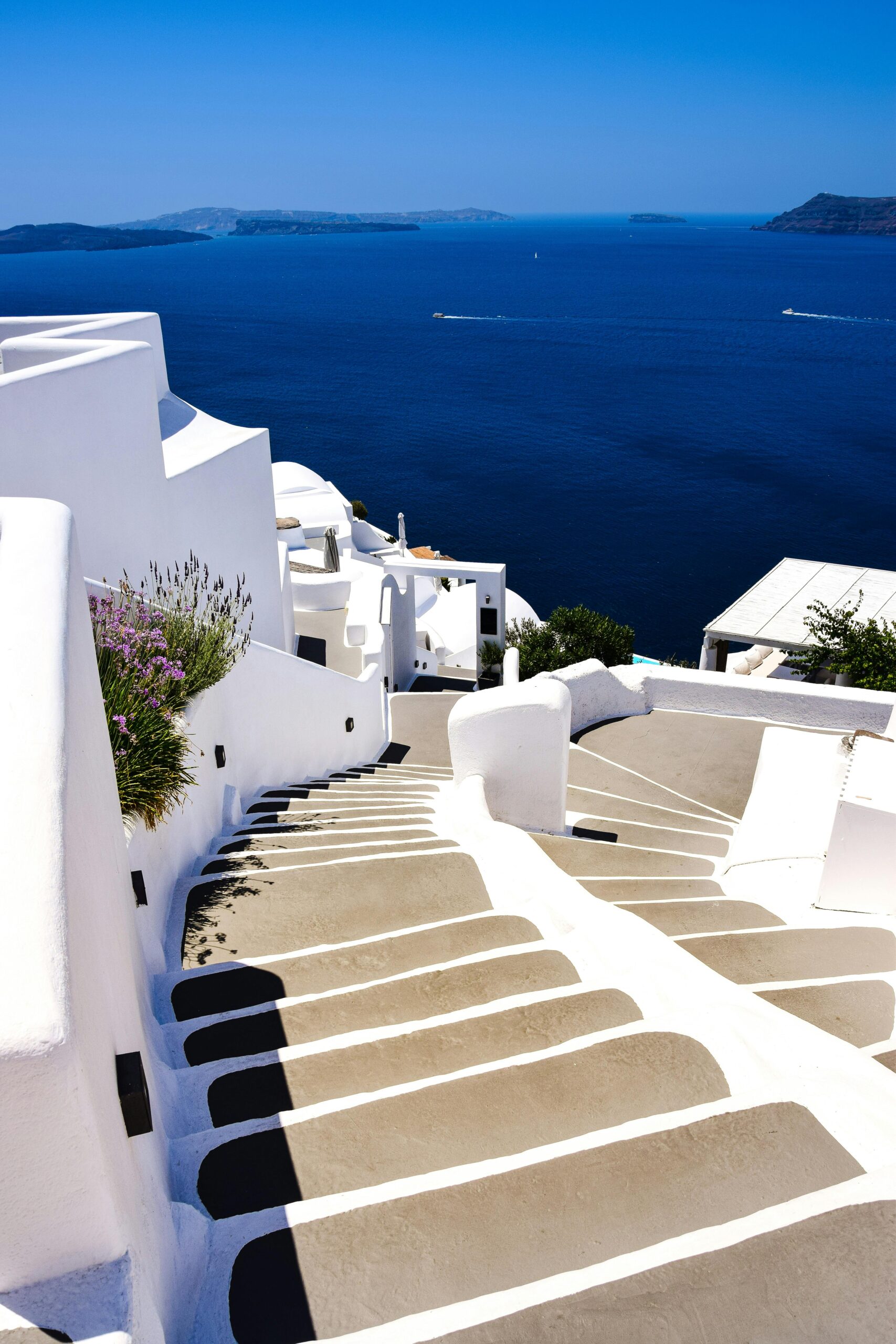
Why Santorini Is Harder to Plan Well Than It Looks is simple to explain and hard to fix after the fact: the island is small, but the difference between a good stay and a frustrating one comes down to where you base yourself, what time of year you go, and how much crowd pressure you are willing to tolerate. Travelers see a compact island and assume it is easy to “figure out later.” That is usually where the trouble starts.
The most common mistake is treating Santorini like a one-size-fits-all destination. It is not. The island can feel elegant and efficient in one area, then overrun, noisy, and badly paced a few minutes away. Why Santorini Is Harder to Plan Well Than It Looks is really a warning about matching the island’s geography to your travel style before you book anything.
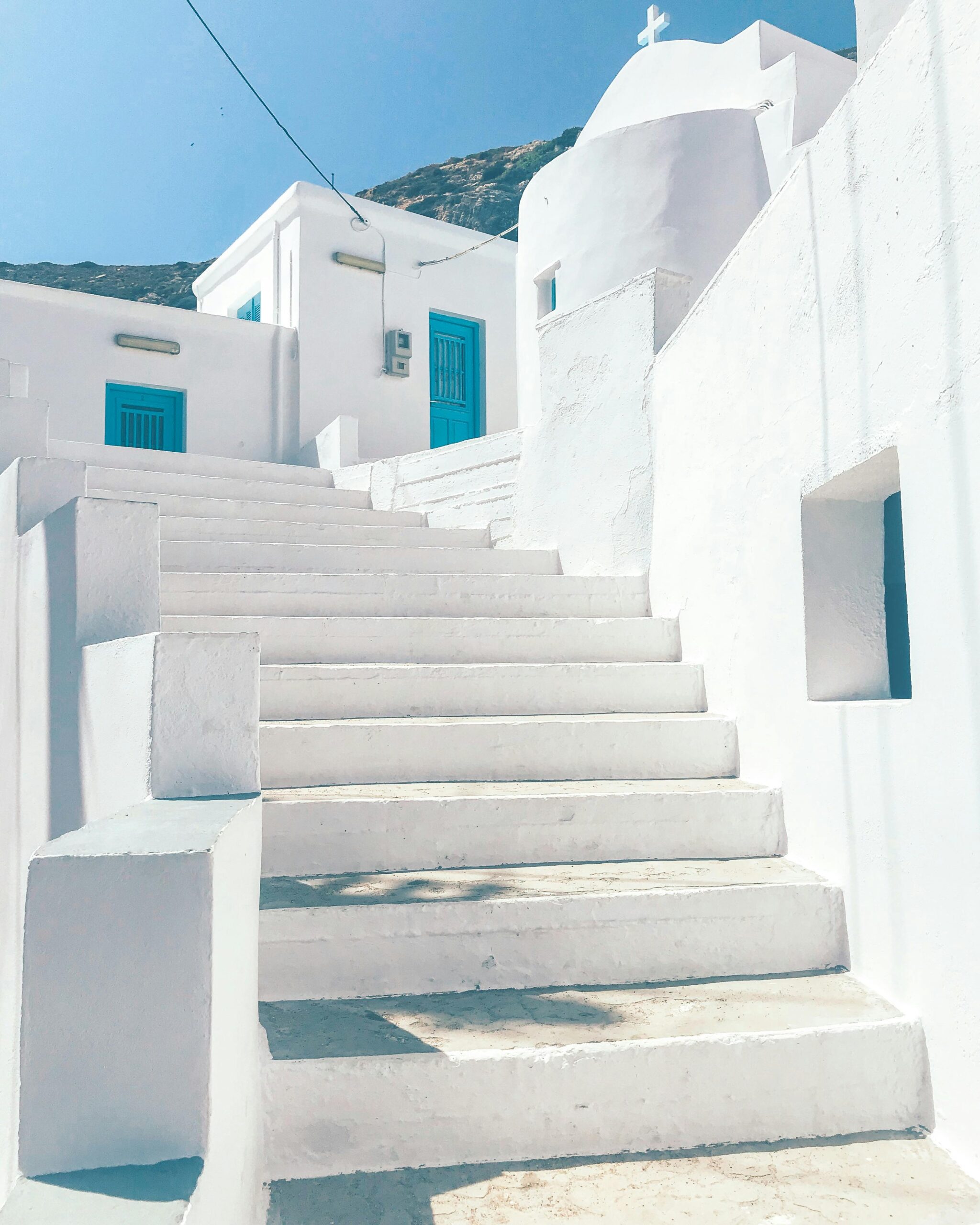
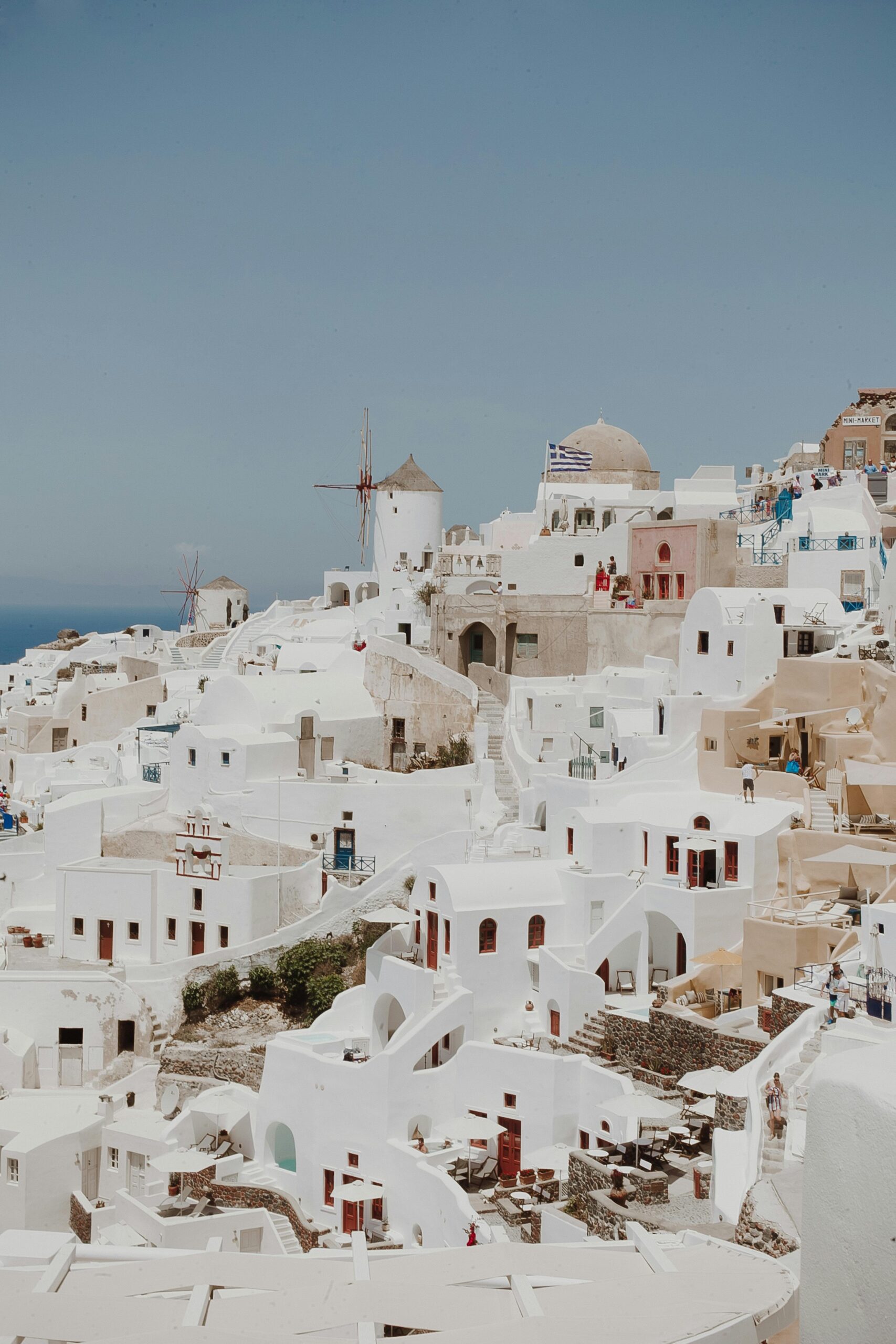
Why Santorini Is Harder to Plan Well Than It Looks
I take a clear position on Santorini: if you choose the wrong base or the wrong season, the island will feel expensive and underwhelming. That is not a matter of taste; it is a planning failure. Santorini is small enough to look simple, but the island’s actual experience is divided into very different zones with very different outcomes.
Why Santorini Is Harder to Plan Well Than It Looks becomes obvious the moment travelers try to force a relaxed holiday into the most crowded parts of the caldera. They book for the view, then complain about the noise, the foot traffic, and the constant sense that every meal and photo spot is being shared with everyone else on the island. The island is not broken; the planning is.
Why Santorini Is Harder to Plan Well Than It Looks in practice
The first thing travelers get wrong is assuming the caldera view is automatically the best choice. It is the most famous choice, not the best one for every traveler. If you want quiet mornings, easier movement, and less social pressure around every dinner reservation, the caldera edge can be a poor fit in peak months.
The second mistake is underestimating how much the island changes by neighborhood. Oia, Imerovigli, Fira, Firostefani, Akrotiri, and Pyrgos are not interchangeable labels on a map. They produce very different trips, and the wrong match creates friction fast.
Oia is the obvious choice for first-timers who want the classic Santorini image and can tolerate heavy foot traffic. Fira is more practical, busier, and less polished in feel, which suits travelers who want energy and easier access to services. Imerovigli is the strongest base for couples who want caldera views without the same level of pressure, while Firostefani sits in a middle ground that many travelers overlook because it lacks the instant name recognition.
Akrotiri is where you go if you care more about space, archaeology, and a calmer pace than about being in the postcard zone. Pyrgos works for travelers who want a more traditional village feel and do not need to stare at the caldera every hour. That trade-off matters more than people realize, because a beautiful room in the wrong area can still make the trip feel awkward.
The two planning mistakes that cause the most regret
One mistake is booking a stay based only on photos of the view. A caldera-facing property can be excellent, but the view often comes with higher prices, more steps, more exposure to crowd flow, and less privacy than travelers expect. People pay for the image, then discover they are living inside the island’s busiest corridor.
The other mistake is treating shoulder season as a guarantee of calm. Santorini in April, May, late September, and October can be excellent, but those months are not all equal. Early spring can feel sparse and weather-sensitive, while late season can still be crowded in the most famous areas even when the island looks quieter on paper.
Why Santorini Is Harder to Plan Well Than It Looks is also about timing your expectations correctly. Travelers who want long beach days and a relaxed, low-stress rhythm often do better elsewhere in the Cyclades. Santorini is strongest for dramatic views, dining, design-forward hotels, and short, selective stays — not for people who want a broad, easygoing island holiday.
Places that shape the trip more than people expect
Oia is the most photographed and the most unforgiving if you dislike crowds. It is excellent for travelers who want the classic caldera experience and are willing to accept that they are not the only ones doing so. It is a poor choice for anyone who gets irritated by traffic, queues, or a constant stream of day visitors.
Imerovigli is the smartest caldera base for travelers who want the view without the same level of chaos. Fira is better for people who want more dining options and a more active atmosphere, but it is not the place for a serene escape. Firostefani is often the best compromise for couples who want access to the caldera edge without being in the thickest part of it.
Akrotiri and Pyrgos are the names people should consider more often than they do. Akrotiri gives you breathing room and access to a different side of the island, while Pyrgos feels more rooted and less performative. If a traveler says they want “authentic Santorini” but only looks at Oia, they are usually describing a contradiction, not a plan.
For travelers who want to understand the island’s cultural context beyond the resort layer, official resources like the Hellenic Ministry of Culture are worth checking before you lock in your priorities. Santorini is not just a view platform; it sits inside a much deeper Cycladic history, and that matters if you care about more than a sunset.
The counterintuitive truth about the island
The most surprising thing about Santorini is that the “best” trip is often not the one with the most famous view. In peak periods, the view can become a liability because it concentrates attention, noise, and expectation into the same small zones. Travelers who choose a less obvious base often report a better overall trip, even if their room photo looks less impressive.
That is the part people resist, because they assume the island’s value is entirely visual. It is not. Santorini works best when the stay is matched to the traveler’s tolerance for crowds, steps, and constant activity. Why Santorini Is Harder to Plan Well Than It Looks is really a lesson in not letting the postcard make decisions for you.
Who this suits
Santorini suits couples, design-conscious travelers, and people who want a concentrated, high-impact stay rather than a sprawling island holiday. It also suits travelers who are comfortable paying more for a specific atmosphere and who are realistic about what that money buys. If you want a short trip with strong visual identity and good dining, Santorini can still deliver.
It does not suit travelers who want quiet beaches as the main event, large groups trying to do everything cheaply, or anyone who gets stressed by crowd density. Families can enjoy Santorini, but only if they choose the right area and accept that some parts of the island are not built for easy, free-flowing movement. Travelers who need spontaneity should be careful; Santorini punishes vague planning.
- You gain a strong sense of place, excellent hotel design, and a clear choice between lively and quiet bases.
- You give up price flexibility, easy crowd avoidance in peak season, and the freedom to make last-minute decisions without consequences.
That trade-off is why Why Santorini Is Harder to Plan Well Than It Looks matters so much. The island can be excellent, but only when the stay is built around the version of Santorini you actually want, not the one social media keeps selling.
For broader destination context and seasonal perspective,
Visit Greece is useful as a starting point, but it will not make the hard choices for you. That is the real job here: deciding whether you want the iconic version of Santorini, the calmer version, or a compromise that does not leave you annoyed halfway through the trip.
What travelers consistently underestimate
People underestimate how much the island’s mood changes with location. A room in Oia and a room in Pyrgos are not just different addresses; they create different daily routines, different levels of friction, and different reasons to leave or stay put. If you choose badly, you spend too much time compensating for the base instead of enjoying the island.
They also underestimate how quickly Santorini can feel crowded once the famous areas fill up. A traveler who only knows the island from photos often expects privacy and calm by default. In reality, those things are earned through careful selection, not guaranteed by the destination name.
That is why Why Santorini Is Harder to Plan Well Than It Looks is not a dramatic claim. It is a practical one. Santorini is manageable only when the planning is specific, and the consequences of getting it wrong are immediate: overspending, overexposure to crowds, and a stay that feels more performative than enjoyable.
Conclusion
My advice is straightforward: stop planning Santorini around the view alone. Start with the kind of trip you actually want, then choose the area that supports it, not the one that photographs best. That one decision changes everything.
Most Greece trips follow the same tired script. The ones that don’t — the ones travelers still talk about years later — were built around a real understanding of how this country works. That kind of understanding takes time, or it takes someone who already has it.
Recommended experiences
Some experiences mentioned here are curated and managed by Elite Greece Travels.
- Athens Milos Santorini Itinerary 9 Days — Itinerary (managed by Elite Greece Travels).
- Greece 7 Day Itinerary Athens Delphi Meteora Santorini — Itinerary (managed by Elite Greece Travels).
- Santorini Sunset Cruise With Dinner In The Caldera — Cruise (managed by Elite Greece Travels).
Frequently asked questions
Why is Santorini harder to plan well than it looks?
Because the island is small but highly segmented. The wrong neighborhood, season, or pace can turn a high-end trip into a crowded, overpriced one.
What are the most common mistakes travelers make in Santorini?
They book for the view only, and they assume the island will feel calm everywhere. Both assumptions lead to disappointment, especially in peak months.
Which areas of Santorini are best for a quieter stay?
Imerovigli, Firostefani, Akrotiri, and Pyrgos are usually better bets than Oia if you want less pressure and a more controlled pace.
Is Oia worth staying in?
Yes, if you want the classic caldera image and accept heavy foot traffic. No, if you want privacy, flexibility, or a low-stress atmosphere.
When is Santorini easiest to plan?
Late spring and early autumn are usually the most workable periods, but the island still needs careful base selection. Shoulder season reduces pressure; it does not eliminate it.
Who should avoid Santorini?
Travelers who want quiet beaches, cheap flexibility, or a loose, spontaneous island holiday often do better elsewhere in Greece.
What is the smartest way to approach Santorini planning?
Decide first whether you want caldera drama, a calmer base, or a traditional village feel. Then choose the area that matches that goal instead of defaulting to the famous name.