

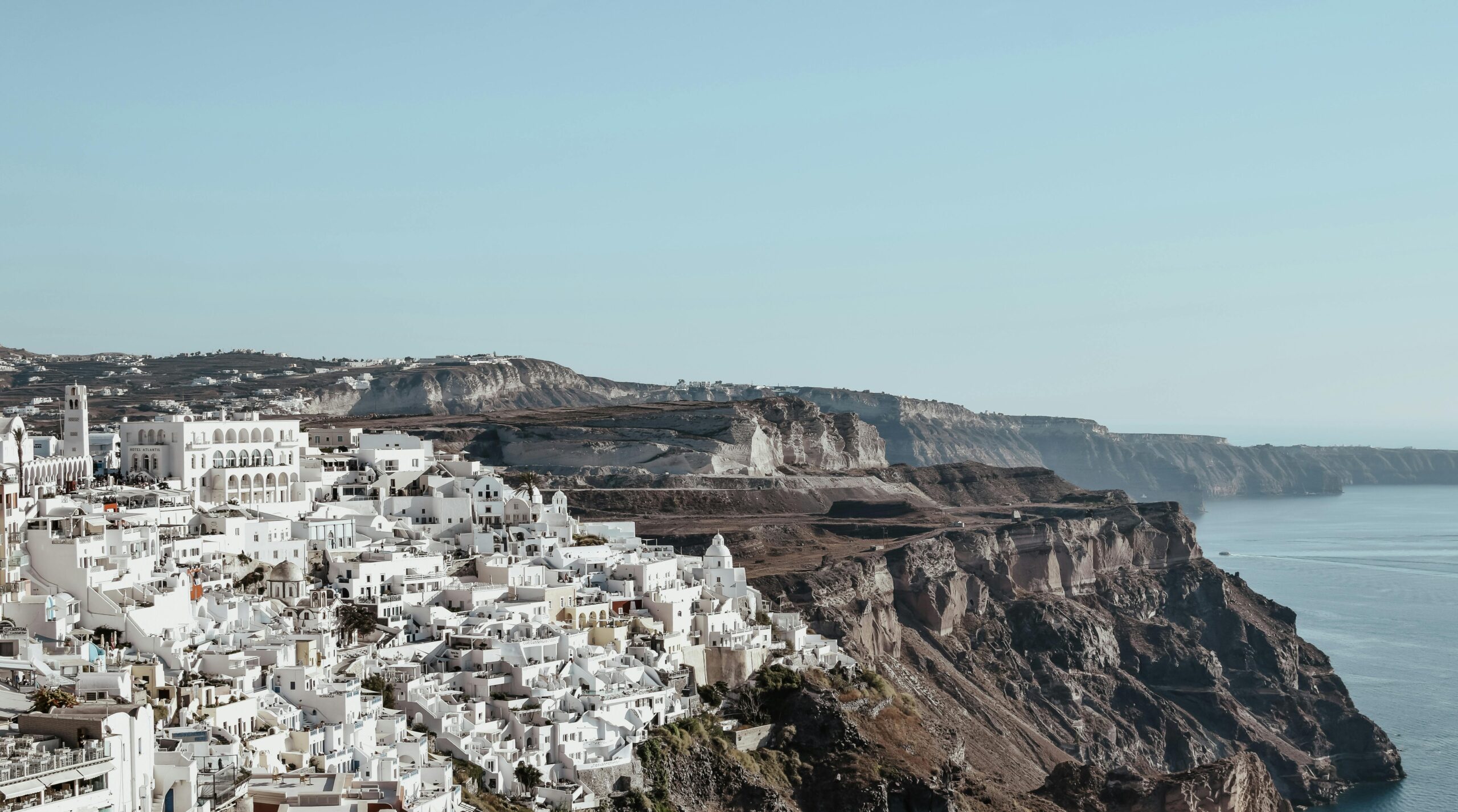
Why Most First-Timers to Santorini Leave Slightly Disappointed usually comes down to one thing: they arrive expecting a private, cinematic version of the island and find a very public one instead. The disappointment is rarely about Santorini being bad. It is about the mismatch between a highly edited image and the reality of a place that is heavily visited, heavily photographed, and under constant pressure in peak season.
People do not choose Santorini by accident. They choose it because it feels like the safe, obvious Greece decision: the island everyone recognizes, the one that seems easiest to justify, the one that promises a big emotional payoff. That is exactly why the letdown happens so often. The expectation is already inflated before the trip even starts.
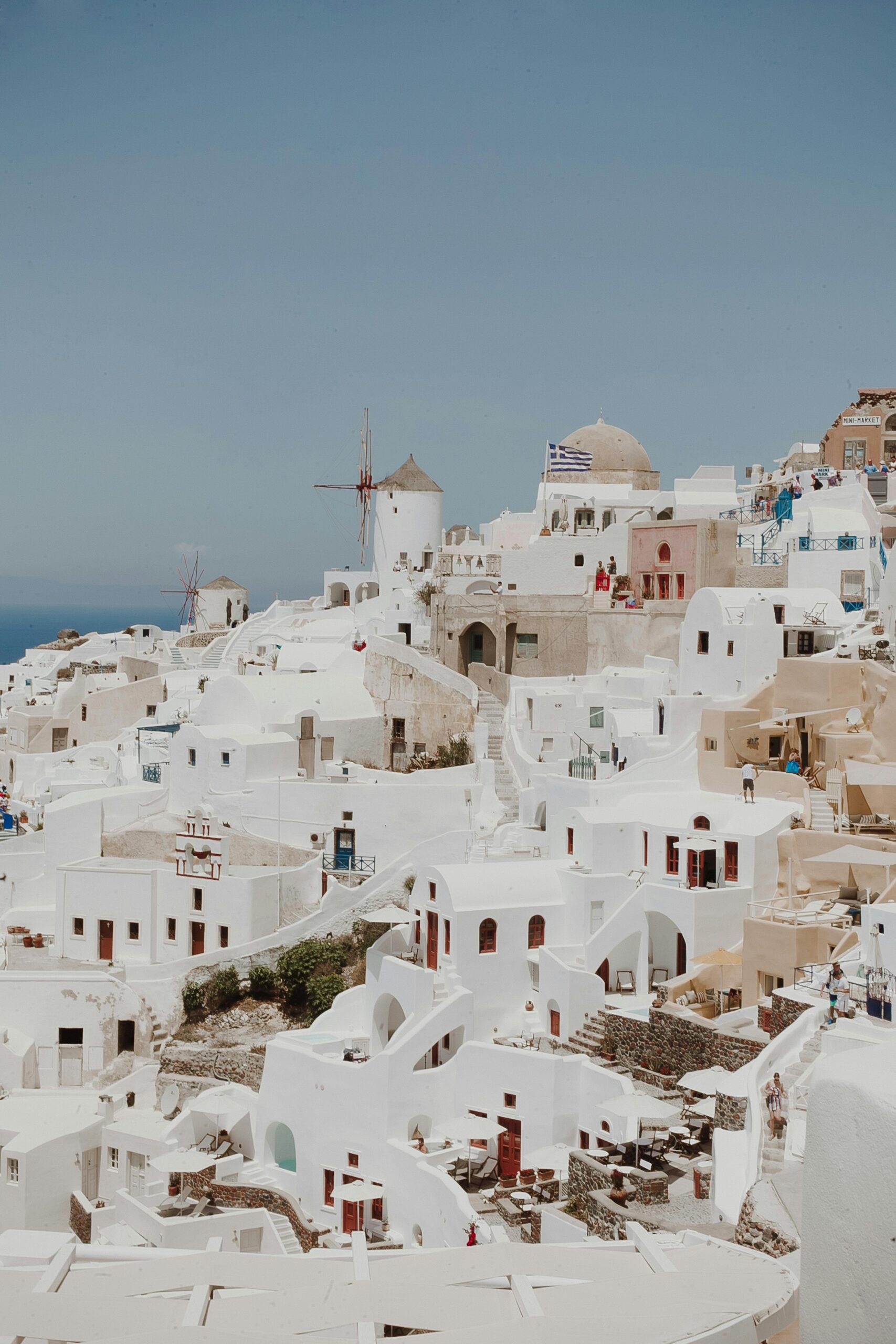
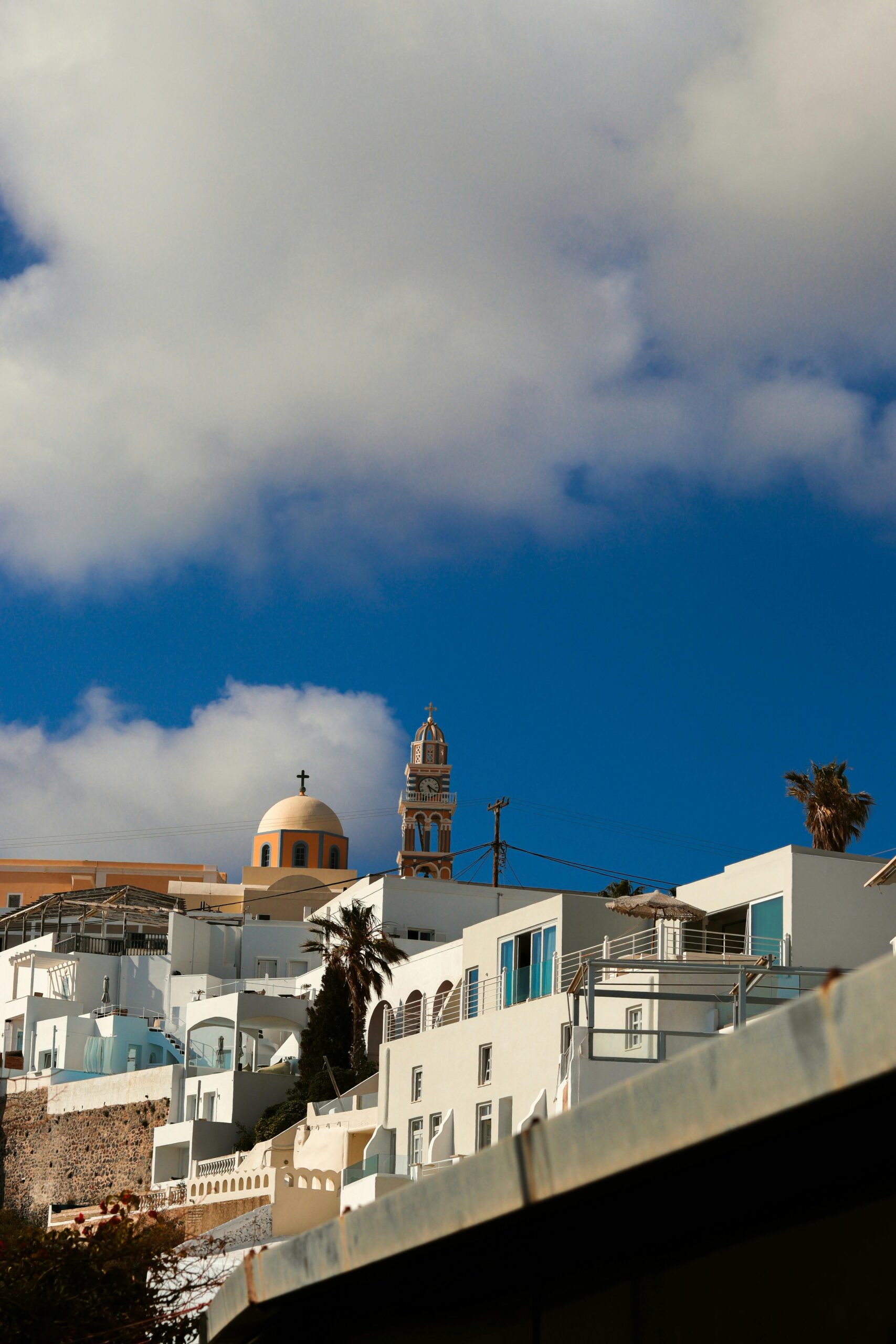
Why Most First-Timers to Santorini Leave Slightly Disappointed
The pattern is simple: travelers want certainty. They want one Greek island that will deliver the iconic view, the romantic mood, the easy photo, and the sense that they made the “right” choice. Santorini looks like a low-risk decision, which is why so many people pick it without asking what kind of experience they actually want.
That is the core of Why Most First-Timers to Santorini Leave Slightly Disappointed. The island is not failing to be beautiful; the visitor is often asking it to do too much. Santorini is best understood as a high-demand destination with a narrow emotional range in peak season, not as a universally satisfying Greek island.
The psychology behind Why Most First-Timers to Santorini Leave Slightly Disappointed
Most first-timers are not really buying a destination. They are buying reassurance. Santorini has been marketed so effectively that people feel they are choosing the “correct” Greece experience, especially if they do not know the country well enough to compare it against other islands.
That matters because travel decisions are rarely rational at this level. People want the trip to validate their taste, their budget, and sometimes their relationship. If the island feels crowded, transactional, or more staged than they expected, the emotional reaction is stronger than the practical one.
There is also a status element that people do not admit openly. Santorini is the island many travelers think they are supposed to visit first. That social pressure creates a strange dynamic: even when the trip is objectively good, it can still feel underwhelming because the traveler expected a defining life moment, not a busy destination with real limitations.
What travelers expect versus what they actually get
Visitors usually expect intimacy, calm, and a feeling of exclusivity. They imagine a place where the famous views are matched by a relaxed pace and where every part of the experience feels polished. In their mind, Santorini is a luxury island with a dramatic coastline.
What they often get in peak season is a destination under strain. Popular viewpoints are crowded, service can feel rushed, and the day-to-day rhythm is shaped by tourism volume more than by local life. The island still delivers the view, but not always the atmosphere people were hoping would come with it.
This is where Why Most First-Timers to Santorini Leave Slightly Disappointed becomes obvious. The image is consistent; the lived experience is more uneven. Travelers who were expecting a seamless emotional rise often discover that the island asks for more tolerance than they planned to give.
The moment the disappointment usually hits
It usually hits when the traveler realizes the famous view is not private, not quiet, and not emotionally curated for them. That moment can happen in a crowded village lane, at a viewpoint with too many people waiting for the same photo, or during a meal where the setting is better than the service and the bill reminds them they are paying for location as much as for quality.
That is the real break in the spell. The visitor understands, sometimes all at once, that they are not inside a postcard; they are inside a very busy business model. Once that clicks, the island can feel less like a dream and more like a performance they are observing from a slightly awkward seat.
My position is straightforward: if you go to Santorini in peak season expecting serenity, you are making a planning mistake, not a taste mistake. The island is not built to consistently deliver calm when demand is at its highest, and pretending otherwise is how people end up frustrated for no good reason.
Why peak season makes the emotional gap worse
Peak season does not just add crowds. It changes the emotional texture of the whole trip. Small inconveniences become more visible, waits feel longer, and every shared space feels more compressed because everyone is trying to access the same limited set of experiences at the same time.
That is why the same traveler who might enjoy Santorini in a quieter month can feel flat or annoyed in high season. The island does not change its identity, but the visitor’s tolerance changes fast when they are constantly negotiating space, time, and expectations.
People also underestimate how much peak season turns “special” into “standardized.” When everyone is chasing the same sunset, the same terrace, and the same famous view, the trip starts to feel less personal. Santorini can still be impressive, but it becomes harder to feel like the experience belongs to you.
Traveler types most prone to this pattern
Some travelers are simply more likely to be disappointed. The first group is the first-time Greece visitor who wants one island to represent the whole country. They are often making a symbolic choice, not a practical one, and symbolism is a fragile basis for satisfaction.
The second group is the romance buyer: honeymooners, anniversary travelers, and couples who want the trip to carry emotional weight automatically. Santorini can absolutely work for that, but only if they understand that the setting does not do the emotional work for them. A high-end view does not fix a rushed schedule, a crowded season, or mismatched expectations.
The third group is the traveler who equates “famous” with “best.” These are the people most likely to ignore the trade-offs because they assume popularity is proof. In Greece, that assumption is dangerous.
Visit Greece does a good job of showing the range of the country, but first-timers still often zero in on the island that looks easiest to recognize, not the one that fits their actual pace.
- First-timers who want one island to “cover” Greece
- Couples expecting the destination to create the mood for them
- Travelers who choose only from the most photographed places
- Anyone visiting in peak season while assuming calm will still be available
The counterintuitive truth about Santorini
Here is the surprising part: the people most likely to be disappointed are often the ones who care the most about doing Greece “properly.” They are the ones who researched, saved, and built up the trip carefully. That effort can backfire because the more emotionally loaded the decision becomes, the less room there is for the real island to be imperfect.
In other words, disappointment is often a sign of overinvestment, not poor taste. The traveler did not choose badly in some absolute sense. They chose an island whose image was stronger than their expectation management.
This is also why Santorini can feel better to a second-time Greece visitor than to a first-timer. Once you already understand the country’s range, you stop asking one place to do everything. The island becomes one experience among many, not the standard by which the whole trip is judged.
What a better approach looks like
A better approach starts with a simpler question: what are you actually trying to feel? If the answer is calm, space, and a slower pace, Santorini in peak season is a poor match. If the answer is a high-visibility, highly designed island experience with famous views and a lot of activity around them, then the island makes more sense.
That shift in framing changes the whole trip. You stop expecting the island to be soft and private, and you start evaluating it for what it really is: a destination with a strong visual identity and a very specific kind of energy. the Ministry of Culture is a useful reminder that Greece is not one uniform product; it is a country with layered places that serve different travel moods, and Santorini is only one of them.
Greece rewards travelers who arrive with a plan, but the better version of that plan is not control. It is fit. Once you stop treating Santorini as the default answer, the decision gets easier and the disappointment risk drops fast.
Conclusion: The real mistake is not choosing Santorini. The real mistake is choosing it for the emotional job that another place, another season, or another sequence of islands would do better. If you understand the gap between image and lived experience, Santorini becomes easier to enjoy on its own terms. Greece doesn’t punish inexperience. It punishes unexamined assumptions. The travelers who leave disappointed rarely lacked information — they lacked a framework for using it.
Frequently asked questions
Why do so many first-time visitors feel let down by Santorini?
Because they expect a quiet, intimate island experience from one of Greece’s most visited destinations. In peak season, the crowds, prices, and pace can make the island feel more managed than personal.
Is Santorini actually disappointing, or is it just overhyped?
For many first-timers, it is overhyped relative to what they expected. The island is still impressive, but the emotional payoff is smaller when the visit is built on an unrealistic image.
What is the biggest mistake people make when choosing Santorini?
They choose it as a symbolic decision instead of a practical one. They want the “must-see” Greek island, not the one that best fits their pace, season, or travel style.
Who is most likely to enjoy Santorini?
Travelers who understand its limits and want a high-visibility island with strong views, polished hotels, and a more curated atmosphere. It works better for people who are not expecting quiet as a default.
Does visiting Santorini in shoulder season help?
Yes, because the island’s biggest problem for first-timers is usually crowd pressure. A quieter period can make the same place feel far more balanced and less transactional.
Should first-time Greece visitors start with Santorini?
Not automatically. It is a strong choice for some trips, but it should not be treated as the default first stop. The right first island depends on what kind of Greece experience you want, not on popularity alone.