

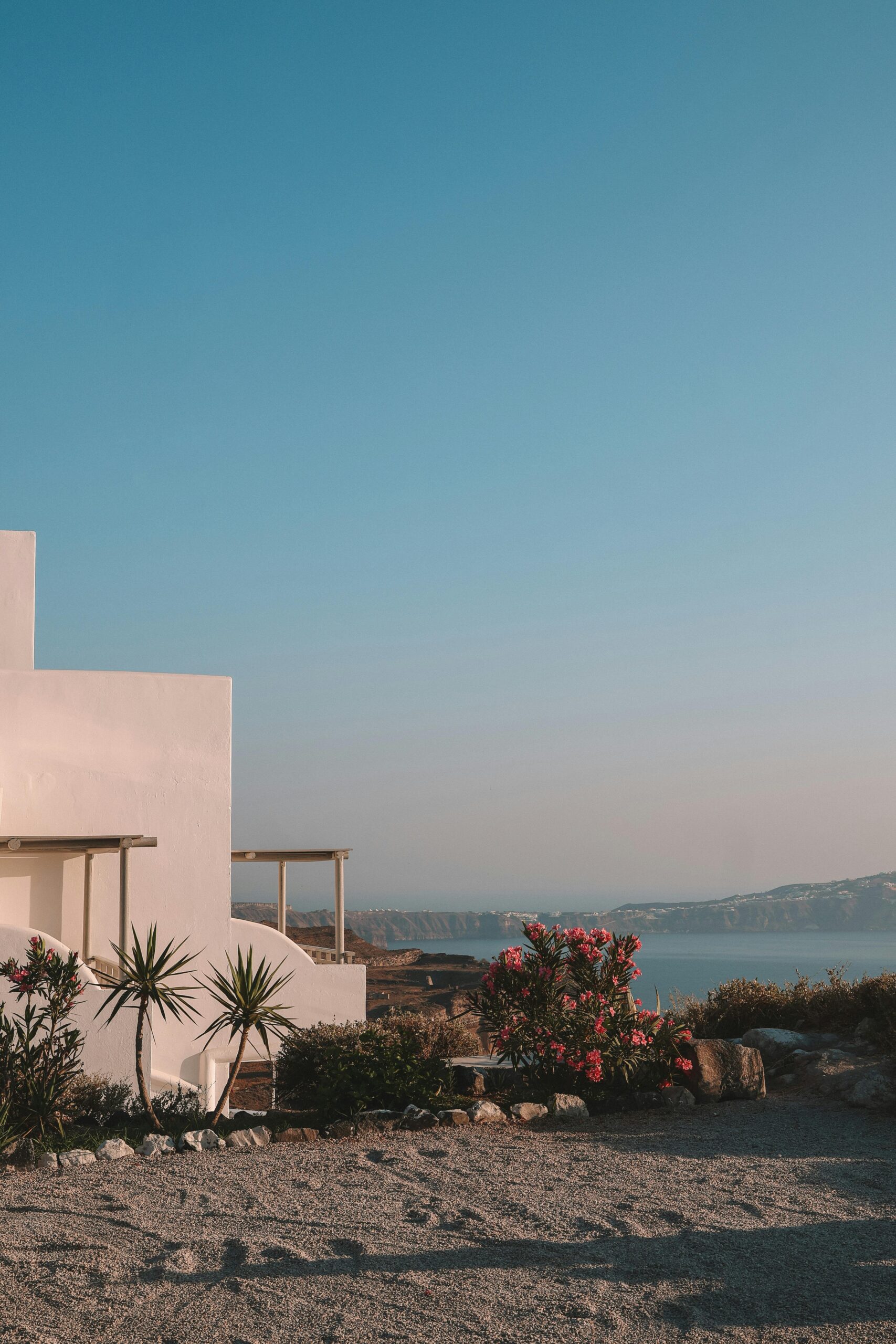
Why Most First-Timers to Santorini Leave Slightly Disappointed usually starts with one assumption: that the island will feel personal, easy, and cinematic from the moment they arrive. It is a common mistake, and it comes from seeing Santorini as a symbol before seeing it as a place with limits, crowds, and a very specific kind of pressure.
People do not choose Santorini by accident. They choose it because they want the version they have seen online to be real, and because they want their first Greece trip to feel like they picked the “right” island. That emotional need is exactly where the disappointment begins.
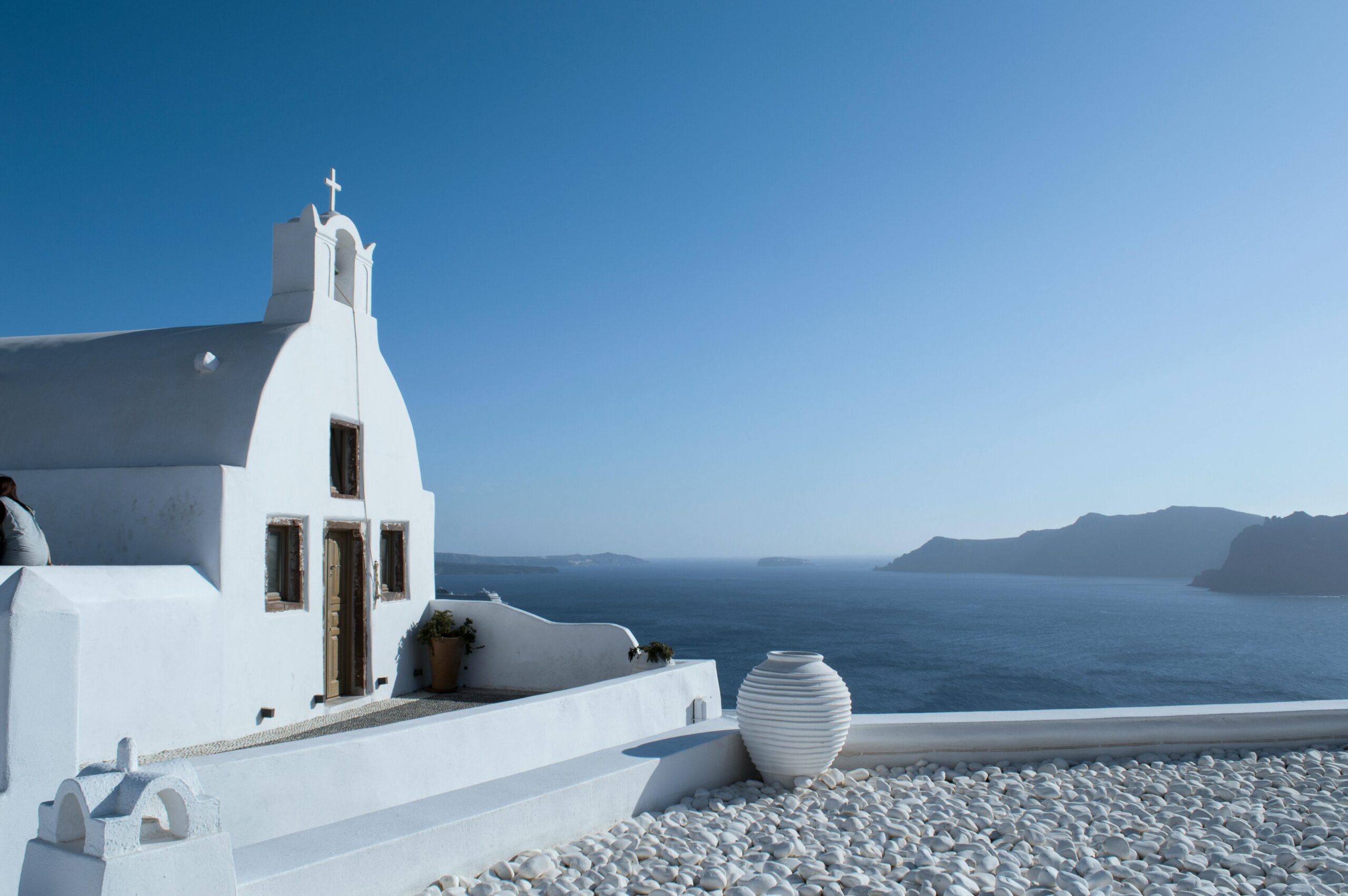
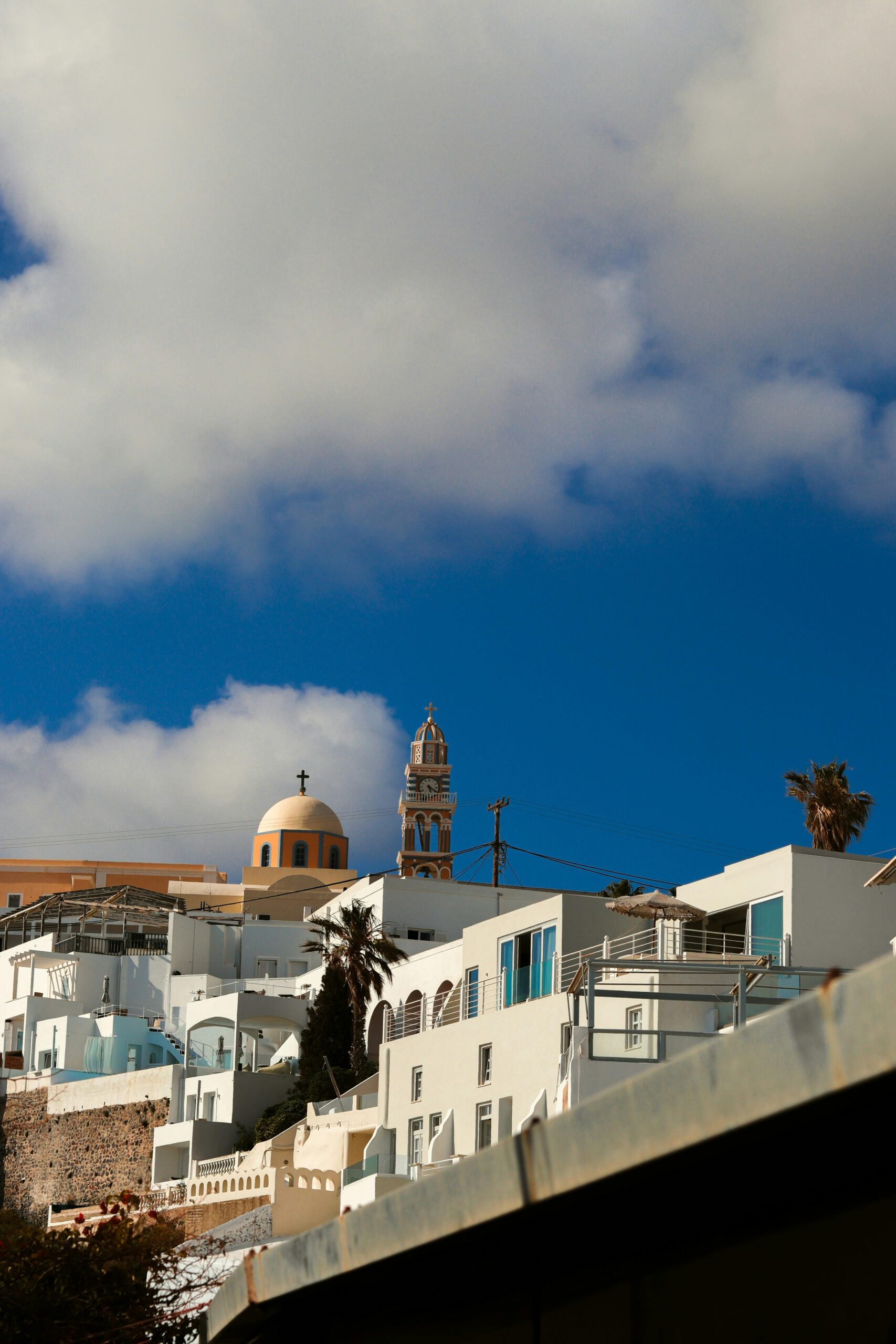
Why Most First-Timers to Santorini Leave Slightly Disappointed
The pattern is simple: travelers confuse recognition with satisfaction. Santorini is one of the most photographed places in Greece, so first-timers arrive with a sense of certainty that they already know what it will feel like. They do not. They know the image, not the experience.
This is why Why Most First-Timers to Santorini Leave Slightly Disappointed is not really a story about the island failing people. It is about people arriving with a fixed emotional script and then feeling irritated when the island refuses to perform it on cue. That mismatch is especially sharp in peak season, when the island is working at full capacity and the visitor is expecting ease.
The real reason Why Most First-Timers to Santorini Leave Slightly Disappointed
Most first-timers are not chasing geography. They are chasing reassurance. Santorini feels like a safe first choice because it is famous, expensive, and heavily validated by other travelers, which makes people think they are reducing risk.
In practice, they are often buying the most crowded version of the island at the worst time of year for emotional comfort. Peak season amplifies everything: noise, queues, heat, price pressure, and the feeling that every good viewpoint is already occupied. That is the moment the fantasy starts to crack.
There is also a deeper psychological issue. Many travelers want their first Greece trip to confirm that they made a sophisticated choice, and Santorini has long been the default signal for that. When the reality feels transactional instead of intimate, the disappointment is not just about the trip. It feels like a personal planning failure.
What travelers expect versus what they actually get
First-timers usually expect a place that is calm, elegant, and visually coherent from morning to night. They imagine long, unbroken views, relaxed meals, and an island that feels designed for lingering. That is not the full Santorini experience in peak season.
What they actually get is a destination with real beauty, but also a lot of friction. The best-known areas can feel crowded to the point of distraction, and the island’s popularity means many moments are shared rather than private. For some travelers, that is fine. For others, it creates a constant low-level sense that they are paying premium prices for a compressed experience.
The surprise is that many people are not disappointed by what Santorini lacks. They are disappointed by how much effort it takes to access what they thought would come naturally. The island asks you to work around its popularity, and first-timers often resent that more than they admit.
The moment the disappointment usually hits
It usually hits when the traveler realizes the island is not going to deliver the same emotional payoff in every hour of the day. For many, that happens the first time they see how crowded the most famous viewpoints can be when everyone has the same plan. The image they carried in their head was solitary; the reality is shared.
Another common trigger is the first meal or sunset experience that feels more managed than memorable. Not bad, just managed. That is a hard thing for first-timers to process because they came to Santorini expecting emotional ease, and instead they are negotiating timing, crowds, and the sense that everything good has to be scheduled around everyone else.
This is where Why Most First-Timers to Santorini Leave Slightly Disappointed becomes obvious in real life: the traveler does not feel cheated in a dramatic way. They feel a little let down, a little over-aware of the price, and a little embarrassed that the trip is not matching the fantasy they defended so strongly before they came.
Who is most likely to feel let down
There are clear traveler types who are prone to this pattern. The first is the image-led planner, who chooses destinations based on what they have seen online and assumes the visual payoff will carry the whole trip. The second is the milestone traveler, who wants a first Greece visit to feel definitive and therefore puts too much emotional weight on one island.
The third is the comfort-seeking first-timer, who thinks a famous destination automatically means an easy destination. That assumption causes the most friction, because Santorini in peak season is not a low-effort place. It is highly legible, yes, but not necessarily restful.
- Image-led travelers who want the trip to look like the version they saved.
- Milestone travelers who expect one island to carry the emotional weight of the whole Greece experience.
- Comfort-seekers who mistake fame for simplicity.
These travelers are not wrong to want beauty or ease. They are wrong to assume Santorini will provide both without compromise, especially when everyone else is trying to extract the same experience at the same time.
Why peak season makes the gap worse
Peak season does not just add people. It changes the emotional tone of the island. The more crowded Santorini gets, the less private it feels, and privacy is exactly what many first-timers are buying in their heads. That is why the same destination can feel completely different in June than it does in October.
Price also changes the psychology. When travelers pay premium rates, they become less tolerant of inconvenience. A crowded terrace, a slow meal, or a view that requires patience feels more irritating because the spending has raised expectations of control. The result is not outrage. It is resentment.
If you want a broader sense of how Greece positions its major destinations, the official tourism materials at
Visit Greece are useful for context. Just do not confuse destination marketing with the lived pace of peak-season Santorini.
The mistake is not choosing Santorini. It is choosing it for the wrong reason.
This is the clearest position I can give: Santorini is a strong choice for some travelers, but it is a poor emotional match for people who want their first Greece trip to feel relaxed, spacious, and unforced. If that is the goal, Santorini in peak season is the wrong tool for the job.
The island works best when travelers understand what they are actually buying: a highly concentrated, high-demand experience with serious visual payoff and very little room for romantic improvisation. That is not a flaw. It is the product. Once you see it clearly, the disappointment starts to make sense.
For travelers who want a deeper sense of Greece beyond the postcard layer, context matters. Cultural framing helps, and the Ministry of Culture is a better starting point than social media if you want to understand how much history and preservation shape the places people visit.
What a better approach looks like
A better approach starts with a harder question: what are you actually trying to feel on this trip? If the answer is calm, room to breathe, and a sense of discovery, then Santorini should probably not be the center of your first Greece plan in high season. If the answer is visual drama and a famous name you can cross off, then go in with open eyes.
That is the real reframe behind Why Most First-Timers to Santorini Leave Slightly Disappointed. Stop asking whether Santorini is worth it in the abstract. Ask whether your expectations are built for a place that is popular, expensive, and heavily shared. Once you answer that honestly, the decision gets much cleaner.
Greece rewards travelers who arrive with a plan, but more than that, it rewards travelers who know what kind of experience they are chasing. Santorini is not disappointing because it is overrated. It is disappointing when people ask it to be something it has never really been.
Conclusion
Recognizing the pattern is the first step. The second is building a trip around how you actually travel — not the traveler you imagine yourself to be. Most great Greece experiences start with that honesty.
Frequently asked questions
Why do first-timers feel disappointed in Santorini so often?
Because they arrive with an image-based expectation: quiet beauty, easy movement, and a premium experience that feels private. In peak season, Santorini is more crowded, more expensive, and more managed than most first-timers expect.
Is Santorini still worth visiting for a first trip to Greece?
Yes, for the right traveler. It is worth it if you want a famous, high-demand island experience and you understand the trade-offs. It is a poor fit if you want your first Greece stop to feel relaxed and low-friction.
What is the biggest assumption travelers make about Santorini?
That fame equals ease. People assume a destination this well-known must be simple to enjoy, but Santorini’s popularity is exactly what creates much of the friction first-timers notice.
When does the disappointment usually start?
Usually when travelers realize the island is not delivering the private, effortless version they pictured. That often happens at the most famous viewpoints, during sunset, or at the first meal that feels more crowded than special.
Who is most likely to be let down by Santorini?
Image-led travelers, milestone travelers, and comfort-seekers. These are the people most likely to expect Santorini to do emotional work it was never designed to do in peak season.
What should first-timers expect instead?
A concentrated, highly popular island with strong visual payoff and real crowd pressure in the busiest months. If you accept that upfront, the experience tends to feel much more coherent.
How can travelers avoid this disappointment?
By choosing Santorini for the right reason, not the most common one. If the goal is a calm first Greece experience, look at the trip as a whole rather than assuming one famous island will solve everything.