

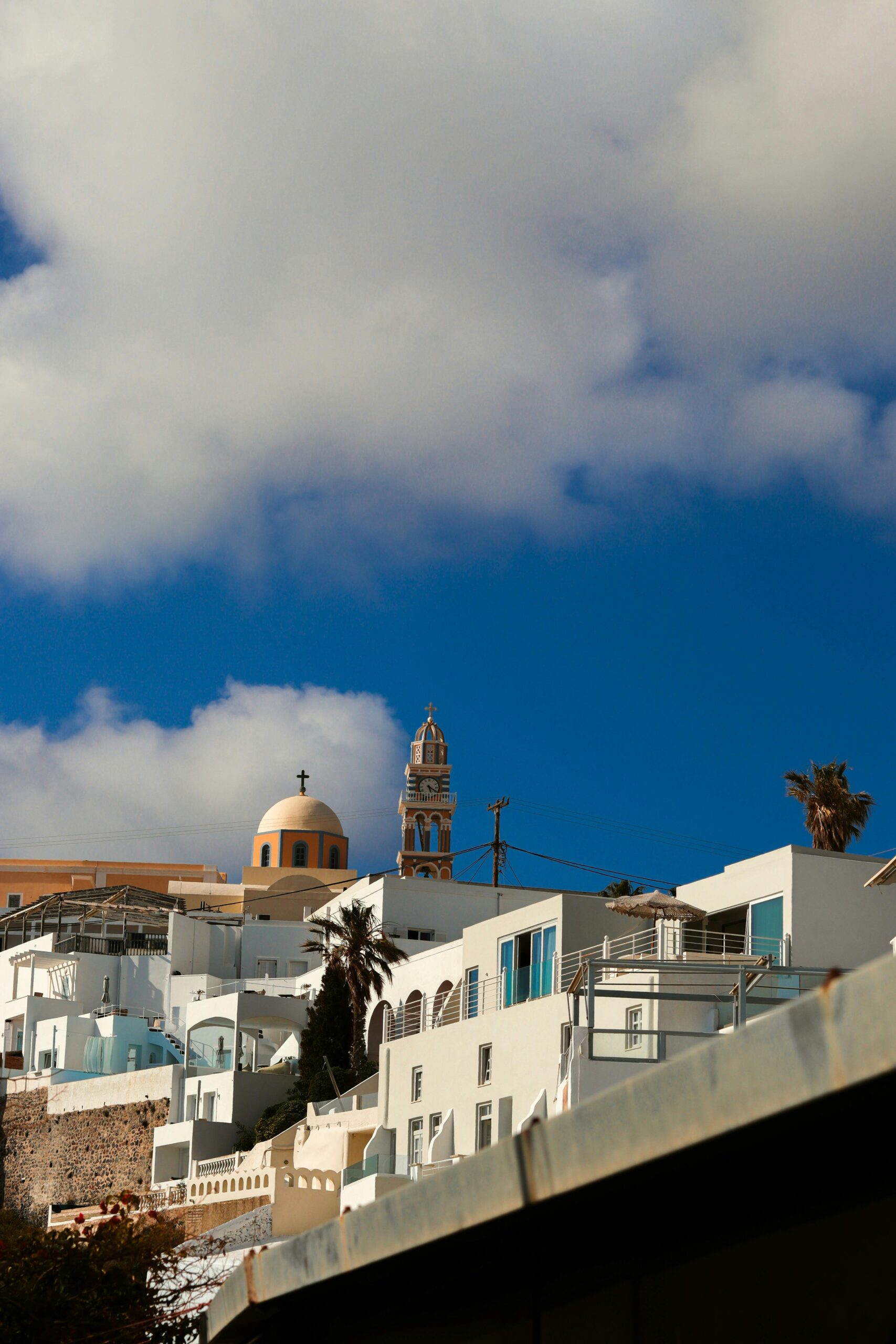
Why Most First-Timers to Santorini Leave Slightly Disappointed starts with a simple psychological trap: people arrive expecting a place to match the version they have already seen online. They are not just booking a trip; they are trying to confirm an image they have been carrying for years.
That is where the trouble begins. Santorini is not disappointing because it is weak as a destination. It disappoints when travelers confuse a highly edited visual idea with the actual experience of visiting in peak season, when crowds, heat, pricing, and pressure all show up at once.
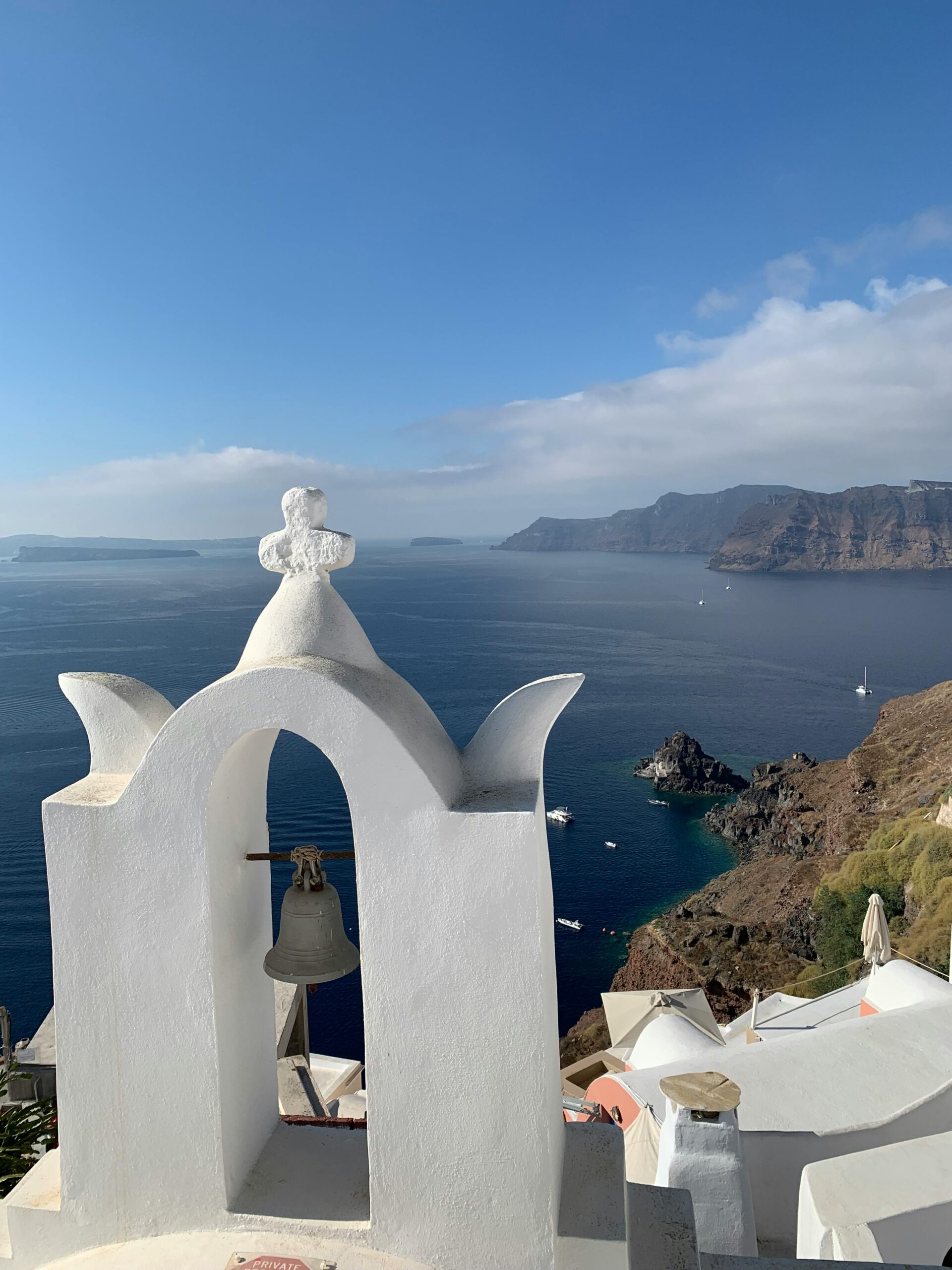
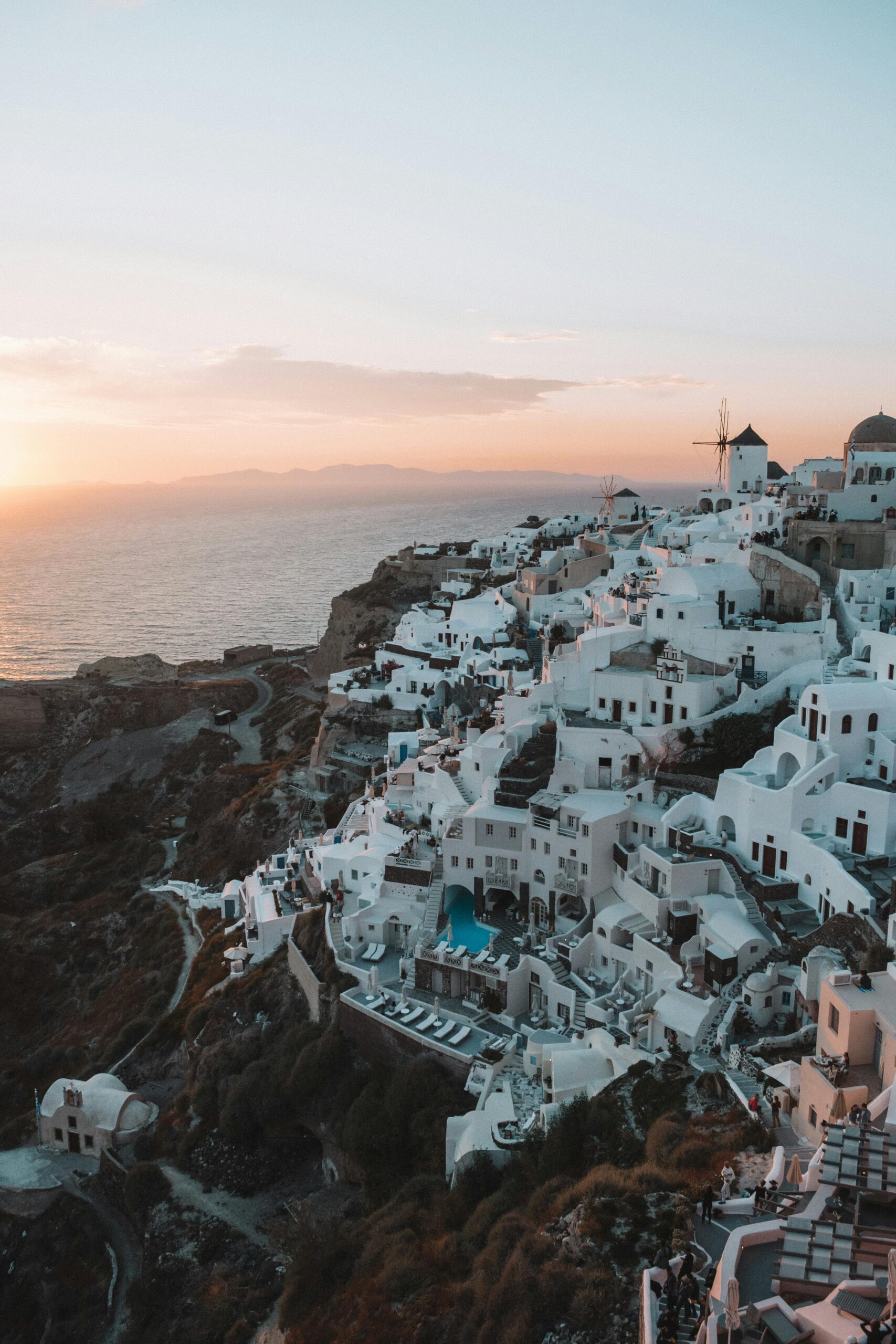
Why Most First-Timers to Santorini Leave Slightly Disappointed
The real problem is expectation, not the island
Why Most First-Timers to Santorini Leave Slightly Disappointed is usually not about one bad hotel or one crowded viewpoint. It is about a mental mismatch: travelers expect a clean emotional payoff, and Santorini does not deliver that neatly in July and August. The island is famous for a reason, but fame changes the experience. It creates congestion, inflated pricing, and a sense that every moment is being shared with too many other people.
People also arrive with a subtle assumption that a famous place should feel effortless. That assumption is expensive. In Santorini, the moment you start expecting ease, the island starts feeling like work.
Why travelers choose Santorini anyway
Most first-timers are not making a bad decision irrationally. They are responding to social proof, status signaling, and the fear of missing the “real” Greece. Santorini has been positioned as the default first Greece experience for so long that many travelers feel they should go there before they are allowed to go anywhere else.
There is also a deeper emotional motive: people want certainty. Santorini feels legible before they arrive. They think they know what they are buying, which makes the choice feel safe. That is exactly why disappointment lands so hard when the place feels crowded, expensive, and less intimate than expected.
Why Most First-Timers to Santorini Leave Slightly Disappointed in peak season
Peak season is where the image breaks down. The island does not become less beautiful; it becomes less forgiving. The same views that look serene in photos can feel compressed by traffic, queues, and the constant awareness that you are sharing every famous spot with everyone else who had the same idea.
This is the part travelers underestimate: the emotional cost of waiting for a place to feel special. When a destination is overexposed, people start performing their own vacation. They are not simply visiting; they are trying to capture proof that the trip was worth it. That pressure is exhausting, and Santorini amplifies it.
For context, if you want a broader sense of how Greek destinations are framed versus how they actually function,
Visit Greece is useful as a baseline, but it will not tell you how a place feels when it is full. That gap between promotion and lived reality is where most first-timer disappointment begins.
The moment disappointment usually hits
It usually hits after the first rush of arrival fades. The traveler has seen the view, taken the photos, and realized the island is not going to keep producing that same emotional high on demand. Then the practical realities show up: crowds, noise, inflated expectations around dining, and the sense that every famous corner has already been claimed by someone else.
The most common emotional shift is from excitement to self-consciousness. People start asking whether they chose the wrong place, when the real issue is that they expected a destination to behave like a private reward. Santorini is not built for that fantasy in peak season.
Traveler types most prone to this pattern
Three types get caught most often. First, the once-in-a-lifetime planner who wants the trip to feel definitive and therefore loads too much meaning onto one island. Second, the social-media-led traveler who has seen so many polished images that the real place feels oddly familiar and therefore less powerful. Third, the efficiency traveler who wants a famous destination to deliver maximum value with minimal friction.
- The once-in-a-lifetime planner
- The social-media-led traveler
- The efficiency traveler
These travelers are not naive. They are usually overinvested. That is a different problem, and it is why Santorini can feel underwhelming even when nothing is objectively wrong.
A clear position: Santorini is a better second or third Greece trip for many people
I will say this plainly: for many first-timers, Santorini is a poor opening move. Not because it is overrated in a simple sense, but because it is too loaded with expectation. If your first Greece trip is built around Santorini alone, you may end up judging the country through one of its most compressed, most expensive, and most performance-heavy destinations.
That is a bad framework. Greece rewards travelers who arrive with a plan, but more importantly, it rewards travelers who understand what kind of experience a place is actually built to give. Santorini is strongest when you know what you are looking at: a famous island with real appeal, real crowds, and real limits.
What a better approach looks like
The better approach is not to lower your standards. It is to change the question. Instead of asking whether Santorini lives up to the image, ask what kind of trip you want the island to support. If you want atmosphere, spectacle, and a highly curated stay, Santorini can still work. If you want ease, spontaneity, and a sense of discovery, you are setting yourself up for irritation.
That is the reframe most travelers need. Santorini is not a test of whether you are a sophisticated traveler. It is a test of whether you can separate desire from assumption. Once you do that, the island becomes easier to place in the right part of your Greece trip.
For travelers who want to understand the cultural context behind Greece’s most visited places, the Hellenic Ministry of Culture is a more grounded reference than the usual glossy travel content. It will not solve the peak-season problem, but it does remind you that these places are lived-in, regulated, and far more layered than the postcard version suggests.
Conclusion
Why Most First-Timers to Santorini Leave Slightly Disappointed is not a warning to avoid the island. It is a warning to stop asking it to be something it is not. If you understand the emotional script behind the choice, you can make a better one.
Greece doesn’t punish inexperience. It punishes unexamined assumptions. The travelers who leave disappointed rarely lacked information — they lacked a framework for using it.
Frequently asked questions
Why do first-time visitors often feel underwhelmed by Santorini?
Because they arrive expecting the island to match a polished image rather than a busy, expensive, high-demand destination in peak season. The disappointment is usually about expectation management, not the island itself.
Is Santorini still worth visiting for a first trip to Greece?
Yes, for some travelers. It works best for people who understand that they are choosing atmosphere and fame, not ease or privacy. For others, it is a better fit later in a Greece trip.
What is the biggest mistake first-timers make with Santorini?
They treat it like a guaranteed emotional payoff. That assumption creates frustration when crowds, pricing, and pressure reduce the sense of escape they were expecting.
Why does peak season make Santorini feel more disappointing?
Because the island’s most famous areas become crowded and highly managed. The visual appeal remains, but the emotional experience becomes more compressed and less relaxed.
Who is most likely to be disappointed by Santorini?
Travelers who want a quiet, spontaneous, low-friction trip are the most likely to feel let down. So are people who have built the island up as the defining Greece experience.
How should I think about Santorini differently?
Treat it as one part of a broader Greece trip, not the standard by which the whole country should be judged. That shift alone reduces a lot of avoidable disappointment.