


Athens Is Not a Stopover: Why One Night Is Usually a Mistake. That is not a dramatic line; it is a practical one. Most travelers treat the city like a transit point and then act surprised when they leave tired, underwhelmed, and with the wrong impression of Greece’s capital.
Athens changes a lot depending on where you stay, what you want from it, and where it sits in the trip. If you give it one rushed night, you usually get traffic, a half-seen Acropolis, and a dinner in the wrong area. If you give it proper planning, you get a city that explains modern Greece better than almost anywhere else.

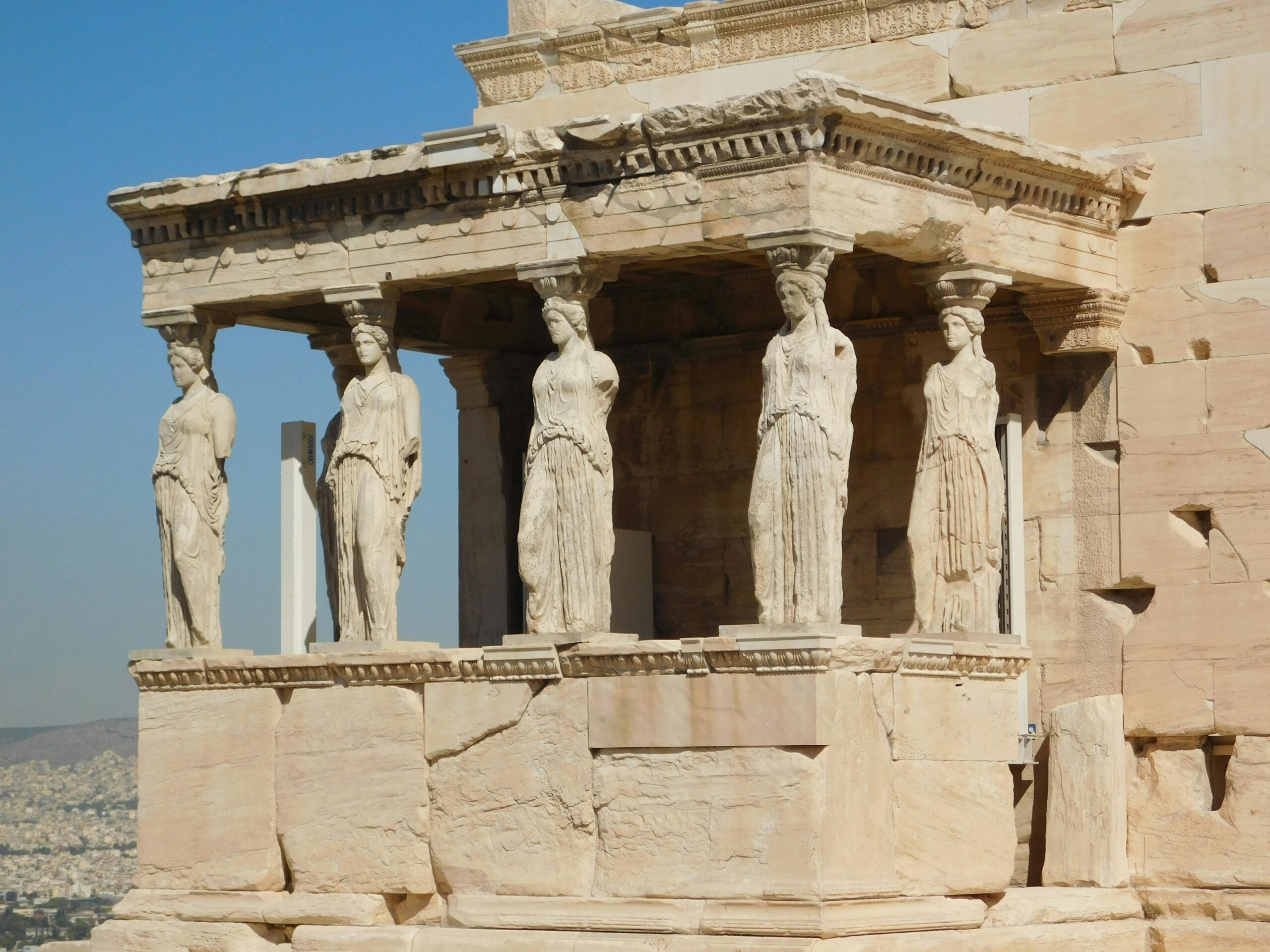
Athens Is Not a Stopover: Why One Night Is Usually a Mistake
I’ll take a clear position: one night in Athens is usually bad planning. Not always useless, but usually bad. The city is too layered, too spread out, and too dependent on timing to be reduced to a box-ticking overnight.
The biggest mistake is treating Athens like a pre-cruise staging area or a place to sleep between islands. That mindset produces the same result every time: people stay in the wrong part of the city, see only the most obvious sights, and leave saying Athens was “fine.” Fine is what you say when a destination never had a fair chance.
Why Athens Is Not a Stopover: Why One Night Is Usually a Mistake for most travelers
Athens is not built for passive viewing. It is a city of neighborhoods, contrasts, and strong opinions, and those qualities do not show up if you arrive late, leave early, and spend the middle of the night in a hotel that could be anywhere.
The first thing travelers get wrong is assuming the Acropolis is the whole story. It is not even close. The city’s value comes from the way ancient sites, 19th-century streets, and modern districts sit next to each other, and that only makes sense when you have enough time to absorb the differences.
The second mistake is staying too close to the most obvious tourist cluster and calling it “central.” Central for whom? Syntagma, Monastiraki, Plaka, and Psyrri are not interchangeable, and choosing badly changes the whole experience. A place that is convenient on paper can still feel noisy, generic, or oddly detached from the real city.
The neighborhoods that change the trip
Plaka is the classic choice, but classic does not mean best. It is useful if you want easy access to major sites and a polished first impression, but it can feel packaged and a little too neat for travelers who want actual city life.
Monastiraki is more chaotic and more useful than many first-timers expect. It gives you energy and access, but it also comes with crowds and a constant sense that you are standing in the middle of someone else’s day. If you want Athens to feel alive, this area delivers that. If you want calm, it does not.
Psyrri is where many travelers overestimate the nightlife and underestimate the noise. It suits people who want restaurants, bars, and late activity, but it is a poor fit for light sleepers and for anyone who thinks a “central” base automatically means a restful one.
Koukaki is one of the more sensible choices for travelers who care about balance. It is close enough to matter, less performative than Plaka, and usually a better place to understand how people actually live in the city. It is not the most glamorous option, which is exactly why it works.
Kolonaki is for travelers who want a more polished, residential feel and do not mind paying for it. It is not the obvious choice, which is part of the appeal. You give up a little convenience to gain a more composed atmosphere.
Exarchia is often misunderstood and often mis-sold. It has character, edge, and a very specific local energy, but it is not the right base for every traveler. People who want predictability usually misread it and then complain that it feels too raw.
The counterintuitive truth about Athens
Here is the part most travelers do not expect: Athens often works better as the opening city than the closing one. That sounds backwards, because many people assume they should “save” the capital for the end. In practice, Athens gives context to everything that follows, while a final-night Athens stay can feel anticlimactic after the islands.
This is especially true for travelers who care about food, museums, architecture, or contemporary culture. Athens is not just about the ancient past; it is where modern Greek life is most visible, most layered, and most worth paying attention to. If you only see it after a week at sea or on an island, you are more likely to compare it unfairly than to understand it properly.
If you want the city’s cultural layer to land, the Acropolis Museum is not optional. It is one of the few places that gives structure to what people think they already know about Athens, and it is a better use of time than trying to cram in too many surface-level stops.
What one night actually gives you, and what it costs
One night gives you a quick visual impression and a decent dinner if you choose well. That is the upside. It can work for a traveler who only needs a practical overnight and has no interest in cities, history, or urban context.
What it costs is much more significant: rhythm, perspective, and flexibility. You lose the chance to see Athens in different moods, which matters because the city changes a lot between daytime intensity, evening energy, and the calmer hours when neighborhoods feel more legible.
People also underestimate how badly a rushed Athens stay can distort the rest of the trip. If you arrive exhausted, choose the wrong base, and leave too quickly, the city becomes a source of friction rather than a useful start. That is how bad sequencing creates bad memories.
- Good fit: first-time Greece visitors who want context, food-focused travelers, history-minded travelers, and anyone who prefers a city to feel understood rather than checked off.
- Poor fit: travelers who dislike urban noise, people who want a resort-style atmosphere, and anyone who insists on moving constantly without downtime.
Who this suits
Athens suits travelers who are willing to slow down long enough for the city to make sense. It is a strong match for couples, solo travelers, and small groups who enjoy museums, neighborhoods, and restaurants that are part of a real city rather than a resort strip.
It is a weaker match for travelers who want silence, symmetry, and a polished holiday bubble. If your ideal trip is beaches, one landmark, and no urban friction, Athens will probably feel like a chore. That is not a failure of the city. It is a mismatch of expectations.
If you want a broader planning reference for how Greece’s capital fits into a larger trip,
Visit Greece is useful for orientation, but the real planning decision is more specific: whether Athens is being used as a true city stay or just a sleep point between flights and ferries. Those are not the same thing.
What travelers consistently underestimate
The first underestimate is distance in practical terms, not map terms. Athens can look compact until you try to combine too many neighborhoods in one short stay. That is when people realize they planned a city like a checklist instead of a place with actual texture.
The second underestimate is how much the city changes with the season. In summer, heat and crowd pressure make poor planning more punishing. In shoulder season, Athens becomes more readable and far more rewarding for travelers who want museums, walking, and restaurant time without the same level of friction.
The third underestimate is accommodation location. Travelers often choose based on price or brand and then discover they are too far from the areas that actually matter to them. In Athens, that mistake has a real consequence: you spend more of your short stay managing the city than experiencing it.
Conclusion
Athens is worth more than a rushed overnight, and travelers who treat it as a stopover usually miss the point of the city entirely. Give it enough time to work as a real part of the trip, and it becomes one of the most useful places in Greece for setting expectations correctly.
Greece rewards travelers who arrive with a plan built around how they actually travel — not a generic template. The difference between a frustrating trip and a remarkable one often comes down to sequence, timing, and knowing which trade-offs matter for your situation.
Recommended experiences
Some experiences mentioned here are curated and managed by Elite Greece Travels.
- Athens Milos Itinerary — Itinerary (managed by Elite Greece Travels).
- Athens Milos Santorini Itinerary 9 Days — Itinerary (managed by Elite Greece Travels).
- Greece 7 Day Itinerary Athens Delphi Meteora Santorini — Itinerary (managed by Elite Greece Travels).
Frequently asked questions
Is one night in Athens ever enough?
Only for a very narrow type of trip: a late arrival, an early departure, and no real interest in seeing the city beyond a basic first impression. For most travelers, that is too little time to make Athens feel worthwhile.
What do travelers get wrong about Athens most often?
They assume the Acropolis is the whole experience, and they stay in the wrong neighborhood for the kind of trip they want. Both mistakes lead to a rushed, flattened version of the city.
Which Athens neighborhoods are best for a short stay?
Plaka, Monastiraki, Koukaki, and Kolonaki each serve different traveler types. Psyrri works for nightlife-focused visitors, while Exarchia suits travelers who want a more local and less polished atmosphere.
Is Athens better at the start or end of a Greece trip?
For many travelers, Athens works better at the start because it gives context to the rest of the trip. Ending there can feel anticlimactic after islands, especially if the city was never planned as a real destination.
Who should not treat Athens as a stopover?
Anyone who cares about history, food, museums, architecture, or understanding modern Greece. Those travelers usually regret giving the city only one night.
What is the biggest practical mistake with a one-night Athens stay?
Choosing accommodation without thinking about neighborhood character. In Athens, the wrong base can turn a short stay into a noisy, inefficient, and forgettable overnight.
How many nights does Athens usually deserve?
For most first-time visitors, two to three nights is the more realistic minimum if you want the city to feel intentional rather than rushed.