

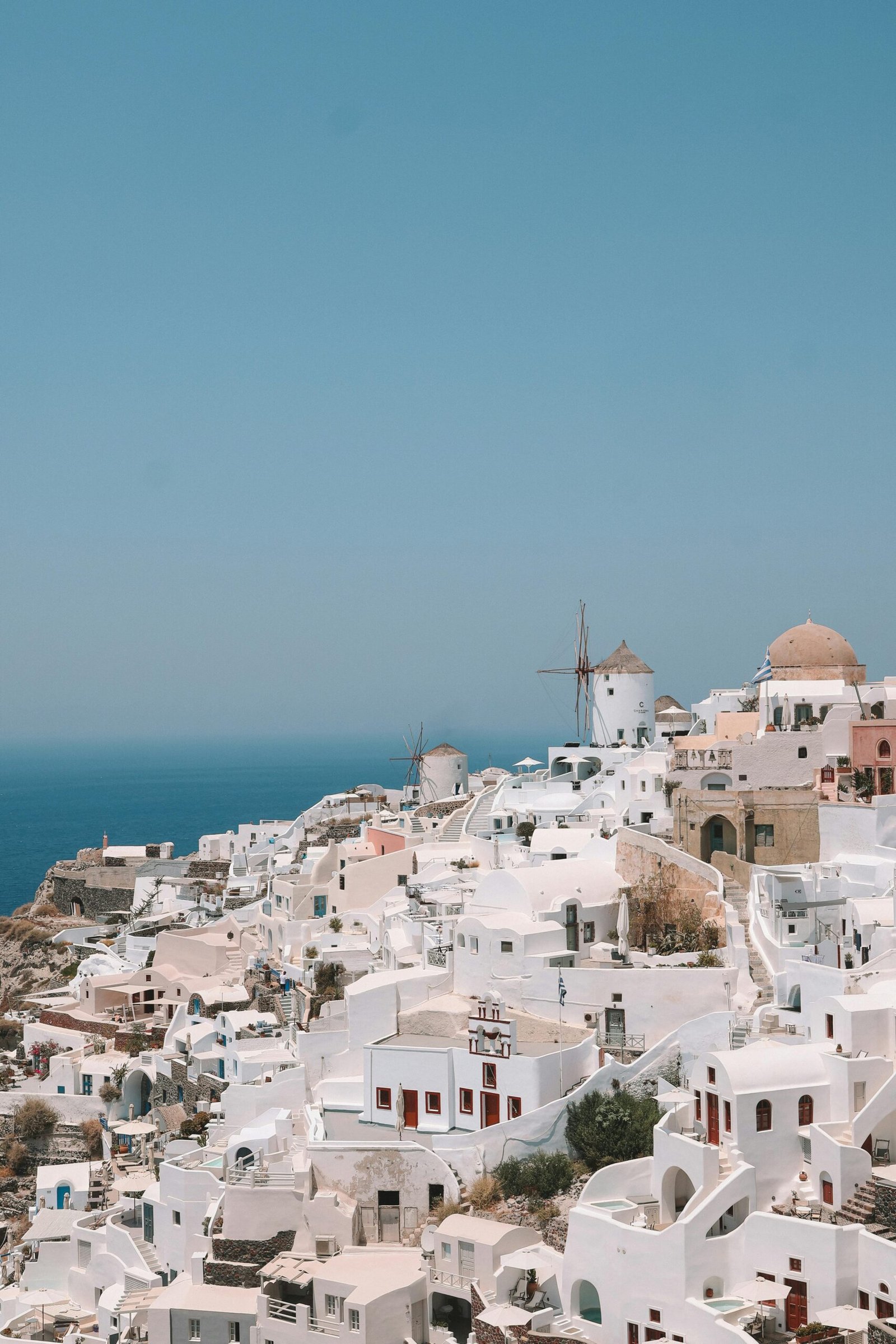
Why Most First-Timers to Santorini Leave Slightly Disappointed starts with one simple mistake: people confuse a famous view with a satisfying trip. They arrive expecting the island to deliver a constant emotional high, then get irritated when it feels crowded, expensive, and oddly transactional in peak season.
The real issue is not that Santorini is overrated in some absolute sense. It is that many first-timers show up with a fantasy built from photos, proposal videos, and polished marketing, then meet the actual conditions of visiting an island that is carrying far more demand than it was designed to absorb.
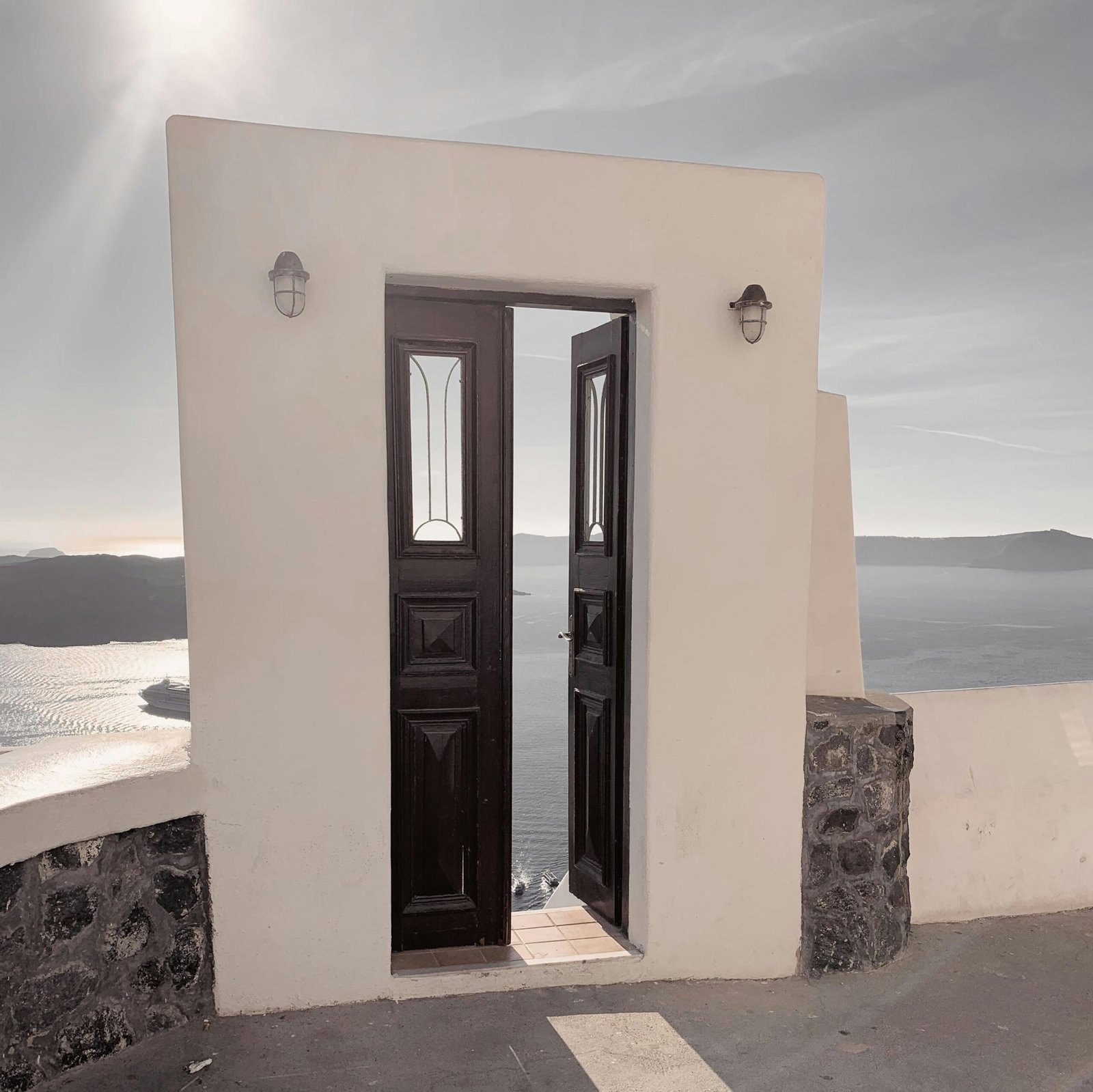
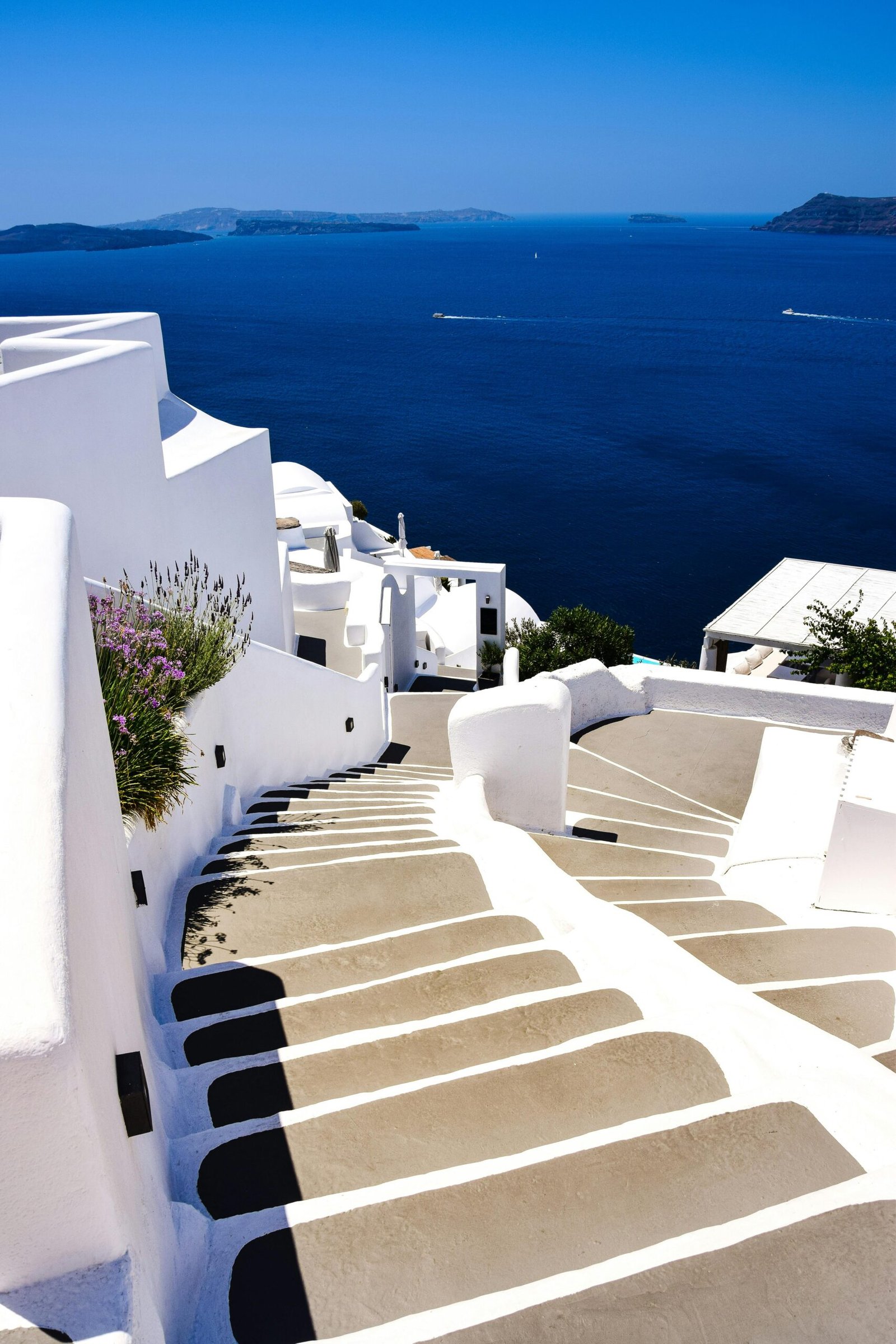
Why Most First-Timers to Santorini Leave Slightly Disappointed
Why Most First-Timers to Santorini Leave Slightly Disappointed is not a mystery to anyone who has watched this island absorb peak-season pressure year after year. The pattern is predictable: travelers want Santorini to feel effortless, intimate, and emotionally complete, then discover they are sharing the same narrow spaces with everyone else who had the same idea.
That disappointment usually has less to do with Santorini itself than with the story people bring to it. They are not just booking a destination; they are trying to buy a feeling, and Santorini is not built to deliver that feeling on demand.
The assumption underneath the booking
The real assumption is that a famous place must be a special experience by default. People see Santorini as a once-in-a-lifetime island, so they expect the trip to justify the hype through sheer force of reputation.
That is exactly where the emotional trap starts. The more expensive and recognizable the destination, the more travelers feel they should be having a meaningful time every minute, which creates pressure before they even arrive. Santorini then gets judged not against another island, but against an imagined version of itself.
Why Most First-Timers to Santorini Leave Slightly Disappointed in peak season
Peak season changes the psychology of the place. Instead of feeling like a dramatic caldera destination, Santorini can feel like a high-demand stage set with long waits, crowded viewpoints, and a lot of time spent negotiating access to the same small set of experiences.
People underestimate how much crowding alters mood. A traveler who expected romance starts feeling managed, watched, and rushed. That shift matters because disappointment usually begins before the first sunset, when the island stops feeling like an escape and starts feeling like a performance everyone else is also trying to get into.
This is why Why Most First-Timers to Santorini Leave Slightly Disappointed is such a useful phrase: it describes a mismatch between emotional expectation and operational reality. Santorini is not failing to be beautiful; it is failing to be private, calm, and exclusive at the same time for huge numbers of visitors.
The moment the disappointment usually hits
The disappointment usually lands in one of two places. For some travelers, it is the first evening when the famous view is crowded enough that the moment feels borrowed rather than personal. For others, it comes when they realize the island is asking them to work harder than expected for basic ease.
That is the part people do not plan for. They imagine a destination that will carry them emotionally, but what they actually get is a place that requires patience, tolerance for friction, and a willingness to accept that the best-known parts of Santorini are rarely the most comfortable ones.
There is also a surprising truth here: many first-timers are disappointed not because Santorini is too busy, but because they expected the island to feel more luxurious than it actually does in the places everyone wants to be. Crowds make even expensive experiences feel ordinary fast. The price point stays high, while the sense of privilege drops.
What travelers expect vs what they actually experience
Most first-timers expect a polished, cinematic island where every meal, view, and transfer feels worth the money. What they often experience is a place with a few exceptional moments surrounded by a lot of logistical friction, inflated pricing, and repetitive tourism.
That gap creates a specific kind of regret. It is not the regret of a bad trip. It is the regret of feeling that you spent a lot to have a version of Greece that was more crowded, more commercial, and less emotionally satisfying than the image that sold it to you.
If you want a broader sense of how Greece presents itself versus how it actually works on the ground,
Visit Greece is useful as a starting point, but it is not a substitute for understanding seasonality and demand. The marketing layer is always smoother than the lived experience.
Who is most prone to this pattern
Three traveler types are especially vulnerable to disappointment in Santorini. The first is the once-in-a-lifetime romantic traveler, who wants the island to validate the trip emotionally. The second is the photo-driven planner, who has already decided what the trip should look like before arriving. The third is the high-spend traveler who assumes price will protect them from crowds and friction.
- Romantic travelers expecting constant intimacy and atmosphere
- First-timers chasing the exact image they saw online
- Luxury travelers who assume premium pricing guarantees a premium experience
These travelers are not naive. They are simply more likely to confuse a strong image with a strong experience. Santorini punishes that confusion because the island’s fame is so dominant that it makes people overconfident before they understand how crowded the peak months really are.
What first-timers consistently underestimate
They underestimate how much of the visit is shaped by timing, not just destination choice. A famous island in peak season behaves differently from the same island in a quieter month, and that change is not subtle. The mood, the pace, and the amount of patience required all shift.
They also underestimate how narrow the margin for disappointment becomes when expectations are high. If you are already convinced you are paying for perfection, one crowded viewpoint or one underwhelming meal feels bigger than it should. That is why Why Most First-Timers to Santorini Leave Slightly Disappointed is often really about expectation inflation, not bad luck.
If you are trying to understand Greece beyond the postcard version, official heritage context matters more than people think. The country’s major sites and destinations are not interchangeable, and the cultural layer is part of what gives context to the trip. For that, the Hellenic Ministry of Culture is a better reference point than social media.
What a better approach looks like
The better approach is to stop asking Santorini to be everything at once. Treat it as a high-demand island with a very specific appeal, not as the default choice for anyone seeking a first Greek island experience.
Greece rewards travelers who arrive with a plan, but the real advantage is not scheduling. It is emotional accuracy: knowing what kind of trip you are actually trying to have, and choosing the island that fits that goal instead of forcing Santorini to fit every fantasy.
When you approach Santorini that way, the island becomes easier to appreciate. You stop grading it against the version sold online and start evaluating it for what it genuinely offers: a famous landscape, strong visual impact, and a lot of friction in the months when everyone wants the same thing at the same time.
Conclusion
Why Most First-Timers to Santorini Leave Slightly Disappointed is really a warning about expectation management, not a verdict on the island. If you understand the emotional trap before you book, you can make a smarter decision about timing, priorities, and whether Santorini is actually the right place for the trip you want.
Greece doesn’t punish inexperience. It punishes unexamined assumptions. The travelers who leave disappointed rarely lacked information — they lacked a framework for using it.
Frequently asked questions
Why do so many first-time visitors feel underwhelmed in Santorini?
Because they expect a seamless, private, high-emotion experience in a destination that is heavily visited, expensive, and crowded in peak season. The island is famous for a reason, but fame creates pressure and distorts expectations.
Is Santorini actually disappointing, or are expectations the problem?
Usually expectations are the problem. Santorini can be excellent if you understand what it is: a high-demand island with strong visual appeal and real crowding pressure. If you expect calm luxury everywhere, you will likely leave frustrated.
What is the biggest mistake first-timers make with Santorini?
They assume the island’s reputation guarantees an emotionally satisfying trip. In reality, the most popular areas are crowded and expensive, which changes the experience quickly.
Who tends to be most disappointed by Santorini?
Romantic travelers, photo-driven planners, and luxury travelers who assume price will shield them from crowds. These groups are most likely to expect an effortless experience and be irritated when the island feels busy or commercial.
Does Santorini work better outside peak season?
Yes, because the island’s biggest problem is crowd pressure. Outside peak season, the same scenery tends to feel more manageable and less performative, which changes the mood of the trip significantly.
Should first-timers skip Santorini entirely?
Not necessarily. But they should be honest about why they want to go. If the goal is a famous view and a short, focused stay, Santorini can make sense. If the goal is a relaxed first Greek island experience, there are better choices.