

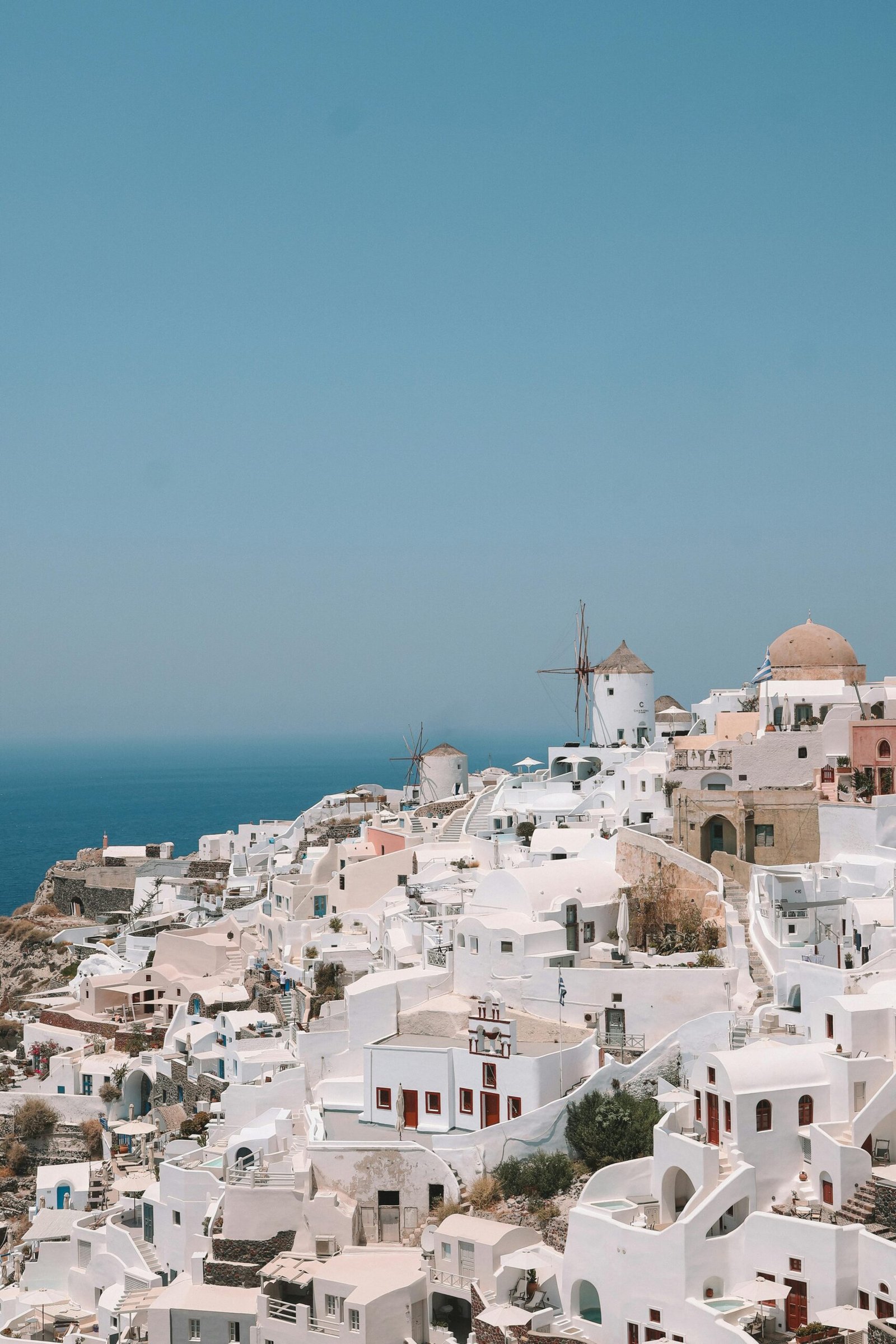
Why Most First-Timers to Santorini Leave Slightly Disappointed usually starts with a very specific assumption: that the island will feel like the image they have seen for years. That image is tidy, dramatic, and empty of friction. Santorini in peak season is none of those things.
The disappointment is rarely about one bad meal or one crowded viewpoint. It is usually the gap between an imagined private experience and a very public one, where everyone is trying to have the same perfect moment at the same time.
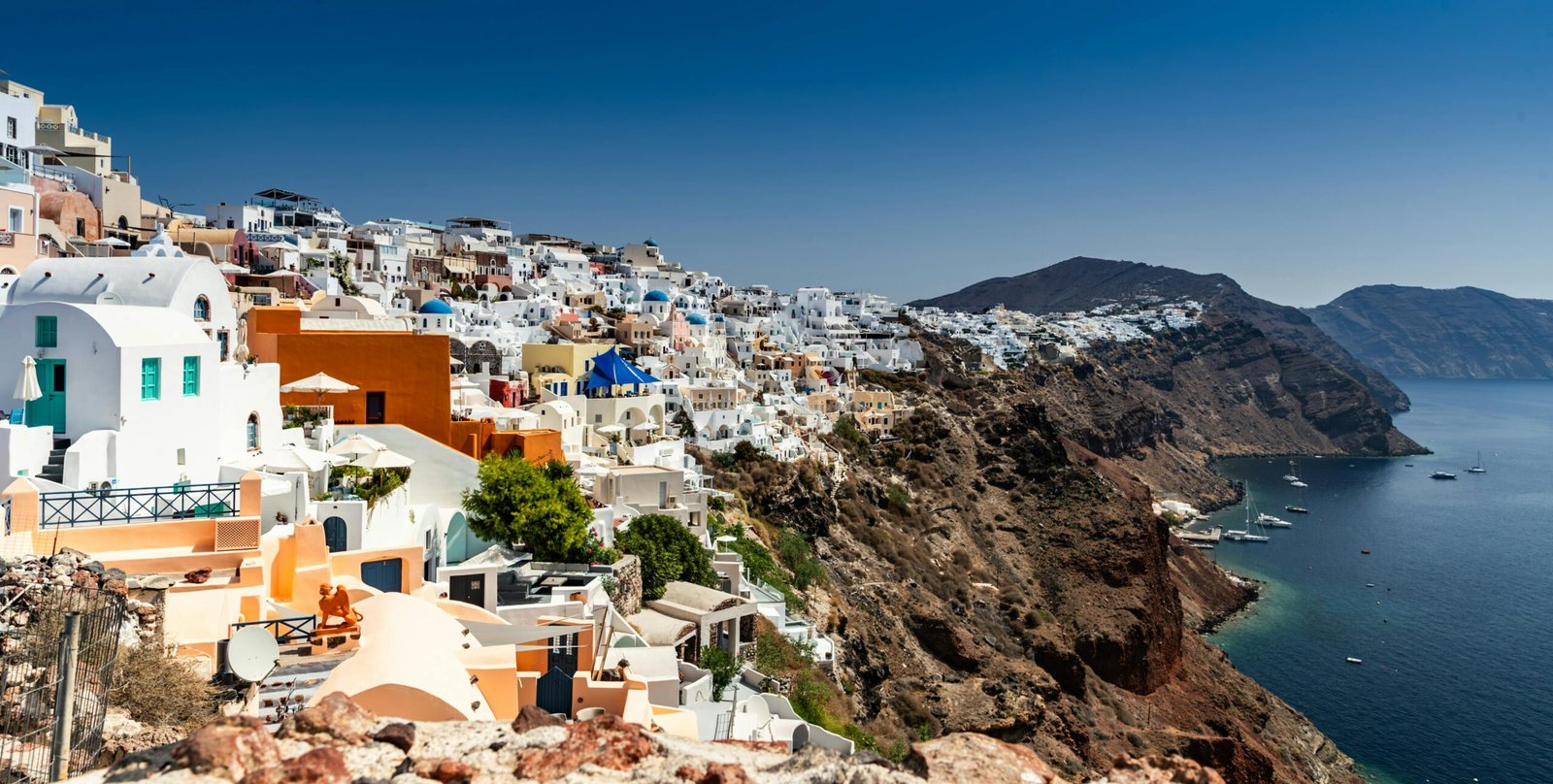
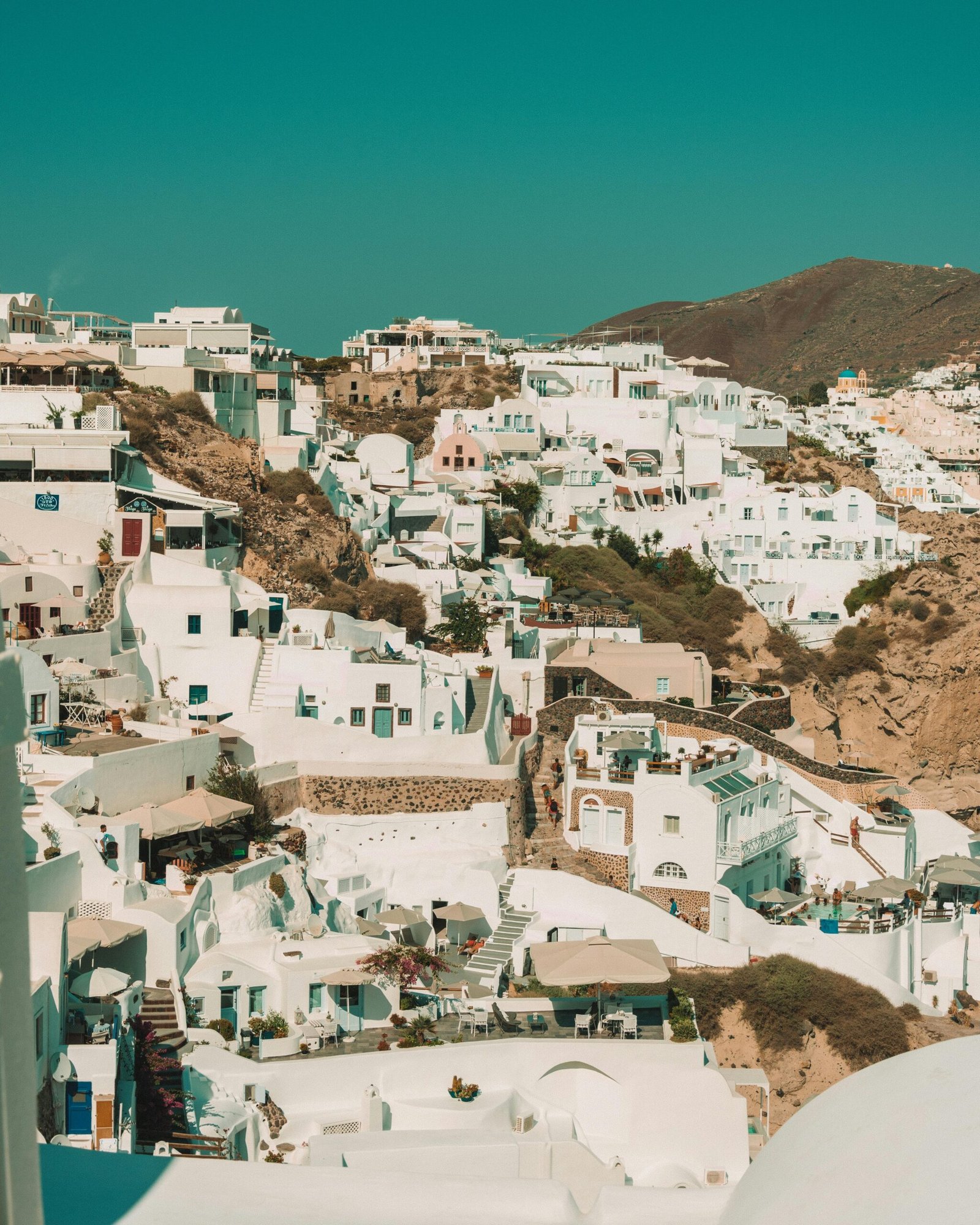
Why Most First-Timers to Santorini Leave Slightly Disappointed
Why Most First-Timers to Santorini Leave Slightly Disappointed is not a mystery to anyone who sells Greece for a living. The pattern is predictable: people arrive wanting the island to confirm a fantasy, then feel irritated when it behaves like a real place with crowds, queues, high prices, and visible strain in peak season.
The core mistake is emotional, not logistical. Travelers do not just choose Santorini for the scenery; they choose it to feel like they have made the right, elevated, taste-making decision. That pressure is exactly why the letdown lands harder than it does in more ordinary destinations.
The fantasy is not about the island, it is about the self-image
Most first-timers are not only buying a destination. They are buying a version of themselves who knows what to book, where to go, and how to travel “well.” Santorini becomes a proof point: if the trip is exceptional, then the traveler feels exceptional too.
That is why Why Most First-Timers to Santorini Leave Slightly Disappointed is so often tied to expectations that are too personal. The island is carrying the weight of identity, not just vacation planning. When the scene feels crowded or commercial, the traveler does not just think the island is busy; they feel their own judgment has been exposed.
Why Most First-Timers to Santorini Leave Slightly Disappointed in peak season
Peak season is where the image breaks first. Santorini is compact, heavily visited, and built around a small number of high-demand viewpoints and dining areas. That means the island can feel less like a serene retreat and more like a shared stage with a lot of people waiting for the same angle.
Here is the blunt truth: if you want Santorini at its most photogenic and least stressful, peak season is the wrong time. The island still delivers the caldera views, but it also delivers congestion, inflated pricing, and a constant sense that you are one of many people trying to capture the same moment. That trade-off is what first-timers underestimate.
Travelers often notice the mismatch on the first evening, when the mood they expected does not arrive on cue. The island looks familiar from photos, yet the lived experience is noisier, tighter, and more commercial than they had pictured. That is usually when Why Most First-Timers to Santorini Leave Slightly Disappointed becomes a personal feeling rather than a theory.
The emotional gap: postcard calm versus operational reality
The postcard version of Santorini suggests ease. The real version asks you to share narrow spaces, accept slower service, and tolerate a lot of other people making the same choices you made. Those are not dealbreakers, but they do change the emotional tone of the trip.
The biggest surprise for many first-timers is not that Santorini is busy. It is that the busyness affects everything from patience to perception. A beautiful view feels less restorative when you have had to work for it, wait for it, and stand near ten other people trying to photograph it at the same time.
This is where the disappointment becomes psychological. Travelers expected relief and receive friction. They expected a clean visual experience and get a heavily managed, high-demand destination that asks for patience at every turn.
The specific moment the disappointment usually hits
It often happens at sunset, which is exactly why the letdown feels so sharp. People arrive expecting a private emotional payoff and instead find a crowd with the same plan, the same phone out, and the same sense of urgency. The moment becomes less about being present and more about competing for space.
That is the precise point where Why Most First-Timers to Santorini Leave Slightly Disappointed stops being abstract. The traveler realizes the island is not failing to be beautiful; it is failing to be exclusive, quiet, or effortless in the way the fantasy promised. That is a very different problem, and a more honest one.
If you want a broader sense of how Greece manages cultural sites and visitor pressure, official resources such as
Visit Greece are worth reading before you lock in assumptions. Not because they solve the crowd issue, but because they remind you that popular places are still working places.
Traveler types most prone to this pattern
Some people are simply more vulnerable to Santorini disappointment than others. The issue is not taste; it is expectation style. Travelers who need a destination to feel clean, exclusive, and aesthetically controlled are the ones most likely to leave annoyed.
- First-time Greece visitors who are using Santorini as their “big reveal” destination
- Couples expecting intimacy to be built into the island rather than planned around it
- Travelers with limited time who want maximum emotional payoff from a short stay
- People who are highly influenced by social media imagery and less by practical context
These travelers are not wrong to want something memorable. They are wrong to assume the island will deliver that feeling automatically. Santorini asks for more self-awareness than most people bring to a first visit.
The counterintuitive truth: the more famous the island, the less private it feels
This is the part most blogs soften, but I won’t. Fame changes the experience. The more a place becomes a symbol, the less it behaves like a normal destination, and Santorini has been a symbol for years.
That is why Why Most First-Timers to Santorini Leave Slightly Disappointed is not a complaint about quality. It is a complaint about scale, visibility, and the gap between a destination’s public image and its actual capacity. Travelers expect exclusivity from a place that has become globally accessible, and that expectation is simply outdated.
For travelers who care about Greek history and context, balancing Santorini with a more grounded cultural stop can help reset expectations. The Acropolis Museum is a good example of how a high-profile Greek experience can still feel structured, informative, and less emotionally chaotic than a peak-season island stop.
How to approach Santorini differently
The better approach is not to lower your standards. It is to stop asking Santorini to be something it is not. Treat it as a high-demand, high-visibility island with real appeal, not as a private fantasy made public.
That shift changes the planning consequence immediately. You stop expecting the island to provide the emotional tone for the whole trip, and you start building a trip around what you actually do well: tolerating crowds, valuing views, liking structure, or wanting a short, visually strong stay rather than a slow one.
Greece rewards travelers who arrive with a plan, and Santorini especially rewards travelers who know what they are paying for. If your real goal is calm, privacy, and unforced local texture, you should say that out loud before booking. If your real goal is the iconic caldera and you can accept the trade-offs, then the island makes sense.
What a more honest Santorini decision looks like
A better Santorini decision starts with emotional clarity. Ask whether you want the island itself, or whether you want what the island represents in your mind. Those are not the same thing, and confusing them is how disappointment gets booked in advance.
Why Most First-Timers to Santorini Leave Slightly Disappointed is ultimately a lesson in matching destination to emotional need. If you want spectacle, Santorini can still deliver. If you want ease, privacy, and a sense of discovery, you are probably asking the wrong island to do the job.
Recognizing the pattern is the first step. The second is building a trip around how you actually travel — not the traveler you imagine yourself to be. Most great Greece experiences start with that honesty.
Frequently asked questions
Why do first-time visitors expect so much from Santorini?
Because Santorini has been marketed, photographed, and repeated as a visual shorthand for Greek island travel. People arrive with a preloaded idea of calm, exclusivity, and romance, then discover a very popular destination with real crowd pressure.
What is the main reason first-timers feel disappointed in Santorini?
The main reason is the gap between the island image and the peak-season reality. Crowds, high prices, and limited space make the experience feel less private and less effortless than many travelers expect.
At what point does Santorini usually feel disappointing?
For many people, it happens at sunset or in the busiest village areas, when the hoped-for emotional moment turns into a shared, crowded event. That is when the fantasy and the reality collide most clearly.
Is Santorini still worth visiting for a first trip to Greece?
Yes, if you understand what you are getting. Santorini is worth visiting for its views and its iconic status, but not if you expect quiet, spontaneity, or a low-friction island experience in peak season.
Who is most likely to be underwhelmed by Santorini?
Travelers who want privacy, authenticity in the everyday sense, or a relaxed pace are the most likely to feel underwhelmed. So are people who are heavily influenced by social media imagery and expect that look to translate directly into the lived experience.
How can I avoid being disappointed by Santorini?
Be honest about your priorities before you book. If you want spectacle, go in knowing you are choosing a high-demand destination. If you want calm, choose a different island or adjust the timing and expectations.