

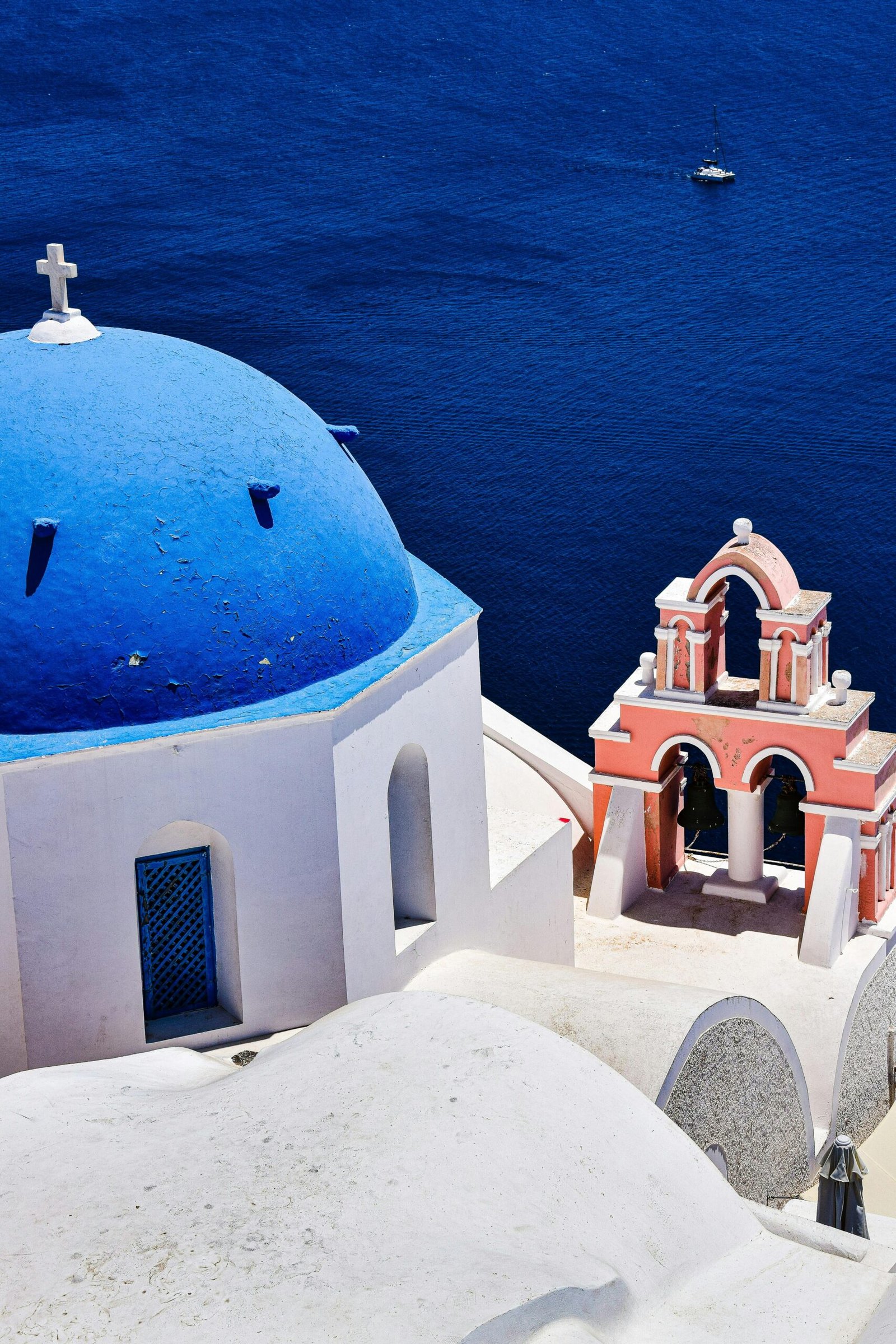
Why Santorini Is Best in Theory, Not in Real Life is the fastest honest answer for travelers who want a relaxed Greek island escape and are assuming Santorini will deliver it by default. It can be excellent, but only for the right traveler, at the right time, with realistic expectations about cost, crowds, and the amount of friction built into the island.
The mistake most people make is treating Santorini like a simple holiday destination. It is not simple, and that is the core issue: the island is designed around demand, not ease.
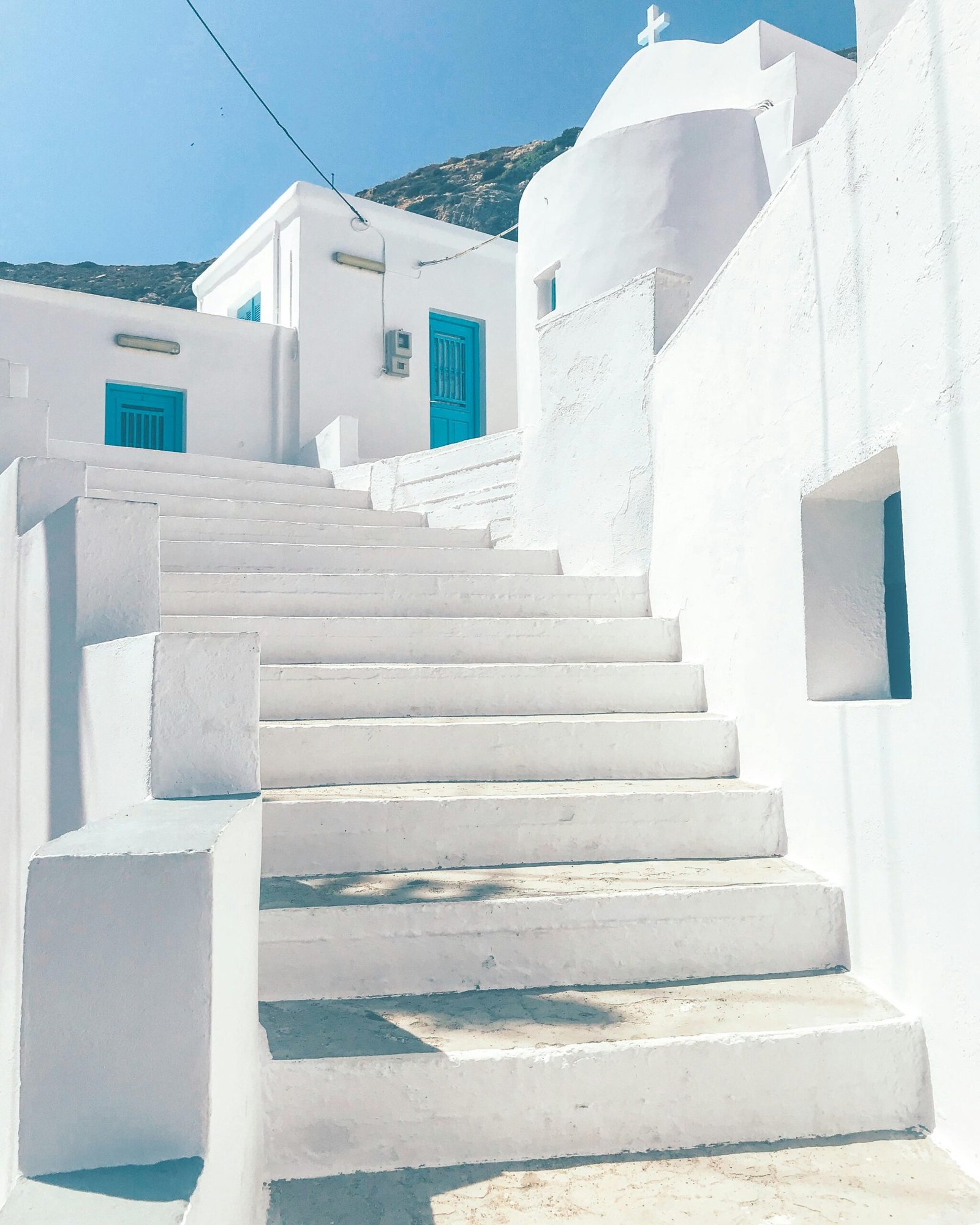
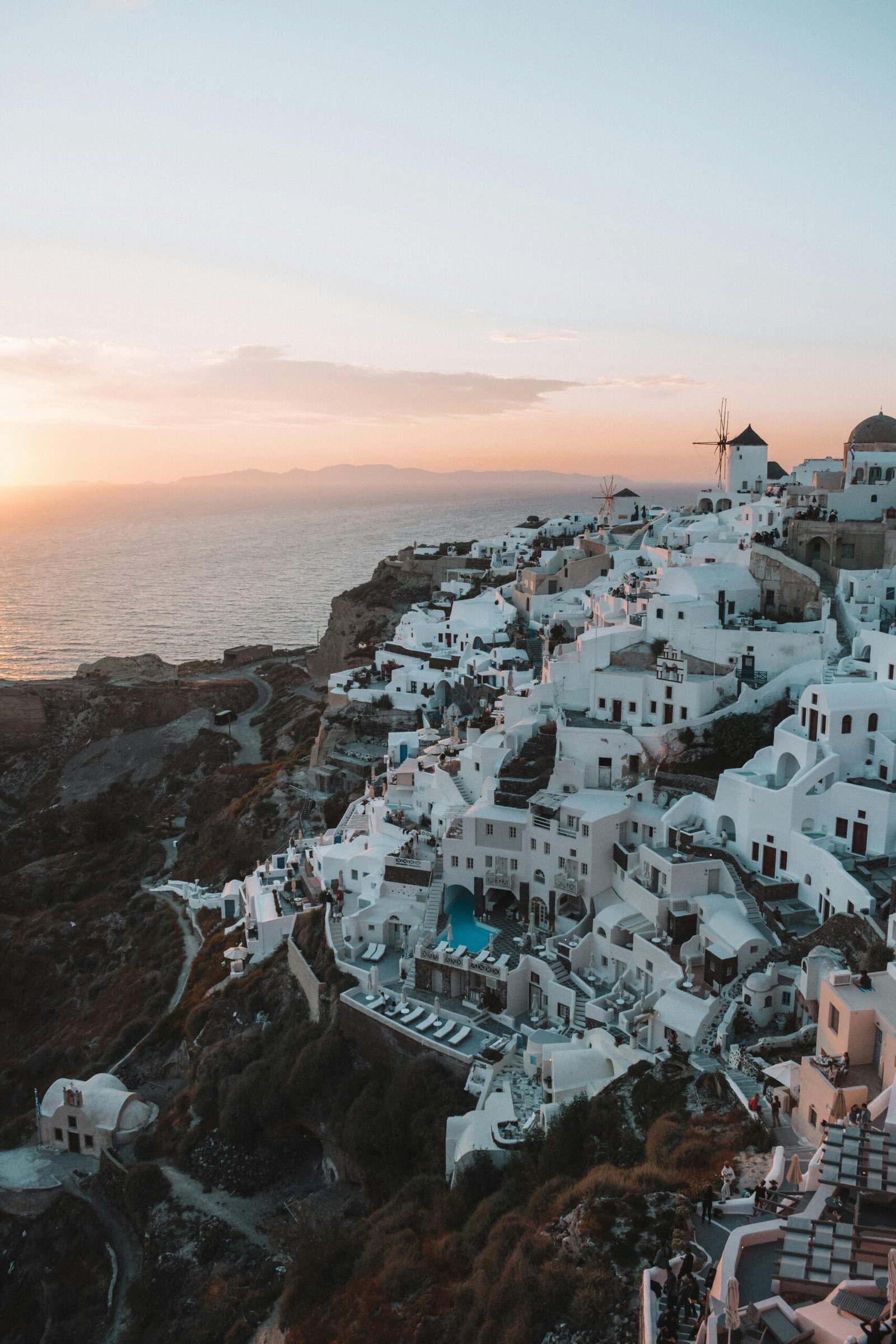
Why Santorini Is Best in Theory, Not in Real Life
Santorini has one of the strongest travel reputations in Europe, and that reputation is not random. The views are real, the caldera setting is genuinely distinctive, and the island delivers a very specific kind of trip that few places can match. But the same factors that make it famous also make it less forgiving in practice.
This is where Why Santorini Is Best in Theory, Not in Real Life becomes more than a catchy phrase. The island is sold as a dream, yet many travelers are actually looking for something calmer, easier, and more flexible than Santorini is built to provide.
Why Santorini Is Best in Theory, Not in Real Life: the core problem
The core problem is that Santorini is optimized for high demand, short stays, and premium spending. That means many of the things travelers expect from an island escape — easy movement, spontaneous dining, low stress, and quiet privacy — are the first things to get compromised.
Most travelers assume Santorini is a place to relax by default, but actually it often feels like a place you have to manage. You are not just paying for the island; you are paying to navigate its popularity, its bottlenecks, and its pricing structure. That is why Why Santorini Is Best in Theory, Not in Real Life is a useful warning, not a cynical take.
When Santorini is the right choice
Santorini works when the trip is about a specific experience rather than a broad island holiday. If you want caldera views, a polished hotel stay, a strong dining scene, and you are comfortable paying for convenience, the island can absolutely justify itself. It is also a reasonable choice for travelers who value a compact, high-impact destination and do not mind planning around peak periods.
The island is strongest for couples, celebratory trips, and travelers who are already used to premium destinations. If you know what you are buying, Santorini can deliver it cleanly. Greece rewards travelers who arrive with a plan, and Santorini punishes the ones who assume they can wing it.
When Santorini is the wrong choice
Santorini is the wrong choice for travelers who want an easygoing beach break, a low-budget island, or a place where the day can unfold casually. It is also a poor fit for families who want space, flexibility, and simple logistics without constantly working around crowds and higher prices.
Here is the clear position: if your main goal is a relaxed Greek island holiday, Santorini is usually the wrong island. You can make it work, but you will spend energy compensating for the island instead of enjoying it. That is not a problem if you came for the views and the hotel experience. It is a problem if you came for ease.
What most travelers assume, but actually happens
Most travelers assume the famous views automatically translate into a great trip. Actually, the views are the easy part; the hard part is everything around them. Crowding, timing, and price pressure shape the day-to-day experience more than the postcard image does.
Another common assumption is that a small island should feel simple. Santorini is small, yes, but small does not mean convenient. In peak periods, a compact island can feel more compressed, not less, because everyone is trying to use the same limited spaces at the same times.
For travelers who care about Greek culture beyond the view, Santorini can feel thin compared with islands that have a stronger everyday rhythm. If that matters to you, a broader Greece itinerary often works better, and official sources like
Visit Greece are a better starting point for comparing destinations than social media clips.
Trade-off matrix: traveler type, season, and style
Use this as a practical filter, not a romantic one. Santorini changes a lot depending on how you travel and when you go.
- Couples on a celebratory trip: Strong fit if the budget is comfortable and the trip is built around views, dining, and a polished stay.
- Families with children: Mixed fit at best; the island is not built for easy movement or casual, low-friction days.
- Budget travelers: Poor fit; the island is one of the easiest places in Greece to overspend without getting proportional value.
- Luxury travelers: Good fit if privacy, service, and scenery matter more than spontaneity.
- Shoulder-season travelers: Better fit than peak season, because the island is less compressed and less draining.
- Peak-season travelers: Only worth it if you accept crowds as part of the product.
The season matters more than most people admit. In quieter periods, Santorini can feel composed and worth the cost. In high season, the same island can feel overworked, expensive, and oddly transactional.
What travelers consistently underestimate
The biggest underestimate is how much the island asks you to care about timing. Not in a dramatic sense, but in a practical one: when you move, when you eat, when you try to enjoy the view, when you expect quiet. If you are the kind of traveler who dislikes planning around peak hours, Santorini will frustrate you quickly.
People also underestimate how quickly the cost-benefit equation changes once you start comparing Santorini with other Greek islands. The price of the experience rises faster than the quality of the actual holiday for many travelers. That is why the island feels impressive in theory and less satisfying in real life for a large segment of visitors.
If you care about the broader cultural context of Greece, pair your trip planning with a realistic look at the country’s heritage and public institutions, not just the resort layer. The Ministry of Culture is a more grounded reference point than influencer content when you want to understand what Greece actually prioritizes and preserves.
How to judge whether Santorini fits your trip
Ask yourself one simple question: are you buying a destination, or are you buying a specific scene? Santorini works when the scene is the point. It disappoints when you want the destination to carry the whole trip.
If you want movement, variety, casual beach time, and easy daily decisions, look elsewhere. If you want a concentrated stay with strong visual payoff and you are comfortable paying for that concentration, Santorini makes sense. That is the real dividing line, and it is more useful than any generic “best island” ranking.
In plain terms, Why Santorini Is Best in Theory, Not in Real Life is not saying the island is bad. It is saying the island is often mismatched with the way people imagine a Greek island holiday should feel.
Conclusion: the practical answer
Santorini is worth it for travelers who want a premium, highly curated stay and are willing to accept crowds, higher costs, and less flexibility. It is not the best choice for travelers chasing an easy, relaxed, no-fuss island escape. That mismatch is the reason so many first-time visitors leave impressed by the view but underwhelmed by the trip.
The right answer depends on how you actually travel — your pace, your priorities, and what you’re willing to trade off. If you’re not sure which option fits, that uncertainty is itself useful information.
Recommended experiences
Some experiences mentioned here are curated and managed by Elite Greece Travels.
- Athens Milos Santorini Itinerary 9 Days — Itinerary (managed by Elite Greece Travels).
- Greece 7 Day Itinerary Athens Delphi Meteora Santorini — Itinerary (managed by Elite Greece Travels).
- Santorini Sunset Cruise With Dinner In The Caldera — Cruise (managed by Elite Greece Travels).
Frequently asked questions
Is Santorini worth visiting if I have never been to Greece before?
Yes, if you want a high-impact, premium first impression and you understand that the island is not an easygoing all-purpose Greek island. If you want your first Greece trip to feel relaxed and varied, Santorini is often not the best first choice.
Why do people say Santorini is overrated?
Because the real experience often includes crowds, high prices, and more planning than travelers expected. The view is real, but the day-to-day friction is real too, and that gap is what drives the overrated label.
Is Santorini better for couples than for families?
Usually yes. Couples are more likely to value the premium hotel scene, the views, and the focused atmosphere. Families often run into practical friction faster, especially if they want flexibility and easy movement.
What is the biggest mistake travelers make with Santorini?
They assume the island will feel effortless because it is famous and compact. In reality, compact and famous often means crowded, expensive, and time-sensitive.
Is Santorini still worth it in peak season?
Only if you accept that peak season is part of the product. If crowds and higher prices bother you, peak season is exactly when Santorini feels most like a compromise.
What kind of traveler should skip Santorini?
Travelers who want a relaxed beach holiday, budget value, or a flexible island experience should usually skip it. They are the most likely to feel that the island is all image and too little ease.