

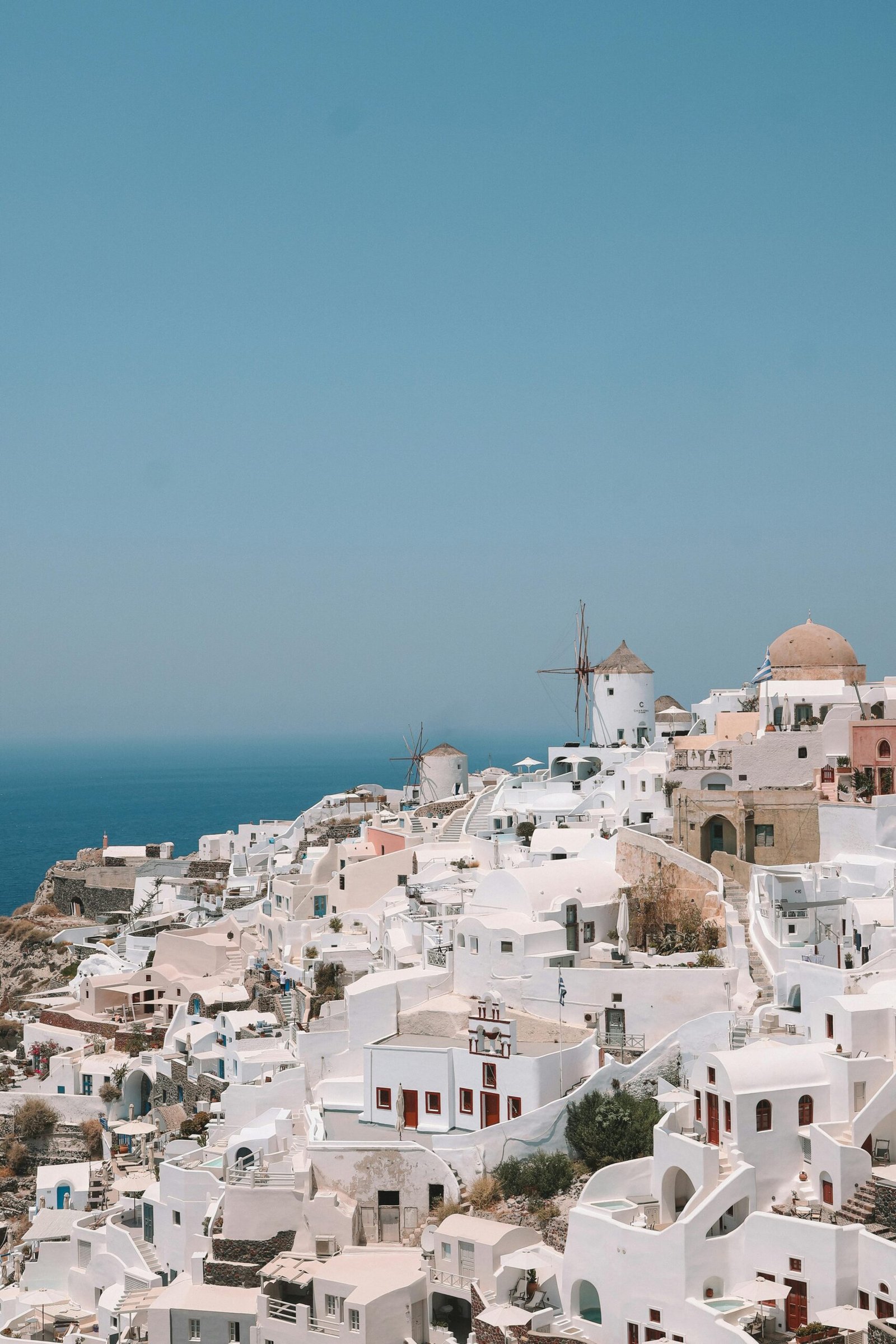
Why Most First-Timers to Santorini Leave Slightly Disappointed starts with a simple psychological trap: people arrive expecting a place to perform the version of Santorini they have been fed online, not the one that exists in peak season. That gap is where the frustration begins, usually before they have even unpacked.
This is not about Santorini being overrated. It is about travelers arriving with a very specific emotional script — romance, ease, privacy, and constant visual payoff — and then discovering that the island is busy, expensive, and less forgiving than they expected. Once you see that pattern, the disappointment makes sense.
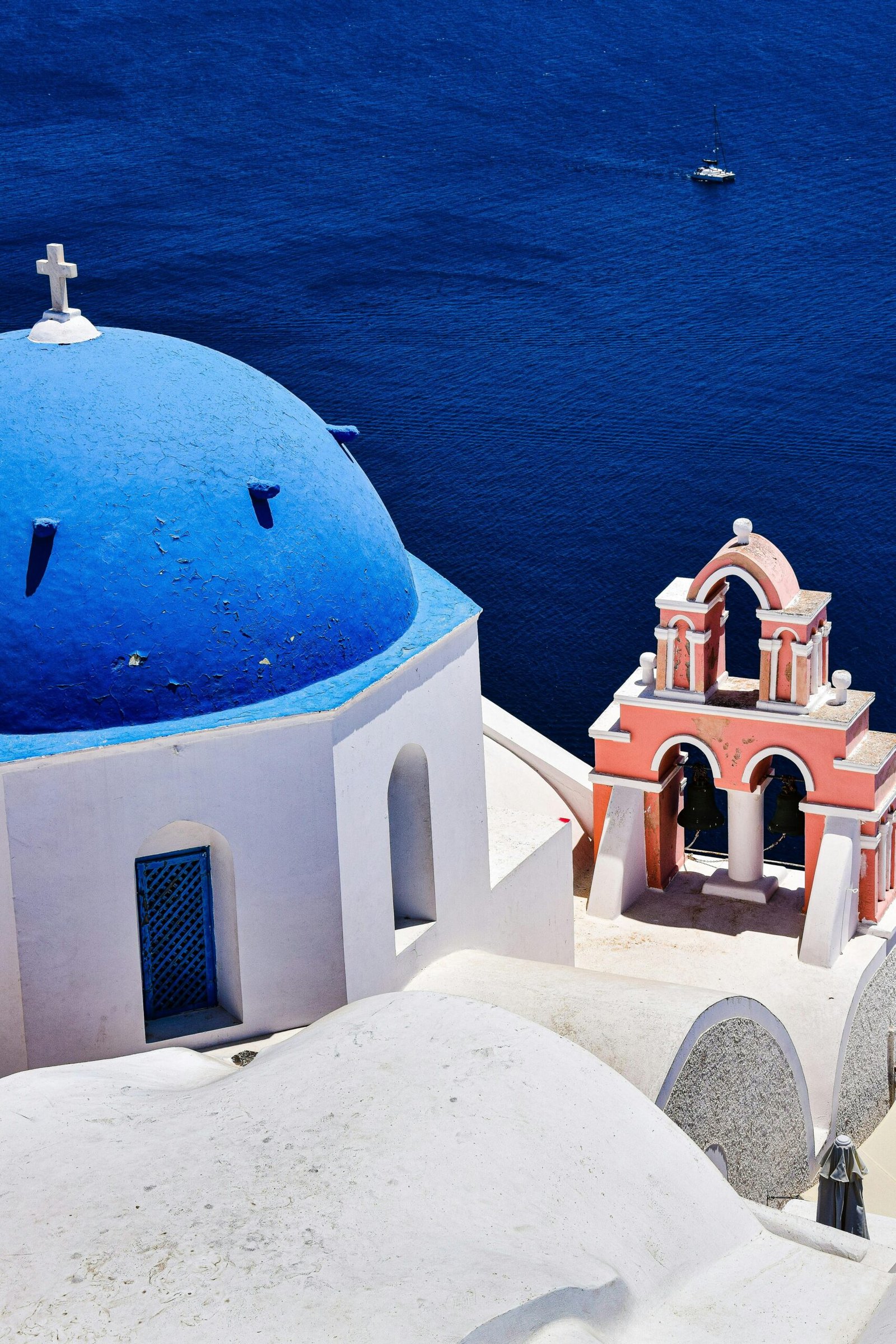
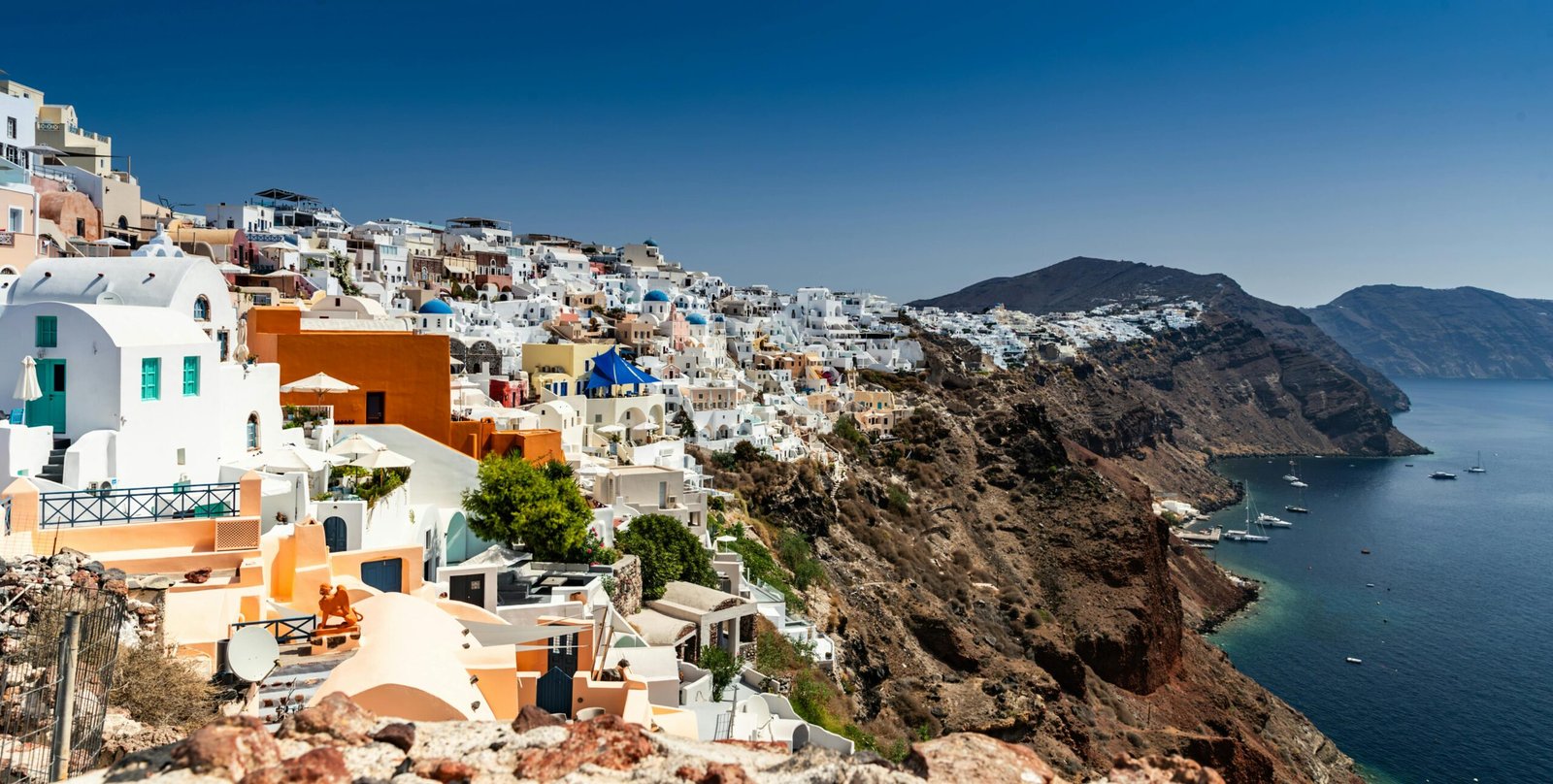
Why Most First-Timers to Santorini Leave Slightly Disappointed
The real issue is not that Santorini fails. It is that first-timers often choose it for what it symbolizes, not for what the trip will actually feel like in high season. They are buying an image of effortlessness, then arriving in a place where timing, crowds, and price all matter more than they wanted to admit.
That is why Why Most First-Timers to Santorini Leave Slightly Disappointed is such a common search and such a common outcome. The island is still worth visiting, but the emotional contract most people think they are signing is not the one Santorini is offering in July, August, or even busy shoulder dates.
The fantasy is usually about identity, not destination
People do not just want to see Santorini. They want to feel like the kind of traveler who has “done” Santorini properly. That is a different motive, and it leads to different decisions: the most photographed town, the most recognizable view, the most obvious hotel category, the most obvious dinner reservation.
This is where Why Most First-Timers to Santorini Leave Slightly Disappointed becomes predictable. When the trip is built around proving something — to yourself, to a partner, to social media, to friends who have been — the destination gets treated like a backdrop for validation. Santorini is a poor place to chase validation because it is too busy, too commercial, and too expensive to stay emotionally flattering for long.
What travelers expect vs what they actually feel
Expectation: a calm, polished island where every moment looks and feels special. Reality: a place with intense foot traffic, frequent congestion in the most famous areas, and a constant sense that other people are trying to get the same experience at the same time. That mismatch creates a low-grade irritation that many travelers do not name until the end of the trip.
Expectation: romance. Reality: logistics, price shock, and a lot of waiting for the island to feel as private as it looks in photos. Expectation: effortless beauty. Reality: a destination that asks you to be strategic, patient, and willing to pay for convenience. That is the emotional gap behind Why Most First-Timers to Santorini Leave Slightly Disappointed.
There is also a quieter disappointment that people rarely admit. They expected to feel more relaxed, but instead they spend too much attention managing dinner times, view points, and crowd levels. Once a trip starts to feel managed, many travelers interpret that as failure, even when the destination is doing exactly what it has always done.
The moment disappointment usually hits
It usually hits when the first-timer realizes the famous view is shared with a lot of other people. Not because the view is bad — it is not — but because the emotional fantasy depended on ownership. The traveler imagined a private encounter with the island and instead finds a highly visible, highly trafficked version of it.
That moment is sharper in peak season, when the island’s most recognizable areas can feel crowded even before evening. The disappointment is rarely dramatic. It shows up as a quiet internal recalculation: this is beautiful, but this is not what I thought I was paying for.
That is the point where Why Most First-Timers to Santorini Leave Slightly Disappointed stops being abstract and becomes personal. The problem is not the island. The problem is that the trip was built around a fantasy of exclusivity in a place that is structurally famous.
Why peak season makes the gap worse
Peak season does not just add more people. It changes the emotional texture of the island. The same places that feel polished in photos can feel compressed in real life, and once that happens, travelers stop noticing the beauty first and start noticing the inconvenience first.
Here is the counterintuitive part: some travelers are not disappointed because Santorini is too crowded. They are disappointed because they expected crowds to be proof that the place must be worth it, and then they resent the crowds once they arrive. That is a very human contradiction, and it is one reason the island frustrates first-timers so reliably.
Peak season also exposes a planning mistake that people underestimate: they assume a famous island will still feel generous under pressure. Santorini does not work like that. The more you want the classic version of the island, the more you need to accept that you are visiting a place operating at full visibility.
Traveler types most prone to this pattern
Some travelers are more vulnerable to this disappointment than others. The common thread is not budget or age. It is expectation style — the way they imagine a destination should make them feel.
- First-time Greece visitors who want the “best” island without yet knowing the trade-offs.
- Couples planning a milestone trip and expecting the destination to carry the emotional weight for them.
- Travelers who make decisions from photos and assume the real-life experience will match the frame.
- People who dislike friction but choose a high-demand destination anyway because it feels culturally necessary.
These travelers are not naive. They are often highly motivated and emotionally invested, which is exactly why the letdown lands harder. Why Most First-Timers to Santorini Leave Slightly Disappointed is often less about ignorance and more about overinvestment in an image.
The mistake is usually choosing Santorini for the wrong emotional job
Santorini is often chosen as if it were a universal answer: romance, relaxation, celebration, prestige, and Greece all in one place. That is too much to ask of any destination, and Santorini is especially bad at absorbing that much expectation without friction. If you want ease, privacy, and a sense of unfolding discovery, this is not the cleanest choice in peak season.
I will take a clear position here: Santorini is a strong choice for travelers who understand exactly what they are buying, and a weak choice for travelers hoping the island will solve their vacation anxiety. That is why Why Most First-Timers to Santorini Leave Slightly Disappointed keeps repeating itself. The island is not disappointing because it lacks value; it is disappointing because too many people ask it to deliver the wrong kind of value.
If you want a broader sense of what kind of Greece trip actually fits your temperament, start with the country as a whole rather than the island everyone talks about. The official tourism baseline at
Visit Greece is useful precisely because it reminds you that Santorini is one part of a much larger country, not the definition of it.
What a better approach looks like
The better approach is not to lower your standards. It is to define the trip more honestly. If you want Santorini, go because you want Santorini — not because you want the idea of having been there. That distinction changes the whole planning conversation.
It also means accepting that peak season asks for more tolerance than many first-timers want to give. The right question is not whether Santorini is worth it in an abstract sense. The right question is whether you are willing to experience a famous place as a famous place, with all the pressure that comes with that. Once you answer that honestly, the trip gets easier to shape.
For travelers who care about context as much as scenery, cultural grounding matters too. Greece is not just a collection of islands; it is a country with a long civic and historical memory, and that depth is part of why the trip feels richer when you stop treating one destination as the whole story. The Hellenic Ministry of Culture is a useful reminder that the country’s value is bigger than the most photographed viewpoint.
Reframing Santorini without the disappointment
The cleanest reframe is this: Santorini is not a place to expect ease from. It is a place to choose deliberately, with clear eyes about season, crowding, and cost. When travelers make that shift, the island stops feeling like a test and starts feeling like a specific kind of experience with known trade-offs.
That is the only way to avoid the familiar pattern behind Why Most First-Timers to Santorini Leave Slightly Disappointed. Do not ask the island to confirm your fantasy. Ask whether the reality of the place matches the kind of trip you actually want.
Recognizing the pattern is the first step. The second is building a trip around how you actually travel — not the traveler you imagine yourself to be. Most great Greece experiences start with that honesty.
Frequently asked questions
Why do so many first-time visitors feel let down by Santorini?
Because they expect a private, effortless version of the island and arrive in peak season reality: crowds, higher prices, and a destination that requires more tolerance than the photos suggest.
Is Santorini still worth visiting for first-timers?
Yes, if you understand what you are choosing. It is worth visiting for travelers who want a famous, high-demand Greek island and accept the trade-offs that come with that status.
What is the biggest mistake first-timers make with Santorini?
They choose it for the image it projects rather than the experience it will actually deliver in the season they are traveling.
Why does peak season make Santorini feel more disappointing?
Because the island’s most famous areas lose the sense of space and ease that many travelers are subconsciously expecting. The beauty is still there, but it becomes harder to enjoy when everything feels compressed.
Who is most likely to be disappointed by Santorini?
Travelers seeking privacy, couples expecting the destination to carry the romance for them, and people who make decisions from photos rather than from an honest read on the place.
How should I think about Santorini differently to avoid disappointment?
Treat it as a high-profile, high-demand destination with clear trade-offs. If you choose it knowingly, the experience is usually far better than if you expect it to behave like a quiet island escape.