

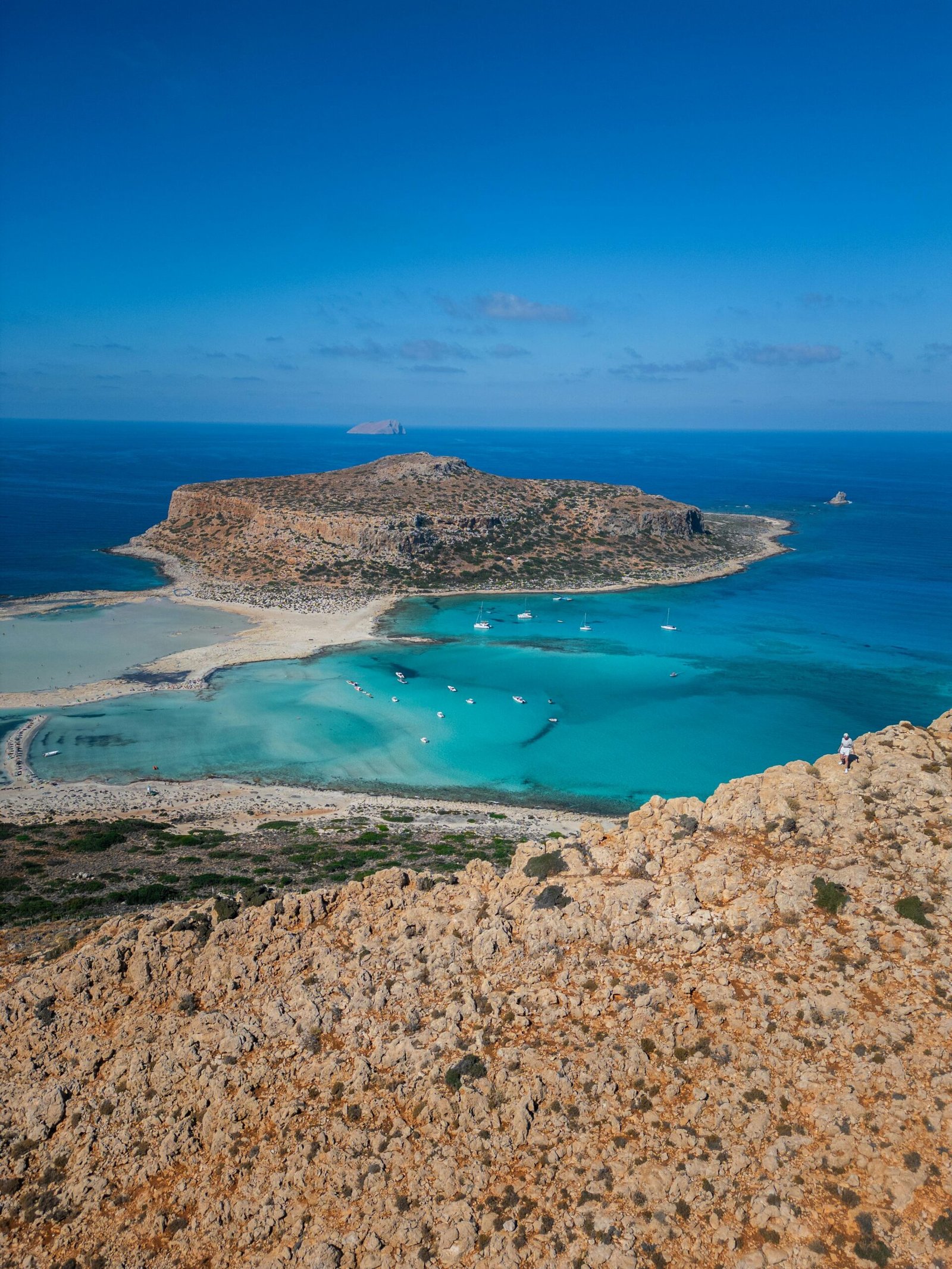
Crete Is Not One Trip: It’s Three Different Greeces, and that is the first thing most travelers misunderstand. They see one island and assume one base, one mood, and one style of holiday will work everywhere. It won’t. Crete is large enough that the west, center, and east behave like different destinations, and the wrong setup wastes time, money, and energy.
The real question is not whether to go to Crete. It is whether your trip is built for beaches, food, culture, hiking, family comfort, or a slower luxury pace that can absorb distance and change. If you plan Crete like a compact island, you will make avoidable mistakes.
Crete Is Not One Trip: It’s Three Different Greeces
Crete Is Not One Trip: It’s Three Different Greeces, and I say that as someone who has seen too many itineraries collapse under their own ambition. Crete is not difficult because it is remote; it is difficult because it is deceptively large, and each part of the island asks for a different style of travel. If you ignore that, you end up spending your best hours in transit and your worst hours in the wrong neighborhood.
Crete Is Not One Trip: It’s Three Different Greeces — and that changes everything
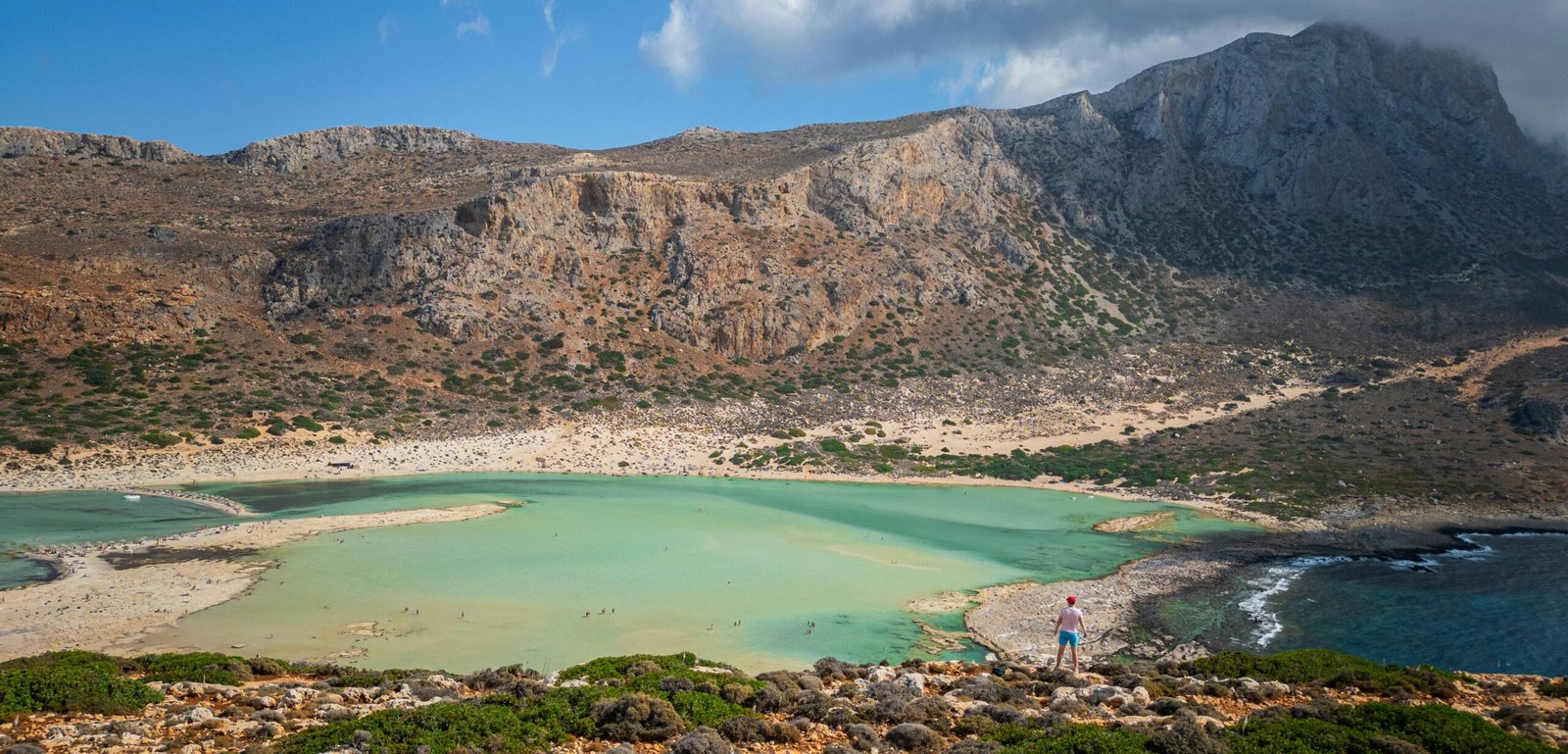
The west side is where many first-timers land because it offers the strongest mix of polished resorts, good dining, and easy access to places like Chania Old Town, Elafonissi, and the Samaria Gorge area. This is the part of Crete that works best for travelers who want variety without constant course-correction. It is also where expectations are most likely to be met, which is not something I say lightly about Greek islands.
The center around Heraklion, Knossos, and the wine country feels more functional, more urban, and less curated for leisure. That is not a flaw. It is the part of Crete that makes sense for travelers who care about archaeology, local food, and a more lived-in feel rather than a polished resort experience.
The east, especially around Agios Nikolaos, Elounda, and the Mirabello area, is calmer and more spread out. It suits travelers who want a slower pace and are willing to accept that “quiet” usually means fewer dining and activity options nearby. Crete Is Not One Trip: It’s Three Different Greeces because each zone serves a different kind of traveler, and pretending otherwise is where trip design goes wrong.
What travelers consistently get wrong
The first mistake is trying to “see Crete” from one base. That sounds efficient until you realize how much of the island you are choosing not to experience, or how many long days you are forcing into a holiday that should feel restorative. A single base can work, but only if you accept the trade-off: fewer places, deeper comfort, less movement.
The second mistake is treating Crete like a beach-only destination. The beaches are strong, yes, but the island’s real value is the combination of coastline, food culture, mountain interior, and historical depth. Travelers who skip that context often leave saying Crete felt bigger and more fragmented than they expected, which is really a planning failure, not a destination problem.
A third mistake is underestimating how location shapes the quality of the trip. In Crete, the wrong accommodation zone can mean long daily drives, limited dinner choices, and a holiday that feels more logistical than relaxing. That is the practical consequence people only notice after they have booked.
Where the island actually makes sense: Chania, Heraklion, Elounda, Rethymno, and beyond
Chania is the clearest choice for travelers who want atmosphere without giving up practical comfort. The old town, waterfront, and nearby western beaches give you a strong base, but the area is popular for a reason, so you are trading ease of access for busier streets and higher demand. If you want the west side, Chania is usually the correct anchor.
Heraklion is often dismissed too quickly, and that is a mistake. It is not the prettiest city on the island, but it is the most useful for travelers who want museums, Minoan sites, serious dining, and a more urban rhythm. If you care about Crete as a cultural destination rather than just a resort island, this area matters.
Elounda is for travelers who want a more controlled, upscale environment and are willing to pay for it. You gain calm, service, and a sense of order. You give up spontaneity, broad nightlife, and the easy street life that makes Chania feel more immediate.
Rethymno sits in a useful middle ground. It has enough character to feel like a place, not just a base, and enough access to work for travelers who want a balanced trip. For many couples and repeat Greece visitors, it is the most underrated compromise on the island.
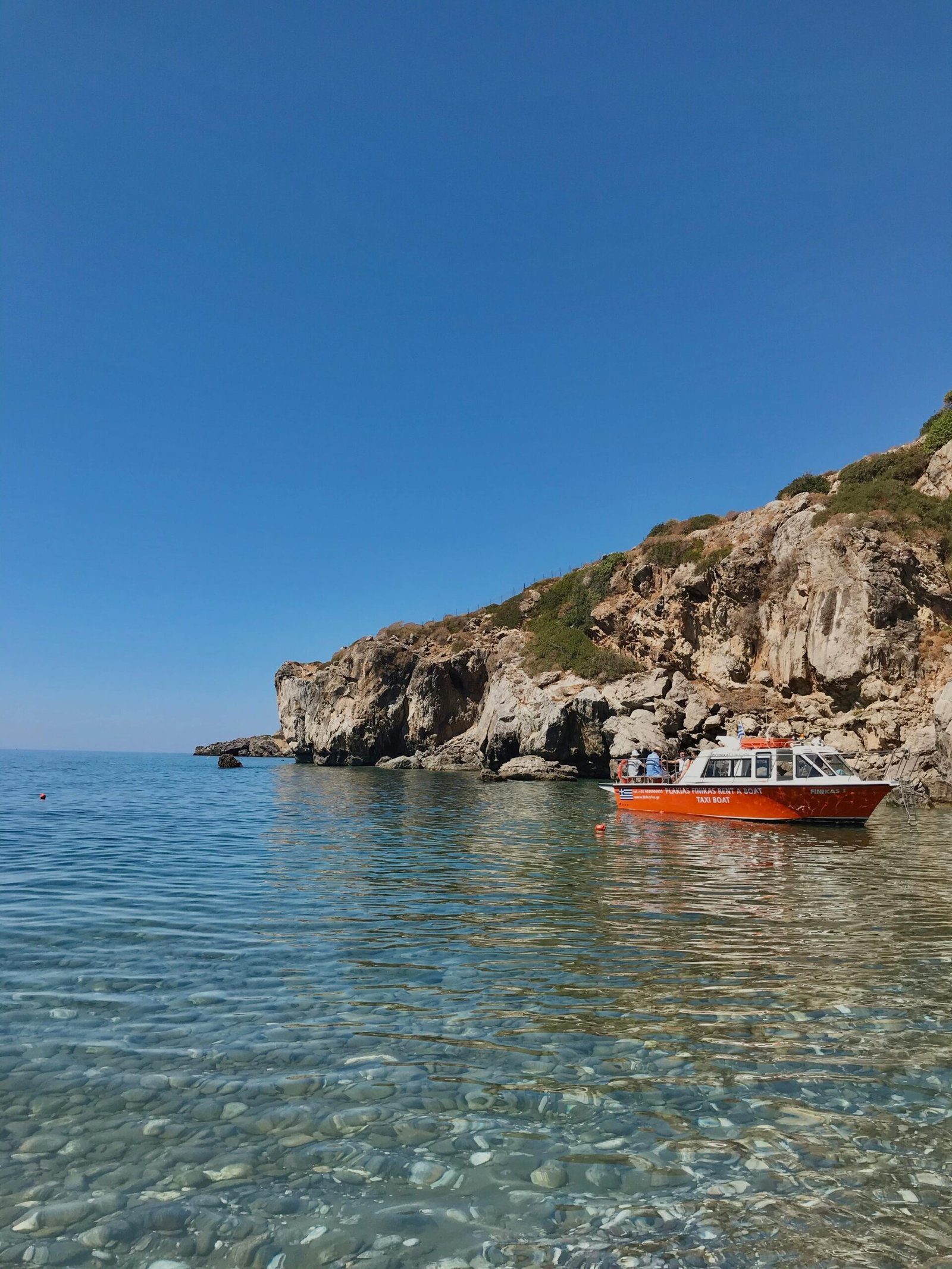
Then there are places like Plakias, Matala, and Agios Nikolaos, which appeal to very different traveler types. Plakias works for people who want a quieter south-coast feel, Matala attracts those who like a looser, less polished atmosphere, and Agios Nikolaos fits travelers who want easygoing comfort with a stronger resort edge. Crete Is Not One Trip: It’s Three Different Greeces because each of these places points you toward a different version of the island.
The counterintuitive truth about Crete
The surprising thing about Crete is that the most luxurious trip is not always the one with the most luxurious hotel. In many cases, the best Crete experience comes from choosing a simpler base in the right part of the island rather than a high-end property in the wrong one. A beautiful resort in a poor location can still produce a mediocre trip if your days become a series of long, repetitive transfers.
That is why I push back when travelers overvalue room category and undervalue geography. Crete punishes bad positioning more than many Greek islands do. You can spend more and still feel like you chose badly.
Who this suits
This suits travelers who like a destination with range: couples, food-focused visitors, repeat Greece travelers, families who want flexibility, and people who are comfortable making a few trade-offs in exchange for a better overall shape to the trip. It also suits travelers who care about local character and do not need every day to feel identical.
It does not suit people who want a compact, low-decision island holiday with minimal movement and no planning overhead. It also frustrates travelers who get impatient with distance, dislike changing scenery, or want every major sight to feel close together. Crete is generous, but it is not simple.
- Best fit: couples, food travelers, culture-focused visitors, families with patience for distance, repeat visitors to Greece.
- Poor fit: ultra-short stays, travelers who hate logistics, people who want one beach-and-dinner routine every day.
What you gain, and what you give up
If you design Crete well, you gain depth, variety, and a much more satisfying sense of place than you get on smaller islands. You can combine real food, serious history, good beaches, and a pace that feels substantial rather than rushed. That is the upside, and it is real.
You give up simplicity. You give up the illusion that every good thing is close together. You also give up the right to improvise badly, because Crete exposes weak planning faster than most travelers expect. For current official context on cultural sites and heritage access, the Greek Ministry of Culture is a useful reference point: https://culture.gov.gr/en/.
If you want a broad overview of regions and visitor priorities,
https://visitgreece.gr/ is a reasonable starting point, but it will not replace judgment. Crete needs more than inspiration; it needs a route that matches your tolerance for movement, your interest in culture, and your willingness to choose between convenience and depth. Crete Is Not One Trip: It’s Three Different Greeces, and the travelers who understand that usually have the best trip.
Greece rewards travelers who arrive with a plan built around how they actually travel — not a generic template. The difference between a frustrating trip and a remarkable one often comes down to sequence, timing, and knowing which trade-offs matter for your situation.
Recommended experiences
Some experiences mentioned here are curated and managed by Elite Greece Travels.
- Best Of Greece Athens Paros Crete 7 Day Itinerary 6 Nights — Itinerary (managed by Elite Greece Travels).
- Athens Mykonos Santorini Crete Itinerary 9 Days — Itinerary (managed by Elite Greece Travels).
- Athens Santorini Crete Itinerary 7 Days — Itinerary (managed by Elite Greece Travels).
Frequently asked questions
Is Crete too big for one trip?
No, but it is too big for a lazy plan. You can have one excellent trip to Crete, yet it needs a clear focus because the island pulls in different directions depending on whether you care most about beaches, food, archaeology, or a slower resort stay.
What is the biggest mistake first-time visitors make in Crete?
They choose a base without thinking about what that base gives up. A good-looking hotel in the wrong part of the island can create long days, repetitive dining, and a trip that feels more tiring than expected.
Which part of Crete is best for first-time visitors?
West Crete is usually the safest first choice because it offers the strongest balance of character, beaches, and comfort. Chania is the most common anchor for that reason, though it is also one of the busiest.
Is Crete better for beaches or culture?
Both, but the island is stronger when you combine them. Travelers who only chase beaches miss the depth of the island, and travelers who only chase sites miss the fact that Crete is also a very practical place to relax.
Can I see all of Crete in one short trip?
You can see pieces of it, not all of it in any meaningful way. Short trips work best when they are focused on one region rather than spread thin across the island.
Who should avoid a complex Crete trip?
Travelers who dislike changing bases, long drives, or making trade-offs should keep it simple. Crete is rewarding, but it is not the right island for people who want everything close together and effortless.