

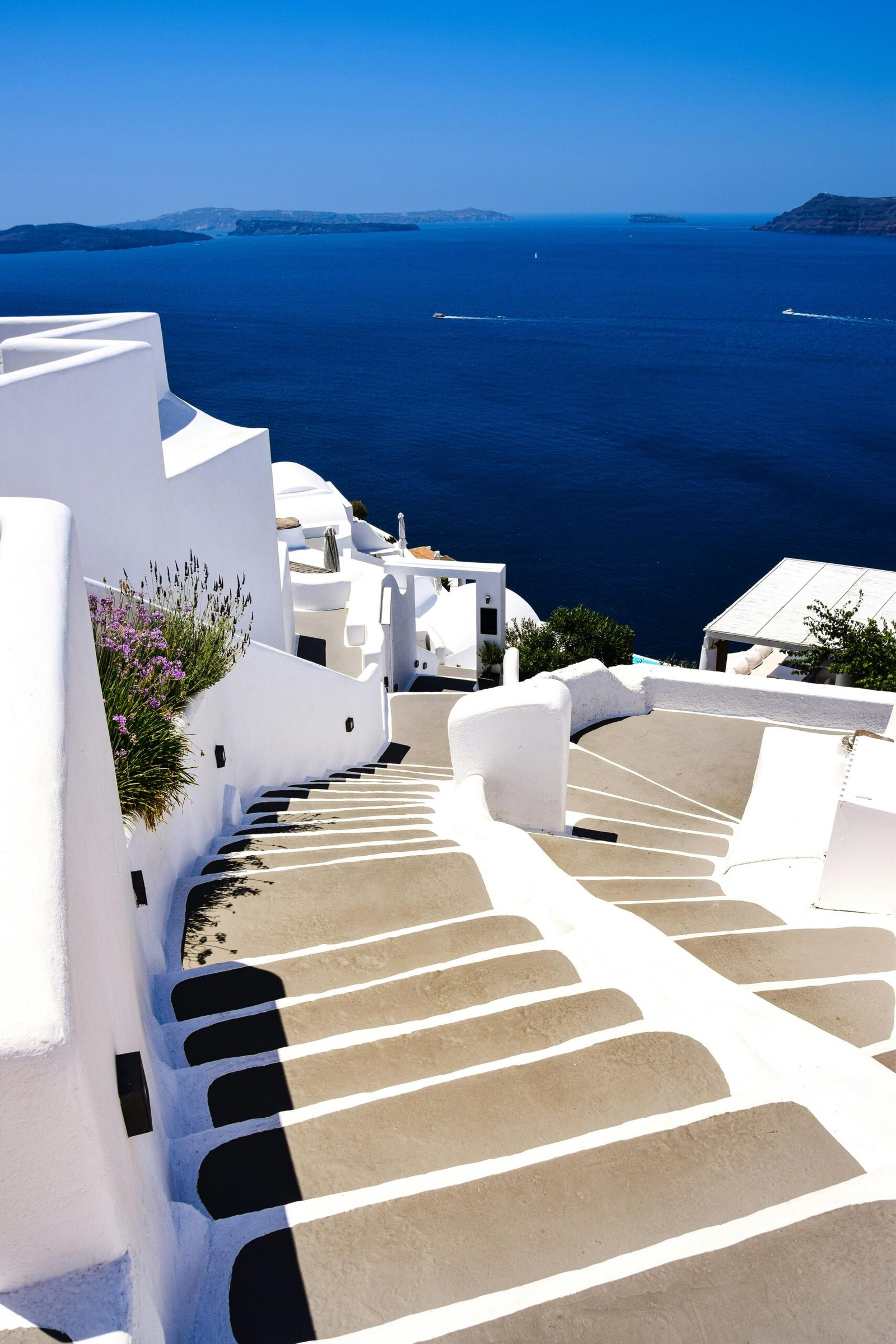
Why Santorini in Peak Season Is the Wrong Greece for Many Travelers if you want an easy, relaxed, high-value island trip. In July and August, Santorini can feel crowded, overheated, and heavily managed, with premium prices that do not always buy a premium experience.
I am not saying Santorini is bad. I am saying most first-time visitors misunderstand what peak season does to the island: it compresses movement, raises stress, and makes simple things take more time and more money than expected.
Why Santorini in Peak Season Is the Wrong Greece for Many Travelers
Why Santorini in Peak Season Is the Wrong Greece for Many Travelers
Why Santorini in Peak Season Is the Wrong Greece for Many Travelers comes down to a simple mismatch: the island is sold as effortless luxury, but in high season it often behaves like a tightly managed, expensive stage set. The views are real, but so is the friction. Crowds concentrate in the same small areas, prices climb sharply, and the parts of the island that look calm in photos can feel operationally strained.
Most travelers assume they are paying for ease. Actually, they are paying for access to a famous place that is under pressure in the months when everyone wants to be there. That is a very different product.
When Santorini works, and when it does not
Santorini works best for travelers who care more about a specific visual experience than about variety, spontaneity, or quiet. If your goal is to stay in a refined property, watch the caldera, book a few polished meals, and accept that the island is busy, Santorini can still deliver. If your goal is to explore freely, move quickly, or get a sense of everyday Greek island life, peak season is the wrong time.
I take a clear position here: for many first-timers, Santorini in July or August is a poor use of money. The island is not value-friendly in high season, and the common mistake is treating it like a default luxury choice rather than a very specific one.
Greece rewards travelers who arrive with a plan, but Santorini punishes travelers who think planning means only picking a hotel. The real issue is pace. Once the island is busy, the margin for casual decisions disappears, and that is where frustration starts.
The peak-season friction people underestimate
The biggest mistake is assuming the island’s famous views translate into a smooth trip. They do not. The same areas everyone wants are the same areas that become congested, and that creates delays, noise, and a constant sense of being managed by queues, timing, and limited space.
Another thing travelers miss is heat. Santorini in peak season is not just busy; it is often physically tiring. Walking through crowded settlements in strong sun, then trying to make a relaxed evening of it, is harder than most visitors expect.
There is also a financial consequence. A lot of people budget for the hotel and the flight, then discover that the rest of the trip is priced at a premium too. Meals, transfers, and simple convenience all cost more when demand is at its highest.
For a broader sense of how Greece’s cultural sites and public institutions are structured, the official Hellenic Ministry of Culture gives a better baseline than glossy travel content. Santorini is not a museum, but peak-season travelers often need the same mindset: know what is protected, what is crowded, and what is simply not built for mass ease.
Most travelers assume calm luxury, but actually get managed tourism
This is the counterintuitive part: Santorini can feel less like a luxury retreat and more like a high-demand service environment. You get polished hotels and serious views, but you also get timed expectations, shared pressure points, and a lot of people trying to occupy the same narrow slice of the island at once.
That is why some travelers leave disappointed even after spending heavily. They expected space. They got choreography.
If you are the kind of traveler who notices operational friction quickly, you will feel it here. If you are happy to trade flexibility for a famous setting, you may not mind it as much. But you should know what you are buying before you commit.
Trade-off matrix: who should go, who should skip, and what changes by season
- Couples seeking a once-in-a-lifetime view: Santorini can still make sense, but only if you accept premium pricing and busy public zones.
- Luxury travelers who value privacy: Peak season is often the wrong choice unless you are staying in a property that truly buffers you from the crowds.
- Families with young children: The island can be tiring and expensive, with less room for flexible downtime.
- Travelers who want beaches first: Santorini is not Greece’s best island for beach time, especially when heat and crowds peak.
- Food-focused visitors: You can eat very well, but you will pay for it, and the best tables are not always the easiest to secure.
- People who dislike logistics stress: Peak season amplifies every small inconvenience.
Season changes the equation more than most people admit. In shoulder season, Santorini can feel more balanced and more civilized. In peak season, the island’s weaknesses become harder to ignore, and its strengths become more expensive to access.
What travelers consistently get wrong about value
Most travelers assume that because Santorini is famous, it must be worth the peak-season cost. Actually, fame is not the same thing as value. Some people are paying for a single iconic experience and are perfectly satisfied with that. Others expect a fuller island holiday and end up overpaying for a narrow version of Greece.
This is where the disappointment usually begins. The island is excellent at one thing: delivering a highly recognizable visual experience. It is not excellent at being an easy, varied, low-friction destination in the busiest months of the year.
If you want a broader Greece trip,
Visit Greece is a useful official starting point for comparing regions before you lock yourself into a single famous island. That comparison matters more than people think, because the wrong island choice usually costs more than the wrong hotel choice.
Clear guidance for common traveler scenarios
If you are a first-time Greece visitor with limited time, Santorini can still be worth it, but not as your default summer island. If you are chasing a calm luxury break, I would push you toward a different Greek island or a different season. If you are coming mainly for the view and are comfortable paying for it, Santorini still has a place in the conversation.
If you are traveling in peak season and hate crowds, do not force it. That is the clearest answer I can give. The island’s reputation is strong enough that many people talk themselves into it, then spend the trip trying to work around the very conditions that make it difficult.
If your style is flexible, selective, and price-aware, Santorini can work better outside the busiest weeks. If your style is spontaneous, relaxed, and value-driven, peak season is the wrong fit.
Final decision: should you book Santorini in peak season?
Book it if you want a famous caldera experience, you are comfortable paying premium rates, and you accept that the island will feel busy. Skip it if you want space, easy movement, or a relaxed Greek island holiday without constant friction. That is the honest split.
Why Santorini in Peak Season Is the Wrong Greece for Many Travelers is not a warning against the island itself. It is a warning against the wrong expectation. The mistake is treating a highly concentrated, high-demand destination like a casual summer escape.
The right answer depends on how you actually travel — your pace, your priorities, and what you’re willing to trade off. If you’re not sure which option fits, that uncertainty is itself useful information.
Recommended experiences
Some experiences mentioned here are curated and managed by Elite Greece Travels.
- Athens Milos Santorini Itinerary 9 Days — Itinerary (managed by Elite Greece Travels).
- Greece 7 Day Itinerary Athens Delphi Meteora Santorini — Itinerary (managed by Elite Greece Travels).
- Santorini Sunset Cruise With Dinner In The Caldera — Cruise (managed by Elite Greece Travels).
Frequently asked questions
Is Santorini worth visiting in peak season?
Yes, but only for travelers who specifically want the caldera experience and accept crowds, higher prices, and more friction. If you want an easy island holiday, peak season is usually not the best time.
Why does Santorini feel so crowded in summer?
Because demand concentrates in a few small, famous areas. The island has limited space in the places most visitors want to be, so July and August amplify every bottleneck.
Is Santorini too expensive in peak season?
For many travelers, yes. The hotel rate is only part of the cost. Meals, convenience, and anything that saves time usually cost more when the island is busiest.
Who should avoid Santorini in July and August?
Travelers who dislike crowds, families who need flexibility, beach-first visitors, and anyone expecting a quiet or low-stress island trip should think twice.
What is the biggest mistake first-time visitors make?
They assume Santorini is a generic luxury destination. It is not. It is a very specific place with a very specific peak-season pressure level.
Is Santorini better in shoulder season?
Usually yes. Shoulder season gives you more breathing room, less heat stress, and a better chance of getting value for the money you spend.
Does Santorini work for a honeymoon in peak season?
It can, if the couple wants the famous view and is prepared for crowds and premium pricing. If privacy and calm matter more, peak season is a weak choice.