

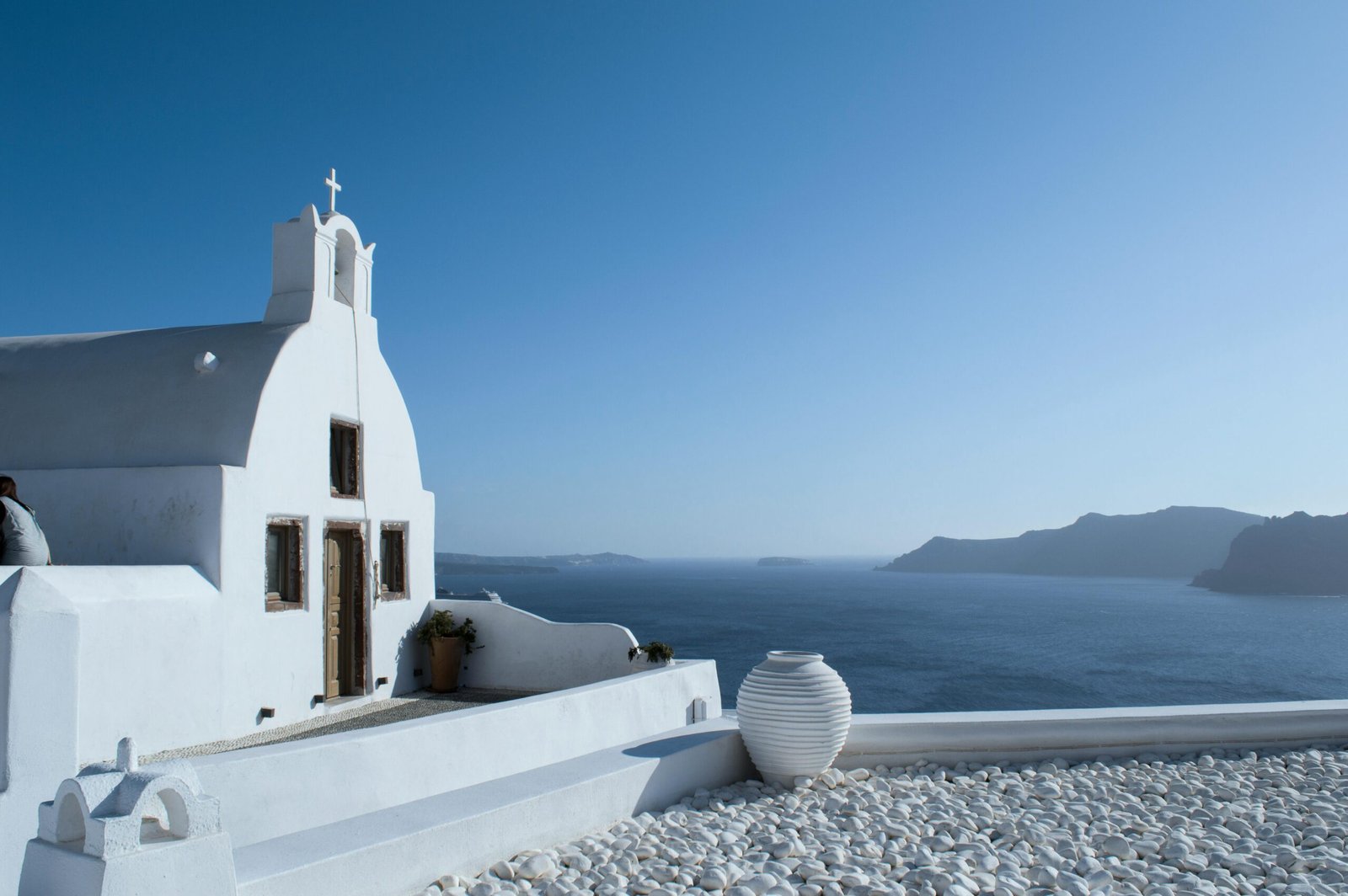
Why Most First-Timers to Santorini Leave Slightly Disappointed usually starts with one simple assumption: that the island will feel like the version people have seen online. In practice, many visitors arrive expecting a smooth, cinematic experience and meet crowds, heat, and a place that is much more operationally demanding than they expected.
The disappointment is rarely about Santorini itself. It is about the gap between a highly edited mental image and the reality of visiting in peak season, when the island is working hard to absorb too many people at once.
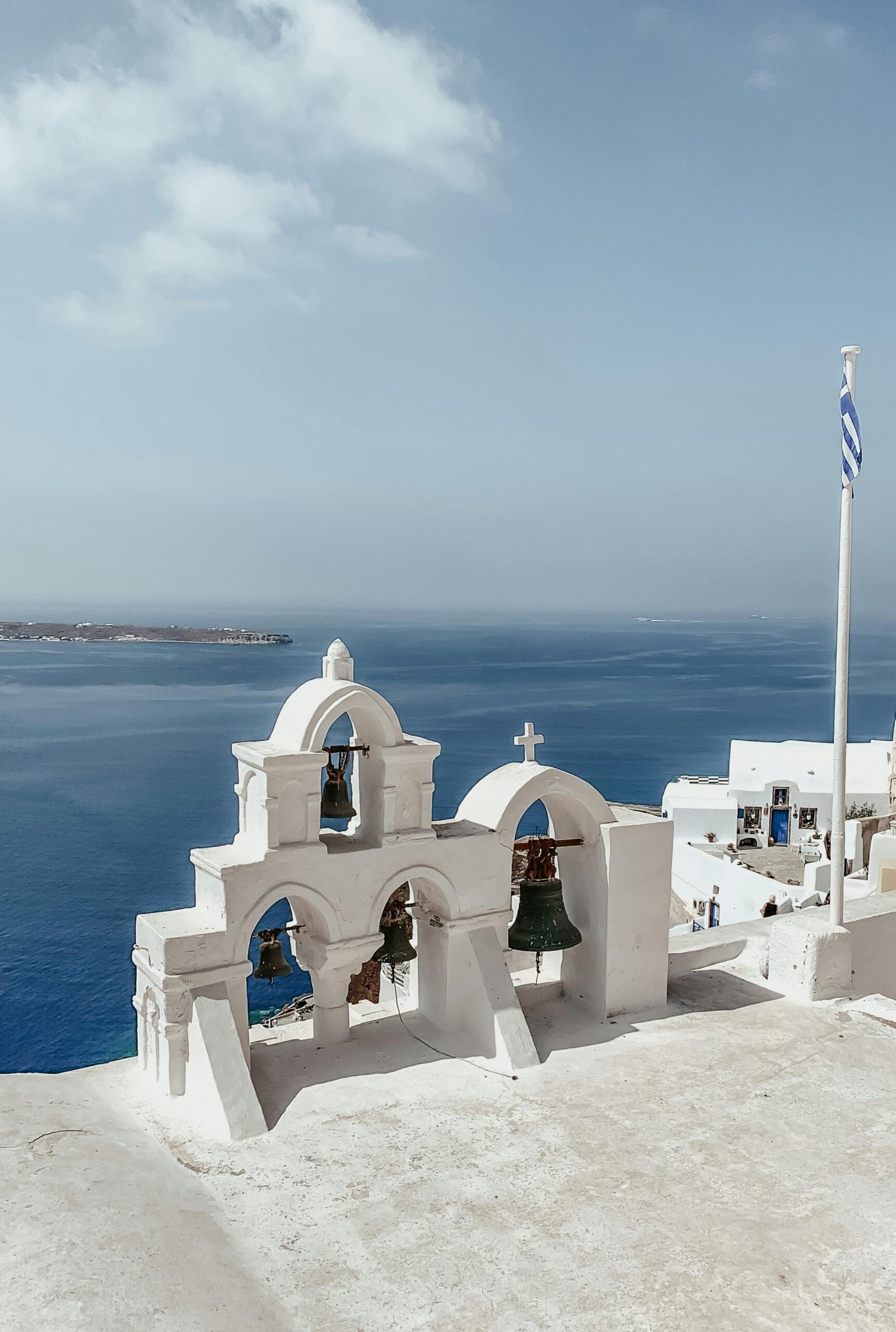
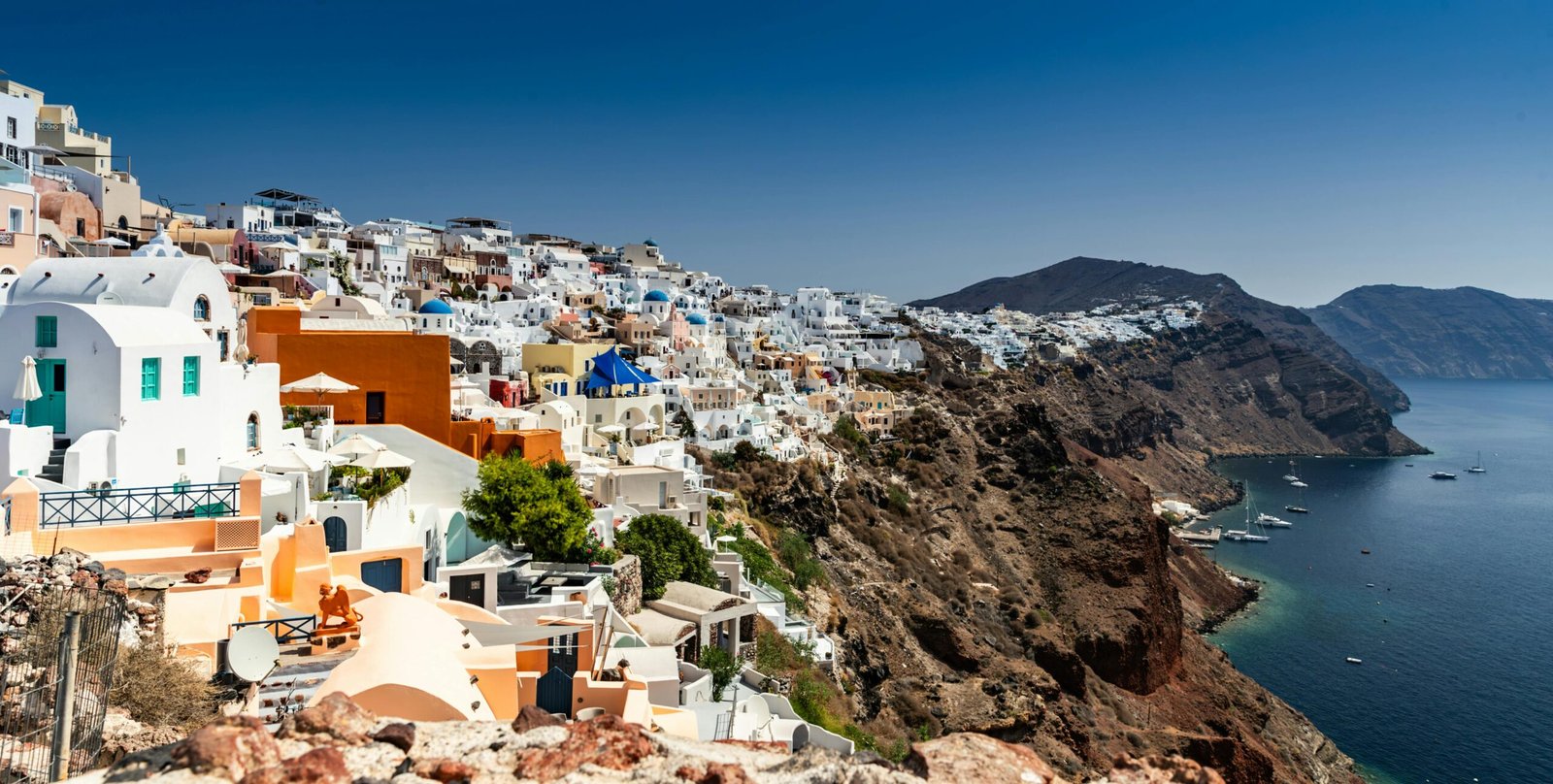
Why Most First-Timers to Santorini Leave Slightly Disappointed
The first mistake is not choosing Santorini. The first mistake is believing the island will behave like an idea. That is the real psychological pattern behind Why Most First-Timers to Santorini Leave Slightly Disappointed: people are not buying a destination, they are buying confirmation of a story they already like.
This is why Santorini creates such a strange emotional reaction. Travelers often feel excited before arrival, then slightly defensive once they are there. They do not want to admit the island is crowded, expensive, and more effort than expected, because that would mean their own assumption was off.
The emotional trap behind Why Most First-Timers to Santorini Leave Slightly Disappointed
Most first-timers are not chasing a place. They are chasing a feeling: romance, status, ease, and a sense that they have finally arrived somewhere famous enough to justify the trip. Santorini is one of the few Greek destinations that carries a heavy emotional load before anyone even books it.
That creates a problem. When the island does not immediately deliver a private, polished, effortless experience, people feel let down even if the actual trip is objectively good. They are measuring reality against a fantasy, and fantasy always wins that comparison.
There is also a social layer to this. Santorini is one of those places people feel they are supposed to love. So when the visit feels crowded or transactional, travelers often blame themselves for not feeling more impressed. In my experience, that self-blame is common and unnecessary.
Why travelers choose Santorini anyway
People choose Santorini because it feels safe as a first Greek island. It is famous, recognizable, and easy to explain to friends and family. For many travelers, that matters more than whether the island is actually the best fit for their style of travel.
There is also a control issue here. First-time visitors often want Greece to feel legible, and Santorini is one of the most legible names in the country. If you do not know the islands well, choosing the one everyone recognizes feels like reducing the risk of making a wrong decision.
That instinct is understandable, but it is not neutral. A famous destination can make an inexperienced traveler feel protected from regret, even when the fame is exactly what creates the pressure, the crowds, and the inflated expectations.
The moment the disappointment usually hits
The disappointment usually arrives when the traveler realizes the island is not private, not quiet, and not moving at their pace. For many people, that moment comes in the first 24 hours, when they encounter congestion, queues, and the constant sense that every good viewpoint is already occupied.
Another common trigger is the first evening. People expect a relaxed, romantic atmosphere and instead find themselves navigating packed terraces, aggressive pricing, and a lot of time spent simply trying to secure a decent experience. That is the moment the island stops feeling like a dream and starts feeling like a high-demand product.
Here is the counterintuitive part: Santorini often disappoints not because it is unattractive, but because it is too recognizable. When you have seen the same view in a thousand places before you arrive, the real version has very little room left to surprise you.
The traveler types most prone to this pattern
Some travelers are simply more vulnerable to Santorini disappointment than others. These are the people who are highly image-driven, first-time Greece visitors who want the “best” island without doing much comparative thinking, and couples who are treating the trip as a once-in-a-lifetime emotional event.
- Travelers who want every moment to feel special
- First-timers who equate famous with best
- Couples expecting privacy in peak season
- People who dislike friction but choose high-demand destinations anyway
There is a pattern among luxury travelers too. Some assume that paying more will remove the crowding problem. It will not. It may improve the room, the service, or the view, but it does not change the fact that Santorini is one of the most compressed and heavily visited islands in Greece.
If you want a more grounded picture of the country before choosing your islands, start with the broader context on
Visit Greece. Santorini makes more sense when you stop treating it as a standalone fantasy and start seeing it as one part of a much larger Greek travel landscape.
What first-timers consistently underestimate
The biggest underestimation is emotional fatigue. Santorini asks more of you than people expect: more patience, more tolerance for crowds, more acceptance that the island’s best-known areas are shared spaces, not personal backdrops.
Travelers also underestimate how much season shapes perception. In peak season, even a well-run day can feel slightly strained because the island’s infrastructure and visitor volume are in constant tension. That strain changes how people remember the trip.
They also underestimate how much the island’s reputation does the work before they arrive. By the time someone reaches Santorini, they have already decided what the trip should feel like. If the island cannot match that preloaded script, disappointment is almost built in.
For travelers who want to understand the Greek context more broadly, the official cultural framing at the Hellenic Ministry of Culture is a useful reminder that Greece is not one aesthetic. It is a country of very different island personalities, and Santorini is only one of them.
What a better approach looks like
A better approach starts with a blunt question: are you choosing Santorini because it fits your travel style, or because you already know what you want it to mean? Those are not the same thing. If you want ease, space, and a more relaxed rhythm, Santorini in peak season is a poor match.
If you still want to go, stop expecting the island to deliver an untouched experience. Focus on what Santorini actually does well: dramatic geography, strong hotel product in the right category, and a highly concentrated visual identity. That is a narrower promise than the one most first-timers imagine, but it is a more honest one.
Greece rewards travelers who arrive with a plan only once. The deeper lesson is that good trips come from matching destination psychology to traveler psychology. Santorini can be the right choice, but only when you stop asking it to be something it is not.
Why Most First-Timers to Santorini Leave Slightly Disappointed is not really a warning against the island. It is a warning against projection. If you approach Santorini as a place with trade-offs rather than a proof of your own expectations, the experience gets cleaner, calmer, and far more accurate.
Greece doesn’t punish inexperience. It punishes unexamined assumptions. The travelers who leave disappointed rarely lacked information — they lacked a framework for using it.
Frequently asked questions
Why do first-time visitors to Santorini often feel underwhelmed?
Because they arrive with a polished mental image and then meet a real island that is crowded, expensive, and far less private than expected, especially in peak season.
Is Santorini actually disappointing for everyone?
No. Travelers who understand its limits and want its specific strengths often enjoy it a great deal. The disappointment usually comes from mismatch, not quality.
What is the biggest expectation mistake people make about Santorini?
They assume fame equals ease. In reality, Santorini’s fame is part of what makes it busy, expensive, and emotionally harder to experience cleanly.
Which travelers are most likely to leave disappointed?
Image-driven travelers, first-time Greece visitors, couples expecting privacy, and anyone who dislikes friction but still chooses a high-demand destination.
Does spending more money fix the Santorini problem?
Only partially. Better accommodation can improve comfort, but it does not remove crowding, season pressure, or the island’s overall intensity.
What is the best mindset for visiting Santorini?
Treat it as a high-demand destination with real trade-offs, not as a guaranteed dream sequence. That shift alone prevents most of the disappointment.