

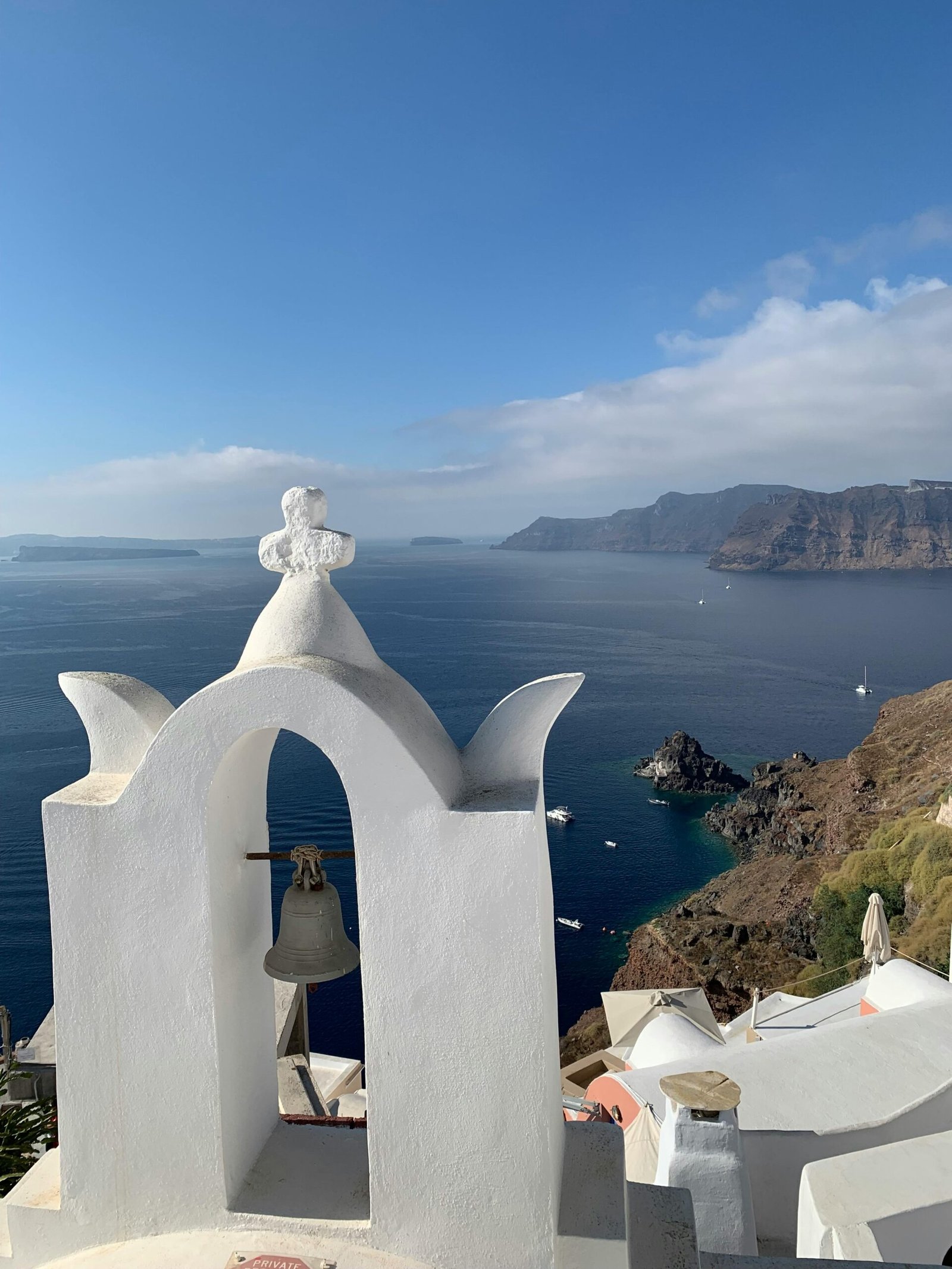
Why Most First-Timers to Santorini Leave Slightly Disappointed is usually not a problem of the island itself. It is a problem of expectation management: people arrive looking for a polished version of the place they have seen online, then react badly when peak-season Santorini feels crowded, expensive, and more commercial than imagined.
The real mistake is emotional, not logistical. Travelers often want Santorini to validate a fantasy they have already built, which is why the first friction point can feel strangely personal.
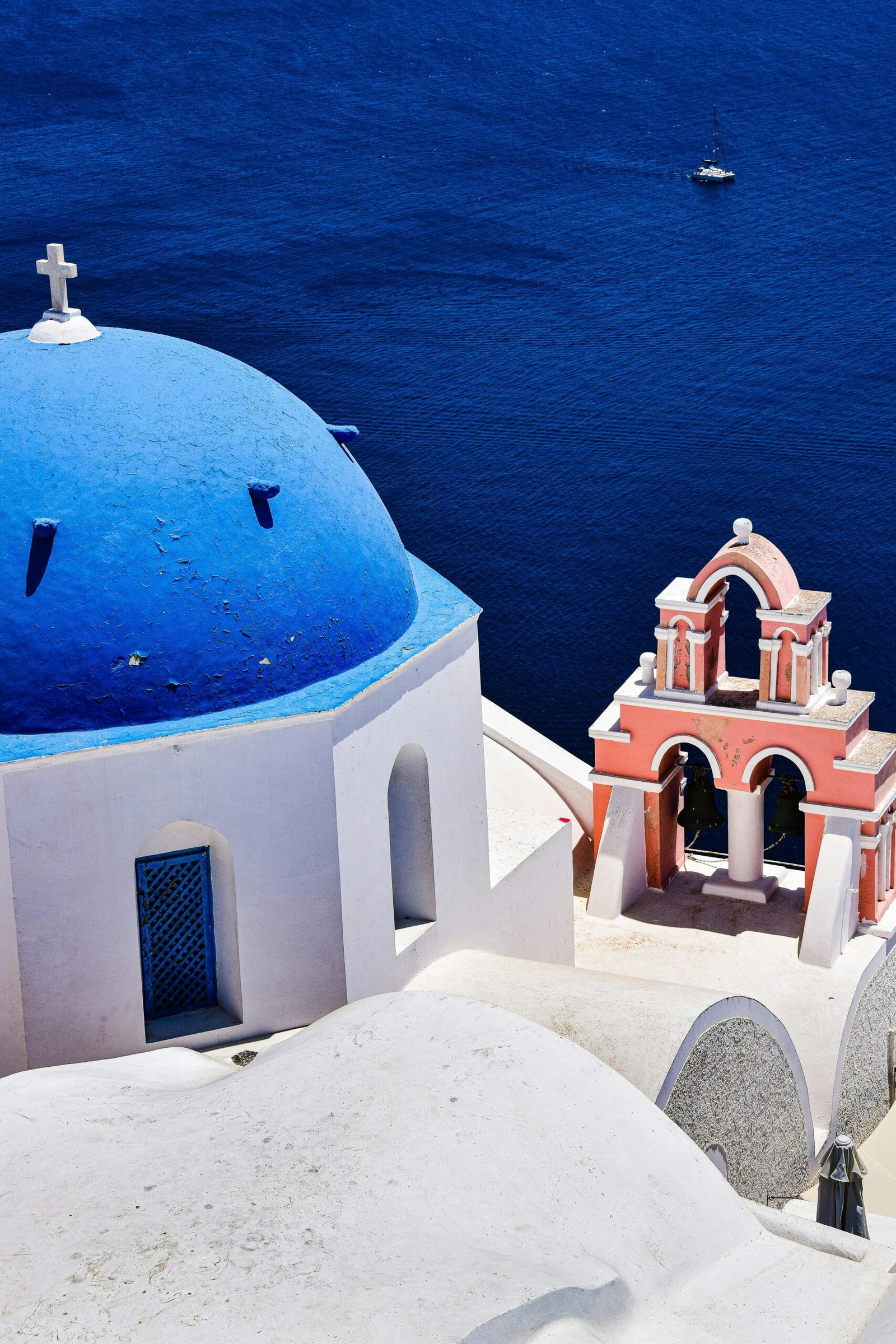
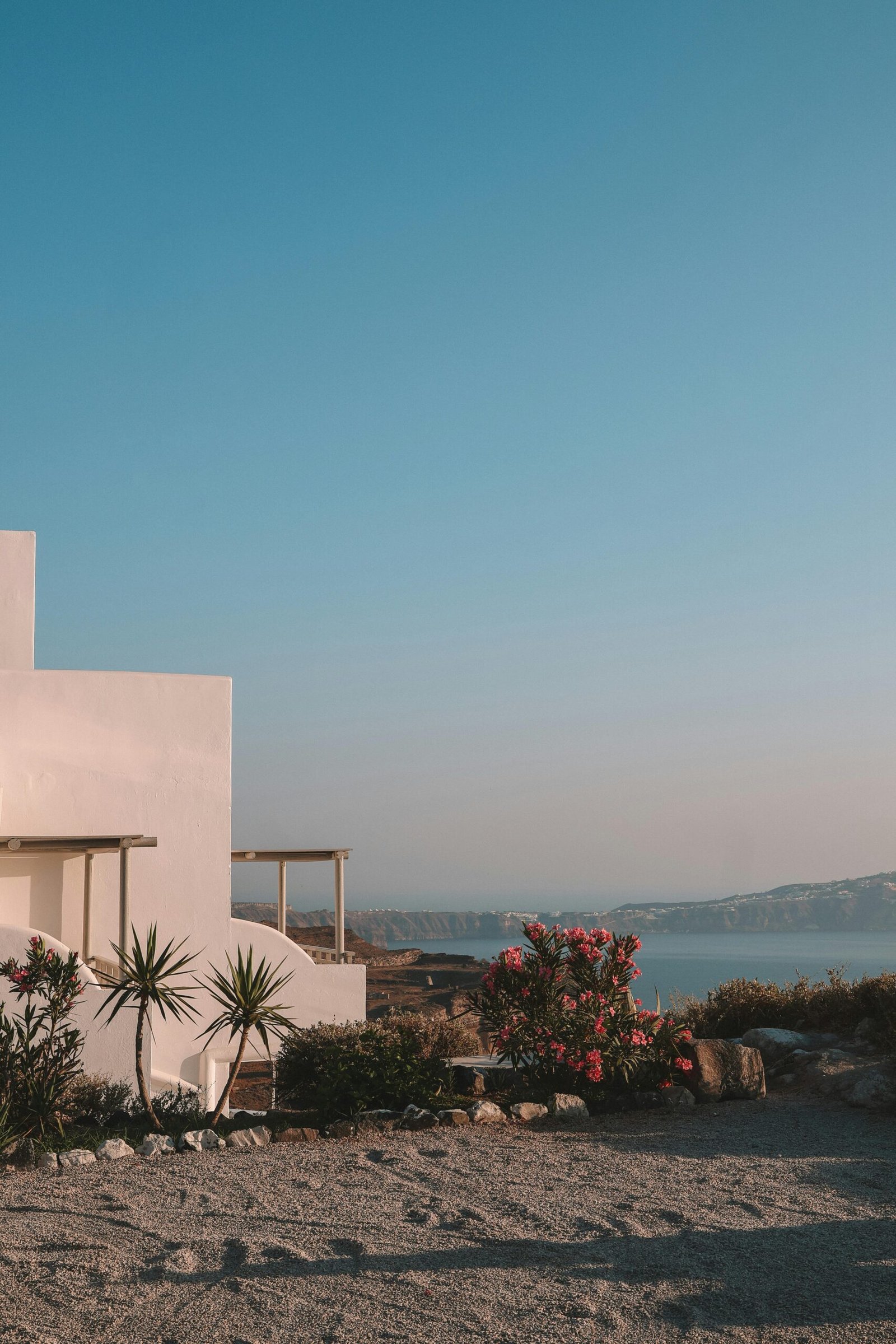
Why Most First-Timers to Santorini Leave Slightly Disappointed
Why Most First-Timers to Santorini Leave Slightly Disappointed is a useful question because the answer is rarely about one bad meal, one crowded viewpoint, or one overpriced room. It is about a mismatch between the story people want Santorini to tell them and the reality of visiting one of Greece’s most famous islands in peak season.
People do not choose Santorini by accident. They choose it because it feels like the safe, socially approved Greece decision: the island everyone recognizes, the one that looks impressive on paper, the one that seems least likely to be a mistake. That emotional safety is exactly why disappointment lands so hard.
The psychological trap behind Why Most First-Timers to Santorini Leave Slightly Disappointed
The trap is simple: travelers confuse familiarity with certainty. Santorini is so heavily represented in photos, proposals, cruise stops, and honeymoon content that people assume they already know what the experience will feel like.
That assumption causes a predictable problem. They are not comparing Santorini to an actual travel experience they have had before; they are comparing it to a curated image that was never built to survive a crowded August afternoon.
There is also a status element here. For many first-timers, choosing Santorini is partly about making a confident choice in front of themselves and other people. Saying “we’re going to Santorini” sounds decisive, and that decisiveness can mask how little thought has gone into what kind of holiday they actually want.
Why the image is so strong
Santorini is one of the few Greek islands that people feel they already understand before they arrive. That creates a false sense of control, and first-timers often believe they are avoiding risk by choosing the most famous option.
What they are really avoiding is uncertainty. They do not want to worry about whether they picked the wrong island, so they pick the island with the loudest reputation. In practice, that can be the least forgiving choice in peak season because fame attracts volume, and volume changes the mood of a place fast.
If you want the broader Greek context, official destination material from
VisitGreece can help you understand how widely different the islands are from one another. The problem is not lack of information. It is that many travelers stop at the image stage and never move into the reality stage.
The emotional gap: expectation versus reality
Before the trip, people expect ease, romance, and a sense of arrival. They picture clean visual lines, quiet viewpoints, and the feeling that every moment will justify the cost.
What they often get is friction. Crowds compress the experience, prices feel sharper than expected, and even simple decisions start to take more energy than they should. The island still has appeal, but it no longer feels effortless, and that is where the mood changes.
The most common emotional shift is subtle. Travelers do not usually say, “This is bad.” They say, “I thought it would feel different.” That sentence is the whole story.
The moment disappointment usually hits
The first real crack is rarely the ferry, the hotel, or the dinner bill. It is the moment travelers realize they are sharing the exact same view, at the exact same hour, with everyone else who made the same decision.
That is when the fantasy of private, cinematic Santorini gives way to something more ordinary and more crowded. For some people, that is manageable. For others, it feels like they paid premium prices for a queue.
Here is the counterintuitive part: many first-timers are less disappointed by the scenery than by the social atmosphere. Santorini in peak season can feel performative, with everyone trying to extract a perfect memory from a place that is visibly working under pressure. That tension is exhausting if you came for ease.
Who is most likely to feel let down
Not everyone reacts the same way. Some travelers are perfectly happy because they wanted a famous, high-energy, easy-to-recognize destination and got exactly that.
The people most prone to disappointment usually fall into a few patterns:
- Honeymooners who expect privacy by default
- First-time Greece visitors who want one island to “do it all”
- Travelers who value calm more than spectacle
- People booking late who assume the island will still feel exclusive
- Anyone who sees luxury as quiet rather than visible
That last group is the most likely to struggle. Santorini can be expensive and beautiful without feeling restful, and those are not the same thing.
Why peak season makes the mismatch worse
Peak season does not just add crowds. It changes the emotional temperature of the island. Staff are under pressure, popular spots are overused, and even well-run hotels have to manage a volume of demand that affects the guest experience.
This is where first-timers underestimate the real cost of the decision. They budget for rooms and meals, but not for patience, flexibility, or the loss of spontaneity. That is why Why Most First-Timers to Santorini Leave Slightly Disappointed is often a timing problem disguised as a destination problem.
If you are also trying to understand Greece’s cultural context more broadly, the Hellenic Ministry of Culture is a more useful reference point than social media. It reminds you that Greece is not one mood, one island, or one type of holiday. Santorini is just one very specific version of Greece, and not the best fit for every traveler.
What first-timers get wrong about “the right” Greece trip
The deepest mistake is believing there is a universally correct first island. There is not. There is only the island that matches your temperament, tolerance for crowds, and need for calm versus stimulation.
People often choose Santorini because they want to start with the most famous option and “save” the more obscure islands for later. In reality, that sequence can backfire. If your first Greek island feels overbuilt, expensive, and crowded, you may leave with a narrower view of Greece than you should have had.
Greece rewards travelers who arrive with a plan, and I mean that in the practical sense: a clear idea of what kind of days you actually enjoy. If you want quiet, choose for quiet. If you want a social, high-energy trip, choose for that. Santorini is not a neutral starting point.
How to approach Santorini differently
The better question is not whether Santorini is worth visiting. It is what role you want it to play in the trip. If you treat it as one part of a broader Greece experience, the pressure drops immediately.
That means accepting that the island is strongest when your expectations are specific and modest. Go for the views, the design, the sense of occasion, and the fact that it is unmistakably Santorini. Do not go expecting solitude, low friction, or the kind of relaxed intimacy that is easier to find elsewhere.
Why Most First-Timers to Santorini Leave Slightly Disappointed is, at root, a warning against emotional overinvestment. The island is not failing to be beautiful. It is failing to match a fantasy that was too polished to begin with.
Conclusion: a better way to think about the trip
The honest approach is to stop asking whether Santorini lives up to the image and start asking whether the image is the right one for you. That shift changes everything, because it moves the decision from fantasy to fit.
Recognizing the pattern is the first step. The second is building a trip around how you actually travel — not the traveler you imagine yourself to be. Most great Greece experiences start with that honesty.
Frequently asked questions
Why do so many first-time visitors feel underwhelmed by Santorini?
Because they arrive with a highly polished mental image and then meet a real island that is busy, expensive, and heavily managed in peak season. The gap between expectation and reality is usually the issue.
Is Santorini overrated for first-time travelers?
For some travelers, yes. If you want quiet, value, or a relaxed pace, Santorini can feel like a poor fit. If you want a famous, high-profile island experience, it may deliver exactly that.
What is the biggest mistake people make when booking Santorini?
They choose it for status or familiarity instead of fit. The biggest planning error is assuming the most famous Greek island is automatically the best first island.
When does disappointment usually set in?
It often starts when travelers realize the island feels crowded and shared rather than private and effortless. That moment usually arrives at a viewpoint, a restaurant, or any place they expected to feel special and quiet.
Who tends to enjoy Santorini the most?
Travelers who are comfortable with crowds, willing to pay for a premium setting, and happy to treat the island as a short, high-impact stop rather than a restful escape.
Should first-timers avoid Santorini altogether?
No. They should stop treating it like a universal first choice. Santorini works best when chosen deliberately, for the right reasons, and with realistic expectations about peak-season conditions.