

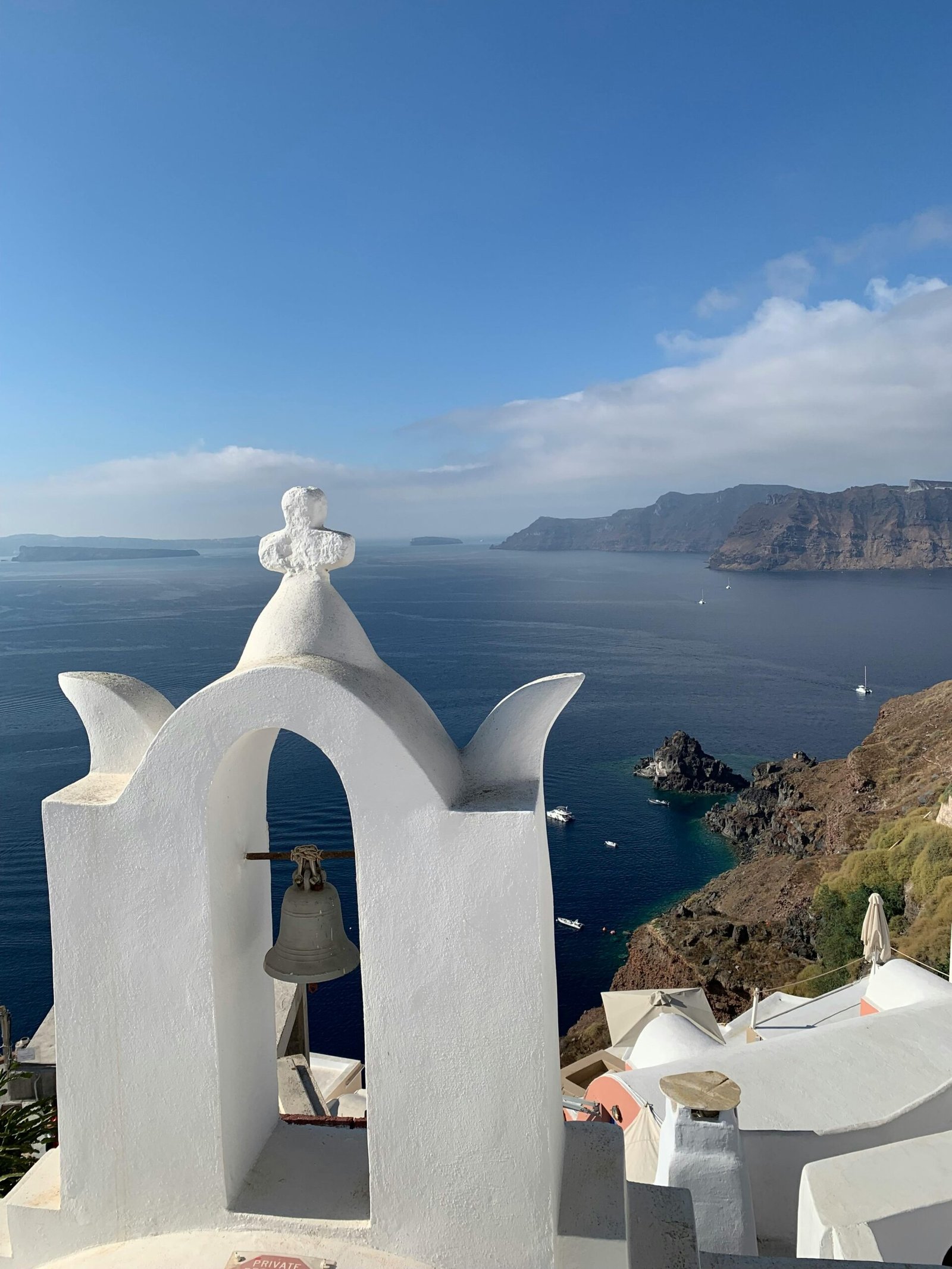
Why Most First-Timers to Santorini Leave Slightly Disappointed starts with a simple psychological trap: people arrive expecting the island to behave like the version they have seen online. They are not choosing a destination so much as trying to enter a feeling they already decided Santorini should deliver.
That is why the disappointment is so common in peak season. The island is real, crowded, expensive, and operationally strained in ways most first-timers do not factor in until they are standing in the middle of it.
Why Most First-Timers to Santorini Leave Slightly Disappointed
There is a reason this pattern repeats. First-timers do not book Santorini because they want a place; they book it because they want confirmation that the image in their head is real. That is a risky way to choose any destination, and Santorini punishes it more than most places.
The core mistake is emotional, not practical. Travelers build up a version of the island that is quiet, elegant, and effortlessly beautiful, then arrive in peak season and discover a place that is busy, expensive, and highly managed. That mismatch is exactly why most first-timers to Santorini leave slightly disappointed.
The image is doing the work before the trip even starts
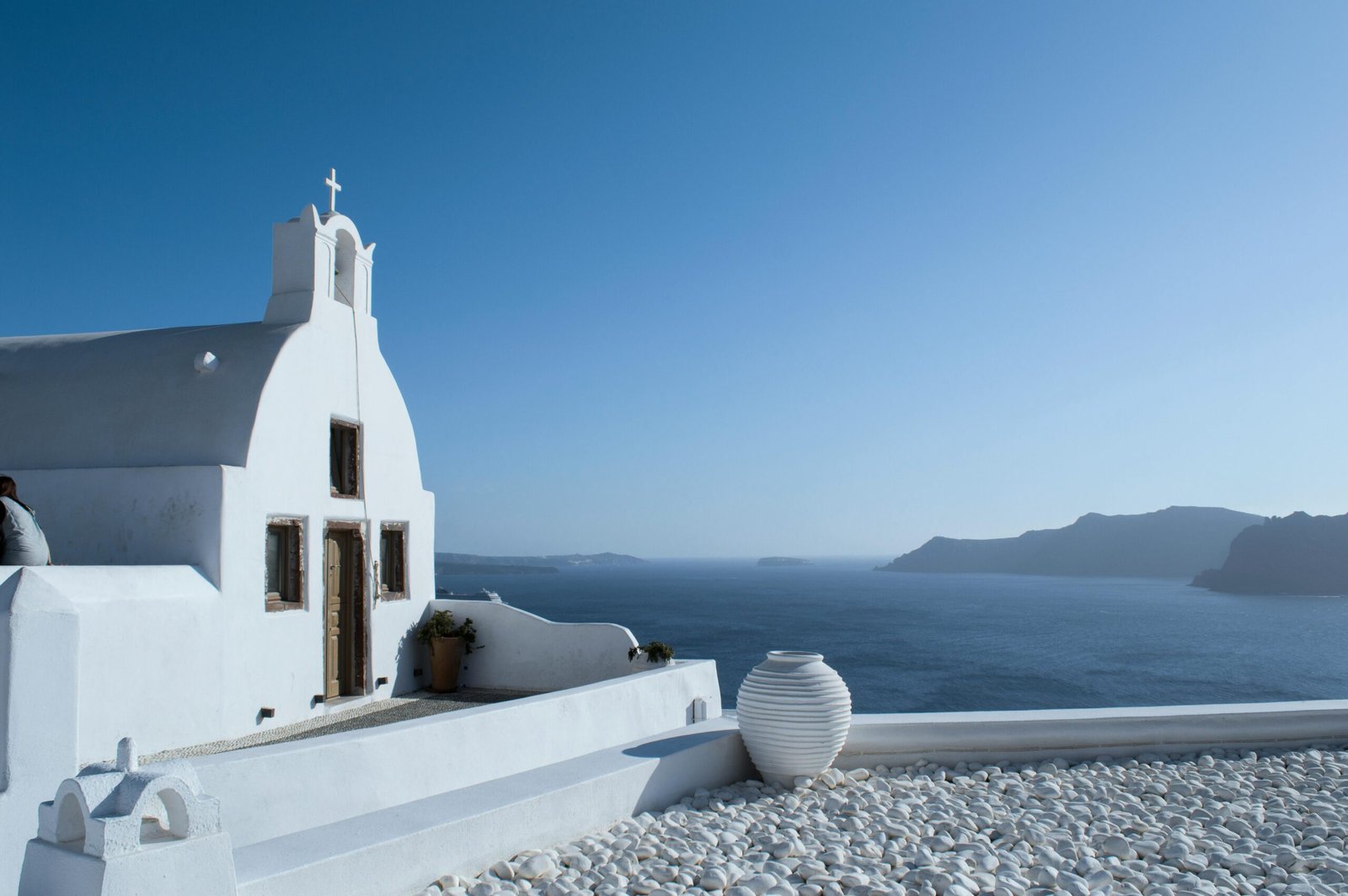
Santorini is one of the clearest examples of destination marketing winning before the traveler even boards a plane. People have seen the same cliffside views, the same blue domes, the same pools facing the caldera, and they assume the rest of the experience will match that frame. In practice, they are buying into a narrow visual promise and then expecting a full travel experience to unfold around it.
This is where the letdown begins. The island does have the famous views, but those views sit inside a very busy, very commercial, very seasonal system. If you want the broader context for how Greece presents itself versus how it functions in real life, the official tourism framing at
Visit Greece is useful, but it still does not change the fact that Santorini is under pressure in peak months.
Why Most First-Timers to Santorini Leave Slightly Disappointed in peak season
Peak season changes the emotional math. Travelers expect to feel relaxed the moment they arrive, but instead they have to compete with crowds, heat, queues, noise, and inflated prices. That is a bad combination for people who came to Santorini looking for ease.
I will be blunt: if your main goal is a calm, spacious Greek island experience, Santorini in peak season is the wrong choice. It is not that the island is bad; it is that the most common first-time expectation is incompatible with the reality of its busiest months. The disappointment is not random. It is built into the decision.
The most surprising part is that many travelers are not upset by the crowds alone. They are upset by how much effort it takes to access the very experience they thought would feel effortless. The view is there, but the emotional payoff is diluted by the amount of friction around it.
The moment disappointment usually hits
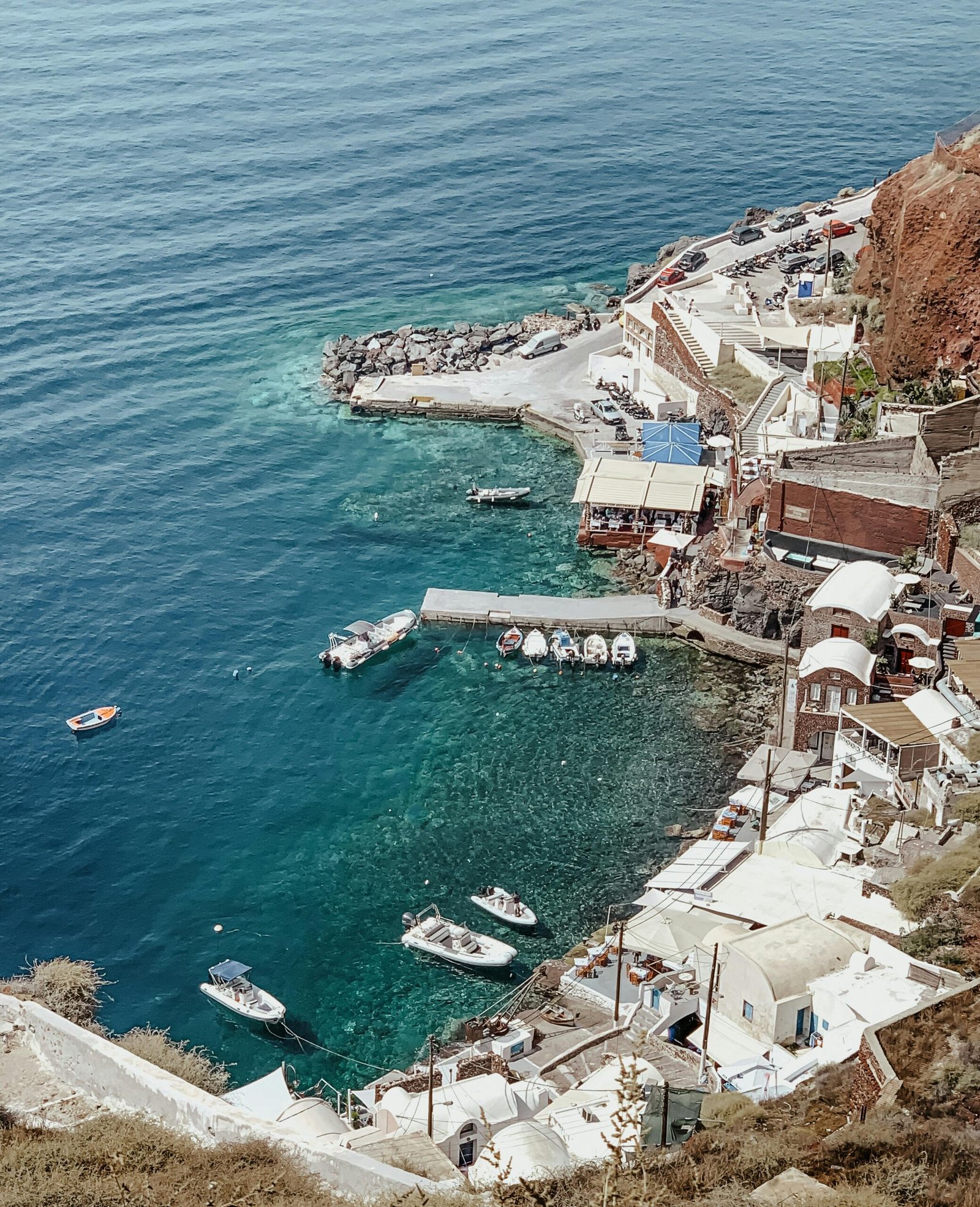
For many visitors, the shift happens when the island stops feeling cinematic and starts feeling operational. That can be the first sunset rush, a check-in that takes longer than expected, or the realization that getting a quiet table, a clear view, or even a comfortable pause requires more planning than they wanted to do.
This is the moment the fantasy cracks. Travelers understand, often too late, that they wanted Santorini to be a backdrop, not a functioning place with peak-season constraints. Once that realization lands, every small inconvenience feels bigger than it should.
There is also a status effect at work. Santorini carries a premium image, so people unconsciously expect premium treatment to feel automatic. When the reality is crowded and transactional, the emotional drop is sharper because the price has already primed them to expect something smoother.
The traveler types most prone to this pattern
Some travelers are simply more likely to feel let down. The first group is the once-in-a-lifetime visitor who has built the trip around one iconic destination and expects it to carry the entire holiday. When Santorini is the emotional center of the itinerary, any friction feels like a bigger failure.
The second group is the couple chasing a romantic script. They often want privacy, ease, and a sense of being looked after, which is not the same thing as booking into one of the most famous and crowded places in Greece. The third group is the social-media-led traveler who has learned Santorini through images, not through context.
- Travelers who want quiet more than views
- Couples expecting privacy to come standard
- First-timers comparing every moment to curated photos
- People who dislike queues, noise, and premium pricing
These travelers are not wrong to want comfort or beauty. They are wrong to assume Santorini will deliver those things passively in peak season. That assumption is exactly why most first-timers to Santorini leave slightly disappointed.
The emotional gap: what they expect vs what they actually feel
What people expect is admiration, calm, and a sense of arrival. What they often feel is pressure, comparison, and a low-grade awareness that they are sharing the same view with a lot of other people. That is a very different emotional outcome.
The first-time visitor usually does not say, “Santorini was bad.” They say, “It was beautiful, but…” That “but” is the entire story. It means the island delivered the visual image but not the emotional experience they had attached to it.
That gap matters because it shapes memory. People remember how a place made them feel, not just what it looked like. If a destination constantly asks for patience and money while offering only brief moments of ease, the memory becomes more mixed than they expected.
What travelers underestimate about Santorini’s peak-season reality
They underestimate how much of the island’s appeal depends on timing, pace, and expectations. Santorini is not built for spontaneity in the same way a quieter Greek island can be. It is a high-demand destination with limited room to absorb everyone who wants the same experience at the same hour.
They also underestimate how much weather, heat, and crowd density affect mood. A place that looks serene in a photo can feel exhausting when you are navigating it in the middle of the day with too many other people doing the same thing. That is not a small detail; it is the difference between enjoying the island and tolerating it.
And yes, the premium pricing changes the emotional equation. When travelers spend heavily, they become less forgiving. Greece rewards travelers who arrive with a plan, but Santorini rewards people who understand what they are paying for and what they are not.
What a better approach looks like
The better way to approach Santorini is to stop asking it to be something it is not. Treat it as a high-demand, high-visibility island with real constraints, not as a guaranteed mood. That shift alone prevents a lot of disappointment.
It also means deciding what you actually want from the trip. If you want iconic caldera views and a famous Greek island experience, Santorini can still make sense. If you want space, ease, and a more relaxed emotional rhythm, you should be honest that this is probably not the place to center the trip.
For travelers who want to understand Greece beyond the postcard version, official cultural context can help reset expectations. Even a broader look at Greek heritage through the Ministry of Culture makes one thing clear: the country is not one uniform experience, and Santorini is only one very specific expression of it.
Reframing Santorini without the fantasy
The right mindset is not lower expectations in a defeatist sense. It is more accurate expectations. Santorini is best understood as a place where beauty and pressure coexist, especially in peak season, and where the emotional payoff is strongest when you stop expecting the island to feel private or effortless.
That reframe changes the trip before it starts. You stop measuring the island against an imagined version and start deciding whether this particular destination matches the kind of traveler you actually are. That is the real lesson behind Why Most First-Timers to Santorini Leave Slightly Disappointed.
Recognizing the pattern is the first step. The second is building a trip around how you actually travel — not the traveler you imagine yourself to be. Most great Greece experiences start with that honesty.
Frequently asked questions
Why do first-time visitors to Santorini feel disappointed so often?
Because many arrive expecting a calm, effortless version of the island they have seen in photos. Peak season brings crowds, heat, premium pricing, and more friction than most first-timers allow for.
Is Santorini overrated for first-time travelers?
Not overrated, but often misread. It is a very specific destination with a very specific appeal, and it disappoints when people expect it to function like a quiet island escape.
What is the biggest mistake first-timers make in Santorini?
They center the trip on the image of the island instead of the reality of visiting it in a busy season. That creates a mismatch between expectation and experience from the start.
Who is most likely to be disappointed by Santorini?
Travelers who want privacy, ease, and a relaxed pace are most vulnerable to disappointment, especially couples and once-in-a-lifetime visitors who expect the island to carry the whole trip.
Does Santorini only disappoint in peak season?
Peak season makes the gap much worse, but the underlying issue is expectation. Even outside the busiest months, travelers can still be let down if they expect a quiet, low-effort experience.
How should I think about Santorini differently?
Treat it as a high-demand, highly visible destination with real constraints. If you want the famous views, go in with clear eyes and a realistic idea of what that experience actually feels like.