

Why Most First-Timers to Santorini Leave Slightly Disappointed starts with a simple psychological mistake: people confuse a destination with its image. They arrive expecting the version they have seen in photos, then feel unsettled when the real place is crowded, expensive, and more exposed than polished.
The disappointment is rarely dramatic. It shows up as a quiet mismatch between what travelers hoped to feel and what peak-season Santorini actually delivers: constant pressure, limited softness, and very little margin for error in timing, budget, or patience.
Why Most First-Timers to Santorini Leave Slightly Disappointed
The first thing to understand is that Santorini is not usually chosen rationally. It is chosen emotionally, often before the trip is fully thought through. People want the sense that they have finally made it to the Greek island they have seen everywhere, and that desire is powerful enough to override basic planning judgment.
That is why Why Most First-Timers to Santorini Leave Slightly Disappointed is such a consistent pattern. The trip begins as a fantasy of ease and beauty, but the island in peak season behaves more like a high-demand stage set with real-life friction underneath it. Once travelers realize they are sharing that experience with everyone else who had the same dream, the mood changes fast.
The image is doing more work than the itinerary
Most first-timers are not actually deciding on Santorini alone. They are deciding on a package of meanings: romance, success, reward, and the feeling of having chosen the “right” Greek island. That emotional load is why disappointment lands harder here than in places with lower expectations.
People also underestimate how much social proof drives the decision. When a place has been repeated across feeds, wedding albums, and bucket lists, it starts to feel like a shared cultural obligation. By the time they book, they are not just going to Santorini; they are trying to validate a story they have already told themselves.
Why Most First-Timers to Santorini Leave Slightly Disappointed in peak season
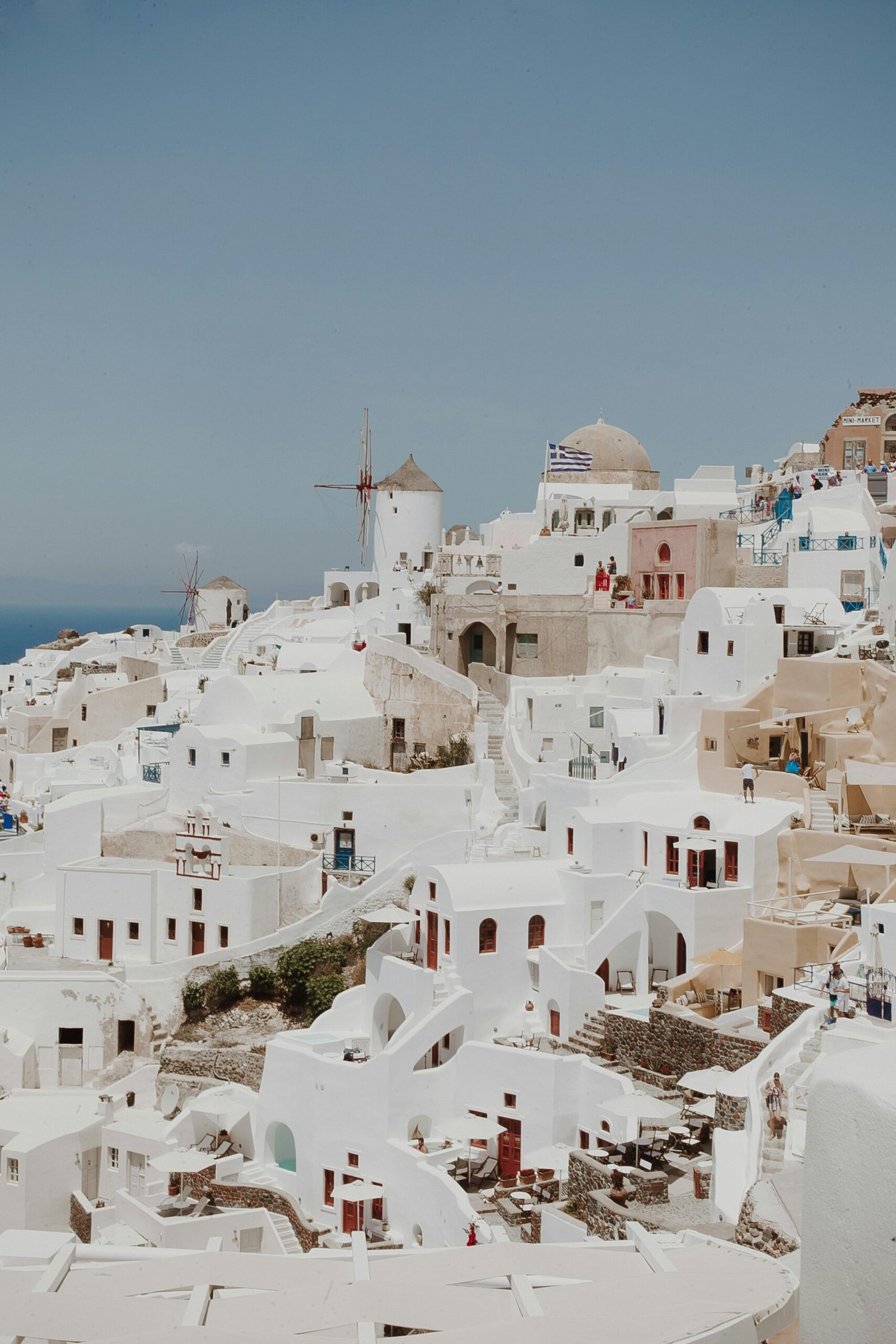
Peak season is where the gap becomes visible. The island does not suddenly become worse; it becomes less forgiving. Crowds compress the experience, prices rise sharply, and the simple pleasure people expected gets replaced by constant micro-decisions about whether something is worth the effort.
This is the point many travelers miss: Santorini is not disappointing because it lacks appeal. It is disappointing because visitors expect emotional relief and instead encounter logistical tension. That tension is enough to flatten the mood, especially for travelers who thought the destination itself would do the work for them.
Greece rewards travelers who arrive with a plan, but Santorini punishes the ones who assume the island will organize their feelings for them. That is the real issue behind Why Most First-Timers to Santorini Leave Slightly Disappointed. The island is not failing to impress; it is exposing how much of the trip was built on assumption, not preparation.
The moment disappointment usually hits
The shift is often not dramatic. It usually happens when the traveler first experiences the island at full volume: a crowded viewpoint, a long wait for a simple meal, a price that feels out of proportion to the experience, or a sunset that is more managed than intimate. At that moment, the fantasy stops feeling effortless.
What surprises people is not that Santorini is busy. It is that the busyness changes the emotional tone of the entire stay. Once the visitor has to compete for space, attention, or a clean view, the trip stops feeling restorative and starts feeling performative.
The travelers most prone to this pattern
Some traveler types are much more likely to feel let down. The most vulnerable are first-time Greece visitors who want their one island to be the definitive island, couples chasing a romance script, and travelers who equate premium pricing with emotional payoff. They are not wrong to want something special; they are wrong to assume the island will deliver that feeling automatically.
- First-time Greece travelers trying to “get it right” in one trip
- Couples planning around a proposal, anniversary, or honeymoon image
- Travelers who prefer calm but book the most crowded season anyway
- People who make decisions from photos rather than from seasonal reality
There is also a quieter group: travelers who know the island is famous and therefore assume they are being sophisticated by going anyway. That confidence can backfire. Familiarity with the brand is not the same as understanding the experience, and Santorini is full of people discovering that too late.
What travelers expect versus what they actually feel
Expectation says: this will feel effortless, elevated, and emotionally satisfying from the first hour. Reality says: you may spend a lot of the trip managing heat, crowds, costs, and the feeling that you are always arriving just after the best moment has passed. That difference matters because disappointment is rarely about one bad event; it is about repeated friction against a strong internal picture.
Many first-timers also expect privacy where the island is most photographed. That is a bad assumption. The famous views are famous because everyone wants them, and peak season turns that into a shared public experience, not a personal one.
One counterintuitive truth: Santorini can feel more disappointing to travelers with the most money to spend. They often assume premium spending will buy calm, but in peak season it mostly buys access to the same crowded reality at a higher price. That is a hard lesson, and it is one reason Why Most First-Timers to Santorini Leave Slightly Disappointed keeps repeating year after year.
How to approach Santorini differently
The better framework is not “How do I make Santorini live up to the photos?” It is “What kind of experience does this island actually provide, and when does it provide it best?” That shift is small on paper and huge in practice, because it moves the traveler from fantasy management to expectation management.
Approached this way, Santorini becomes a destination to evaluate, not worship. You stop asking it to be all things at once. You accept that the island is strongest when the visit is sized correctly, timed carefully, and not burdened with the job of carrying your entire Greece fantasy.
If you want the broader context for how Greece works beyond the headline destinations, start with
Visit Greece for a more grounded view of the country’s range. Santorini is only one part of the story, and treating it as the whole story is usually where first-timers go wrong.
What a better decision looks like
The reframe is simple: choose Santorini for what it is, not for what you need it to prove. If you want the island’s famous views, fine. If you want quiet, value, or a sense of discovery, you are asking the wrong place to solve the wrong problem.
That does not mean Santorini is overrated. It means it is over-assumed. Travelers who leave satisfied usually understood from the start that the island is a high-demand experience with real trade-offs, not a universal benchmark for Greek travel.
For travelers who care about the cultural context of Greece beyond the postcard layer, the Ministry of Culture is a useful reminder that the country is far larger, deeper, and less one-dimensional than Santorini’s image suggests. That perspective matters, because disappointment often begins when a single place is asked to represent an entire country.
Final perspective
Why Most First-Timers to Santorini Leave Slightly Disappointed is not a warning to avoid the island. It is a warning to stop treating the first visit like a test you have to pass. The travelers who enjoy Santorini most are usually the ones who arrive with clear eyes, not inflated expectations.
Greece doesn’t punish inexperience. It punishes unexamined assumptions. The travelers who leave disappointed rarely lacked information — they lacked a framework for using it.
Frequently asked questions
Why do first-time visitors expect Santorini to feel more special than it often does?
Because the island is marketed and shared as an image before it is experienced as a place. People arrive carrying a romance script, and peak-season reality rarely matches that script cleanly.
Is Santorini actually disappointing, or is the problem unrealistic expectations?
Usually the second. Santorini has real appeal, but many first-timers want it to deliver calm, privacy, and emotional payoff at the same time. That combination is hard to get in peak season.
What is the biggest mistake first-timers make with Santorini?
They assume the island will feel effortless because it looks effortless in photos. In reality, crowds and pricing shape the experience more than most travelers expect.
Who is most likely to leave Santorini disappointed?
First-time Greece visitors, honeymooners, and travelers who book based on social media images are the most vulnerable. They are often expecting a feeling, not a place with trade-offs.
Why does peak season make Santorini harder to enjoy?
Peak season compresses everything: space, patience, and value. Even a strong destination can feel strained when too many people are trying to have the same experience at once.
What is the right mindset for a first visit to Santorini?
Treat it as a famous, high-demand island with clear limitations, not as the standard by which all of Greece should be judged. That mindset reduces disappointment fast.