


Why a Mani Trip Breaks DIY Planning Faster Than People Expect is simple: the peninsula looks compact on a map, but it does not behave like a neat, easy loop. Travelers assume they can treat it like a quick add-on to the Peloponnese and end up wasting time, staying in the wrong base, or underestimating how much the region asks of you.
Mani is one of those places where the trip can feel excellent or awkward based on planning choices made before you arrive. The problem is not that it is difficult in a dramatic way; it is that the details are unforgiving, and that is exactly why Why a Mani Trip Breaks DIY Planning Faster Than People Expect is not marketing language, it is field reality.
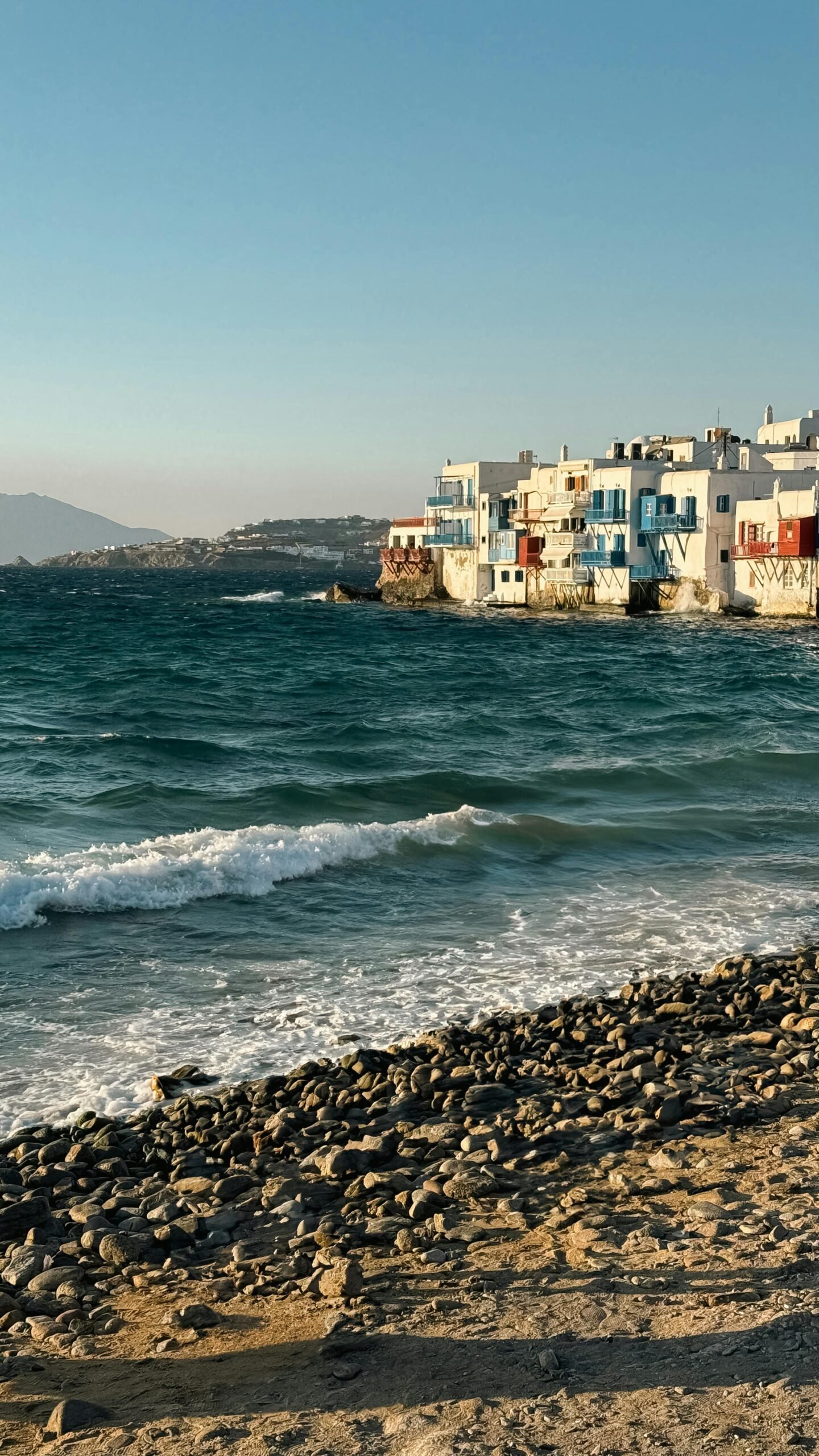
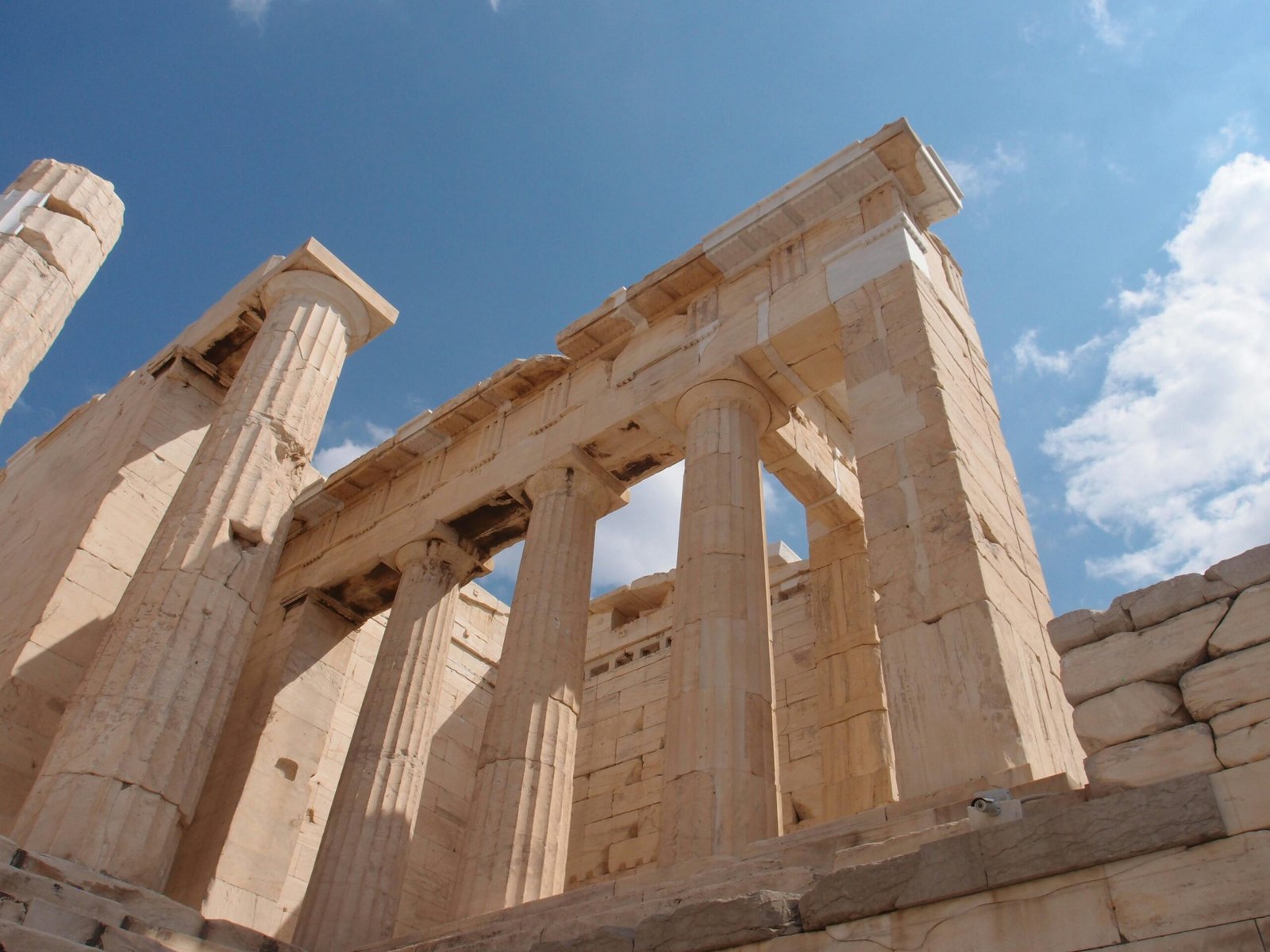
Why a Mani Trip Breaks DIY Planning Faster Than People Expect
If you want Mani to work, you need to stop thinking of it as a simple coastal detour. It is a region with a strong identity, spread-out settlements, and a travel style that punishes vague planning. People who treat it like a generic Peloponnese stop usually leave saying it felt more tiring than expected.
Why a Mani Trip Breaks DIY Planning Faster Than People Expect: the real problem is pacing
The first mistake is assuming the peninsula is small enough that base-hopping is easy. It is not. Distances on paper do not reflect the time you spend slowing down for narrow roads, choosing where to stay, or realizing that the day has been consumed by movement instead of actual experience.
The second mistake is booking accommodation in the wrong part of Mani for the kind of trip they want. A traveler who wants atmosphere and evening life will be frustrated in a remote tower-house area, while someone who wants quiet and space will regret staying in a busier harbor village. That mismatch is one of the main reasons Why a Mani Trip Breaks DIY Planning Faster Than People Expect keeps proving true.
The places people name, but rarely understand correctly
Areopoli is the obvious anchor, and that is exactly why people overestimate it. It is useful, but it is not a base that solves every Mani problem. Stay there if you want a central, practical feel; do not stay there if you expect a soft, resort-style pace.
Limeni gets oversold by travelers who have seen one photo and assume it is a full travel answer. It is small, heavily visited in season, and better for a short stay than for people who want variety. Oitylo and Neo Oitylo are often confused with Limeni in planning conversations, yet they suit different travelers entirely, especially those who care more about space and calmer nights than about being in the thick of the scene.
Vathia is another place people treat like a required stop when, in reality, it is more about the landscape and the atmosphere of the old Mani than about convenience. Kardamyli attracts a different crowd again: more polished, more polished means more expensive, and not everyone wants that. Gytheio, while not always mentally grouped with Mani by first-time visitors, matters because it changes the way people frame the region; if you ignore it, you often misjudge the whole trip.
What travelers consistently get wrong in Mani
They underestimate how quickly a “relaxed” day becomes a logistics day. One delayed morning, one overlong lunch, and one poor base choice can leave the rest of the trip feeling compressed. That is not a minor issue in Mani; it is the difference between a trip that feels composed and one that feels improvised.
They also assume the best stay is the most scenic one. That is a rookie error. In Mani, scenic and practical are often not the same thing, and if you choose only for the view, you may end up with a place that is beautiful at 8 p.m. and irritating at 8 a.m.
Another common mistake is ignoring how seasonal pressure changes the experience. In peak months, the most recognizable spots feel busier than travelers expect, while in shoulder season some places feel quieter in a good way and some feel simply underactive. If you want broader context on regional travel timing,
Visit Greece is useful, but it will not replace local judgment about where to stay and when.
Who this suits
Mani suits travelers who like a region with character and do not need every day to be packed with attractions. It works well for couples, seasoned Greece repeat visitors, design-conscious travelers, and people who value strong local identity over convenience. It also suits travelers who are comfortable with a slower, more deliberate rhythm and do not mind making trade-offs for atmosphere.
- Good fit: couples, repeat visitors, food-focused travelers, architecture-minded travelers, and people who want a grounded base with a clear sense of place.
- Poor fit: first-time Greece visitors who want easy variety, families who need everything close together, and travelers who hate rethinking plans once they are on the ground.
If you want a trip that feels efficient in the conventional sense, Mani can frustrate you. If you want a trip that feels considered, with fewer but better choices, it can work very well. That is the trade-off, and it is the part most DIY planners miss.
The counterintuitive part most people miss
The surprising truth is that staying in a more central-looking place is not always the smarter choice. In Mani, the “obvious” base can create more friction because it encourages people to spread themselves too thin and keep chasing the next stop. A slightly less obvious base, chosen for how you actually move and rest, often produces a better trip with less fatigue.
That is why Why a Mani Trip Breaks DIY Planning Faster Than People Expect is not really about geography alone. It is about behavior. Travelers who want to see everything usually end up seeing less, while travelers who choose fewer targets and better positioning usually leave with a stronger impression of the region.
What you gain, and what you give up
You gain a region with real identity, strong visual consistency, and a sense of place that feels different from the more polished Greek islands. Mani does not try to be everything to everyone, and that is part of its appeal. For the right traveler, that clarity is worth a lot.
You give up convenience, flexibility, and the illusion that a map is enough. You also give up the freedom to make casual decisions without consequences, because in Mani small planning errors compound quickly. If you want the trip to feel smooth rather than merely possible, the planning has to be sharper than most travelers expect.
For travelers who want deeper context on cultural context and regional heritage, the Hellenic Ministry of Culture is a better reference point than generic travel content, especially if you care about historic settlements and the character of the built environment.
Conclusion
Mani is not a place that rewards casual planning. It rewards travelers who understand that the right base, the right pacing, and the right expectations matter more here than in many parts of Greece. Why a Mani Trip Breaks DIY Planning Faster Than People Expect is not a warning to avoid it; it is a warning to respect it.
Greece rewards travelers who arrive with a plan built around how they actually travel — not a generic template. The difference between a frustrating trip and a remarkable one often comes down to sequence, timing, and knowing which trade-offs matter for your situation.
Frequently asked questions
Why does Mani cause more DIY planning problems than people expect?
Because the region looks compact, but the travel experience is shaped by pacing, base choice, and how spread out the meaningful places are. People plan it like a quick add-on and then lose time to poor sequencing and mismatched accommodation.
What is the biggest mistake first-time visitors make in Mani?
Choosing a base for scenery alone. In Mani, a pretty location can be a bad operational choice if it leaves you isolated, overcommitted, or far from the kind of evenings and services you actually want.
Which places are commonly misunderstood in Mani?
Areopoli, Limeni, Oitylo, Neo Oitylo, Vathia, Kardamyli, and Gytheio are all commonly mentioned, but each serves a different travel style. Treating them as interchangeable is where planning goes wrong.
Is Mani better for slow travel or active sightseeing?
It is better for slow, deliberate travel. You can sightsee, but the region works best when travelers accept fewer stops and more thoughtful positioning rather than trying to cover too much ground.
Who should avoid DIY planning for Mani?
Travelers who want maximum convenience, families who need everything clustered, and first-time Greece visitors who do not want to rethink their bases should be cautious. Mani can still work, but it usually works better with expert planning.
What is the most counterintuitive thing about planning Mani?
The most obvious-looking base is often not the best one. A less central choice can reduce friction and create a better rhythm, which matters more in Mani than many travelers expect.