

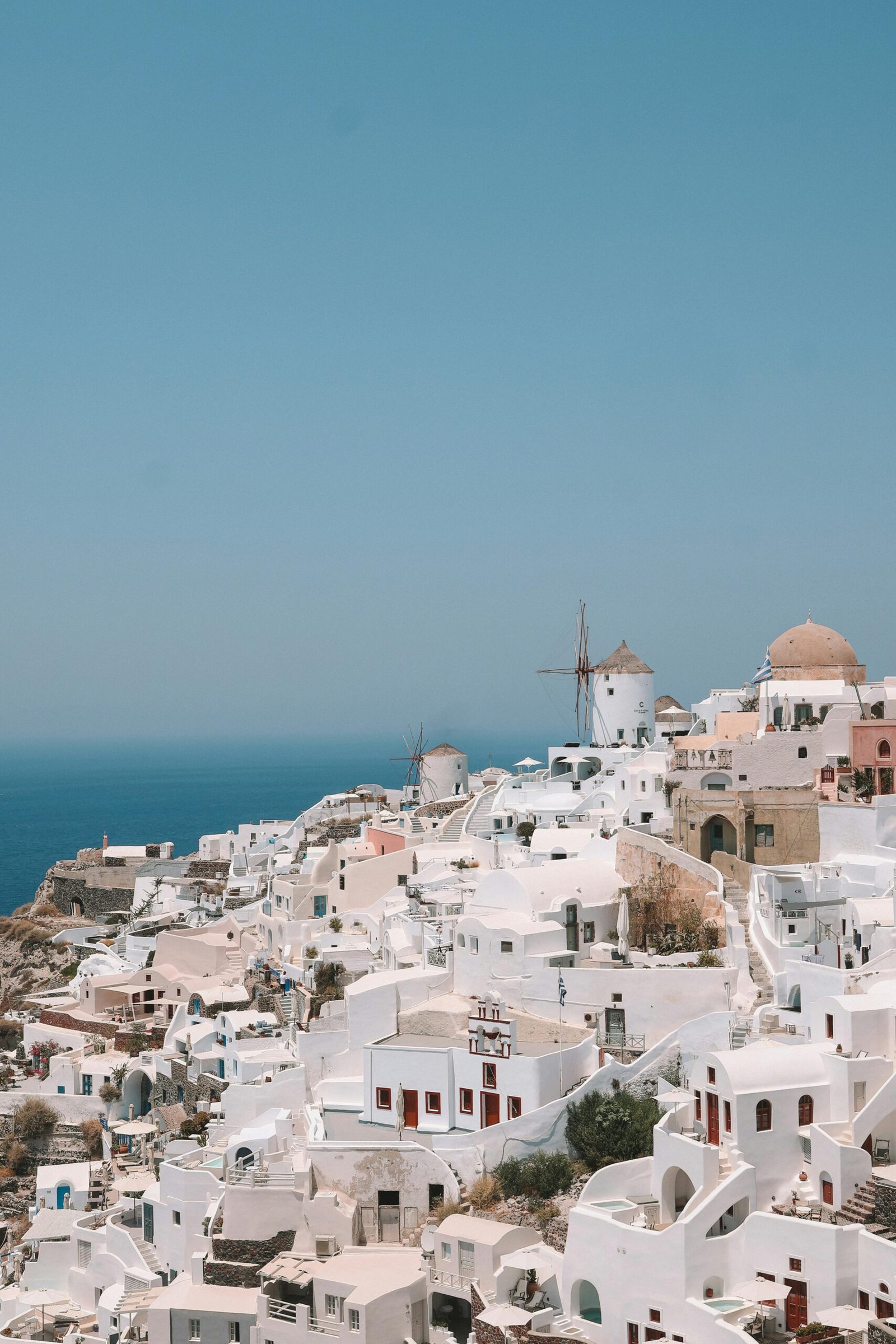
Why Most First-Timers to Santorini Leave Slightly Disappointed usually comes down to one thing: people arrive with a picture in their head, then judge the island against that picture instead of the reality in front of them. Santorini is not failing them; their expectations are doing the damage.
The mistake is emotional as much as practical. Travelers often want a once-in-a-lifetime island experience, but they also want it to feel easy, intimate, and uninterrupted — three things Santorini struggles to deliver in peak season.
Why Most First-Timers to Santorini Leave Slightly Disappointed
There is a very specific mental trap behind Why Most First-Timers to Santorini Leave Slightly Disappointed: people confuse a famous image with a complete travel experience. They are not just choosing a destination; they are chasing a feeling they have already decided the island should provide.
That is why Santorini creates such a sharp emotional split. Visitors expect a clean, cinematic version of Greece, then run straight into crowds, noise, premium pricing, and the reality that the island’s most photographed places are also its most heavily used. The disappointment is not usually dramatic. It is quieter than that — a sense that the place is somehow less generous than they were promised.
The image is strong enough to override common sense
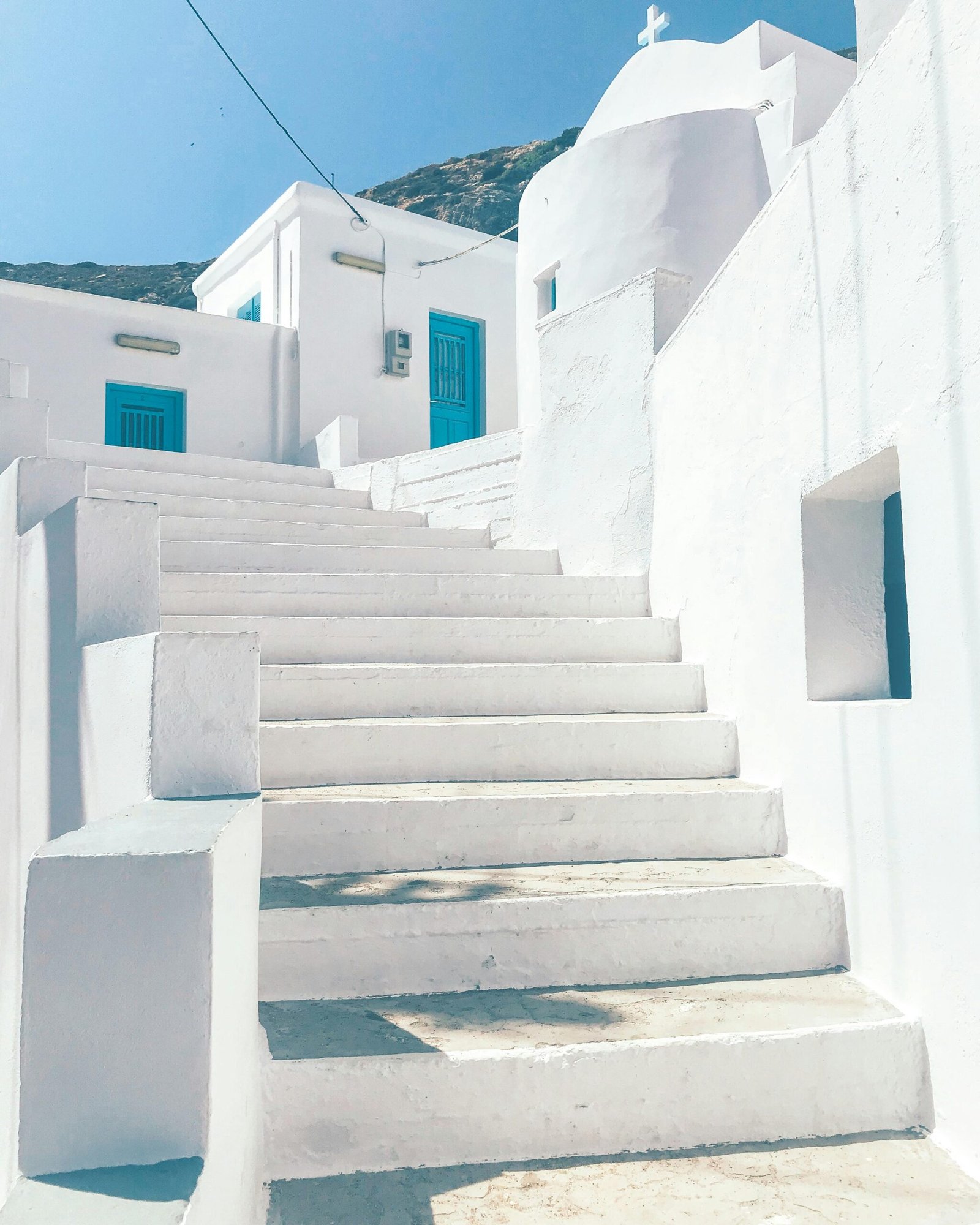
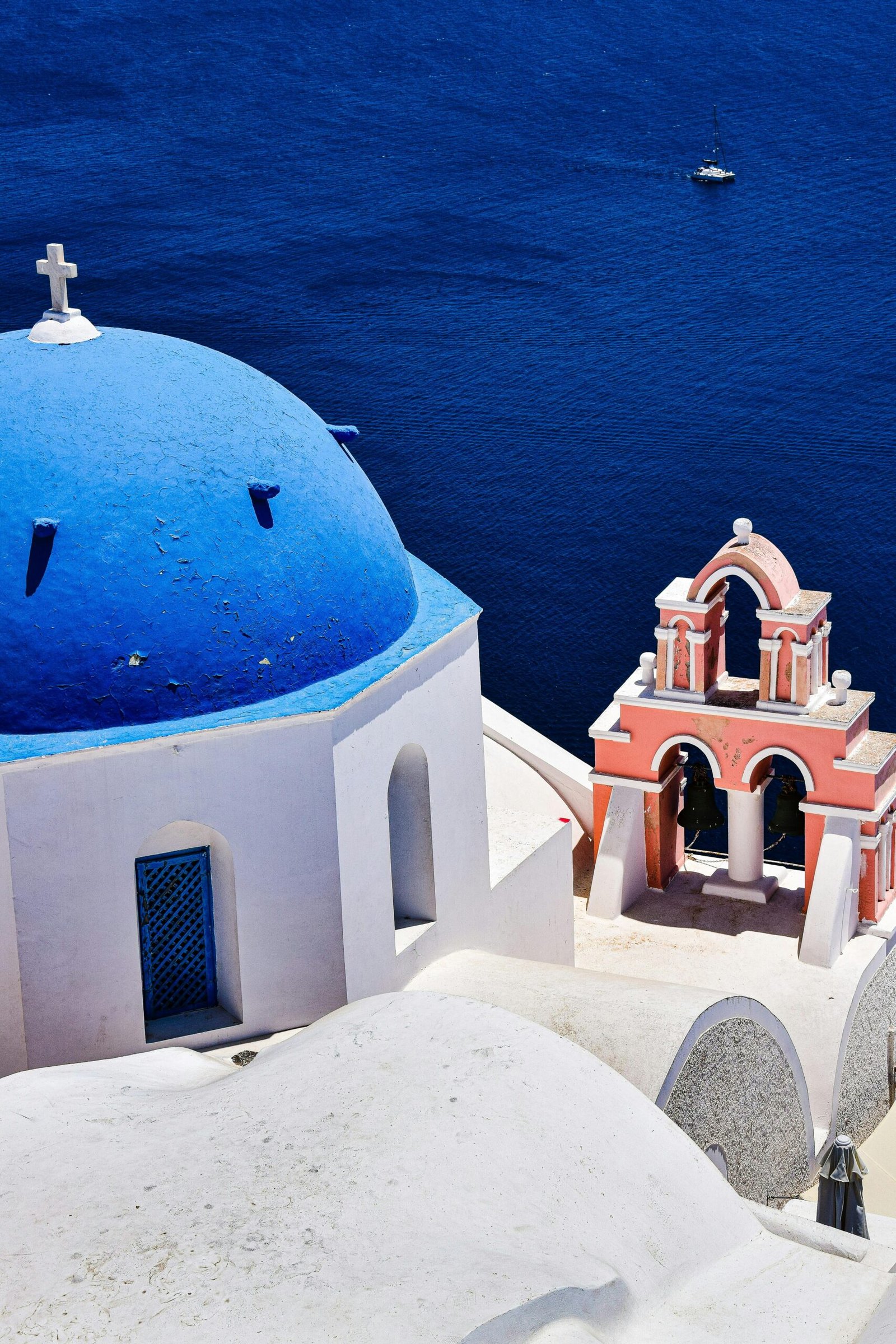
Santorini is one of the few Greek destinations where the marketing is not just strong, it is emotionally sticky. People have seen the caldera view, the whitewashed buildings, and the blue domes so many times that they start treating them like a guarantee of mood, rather than a visual feature of a very busy island.
That matters because first-timers rarely ask the right question: what kind of day do I want here? They ask whether Santorini is “worth it,” which is usually code for “will it live up to the version I already built in my head?” That is a dangerous way to choose any place, and especially this one.
Why Most First-Timers to Santorini Leave Slightly Disappointed in peak season
Peak season changes the emotional math. Santorini is still Santorini, but the experience becomes more compressed, more expensive, and less forgiving. You are not just sharing the island with other travelers; you are competing with them for views, dinner reservations, and a sense of space that the island cannot manufacture.
Here is the counterintuitive part: many first-timers are not disappointed because Santorini is overrated. They are disappointed because it is too famous to be experienced casually. Fame creates pressure, and pressure makes every small inconvenience feel like a failure of the destination. That is why Why Most First-Timers to Santorini Leave Slightly Disappointed is less a review of the island than a diagnosis of the visitor mindset.
For travelers who want the broader Greek context, not just one island fantasy,
Visit Greece is a better starting point than social media. It will not solve the expectation problem, but it does remind people that Santorini is one part of a much larger country with very different island personalities.
The moment the disappointment usually hits
It usually hits at the first high-friction moment. That might be the view that is less private than expected, the restaurant bill that feels out of proportion, or the realization that “sunset” is not a serene event but a crowded arrival window with a lot of standing around. The emotional shift is not about one bad experience; it is about the collapse of the fantasy that the island will feel effortless.
People often blame the crowds, but the real problem is the mismatch between expectation and environment. Santorini asks for tolerance, patience, and a willingness to accept that the famous parts are famous because everyone wants them at the same time. If you expected exclusivity, peak season will feel like a correction.
The traveler types most prone to this pattern
Some visitors are simply more vulnerable to disappointment here. They are usually the ones who travel for atmosphere first and logistics second. They want romance, visual order, and a sense that everything has been curated for them, which is exactly why Santorini can unsettle them.
- First-time Greece visitors who assume every island works like a postcard.
- Couples chasing a “special occasion” mood without wanting crowd management.
- Travelers who dislike planning but still want premium results.
- People who equate famous with superior and busy with successful.
The common thread is not inexperience alone. It is a refusal to accept trade-offs. Santorini is one of the clearest examples in Greece of a place where the emotional payoff can be real, but only if you stop expecting it to be private, calm, and cheap at the same time.
What most people underestimate about the island’s psychology
First-timers underestimate how much of Santorini is consumed by anticipation. By the time they arrive, they have already spent months imagining it, saving for it, and talking themselves into believing it will justify the effort. That creates a dangerous setup: the trip has to perform at the level of a long-held fantasy.
That is why some travelers leave with a vague sense of being underwhelmed even after doing all the “right” things. They did not have a bad trip. They had a trip that could not possibly match the emotional scale they assigned to it. This is the quiet truth behind Why Most First-Timers to Santorini Leave Slightly Disappointed.
If you want a better anchor for understanding Greek travel as a whole, not just one island, the cultural context matters. The country is not a single product, and places like the Acropolis Museum are useful reminders that Greece is deeper and more varied than the island image many first-timers start with.
What a better approach actually looks like
A better approach starts with a simpler question: what are you trying to feel, and what are you willing to give up to feel it? If you want dramatic views, Santorini can deliver. If you want quiet, easy movement, and the sense that you have stumbled into a place before everyone else found it, this is not the strongest candidate.
Greece rewards travelers who arrive with a plan. That does not mean a rigid schedule; it means a clear hierarchy of what matters most. Once you accept that Santorini is a high-demand destination with real trade-offs, you can stop asking it to be something else and start using it for what it actually does well.
The travelers who leave most satisfied are rarely the ones chasing perfection. They are the ones who understand that the island’s appeal is specific, not universal, and that peak season magnifies both its strengths and its weaknesses. That is the reframe: do not ask whether Santorini matches the brochure. Ask whether your expectations match the kind of place it actually is.
Greece doesn’t punish inexperience. It punishes unexamined assumptions. The travelers who leave disappointed rarely lacked information — they lacked a framework for using it.
Frequently asked questions
Why do first-time visitors feel let down by Santorini?
Because they arrive expecting a private, effortless version of the island that does not exist in peak season. The famous views are real, but so are the crowds, the pricing, and the pressure around the main sights.
Is Santorini overrated for first-timers?
Not exactly. It is better described as over-anticipated. The island is strong on visual impact, but many first-timers expect it to deliver mood, calm, and exclusivity in the same package.
What is the biggest mistake people make when planning Santorini?
They choose it for the image, not the experience they actually want. That leads to disappointment when the realities of peak season — crowds, cost, and congestion — dominate the trip.
Who is most likely to be disappointed in Santorini?
Travelers who want romance without friction, people chasing a special-occasion feeling, and first-time Greece visitors who assume all islands work the same way.
Does Santorini only disappoint in peak season?
Peak season makes the gap much worse because the island is under more pressure. Outside peak season, the same expectations can still cause disappointment, but the friction is usually lower.
How should I think about Santorini differently?
Treat it as a specific destination with trade-offs, not a universal Greek island experience. If you know what you are there for, the trip becomes more satisfying and far less fragile.