

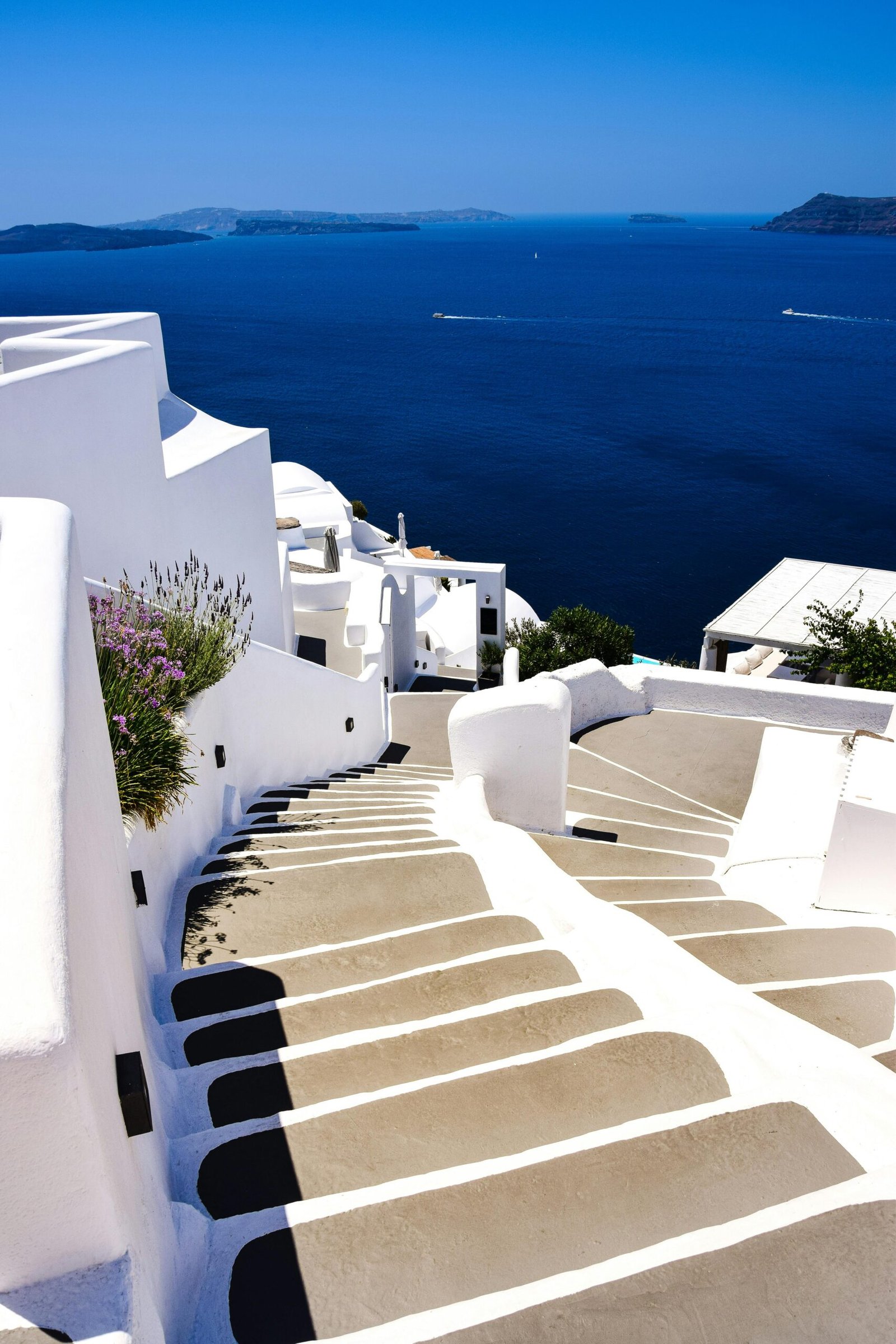
Why Most First-Timers to Santorini Leave Slightly Disappointed is usually not a problem of bad taste; it is a problem of projection. People arrive carrying a very specific image of the island, then judge the real place against a version built from photos, proposals, and cruise-day highlight reels.
The disappointment is often mild, which is why it catches people off guard. They are not furious, just oddly underwhelmed after spending a lot of money on a place they expected to feel more effortless, more private, and more polished than it actually is in peak season.
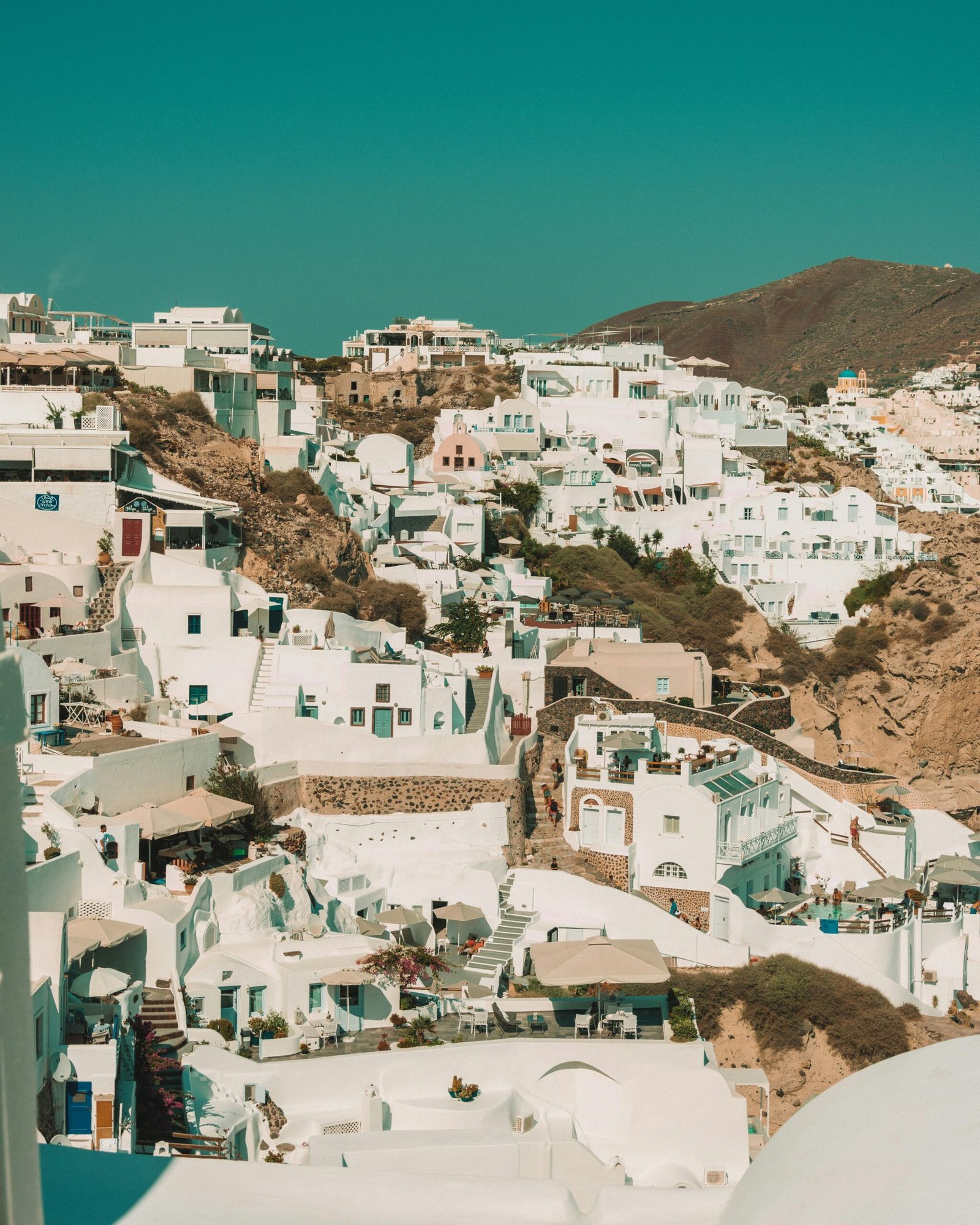
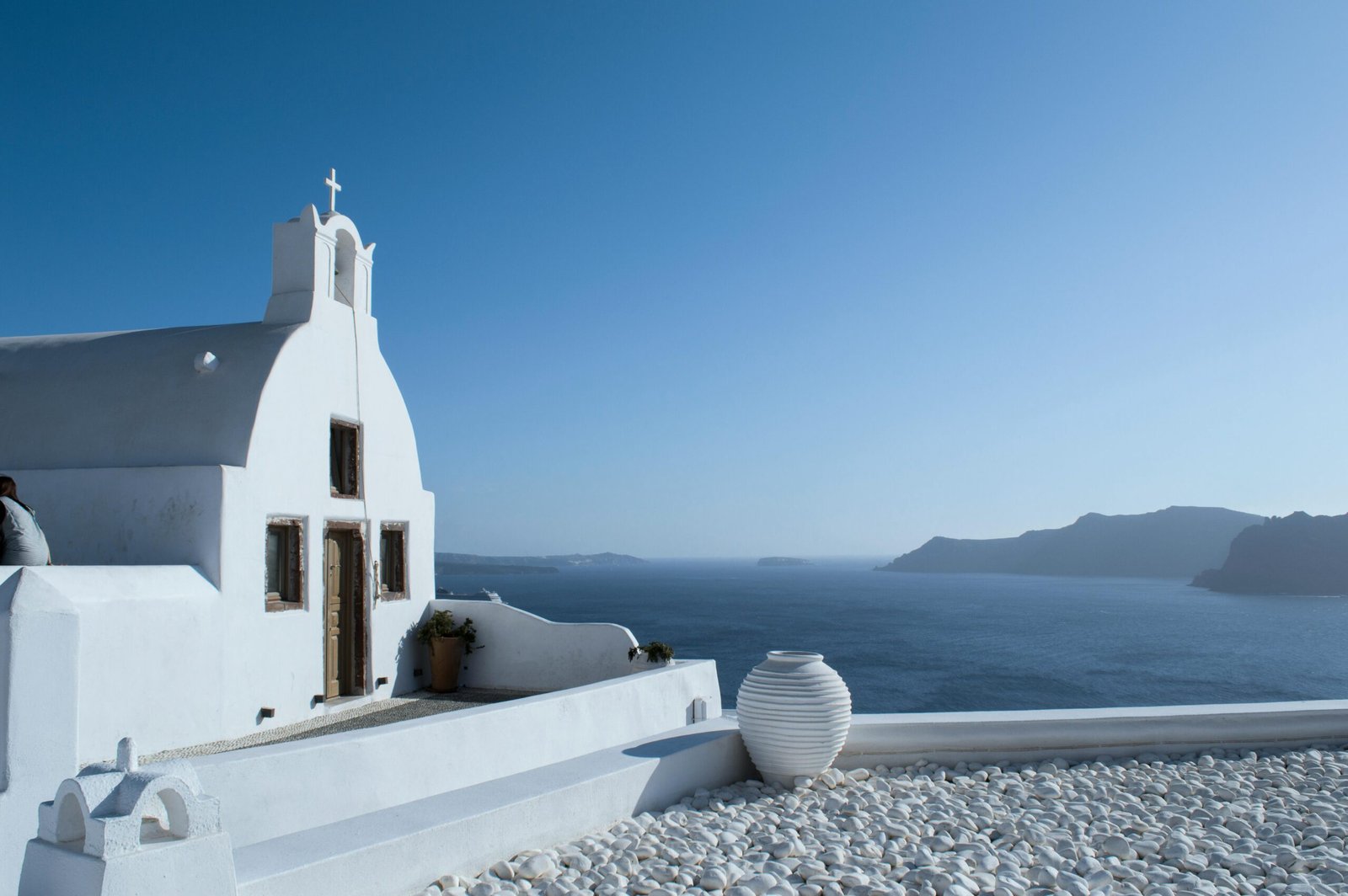
Why Most First-Timers to Santorini Leave Slightly Disappointed
The real problem is not Santorini. It is the fantasy people attach to it.
Most first-timers do not choose Santorini because they studied the island carefully. They choose it because Santorini has been sold to them as the default answer to “special trip in Greece.” That creates a psychological trap: once a destination becomes a symbol, people stop asking what kind of trip they actually want and start asking whether they are doing the “right” Greece.
That is the root of Why Most First-Timers to Santorini Leave Slightly Disappointed. They are not reacting to the island alone. They are reacting to the gap between a highly edited image and the practical reality of a very popular place with finite space, finite patience, and very little tolerance for everyone arriving at once.
There is also a status element people rarely admit. Santorini feels like a decision that proves something: taste, success, romance, good judgment. When a destination carries that much emotional weight, any inconvenience feels bigger than it should. A crowded terrace, a long wait for a table, or a room that looks smaller than the photos can feel like a personal letdown rather than a normal travel trade-off.
Why travelers make this choice in the first place
The usual reason is not ignorance. It is emotional efficiency. Santorini is easy to name, easy to recognize, and easy to sell to other people, which makes it a low-friction choice for weddings, anniversaries, and first-time Greece trips where nobody wants to make the wrong call.
That is exactly why it gets overselected. People are trying to avoid regret, so they choose the place with the strongest reputation. In practice, that often means choosing the island most likely to be crowded, over-signposted, and expensive at the same time.
For travelers who want a broader sense of Greece before locking in a single iconic island,
Visit Greece is useful as a starting point because it shows how narrow the Santorini-only mindset can be. The mistake is not wanting Santorini. The mistake is believing Santorini should carry an entire Greece trip emotionally.
The emotional gap: what people expect vs what they actually get
People expect a sense of spaciousness, privacy, and control. They imagine arriving somewhere that feels curated for adults who know what they are doing. What they often get in peak season is noise, heat, queues, and the constant awareness that thousands of other people are trying to have the same moment at the same time.
That gap matters because it changes the emotional tone of the trip. Instead of feeling restorative, Santorini can feel performative. Travelers start managing the experience rather than living it, which is a very different feeling from what they pictured when they booked.
Here is the counterintuitive part: the island is often most disappointing to travelers who are not chasing luxury at all, but reassurance. They want a place that confirms they made a smart, elegant choice. Santorini can do that in flashes, but peak season makes the island feel less like a private reward and more like a shared stage.
The moment the disappointment usually hits
It usually hits when the traveler realizes the island is not asking to be admired; it is asking to be navigated. That moment can come in a crowded viewpoint, a restaurant with a long wait, or a hotel terrace where the view is excellent but the sense of calm is gone.
The emotional shift is sharp because it is not about one bad service experience. It is the moment the traveler understands that the famous image of Santorini is real, but incomplete. The postcard version exists, yet you have to compete for it, and competition changes the mood of a place.
This is where Why Most First-Timers to Santorini Leave Slightly Disappointed becomes obvious. The island did not fail to deliver beauty. It failed to deliver the fantasy of exclusivity that many first-timers quietly expected without saying it out loud.
Who is most prone to this pattern
Couples on a once-in-a-lifetime trip are the most vulnerable. They often want a setting that feels intimate and effortless, and Santorini’s reputation pushes them to expect that feeling automatically. When the island is busy, the contrast is painful because the trip was supposed to feel singular, not managed.
First-time Greece visitors are another high-risk group. They usually do not yet know that Greek islands vary enormously in temperament, pace, and seasonal pressure. Without that context, they treat Santorini as the safest choice when it is often the most emotionally loaded choice.
There is also a specific type of traveler who gets disappointed: the person who wants a beautiful trip but does not want to think about trade-offs. Santorini forces trade-offs into the open. You pay more, you share more, and you surrender more spontaneity than many people expect.
- Travelers seeking privacy without paying for genuine seclusion
- Couples expecting romance to appear automatically
- First-timers using social media as their main planning reference
- Anyone who dislikes crowds but books the most famous island in Greece
What peak season changes that people underestimate
Peak season does not just make Santorini busier. It changes the psychology of the island. A place that can feel composed in the shoulder months can feel compressed in high season, and compression is what travelers remember most when they say the trip felt overrated.
The practical consequence is simple: the margin for error shrinks. A poorly chosen hotel area, a room category that looked fine online, or a schedule built around a relaxed pace can all turn into friction points once the island is full. This is why Greece rewards travelers who arrive with a plan, but only when that plan reflects reality rather than fantasy.
If you want to understand how much context matters in Greece, even a quick look at the Hellenic Ministry of Culture can be a useful reminder that the country’s appeal is not just scenery. History, access, preservation, and crowd pressure all shape the experience, especially in places that have become global symbols rather than just destinations.
How to approach Santorini differently
The better question is not whether Santorini is worth it. The better question is what role you want it to play in the trip. If you want one iconic stop and you accept that it comes with trade-offs, Santorini can still make sense. If you want the island to carry the emotional weight of your entire Greece experience, you are setting yourself up for disappointment.
A more useful mindset is to treat Santorini as a high-demand destination with a strong visual identity, not as a universal benchmark for Greece. That shift changes everything. You stop asking whether it lives up to the hype in the abstract and start asking whether it matches your actual travel temperament.
That is the real reframe behind Why Most First-Timers to Santorini Leave Slightly Disappointed. The issue is rarely that travelers chose wrong in a dramatic sense. It is that they chose for the feeling they wanted to have, instead of the conditions they were willing to live with.
Conclusion
Greece doesn’t punish inexperience. It punishes unexamined assumptions. The travelers who leave disappointed rarely lacked information — they lacked a framework for using it.
If you are deciding whether Santorini belongs in your trip, the useful next step is not more hype. It is a clearer read on what kind of traveler you are, what season you are actually willing to tolerate, and whether you want an iconic stop or an easy one. Those are not the same thing.
Frequently asked questions
Why do first-time visitors to Santorini often feel underwhelmed?
Because they arrive with a polished image of the island and meet a real place shaped by crowds, seasonality, and high demand. The disappointment usually comes from the gap between expectation and conditions, not from the island lacking beauty.
Is Santorini still worth visiting for a first trip to Greece?
Yes, if you understand what you are buying into. Santorini works best as one part of a broader Greece trip, not as the emotional standard for the whole country.
What is the biggest mistake first-timers make with Santorini?
They treat it like a low-risk default choice. In reality, Santorini is a high-demand island where timing, expectations, and tolerance for crowds matter more than many first-timers realize.
Who is most likely to be disappointed by Santorini?
Travelers looking for privacy, couples expecting automatic romance, and first-time Greece visitors who rely heavily on social media images tend to be most vulnerable to disappointment.
Does peak season make Santorini feel worse?
Yes. Peak season compresses the experience, increases crowd pressure, and makes the island feel more managed than relaxed. That changes the emotional tone of the trip in a big way.
How should I think about Santorini differently before booking?
Treat it as a famous, high-demand destination with real trade-offs, not as a guarantee of effortless luxury. If you want it to feel right, match your expectations to the season and your tolerance for crowding.