

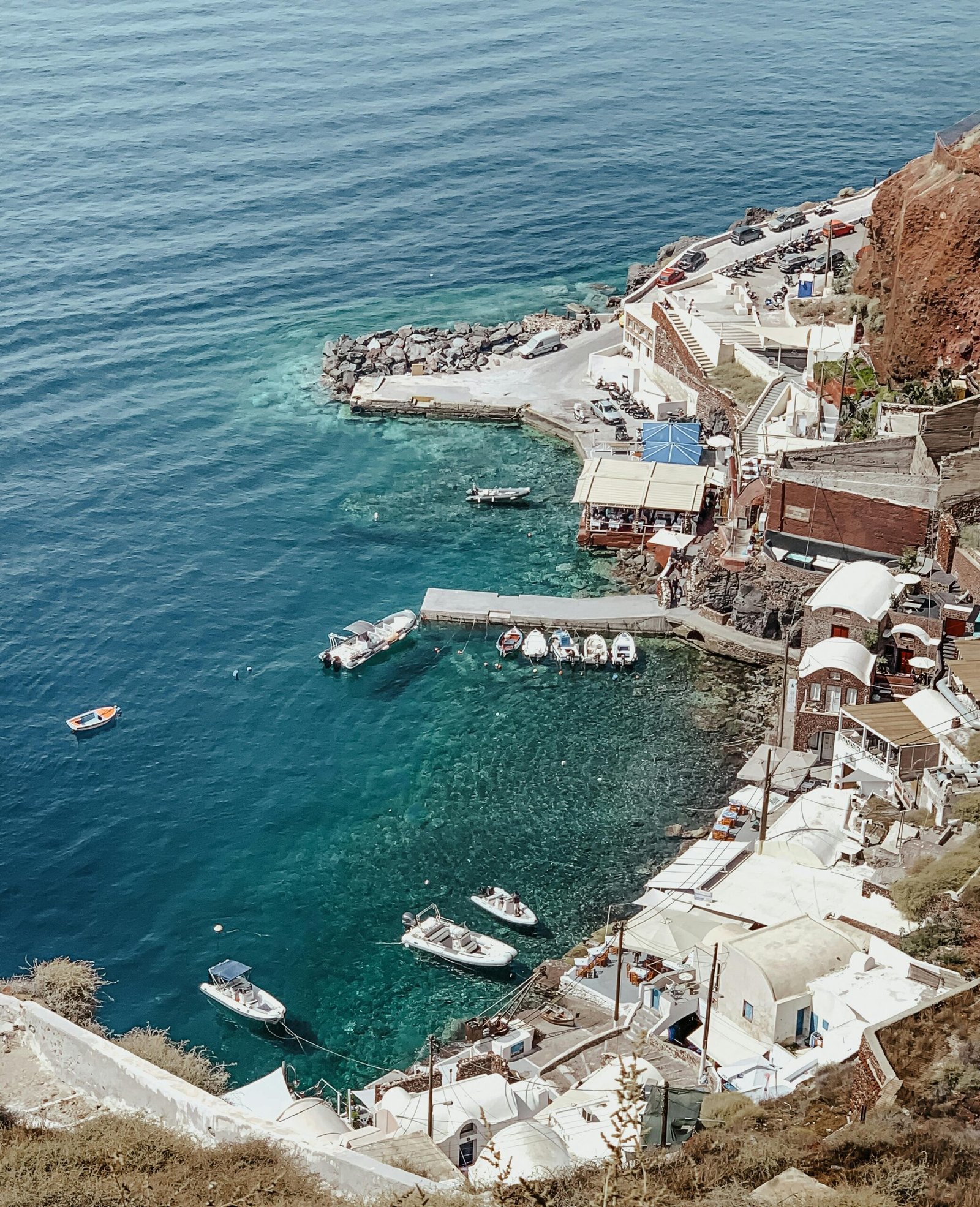
Why Most First-Timers to Santorini Leave Slightly Disappointed usually comes down to one simple pattern: people arrive chasing an image, then judge the island against that image instead of the reality in front of them. Santorini is not failing to deliver; many visitors are asking it to be something it is not, especially in peak season.
The disappointment is usually quiet, not dramatic. It shows up as a sense that everything feels more managed, more crowded, and less personal than expected, and that gap is exactly where the problem starts.
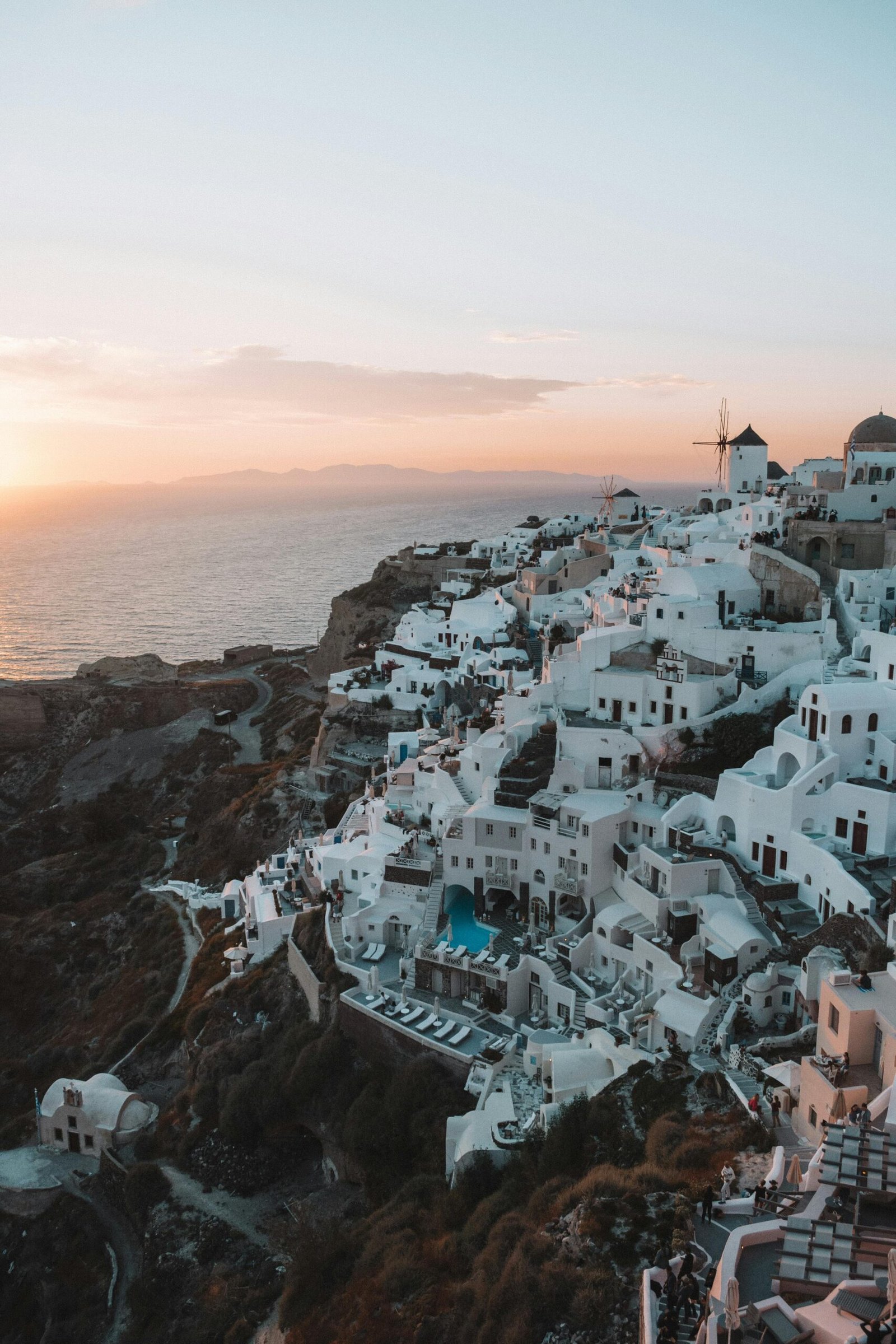
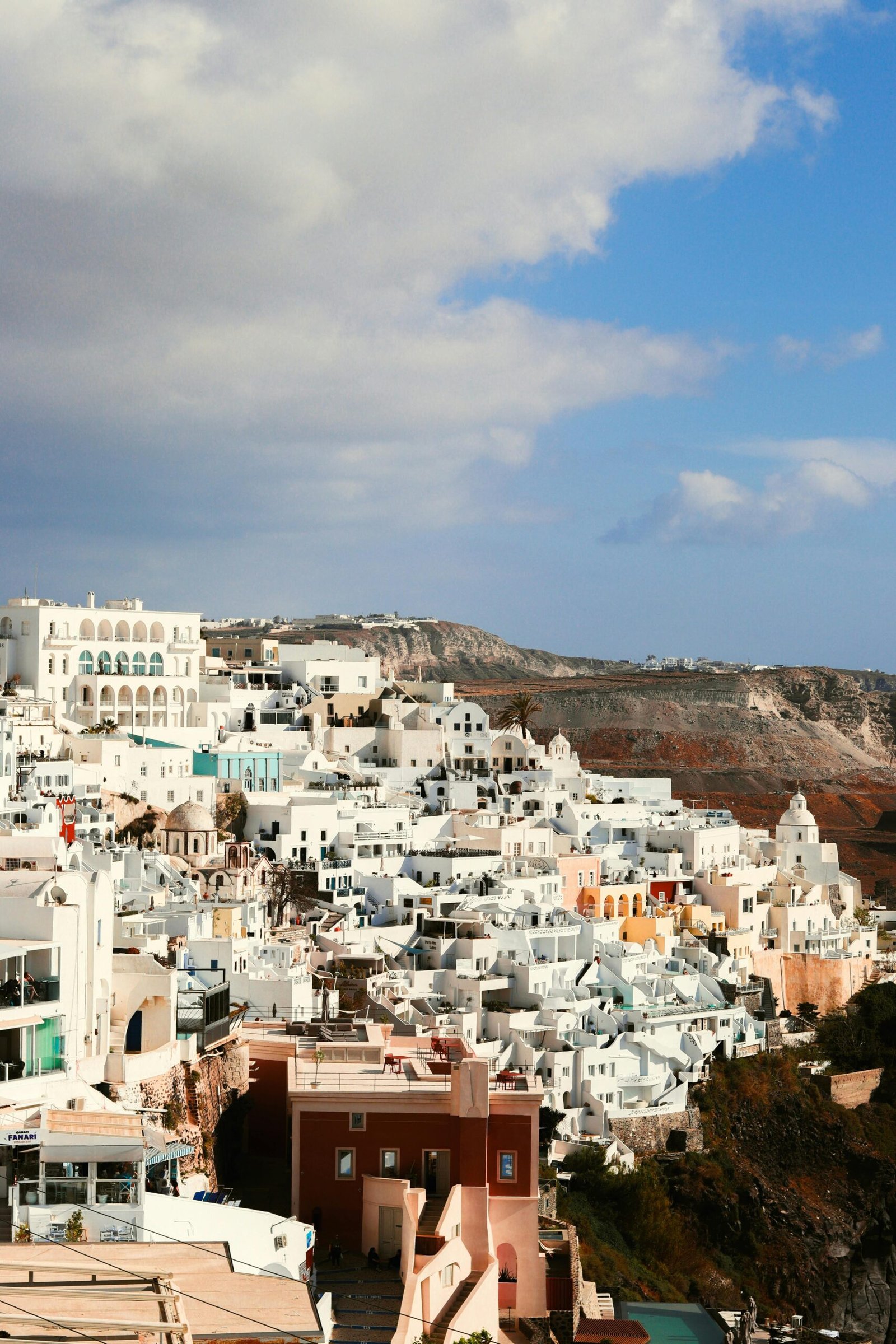
Why Most First-Timers to Santorini Leave Slightly Disappointed
Why Most First-Timers to Santorini Leave Slightly Disappointed is not a mystery to anyone who has watched the island absorb peak-season pressure year after year. The issue is not that Santorini is overrated in a simple sense. The issue is that many first-timers arrive with a fantasy built from photos, short-form video, and the assumption that a famous place should feel effortless the moment they reach it.
That assumption creates a very specific emotional setup. Travelers expect immediate payoff, low friction, and a sense of exclusivity, then they encounter queues, heat, noise, and the reality that one of Greece’s most famous islands is also one of its most heavily visited. The island is still impressive, but the visitor’s mood is already working against it.
The image of Santorini is stronger than the actual visit
Most people do not choose Santorini because they studied the island carefully. They choose it because they have seen a compressed version of it: white walls, blue domes, caldera views, and a sense that this is where a Greece trip becomes “special.” That image is powerful enough to override practical thinking.
The emotional mistake is treating a destination like a reward for booking it. Travelers subconsciously expect Santorini to validate the decision instantly, which is why small inconveniences feel larger here than they would elsewhere. Once the visit starts feeling like ordinary travel instead of a cinematic payoff, disappointment gets in early.
Why Most First-Timers to Santorini Leave Slightly Disappointed in peak season
Peak season changes the island’s personality. Not the geography, not the views, but the experience of moving through it. Crowding compresses patience, and the famous places become less about atmosphere and more about managing other people doing the exact same thing at the exact same time.
Here is the counterintuitive part: Santorini often disappoints not because it is too little, but because it is too recognizable. People arrive expecting intimacy and discover a destination that has been heavily interpreted, photographed, and packaged for years. When a place is that famous, the visitor is rarely the first person to feel the moment, and that matters more than people admit.
This is why the phrase Why Most First-Timers to Santorini Leave Slightly Disappointed keeps coming up among experienced Greece travelers. The island is not broken. The expectation is. And once that mismatch is in place, even a very good meal or a strong view can feel like it arrived too late to rescue the mood.
The exact moment disappointment usually hits
The disappointment usually hits when the traveler realizes the island is being experienced through friction. It may be the first time they have to wait longer than expected for a table, the first time a view they imagined as private feels crowded, or the first time they notice how much of their day is being shaped by everyone else’s schedule.
That moment matters because it collapses the fantasy of ease. Many first-timers thought Santorini would feel like a reward for spending money well. Instead, they discover that money buys access, not immunity from crowd pressure, and that is where the emotional letdown becomes concrete.
If you want a broader sense of how Greece handles heritage, scale, and visitor pressure, the national tourism picture is worth reading through
Visit Greece. Santorini is a particularly intense version of a wider Greek reality: popular places are popular for a reason, and popularity changes the feel of a visit in ways no brochure will spell out plainly.
The traveler types most prone to this pattern
Some travelers are much more likely to feel let down. The first group is the photo-led planner, who has built the trip around a visual promise and expects the island to reproduce it at scale. The second is the celebratory traveler, especially honeymooners and anniversary couples, who want the destination to carry emotional weight on its own.
The third group is the efficiency-minded traveler who dislikes friction but still chooses a highly visited place because it is famous. That combination is dangerous. They are the most likely to interpret normal peak-season crowding as a flaw in the destination rather than a predictable feature of visiting it.
- Photo-led travelers who expect every view to feel private
- Celebratory travelers who want the island to do emotional work for them
- Efficiency-first travelers who underestimate crowd pressure
- First-time Greece visitors who choose fame over fit
These travelers are not wrong to want beauty or ease. They are wrong to assume Santorini will deliver both without trade-offs. That is the core reason Why Most First-Timers to Santorini Leave Slightly Disappointed remains such a useful question.
The real trade-off: spectacle versus comfort
My clear position: Santorini is a strong choice for travelers who understand exactly what they are buying, and a poor choice for travelers who want a relaxed first encounter with Greece. That is not a polite hedge. It is the practical truth.
The island offers dramatic scenery, serious hotel inventory, and a name that still carries weight. It also asks you to accept congestion, premium pricing, and a highly managed visitor environment. If someone wants their first Greece experience to feel generous, unforced, and varied, Santorini is often the wrong first stop.
This is where many mistakes begin: travelers choose the most famous island first, then spend the rest of the trip trying to recover the sense of authenticity they expected to find there. Greece rewards travelers who arrive with a plan, but more importantly, it rewards travelers who choose the right emotional setting for the kind of trip they want.
What first-timers usually underestimate
They underestimate how much expectation shapes memory. A good view can still feel underwhelming if the traveler spent six months building it into something impossible. They also underestimate how quickly peak-season pressure turns a beautiful place into a place that feels managed rather than lived in.
They often miss the fact that Santorini is not a general-purpose Greek island. It is a high-demand destination with a very specific visitor profile. That means the question is not whether it is good or bad, but whether it fits the mood, patience, and priorities of the person visiting it.
For travelers who want to understand the cultural and historical depth of Greece beyond the postcard layer, the Acropolis Museum is a useful reminder that Greece is not a one-note destination. Santorini gets the attention, but it does not represent the whole country, and treating it as the default Greek experience is where a lot of first-trip disappointment begins.
How to approach Santorini differently
The better approach is not to lower your standards. It is to change the job you expect the island to do. Santorini works best when it is treated as one part of a broader Greece trip, not the emotional centerpiece of the entire journey.
That means accepting that the island’s value is concentrated in specific experiences, not in constant comfort. It also means understanding that peak season magnifies everything: the beauty, the crowds, the cost, and the sense that you are sharing the same moment with thousands of other people.
If you approach it that way, the island stops being a test of whether Greece lived up to a fantasy. It becomes a place with a strong, narrow purpose. That shift in framing is usually the difference between feeling let down and feeling clear-eyed.
Greece doesn’t punish inexperience. It punishes unexamined assumptions. The travelers who leave disappointed rarely lacked information — they lacked a framework for using it.
Frequently asked questions
Why do first-time visitors feel let down by Santorini?
Because they often arrive expecting a private, effortless version of the island that does not exist in peak season. The gap between the image and the real visitor experience is what creates disappointment.
Is Santorini actually overrated?
Not in a simple sense. It is highly visited, heavily photographed, and expensive, which means it can feel less rewarding if you expected intimacy or ease. For the right traveler, it still delivers.
What is the biggest mistake first-timers make?
They treat Santorini as the default Greek island experience. It is not. It is a highly specific, high-pressure destination that works best when you know exactly what you are getting.
Who is most likely to be disappointed in Santorini?
Photo-led travelers, honeymooners expecting the island to create the mood for them, and efficiency-minded travelers who dislike crowding but still choose a very popular destination.
Why does peak season make Santorini feel worse?
Because crowding changes the emotional tone of the island. The views are still there, but the experience becomes more managed, less personal, and more friction-heavy.
Should first-time visitors skip Santorini?
Not necessarily. But they should stop treating it as the centerpiece of their entire Greece trip. It works better when expectations are specific and limited.
What is a healthier way to think about Santorini?
Think of it as a high-demand destination with a strong visual identity, not as a universal measure of Greece. That framing prevents a lot of unnecessary disappointment.