


Why the Peloponnese Is the Smartest Greece Trip Most People Skip because it gives you serious range without forcing you into the usual island routine. You get ancient sites, good food, proper beaches, mountain villages, and smaller towns that still feel like working places, not stage sets.
The catch is that the Peloponnese punishes lazy planning. Travelers who treat it like a simple road trip usually waste time in the wrong bases, underestimate distances, and leave thinking they “didn’t quite get it.”
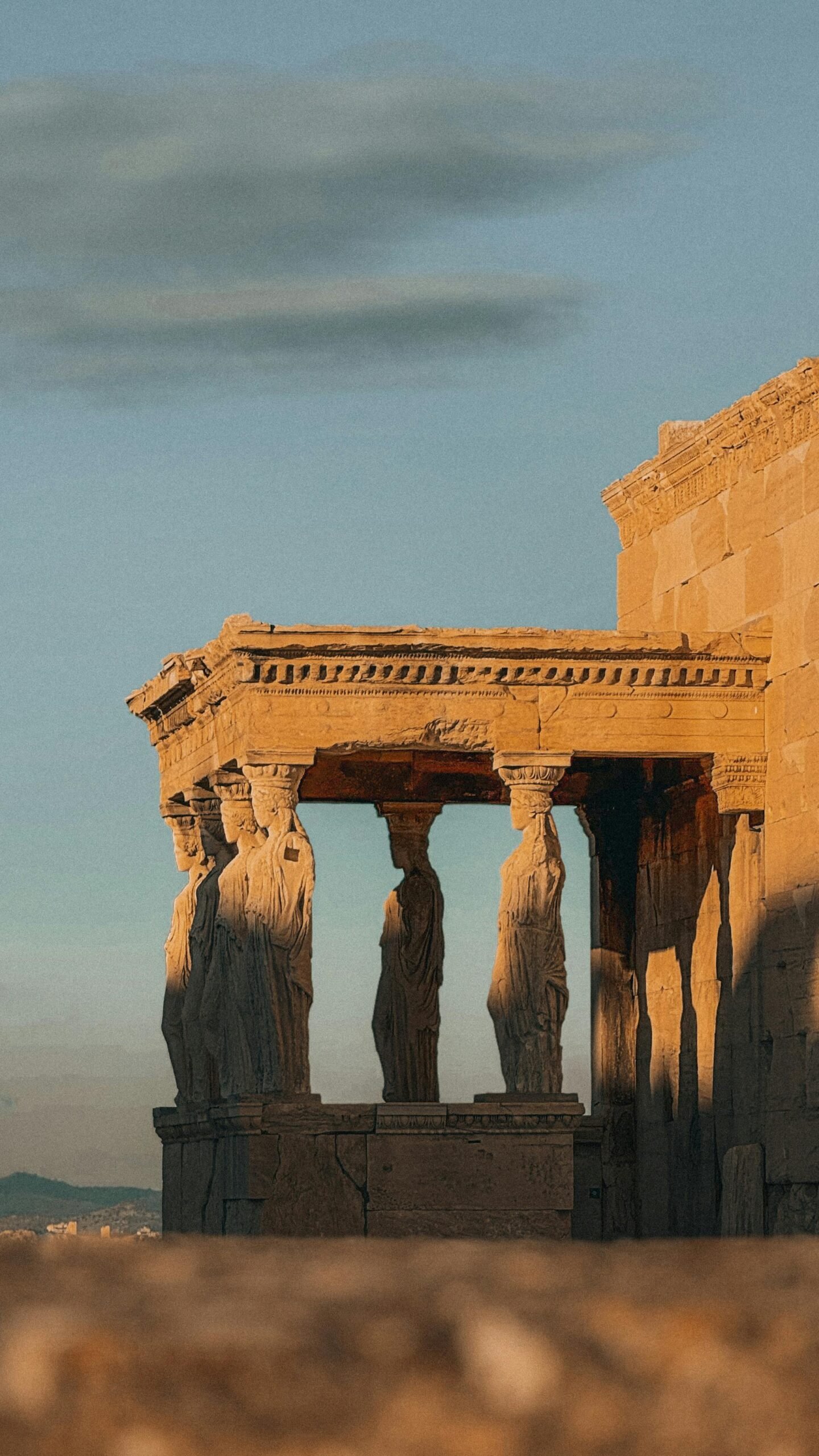
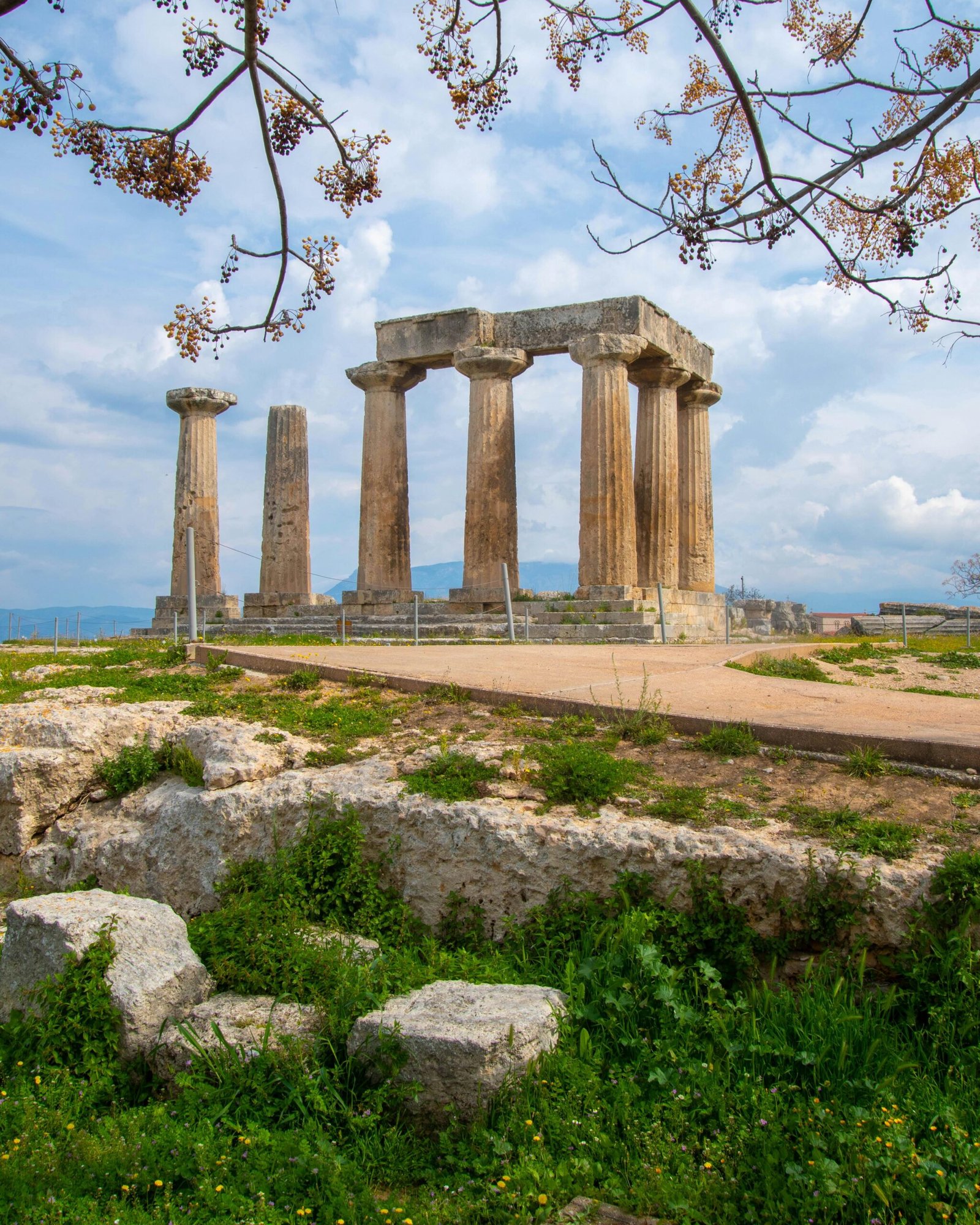
Why the Peloponnese Is the Smartest Greece Trip Most People Skip
This is the part of Greece I recommend to travelers who want substance, not a checklist of famous names. Why the Peloponnese Is the Smartest Greece Trip Most People Skip is not a marketing line; it is the practical truth that this region gives you depth, variety, and fewer crowd-control problems than the better-known island circuits. The trade-off is simple: you need to plan around geography, not fantasy.
Why the Peloponnese Is the Smartest Greece Trip Most People Skip for serious travelers
The Peloponnese works because it is not trying to be one thing. Nafplio gives you a polished base with real atmosphere, Monemvasia gives you a concentrated historic setting, Messinia gives you better food and quieter coastlines, and the Mani gives you a harder-edged, more local feel. That range is exactly why the region suits travelers who get bored fast.
It also suits people who care about what Greece actually feels like outside the headline islands. You will see more working towns, more local routines, and fewer places designed entirely around short-stay visitors. For many travelers, that is the whole point.
The two mistakes that ruin Peloponnese trips
The first mistake is overpacking the region as if it were compact. It is not. Travelers often choose too many overnight bases, then spend their trip in transit fatigue instead of enjoying the places they picked.
The second mistake is choosing a base for the wrong reason. People book a pretty old town or a famous name, then discover it is poorly placed for the rest of their priorities. In the Peloponnese, a good-looking base can still be the wrong base.
This is where Why the Peloponnese Is the Smartest Greece Trip Most People Skip becomes a planning problem, not just a destination choice. If you ignore geography, you end up with a trip that feels fragmented and more tiring than it should.
Places worth understanding before you book anything
Nafplio is the easiest sell, and for good reason. It has enough dining, enough energy, and enough comfort for travelers who want a reliable base without the chaos of a major city. It is also one of the few places here where couples, first-timers, and older travelers all tend to feel comfortable.
Monemvasia is the place many people romanticize and then misunderstand. The old settlement is compact and atmospheric, but that same compactness can feel limiting if you want variety, nightlife, or easy access to a wider region. It is strong for one or two nights, not for travelers who need constant movement.
Messinia, especially around Pylos and the wider southwest, is where the Peloponnese starts making real sense for food-led and beach-led trips. This is a region that rewards travelers who care about quality more than name recognition. It also tends to suit people who dislike overdeveloped resort belts.
The Mani is not for everyone, and that is exactly why it matters. It is drier, more rugged, and less polished than many travelers expect, which makes it appealing to people who want authenticity without the usual soft-focus version of Greece. If you want easy prettiness, this is not your best match.
Olympia belongs on the list for cultural depth, not for atmosphere alone. It is a place that works best when travelers understand its historical value and are not expecting a lively town experience around it. The surrounding area is useful, but it is not the kind of base that carries a whole trip by itself.
For travelers who want a more serious cultural frame, the Peloponnese pairs well with broader national context from the Greek Ministry of Culture, especially if you care about how sites are managed and why some places feel better preserved than others.
A counterintuitive truth: the best Peloponnese trips are often less ambitious
Here is the part most travelers get wrong: the best Peloponnese trips are usually the ones that cover less ground. People assume the value comes from “seeing more,” but the region actually rewards slower use of time. One well-chosen base in the right part of the peninsula often produces a better trip than three rushed stops.
That is counterintuitive because the map makes everything look reachable. In practice, the real cost is not only distance; it is decision fatigue, mediocre base selection, and the tendency to squeeze in one more site at the expense of actual enjoyment. Why the Peloponnese Is the Smartest Greece Trip Most People Skip is also why fewer moving parts usually win here.
Who this suits — and who it does not
- Suits: travelers who like archaeology, coastal drives, regional food, and places with a lived-in feel.
- Suits: repeat visitors to Greece who are done with the standard island circuit.
- Suits: couples, independent travelers, and families who do not need constant nightlife.
- Does not suit: people who want one glamorous base with easy, walk-everywhere beach access and little planning.
- Does not suit: travelers who hate changing scenery or who get frustrated when destinations are spread out.
- Does not suit: anyone expecting a polished resort experience everywhere they go.
If you want a trip that is simple in the way a city break is simple, this region will annoy you. If you want a trip with more character and less noise, it fits very well. That distinction matters more here than almost anywhere else in mainland Greece.
What you gain, and what you give up
You gain range, better value than many island-heavy trips, and a stronger sense of place. You also gain access to destinations that still feel useful to locals, not just packaged for visitors. For travelers who are tired of Greece being flattened into the same few clichés, that is a real advantage.
You give up convenience, especially if you are the kind of traveler who wants everything close together and obvious. You also give up the easy social proof that comes with famous island names. That is the honest price of a smarter trip: a little more planning, and a lot less hand-holding.
For travelers who want a broader Greece framework, the official destination overview at
Visit Greece is useful as a starting point, but it will not tell you what fits your style. That is the gap expert planning fills.
Final take
Why the Peloponnese Is the Smartest Greece Trip Most People Skip is simple: it gives more substance than most travelers expect, but only if the trip is built around how the region actually works. The wrong base, the wrong season, or the wrong pace can make it feel scattered. The right plan makes it one of the best-value, most satisfying parts of Greece.
Greece rewards travelers who arrive with a plan built around how they actually travel — not a generic template. The difference between a frustrating trip and a remarkable one often comes down to sequence, timing, and knowing which trade-offs matter for your situation.
Frequently asked questions
Is the Peloponnese better for first-time visitors to Greece or repeat visitors?
It is stronger for repeat visitors, but first-timers who want history, food, and less crowd pressure can do very well here. The key is not treating it like a quick add-on.
What do travelers most often underestimate about the Peloponnese?
They underestimate scale and base selection. Places that look close on a map can still create a tiring trip if you keep moving too much.
Which parts of the Peloponnese are best for a balanced trip?
Nafplio, Messinia, and parts of the Mani are the most useful starting points for a balanced trip. They each serve a different traveler type, which is why a single “best” answer is usually wrong.
Is the Peloponnese good for beach-focused travelers?
Yes, but not in the same way as the islands. The beaches can be excellent, yet the region is better for travelers who want beaches plus culture, food, and a stronger sense of place.
What kind of traveler will be disappointed here?
Travelers who want a polished resort atmosphere, constant nightlife, or very easy logistics usually struggle here. The Peloponnese asks for more patience and planning.
Why does expert planning matter more in the Peloponnese than in some other parts of Greece?
Because the region is varied and spread out, and the wrong sequence can waste time fast. Good planning changes which areas feel rewarding and which feel like dead time.