

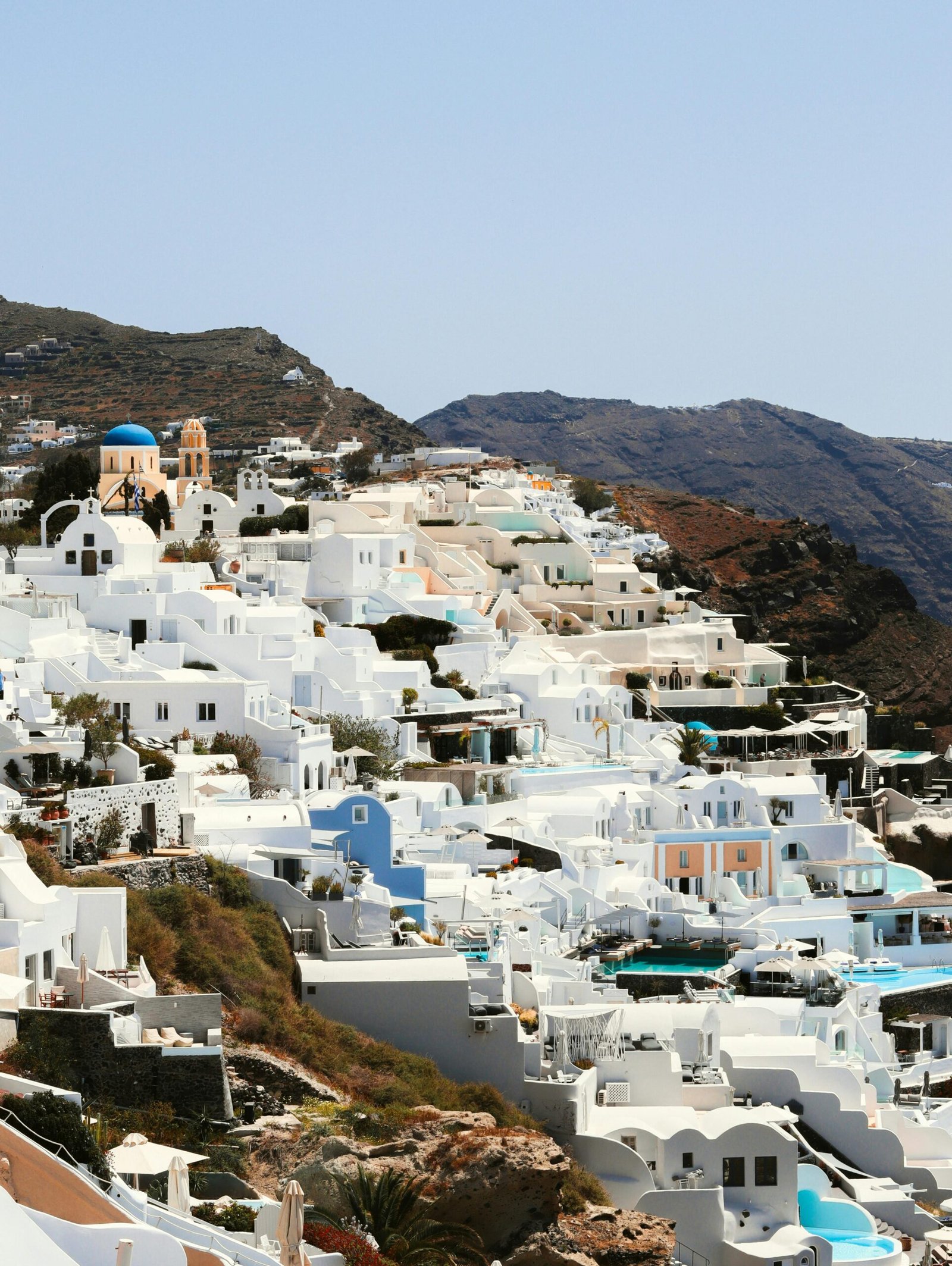
Why Most First-Timers to Santorini Leave Slightly Disappointed usually starts with one simple mistake: people arrive expecting the island to behave like its photos. They picture a clean, effortless version of Santorini and then meet crowds, heat, inflated prices, and a lot more friction than they planned for.
The disappointment is rarely about Santorini being “bad.” It is about the mismatch between the emotional promise people bought into and the actual conditions of visiting in peak season. That gap is where most first-time reactions go sideways.
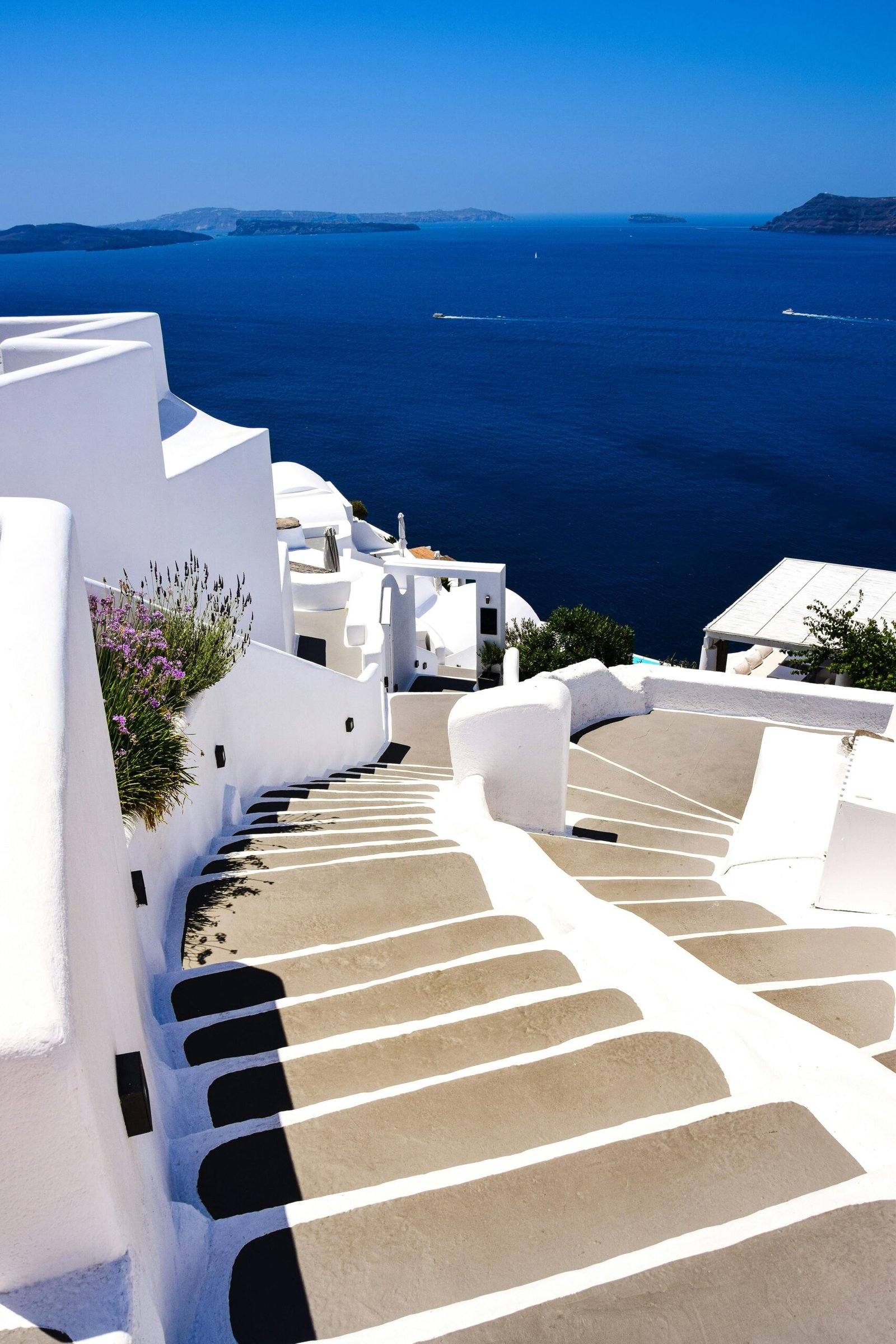
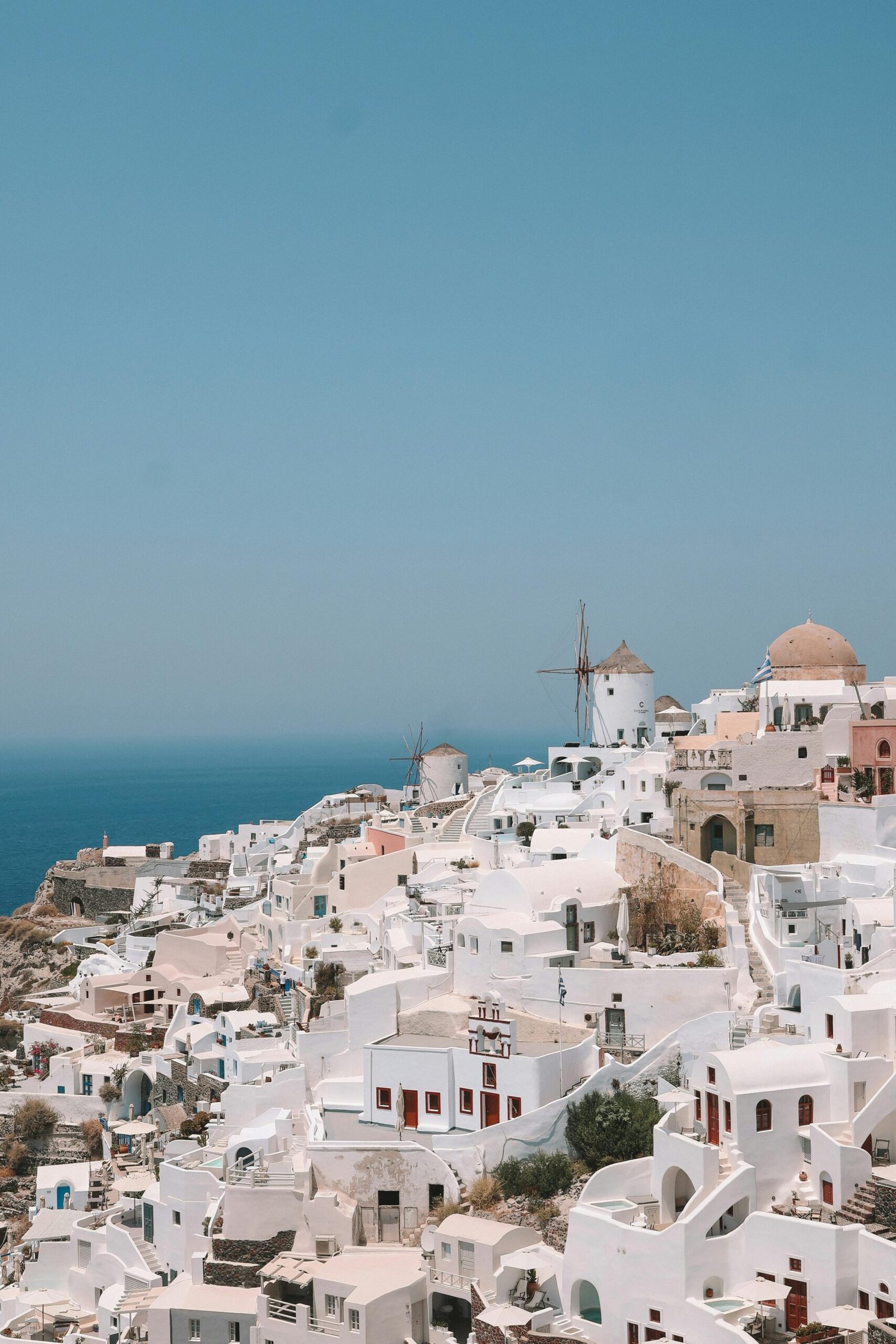
Why Most First-Timers to Santorini Leave Slightly Disappointed
Why Most First-Timers to Santorini Leave Slightly Disappointed is not a mystery to anyone who works with Greece travel every day. The pattern is predictable: travelers want a landmark experience, but they also want it to feel easy, intimate, and visually perfect at the same time. Santorini can give you some of that, but not all of it in peak season, and that is where the emotional letdown begins.
The expectation problem behind Why Most First-Timers to Santorini Leave Slightly Disappointed
Most first-timers are not choosing Santorini because they studied the island carefully. They are choosing it because they have already absorbed years of marketing, social media, and other people’s honeymoon photos. By the time they book, Santorini feels less like a destination and more like a proof point: the place they are supposed to see at least once.
That creates a dangerous assumption. Travelers think they are buying a calm, elevated experience, when what they are actually buying is access to a globally famous island at the exact moment everyone else wants the same thing. The result is not just crowds; it is the feeling that the island is performing for everyone at once.
Why people make this choice anyway
People choose Santorini because they want certainty. It is one of the few Greek islands that feels instantly recognizable, so there is less anxiety about “getting it wrong.” For many travelers, that matters more than variety, value, or even comfort.
There is also status in the choice, whether people admit it or not. Santorini signals that the trip is significant, maybe even overdue. That emotional charge makes it harder to evaluate the island as a place with trade-offs, not just as a dream they have been carrying for years.
This is why Why Most First-Timers to Santorini Leave Slightly Disappointed is such a useful phrase. It captures the gap between wanting a meaningful trip and expecting the island to deliver meaning automatically. It never works that way.
The moment the disappointment usually hits
The letdown usually does not arrive on day one. It shows up at the exact moment people realize they are sharing the same view, the same lane, and the same sunset with far more people than they expected. That is when the island stops feeling exclusive and starts feeling managed.
For some, it is when they notice how much time is spent waiting, adjusting, or navigating around other visitors. For others, it is the first dinner bill in peak season, when they understand that the premium is not only for quality but for location and demand. The emotional shift is sharp because the mental image was so polished.
The counterintuitive truth: Santorini is often better when you stop treating it like the main event
This is the part many travelers miss. Santorini is not at its best when you try to extract maximum value from every hour of the day. It is better when you accept that the island is a high-demand place with limited patience for your fantasy of quiet perfection.
That sounds harsh, but it is the truth. The travelers who enjoy Santorini most are usually the ones who do not need it to be effortless. They understand that the island’s appeal is real, yet narrow: dramatic setting, strong visual identity, and a certain intensity that can feel rewarding if you are not fighting it.
Greece rewards travelers who arrive with a plan, but Santorini especially rewards travelers who arrive with realistic emotional expectations. If you need spaciousness, spontaneity, and a sense of discovery, this is not the place to force that experience.
Who is most prone to this disappointment
First-time honeymooners are high on the list. They often want romance, privacy, and a feeling that the trip is uniquely theirs, which is a difficult combination in Santorini during peak season. The island can still work for them, but only if they are honest about the trade-off between fame and intimacy.
Social-media-led travelers are another common group. They tend to chase the visual outcome first and the lived experience second, which is exactly backward in Santorini. Once the real conditions interrupt the image, they feel misled rather than simply inconvenienced.
There is also a specific kind of luxury traveler who struggles here: the person who equates high prices with low friction. Santorini is expensive, yes, but expense does not remove crowd pressure or seasonal strain. If anything, it can make the disappointment sharper because the expectation was that money would solve the problem.
What travelers consistently underestimate
They underestimate how much peak season changes the island’s emotional texture. Santorini in a quieter period and Santorini at the height of demand are not the same experience, even if the photos look identical. The island’s scale, access patterns, and popularity all become more noticeable when the volume rises.
They also underestimate how much energy is spent simply managing the visit. Once you are dealing with heat, crowds, price inflation, and a constant sense of being in shared space, the trip can feel more performative than restorative. That is the part people do not put in the brochure version of the story.
If you want a broader sense of how Greece presents itself versus how it actually works on the ground,
Visit Greece is useful as a starting point, but it will not tell you where travelers usually misread the experience. That gap is exactly where disappointment grows.
How to approach Santorini differently
The right reframe is simple: stop asking Santorini to be a private fantasy and start asking whether it suits the kind of trip you actually enjoy. If you want a famous island with a strong visual identity and you can tolerate crowds, it can still be worth it. If you want softness, space, and a low-friction pace, you are setting yourself up for irritation.
This is where honesty matters more than aspiration. Santorini should be chosen because you understand what it is, not because you hope it will become something else once you get there. That is the difference between a trip that feels intentional and one that feels like a correction.
For travelers who want to understand the cultural context behind Greece’s most visited places, not just the surface-level image, Hellenic Ministry of Culture offers a more grounded entry point into how the country frames and preserves its heritage. It is a better lens than fantasy, and Santorini is a place that benefits from that kind of realism.
Conclusion
Why Most First-Timers to Santorini Leave Slightly Disappointed is really about a psychological mismatch: the island is famous for a reason, but fame changes the experience. Once you see that clearly, the trip becomes easier to judge on its real terms instead of the version you were sold.
Recognizing the pattern is the first step. The second is building a trip around how you actually travel — not the traveler you imagine yourself to be. Most great Greece experiences start with that honesty.
Frequently asked questions
Why do first-time visitors often feel underwhelmed by Santorini?
Because they arrive expecting a polished, effortless version of the island and meet peak-season crowds, higher prices, and more friction than they planned for. The island is real, but the fantasy is usually cleaner than the reality.
Is Santorini still worth visiting for a first trip to Greece?
Yes, for the right traveler. If you want a famous, visually distinctive island and you understand the trade-offs, Santorini can still be a strong choice. If you want space, calm, and a sense of discovery, it is usually not the best first impression of Greece.
What is the biggest mistake people make when planning Santorini?
They treat the island like a guaranteed emotional experience instead of a high-demand destination with limits. That leads to disappointment when crowds, prices, and pace interrupt the image they had in mind.
Who is most likely to be disappointed in Santorini?
Honeymooners chasing privacy, social-media-driven travelers, and luxury travelers who expect expensive to mean easy. Those groups are most vulnerable to the gap between expectation and reality.
Does peak season make Santorini worse?
It makes the island more intense and less forgiving. The same places, views, and restaurants can feel very different when demand is at its highest.
What kind of traveler enjoys Santorini most?
Someone who accepts the island as a famous, high-pressure destination and does not need it to feel secluded or spontaneous. They are usually less bothered by crowds because they know what they came for.