


Why Most First-Timers to Santorini Leave Slightly Disappointed usually starts with one assumption: that the island will match the image they have already built in their head. People are not just booking a place; they are trying to buy a feeling they have seen repeated online, in magazines, and in other people’s highlight reels.
The problem is that Santorini is one of the few Greek destinations where the expectation is often more specific than the experience can be. In peak season, that gap becomes obvious fast, and once it does, the mood changes from anticipation to quiet frustration.
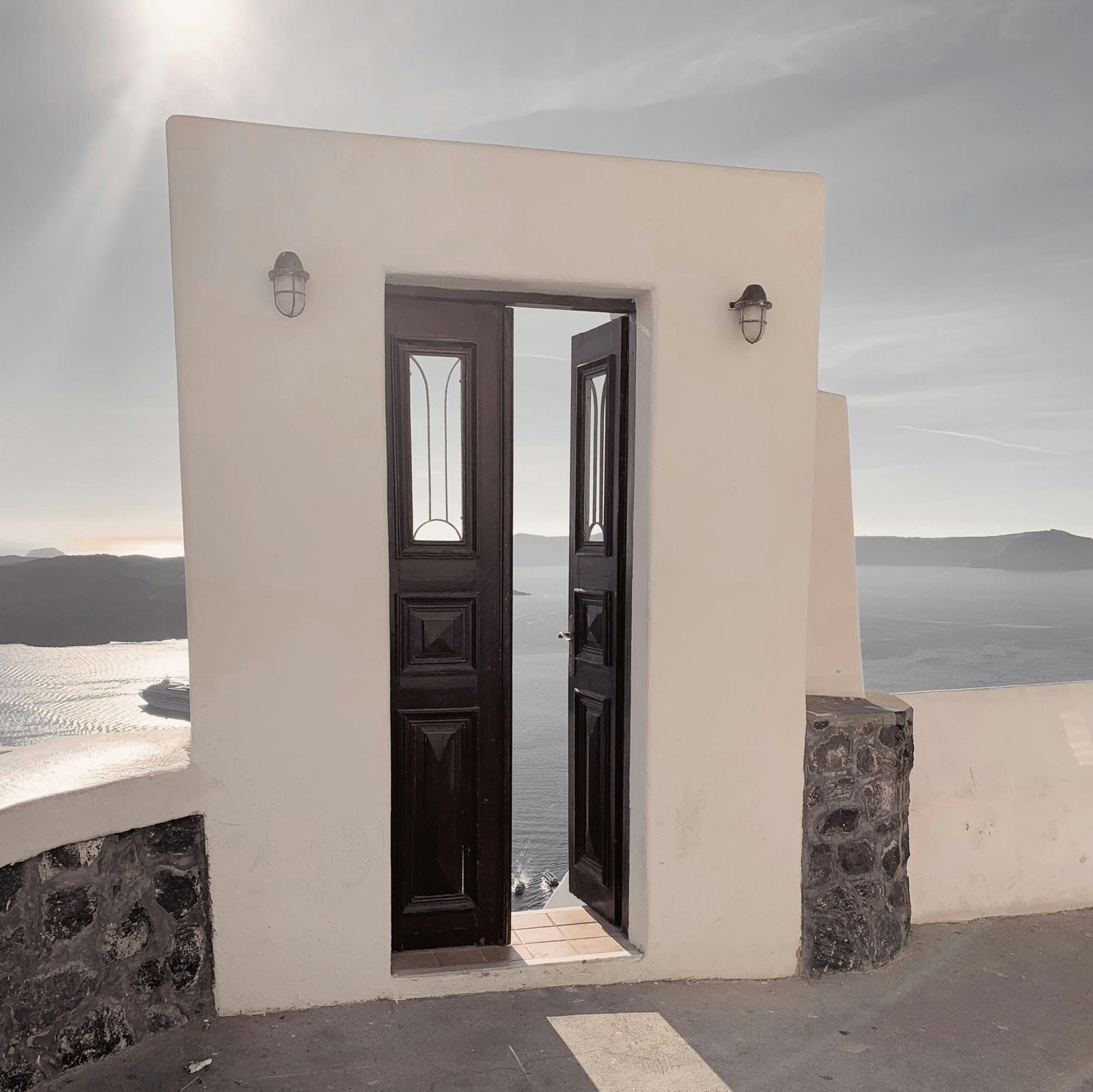

Why Most First-Timers to Santorini Leave Slightly Disappointed
The core psychological pattern is simple: travelers confuse a highly edited image with a livable place. Santorini is often chosen as a symbol of a “dream Greece trip,” not as a destination with real limits, crowds, and trade-offs. That is why Why Most First-Timers to Santorini Leave Slightly Disappointed is not a mystery to operators; it is a predictable outcome of expectation management gone wrong.
People also arrive wanting the island to deliver a sense of ease. They want everything to feel special without requiring much effort, which is a very common first-time luxury-travel mindset. Santorini rarely cooperates with that fantasy in high season, because the island is small, heavily visited, and structurally strained by the volume of people trying to experience the same view at the same time.
The image you buy is not the island you visit
What most travelers picture is a clean, quiet version of Santorini: empty terraces, private-feeling views, and a sense that the island exists mainly to host their arrival. What they actually meet is a destination under pressure, where popularity changes the atmosphere. The view is still there, but the emotional experience around it is different.
This is where Why Most First-Timers to Santorini Leave Slightly Disappointed becomes obvious. The island is not “less beautiful” than expected; it is less private, less relaxed, and less seamless than the image suggests. That distinction matters because disappointment is usually not about the scenery. It is about the loss of control over the experience.
Why travelers make this choice in the first place
Santorini is often the first Greek island people choose because it feels legible. They do not need to know the country well to understand the brand: whitewashed buildings, caldera views, sunset photos, and a clear visual identity. That makes the decision feel safe, especially for a first trip when travelers are nervous about “getting Greece right.”
There is also social pressure. Many visitors are not just planning a holiday; they are trying to avoid regret. They want the destination that will look obviously correct to friends, family, and social media, which is a weak reason to choose any place, especially one as seasonally overloaded as Santorini. For broader trip planning context, many travelers start with official destination overviews from
Visit Greece, but the real issue is not information. It is the emotional need to choose what feels safest and most recognizable.
The emotional gap: what people expect versus what they feel
Before arrival, people expect awe, romance, and a kind of effortless satisfaction. They imagine that Santorini will justify the cost, the anticipation, and the decision to make it the centerpiece of the trip. They expect to feel lucky to be there.
In reality, many first-timers feel managed, crowded, and slightly rushed. Even when the island delivers the view, the surrounding experience can feel transactional: queues, noise, pressure to secure the “right” table or angle, and a constant sense that many other people had the same idea. That is the emotional gap behind Why Most First-Timers to Santorini Leave Slightly Disappointed. The island does not fail to be impressive; it fails to feel as personal as people hoped.
The moment the disappointment usually hits
The disappointment usually lands when travelers realize the sunset is not a private event. That is the moment when the fantasy collapses for many first-timers: they are standing in a place they have pictured for months, and still they are surrounded by crowds, noise, and people doing the exact same thing. The scene becomes less about wonder and more about performance.
That is also when the island’s scale becomes emotionally obvious. Santorini is compact, and in peak season that compactness turns into congestion. The wrong assumption is that a famous place will still feel intimate if you pay enough for it. It will not. This is where Why Most First-Timers to Santorini Leave Slightly Disappointed turns from a theory into a real, lived reaction.
The traveler types most prone to this pattern
Some travelers are far more vulnerable to Santorini disappointment than others. The most at-risk are people who want their trip to feel effortless, couples expecting a cinematic romance, and first-time Greece visitors who have not yet learned that the country’s best experiences are often less polished than the marketing suggests. These travelers are not wrong to want beauty; they are wrong to expect beauty to arrive without friction.
- Couples chasing a “once-in-a-lifetime” mood
- First-time Greece visitors with limited destination context
- Travelers who book around photos instead of pacing
- People who dislike crowds but still choose peak season
There is also a particular type of traveler who struggles here: the person who wants every part of the trip to feel elevated. Santorini can satisfy that urge in fragments, not continuously. If your baseline expectation is calm, privacy, and easy movement, the island can feel like work in the very places you hoped would feel effortless.
Peak season changes the meaning of the island
In peak season, Santorini becomes more symbolic than experiential. Visitors spend a lot of energy trying to access the version of the island they saw online, but the sheer volume of other travelers changes the tone. The result is not just busyness; it is a shift in emotional texture. The island feels less like a place to settle into and more like a place to manage.
That is a hard thing for first-timers to accept because they often assume peak season only affects prices and availability. It affects mood, patience, and memory. A place can still be beautiful and still leave you drained. That is the part most people underestimate, and it is central to Why Most First-Timers to Santorini Leave Slightly Disappointed.
What a better approach looks like
The better approach is not to lower your standards; it is to stop asking Santorini to do a job it was never designed to do in high season. Use it for what it is good at: dramatic views, a strong sense of place, and a short, concentrated stay if that is what fits your style. Do not make it carry the emotional weight of your entire Greece trip unless you are comfortable with crowds and spectacle.
Greece rewards travelers who arrive with a plan, but the plan should be based on how you actually travel. If you need calm, space, and less performance pressure, build your trip around that truth instead of around the image of Santorini. If you want the island for the view and the energy, fine — just name that honestly and do not expect it to feel private in peak season.
For context on Greek cultural and destination planning beyond the island itself, the Hellenic Ministry of Culture is a useful reference point. But the real reframe is simpler: Santorini should be one part of a Greece trip, not the measure of whether the whole trip is working.
Conclusion
Why Most First-Timers to Santorini Leave Slightly Disappointed is not about the island failing to meet a standard. It is about travelers bringing an emotional script that Santorini, especially in peak season, cannot reliably perform. Once you see that pattern, the disappointment becomes easier to avoid.
Recognizing the pattern is the first step. The second is building a trip around how you actually travel — not the traveler you imagine yourself to be. Most great Greece experiences start with that honesty.
Frequently asked questions
Why do first-time visitors expect so much from Santorini?
Because Santorini is marketed as a visual symbol of Greece, not just a destination. First-timers often arrive with a very specific image already formed, which makes the real experience harder to match.
What is the biggest reason people feel disappointed in Santorini?
The biggest reason is the gap between the private, effortless experience they expect and the crowded, managed reality of peak season. The island is still impressive, but it rarely feels as personal as people imagine.
Is Santorini a bad choice for a first trip to Greece?
No, but it is a risky centerpiece if you want calm, variety, or a more grounded sense of Greece. It works better when chosen with clear eyes, not as the default answer to a dream trip.
When does disappointment usually set in?
For many travelers, it happens at sunset or during the busiest parts of the day, when the crowd size makes the experience feel less intimate than expected. That is when the image and the reality collide.
Who is most likely to leave Santorini underwhelmed?
Travelers chasing a cinematic mood, people who dislike crowds, and first-time visitors who have not yet learned how seasonal pressure changes Greek destinations. They are usually expecting more ease than the island can provide in peak months.
How can I avoid feeling let down by Santorini?
Choose it for the reasons it genuinely serves well: strong views, a concentrated stay, and a high-energy atmosphere. Do not build your whole Greece trip around it unless you are comfortable with crowds and a less relaxed pace.