


Why Most First-Timers to Santorini Leave Slightly Disappointed usually starts with one assumption: that the island will feel as exclusive and effortless as it looks online. It does not, especially in peak season, when the same views that sell the island also attract the crowds that change the experience.
The disappointment is rarely about Santorini being bad. It is about travelers arriving with a fantasy of privacy, ease, and constant beauty, then meeting a place that is busy, expensive, and heavily managed around demand. That gap is where the letdown begins.
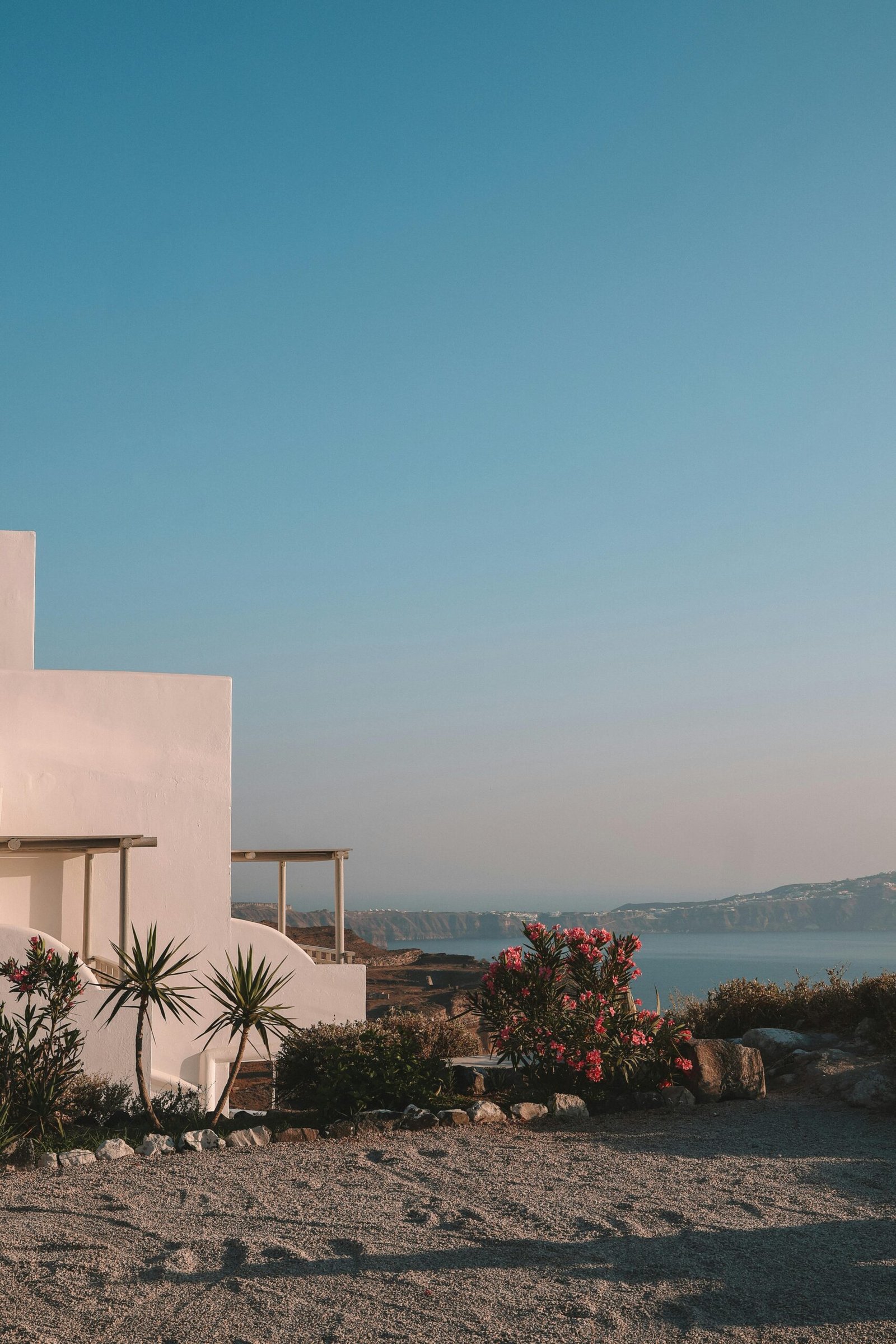
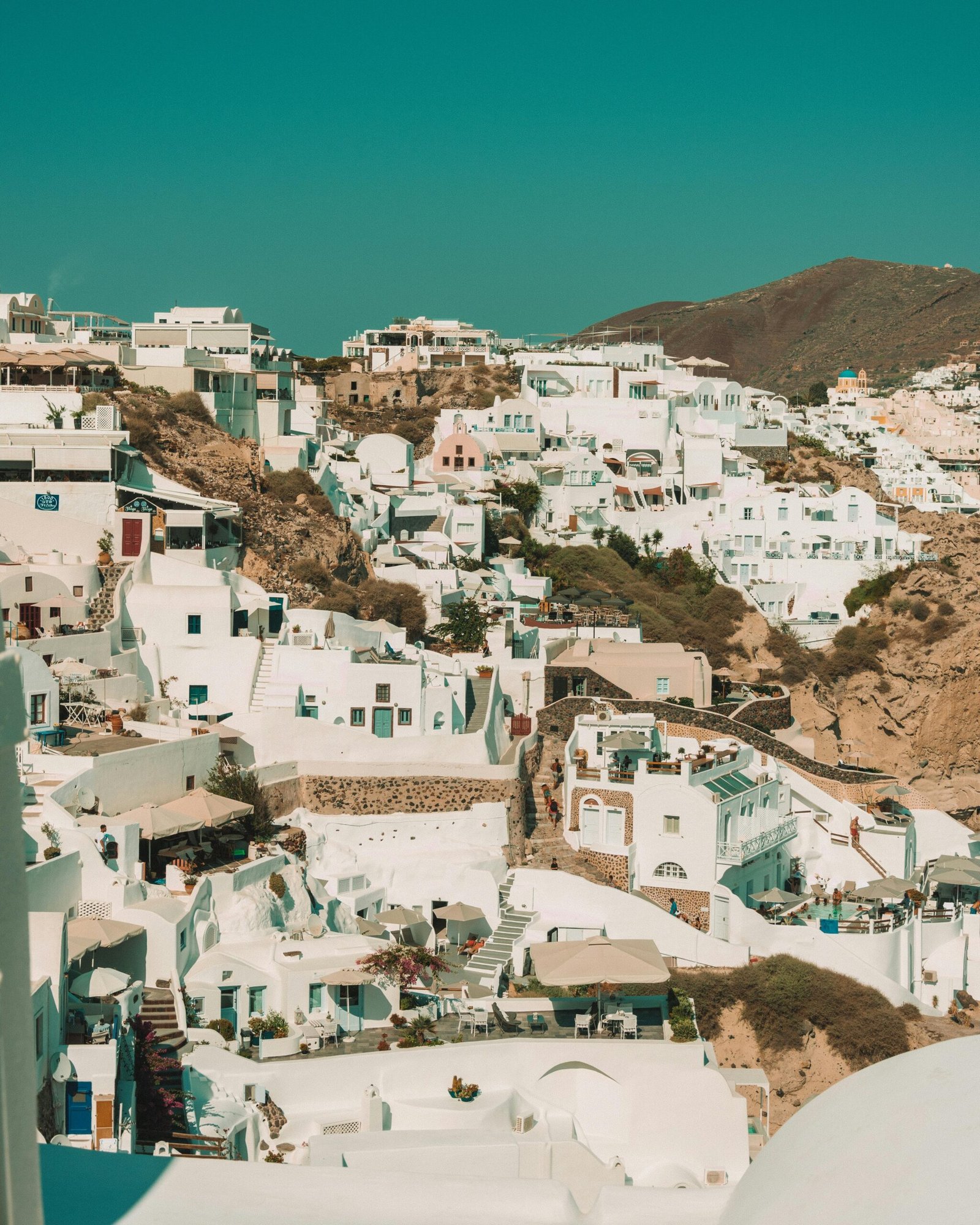
Why Most First-Timers to Santorini Leave Slightly Disappointed
The core mistake is not choosing Santorini. The mistake is treating it like a private reward for good taste, when in reality it is one of the most heavily visited islands in Greece. Why Most First-Timers to Santorini Leave Slightly Disappointed is usually a story about projection: people arrive expecting a personal, cinematic experience and instead find a destination built to handle volume.
That is not a small difference. It changes how the island feels, how long simple things take, and how much of your day is spent navigating other people’s expectations. If you are sensitive to crowds, queues, and visible tourism pressure, Santorini can feel less like a dream and more like a performance you were not invited to direct.
The image problem behind Why Most First-Timers to Santorini Leave Slightly Disappointed
Santorini is sold as a place of clean lines, quiet luxury, and uninterrupted views. First-timers absorb that image so completely that they stop noticing the practical reality: this is a small island with intense demand, limited space, and a short season that concentrates everyone into the same narrow windows. The result is not disappointment with the island itself, but disappointment with the mismatch between image and conditions.
People also confuse visual familiarity with emotional familiarity. They have seen the caldera, the blue domes, the cliffside pools, and the sunset shots so many times that they think they already know the place. Then they arrive and realize the island is not a backdrop; it is a working tourism machine, and the mood is shaped by logistics, crowds, and spending pressure.
Why travelers make this choice in the first place
Most first-timers choose Santorini because they want certainty. They want the Greece trip that feels recognizable, easy to explain, and socially validated. Santorini is the island people name when they want to feel they made the “right” choice, which is exactly why so many people choose it without asking whether it fits how they actually like to travel.
There is also a status element that people rarely admit out loud. Santorini signals that you have done Greece properly, even when the trip itself is rushed, expensive, and emotionally thin. That is why Why Most First-Timers to Santorini Leave Slightly Disappointed is not just about tourism volume; it is about the pressure to have chosen the iconic place, even if the iconic place is not the best match.
The emotional gap: what people expect versus what they actually feel
Expectations are usually built around ease. Travelers imagine slow mornings, uncrowded viewpoints, elegant dinners, and a sense of being removed from ordinary life. What they often feel instead is friction: crowded lanes, premium pricing for average experiences, and a constant awareness that many other people are trying to capture the same moment.
The emotional shift is subtle but real. At first, people are excited by the view; then they become aware of the crowd; then they start calculating whether the experience is worth the cost. That is the moment the trip changes from indulgent to transactional, and once that happens, it is hard to recover the original mood.
Here is the counterintuitive part: the more someone has built Santorini up in their head, the more likely they are to feel underwhelmed by it. The island does not fail because it lacks beauty. It fails because beauty alone cannot carry the weight of inflated expectation, especially when the practical experience is busy and expensive.
The moment disappointment usually hits
For many first-timers, the disappointment arrives when they realize the island is not giving them solitude. It may happen at a viewpoint packed shoulder to shoulder, at a restaurant where the bill feels out of proportion to the meal, or during a sunset that feels more like a public event than a personal experience. That is the point where the fantasy of exclusivity breaks.
Another common trigger is the first real comparison. Travelers start comparing Santorini to the image they carried in, or to another Greek island they visited later, and the gap becomes obvious. Once that comparison starts, the trip is no longer about what Santorini is; it is about what it is not.
If you want a broader sense of how Greece presents itself versus how it actually works on the ground, the official tourism material at
Visit Greece is useful precisely because it shows how destinations are framed for mass appeal. That framing matters, because it shapes what first-timers think they are buying before they ever arrive.
Who is most prone to this pattern
Couples are especially vulnerable because Santorini is marketed so aggressively as a romantic destination. They arrive expecting intimacy, but peak season often delivers congestion, noise, and a lot of other couples trying to have the same moment. The island can still work for romance, but only if you accept that romance here is curated, not spontaneous.
First-time Greece visitors are another high-risk group because they have no reference point. Without a prior island experience to calibrate against, they are more likely to believe Santorini represents the standard Greek island experience. It does not. It is a very specific, highly commercialized version of it.
Luxury travelers can also be disappointed, and this surprises people. They assume higher spend will buy calm, but in Santorini it often buys better positioning inside the same crowded system. That is a hard truth: money improves comfort, not the basic reality of peak-season pressure.
- Couples chasing a “once-in-a-lifetime” romantic trip
- First-time visitors to Greece with no island reference point
- Travelers who equate high price with exclusivity
- People who dislike crowds but still want the famous view
What first-timers consistently underestimate
They underestimate how much the island’s popularity shapes the mood. Santorini is not just busy in the abstract; its most famous areas are built around constant movement, constant photography, and constant demand. That means the emotional tone is often less relaxed than people expect, even when the setting looks polished.
They also underestimate how quickly novelty wears off when every experience is being shared with a crowd. A view that looks extraordinary online can feel ordinary once you are standing in a line of people all trying to get the same angle. For travelers who value atmosphere over spectacle, that is where the trip starts to feel thin.
For context on the cultural side of Greece, not just the postcard version, the Ministry of Culture’s site at culture.gov.gr is a useful reminder that the country is far more than its most photographed island. That matters because many first-timers mistake one famous place for the whole Greek experience.
What a better approach looks like
The better approach is not to lower your standards. It is to stop asking Santorini to be something it is not. If you want the island to work for you, you need to approach it as a high-demand destination with a strong visual identity, not as a quiet escape that happens to be famous.
That means being honest about what you actually want from the trip. If you want privacy, ease, and a slower emotional pace, Santorini may not be the best first choice. If you want the iconic landscape and can accept the trade-offs, then you are far less likely to feel let down. Greece rewards travelers who arrive with a plan, but more than that, it rewards travelers who understand the emotional cost of the choices they make.
Why Most First-Timers to Santorini Leave Slightly Disappointed is ultimately a lesson in self-knowledge. The island exposes whether you wanted a real place or a perfect image. Once you know the difference, you can choose more intelligently.
Recognizing the pattern is the first step. The second is building a trip around how you actually travel — not the traveler you imagine yourself to be. Most great Greece experiences start with that honesty.
Frequently asked questions
Why do so many first-time visitors feel underwhelmed by Santorini?
Because they arrive expecting privacy, ease, and a cinematic atmosphere, then meet a crowded, expensive, highly managed destination. The island is beautiful, but the experience is shaped by peak-season pressure.
Is Santorini overrated for first-time travelers?
For some travelers, yes. If you want quiet, space, and a slower pace, Santorini can feel overhyped. If you want the famous caldera views and accept the trade-offs, it can still be worth visiting.
What is the biggest mistake people make when planning Santorini?
They confuse the island’s image with the actual experience. The mistake is assuming the famous view automatically delivers a relaxed trip, when crowds and pricing often define the reality.
Who is most likely to be disappointed in Santorini?
Couples expecting private romance, first-time Greece visitors with no comparison point, and travelers who dislike crowds but still want the iconic setting are the most vulnerable to disappointment.
Does Santorini only disappoint in peak season?
Peak season makes the gap much worse, because the island’s most famous areas are under the most pressure. Outside peak season, the experience is usually calmer, though still shaped by its popularity.
How should I think about Santorini differently?
Treat it as a high-demand destination with a strong visual identity, not as a quiet retreat. Once you accept that trade-off, you can decide whether it fits your travel style instead of forcing it to.