


Athens Is Not a Stopover: It’s the Trip That Needs the Most Strategy, because this is a real city with real pressure points, not a convenient warm-up before the islands. Travelers who treat it casually usually waste their best energy on the wrong neighborhoods, the wrong season, or the wrong expectations. Athens rewards people who understand what kind of city it is.
The city can be one of the most satisfying parts of a Greece trip, but only if you stop trying to make it behave like a beach base or a quick museum add-on. Athens is dense, uneven, and more dependent on sequencing and location than most first-timers realize. Athens Is Not a Stopover: It’s the Trip That Needs the Most Strategy is not a slogan here; it’s the difference between a trip that works and one that feels noisy and inefficient.

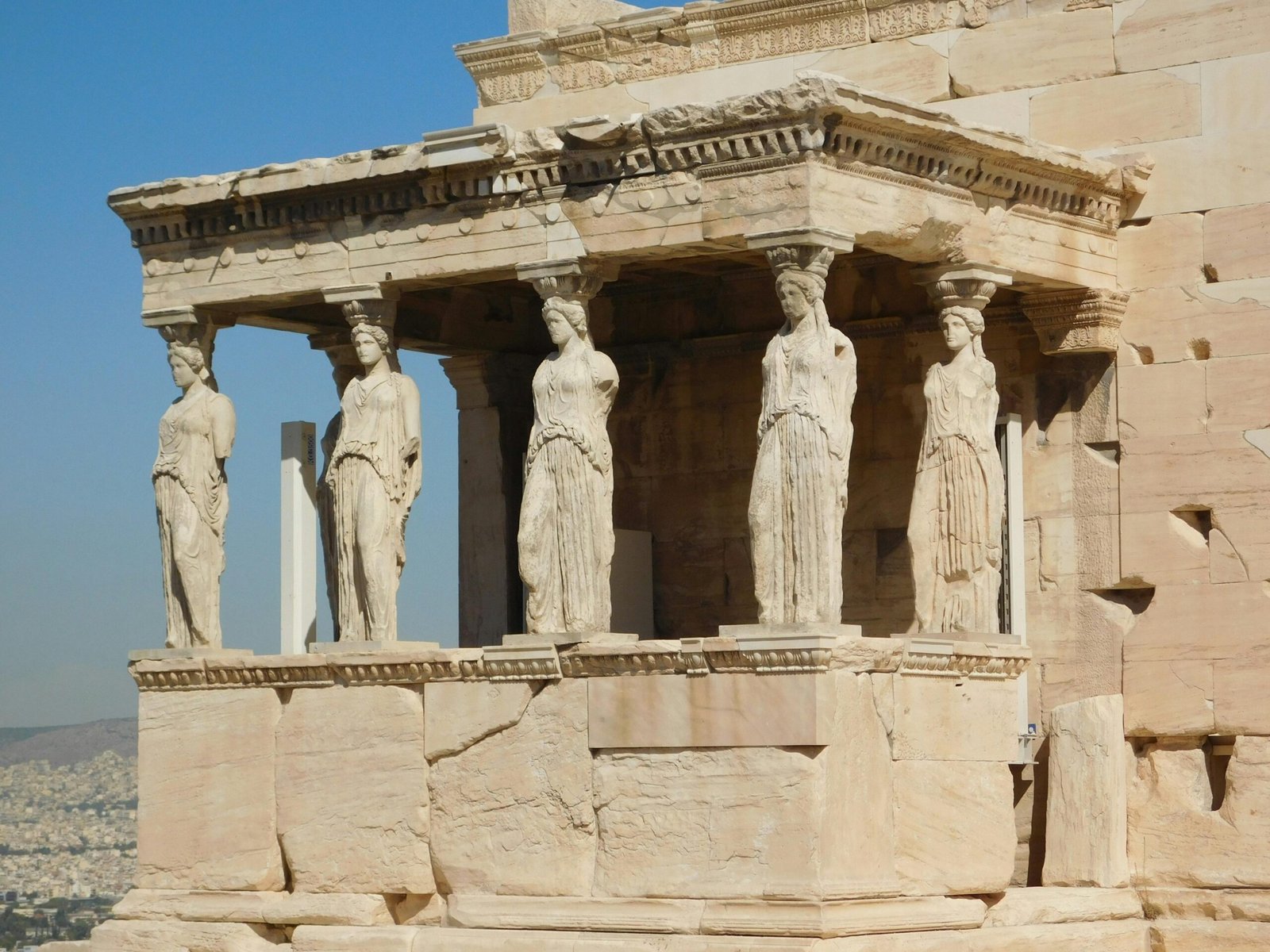
Athens Is Not a Stopover: It’s the Trip That Needs the Most Strategy
My position is simple: if Athens is treated as a throwaway night between island hops, it usually disappoints. If it is treated as a proper city break, it can be one of the strongest parts of a Greece itinerary. That is not a marketing line; it is a planning reality I have watched play out for years.
The biggest mistake is assuming the city is “small enough” to improvise. It is not small in the way travelers mean when they say that. Athens has pockets that work beautifully for one kind of traveler and badly for another, and those differences matter more here than in most European capitals.
Athens Is Not a Stopover: It’s the Trip That Needs the Most Strategy if you want the city to work
What most travelers miss is that Athens is not one experience. Plaka, Monastiraki, Koukaki, Kolonaki, Syntagma, and Psyrri each deliver a different version of the city, and not all of them are equally useful for a short stay. Plaka is convenient but often too polished and too busy for people who want a proper urban feel. Koukaki is steadier and more livable, while Kolonaki suits travelers who care more about dining, design, and a calmer pace than about being in the thick of the old center.
The second mistake is thinking central means easy. In Athens, “central” can mean noisy, overrun, or simply inefficient for the way you want to spend your time. I see travelers book the most famous area, then complain that they slept badly, walked too much, and still did not feel they understood the city.
That is why Athens Is Not a Stopover: It’s the Trip That Needs the Most Strategy is such a useful lens. You need to choose the part of the city that matches your temperament, not just your map.
What travelers consistently get wrong
The first recurring error is underestimating how much the city changes by season. Summer Athens can feel punishing if you are trying to do too much on foot in the middle of the day, especially for travelers who are already tired from the islands. Spring and autumn are far more forgiving, and winter is often better than people expect for serious museum-goers and food-focused travelers.
The second error is assuming every short stay should be centered on the Acropolis area. That area matters, of course, and the Acropolis Museum is still one of the few places that consistently justifies the hype. But if that is the only zone you plan around, you miss the city’s actual rhythm, which lives in its residential neighborhoods, its late dinners, and its less obvious public spaces.
Athens Is Not a Stopover: It’s the Trip That Needs the Most Strategy because the city punishes shallow planning. If you ignore that, the consequence is usually simple: you spend money on a good hotel and still feel like you stayed in the wrong part of town.
Neighborhoods that change the trip
Plaka is the obvious choice, and for some travelers it is the right one. It works best for first-timers who want easy access to major sites and are willing to accept that the area can feel over-managed and tourist-heavy. I would not choose it for travelers who want a strong local atmosphere or who are sensitive to crowds.
Koukaki is often the smartest compromise for a short city break. It gives you a more grounded base, better everyday dining, and less of the performative tourism that dominates the most famous streets. Psyrri is better for travelers who want nightlife and energy, but it can feel chaotic and a little blunt for people who value quiet evenings.
Kolonaki is a different proposition altogether. It suits travelers who prefer polished cafes, shopping, and a calmer pace, but it is not the best fit for anyone who wants to feel immersed in the historical core. Syntagma is practical but rarely memorable, while Monastiraki is useful in small doses and can become exhausting if you expect it to carry your whole stay.
Who this suits
Athens suits travelers who like cities, not just famous sights. It works well for first-time Greece visitors who want context before the islands, repeat visitors who are finally ready to understand the capital, and couples who enjoy museums, food, and neighborhood wandering without needing every moment to feel curated. It also suits travelers who can handle some edge and don’t need a place to feel uniformly polished.
It does not suit people who want a soft landing, a resort feel, or a place where everything is intuitively relaxed. It also frustrates travelers who are only interested in ticking off one monument and moving on. If your idea of a good trip is minimal decision-making, Athens will ask more of you than you want to give.
That is exactly why Athens Is Not a Stopover: It’s the Trip That Needs the Most Strategy matters for planning. The city is not difficult because it is impossible; it is difficult because casual choices have consequences.
The counterintuitive part most people miss
Here is the surprising truth: Athens often works better for travelers who stay a little longer than they think they need to. The city is not at its best when you try to compress it into a rushed add-on. It settles in only after you stop treating every hour like a transfer window and start letting the neighborhoods do their job.
That means the city can actually be easier to enjoy than many travelers expect, but only after the first layer of friction is removed. Once you are not constantly rushing between landmarks, Athens becomes much more legible. People are often shocked by how much better the city feels on day two than on the first evening.
The trade-off is clear. You gain depth, better food decisions, and a real sense of place, but you give up the illusion that Athens is a quick, low-effort add-on. That illusion is the problem, not the city.
Where expert help actually matters
This is the kind of destination where generic advice fails fast. A good plan for Athens is not about cramming in more names; it is about avoiding bad combinations. The wrong hotel area, the wrong season, or the wrong expectation about how much ground you can cover will make the trip feel harder than it needs to be.
Serious planning also matters because Athens is often the first or last impression of Greece. If that impression is rushed, noisy, and badly located, it colors the whole trip. If it is handled properly, the city gives you context that makes the islands make more sense.
For official context and cultural planning, start with the Ministry of Culture rather than relying only on generic roundups. Athens Is Not a Stopover: It’s the Trip That Needs the Most Strategy is the kind of truth that saves travelers from making expensive, preventable mistakes.
Conclusion
Athens is not a city to squeeze in. It is a city to place correctly inside the trip, with the right neighborhood, the right season, and the right expectations. Get that wrong and the city feels harsh; get it right and it becomes one of the most useful parts of a Greece itinerary.
Most Greece trips follow the same tired script. The ones that don’t — the ones travelers still talk about years later — were built around a real understanding of how this country works. That kind of understanding takes time, or it takes someone who already has it.
Recommended experiences
Some experiences mentioned here are curated and managed by Elite Greece Travels.
- Athens Milos Itinerary — Itinerary (managed by Elite Greece Travels).
- Athens Milos Santorini Itinerary 9 Days — Itinerary (managed by Elite Greece Travels).
- Greece 7 Day Itinerary Athens Delphi Meteora Santorini — Itinerary (managed by Elite Greece Travels).
Frequently asked questions
Is Athens worth more than one night?
For most travelers, yes. One night turns Athens into a transit problem. Two to three nights gives the city enough room to justify the effort and reduces the feeling that you only saw the busiest parts.
Which Athens neighborhood is best for a first-time visitor?
Koukaki is often the most balanced choice for first-timers who want access without being trapped in the most tourist-heavy streets. Plaka is convenient, but it is not the best fit for everyone.
What is the biggest mistake people make with Athens?
They treat it like a quick add-on and choose accommodation based on price or name recognition instead of location logic. In Athens, that mistake usually turns into noise, fatigue, and wasted time.
Is Athens good in summer?
Yes, but only for travelers who understand heat and pace. Summer Athens works better when the city is not being used as a full-day walking marathon.
Who should skip Athens?
Travelers who want a resort atmosphere, minimal planning, or a city that feels instantly easy usually struggle here. Athens rewards curiosity and some tolerance for urban intensity.
Do you need expert help for Athens?
Not for every trip, but it matters more here than many people expect. The wrong neighborhood, wrong timing, or wrong sequencing can undermine the whole stay, especially on a short Greece itinerary.