


Athens Is Not a Warm-Up Act — It Changes the Whole Greece Trip, and people get this wrong all the time. Treat it like a box to tick before the islands and you usually end up with a rushed city stay, a poor hotel choice, and an itinerary that feels off from day one.
The city is not just a stopover. It sets the pace, the budget, the energy level, and sometimes even the success of the rest of the trip. Athens rewards travelers who arrive with a plan, and punishes the ones who assume it will behave like a simple prelude.

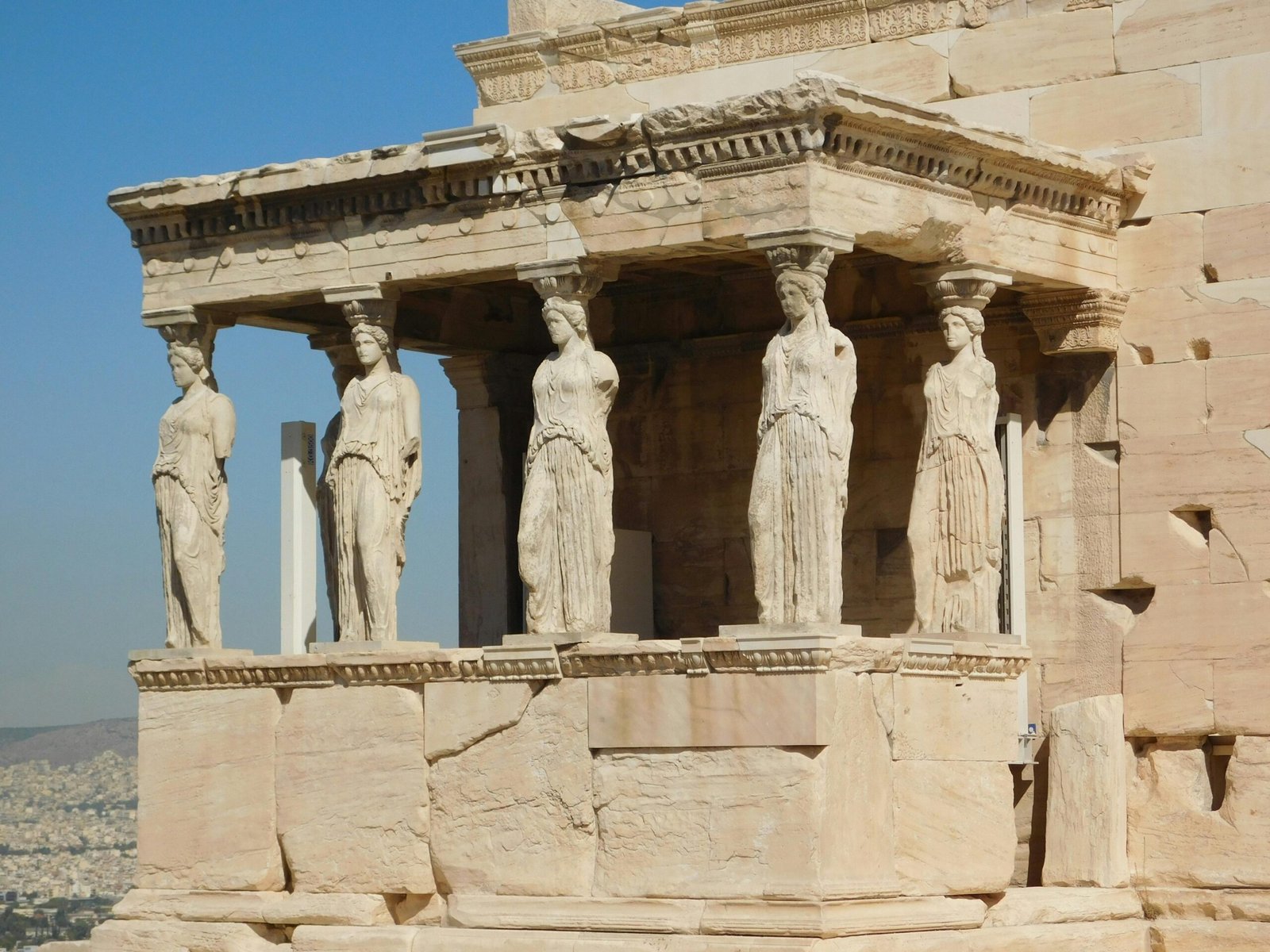
Athens Is Not a Warm-Up Act — It Changes the Whole Greece Trip
Athens is not there to politely introduce you to Greece. It is a dense, working capital with real neighborhoods, real traffic patterns, real cultural weight, and real consequences for how the rest of your trip feels. Athens Is Not a Warm-Up Act — It Changes the Whole Greece Trip because it either gives your itinerary depth or drains time and energy from everything that follows.
The biggest mistake is treating the city as a one-night obligation before the islands. That usually leads to staying in the wrong area, underestimating how much the city asks of you, and arriving on the islands already tired. The second mistake is assuming every part of central Athens is interchangeable; it is not. Plaka, Koukaki, Syntagma, Kolonaki, Monastiraki, and Psyrri each produce a very different trip, and choosing badly changes your whole mood.
Why Athens Is Not a Warm-Up Act — It Changes the Whole Greece Trip
If you want Athens to work for you, stop thinking of it as a transit point. This is where you decide whether your Greece trip feels shallow or layered. A strong Athens stay gives context to the islands, especially if you care about history, food, museums, and the difference between tourist Greece and lived-in Greece.
What travelers underestimate most is how much the city affects their rhythm. A poor Athens plan creates a pattern of constant catching up: late arrivals, tired mornings, and a first impression of Greece that is more logistical than enjoyable. That is why Athens Is Not a Warm-Up Act — It Changes the Whole Greece Trip is not a slogan; it is a planning reality.
The two mistakes I see most often
The first mistake is choosing accommodation based only on a famous name. Plaka sounds convenient, and parts of it are, but some travelers end up in streets that are overrun at peak hours and oddly quiet at night in a way that feels dead rather than restful. Syntagma is practical but can feel impersonal if you want neighborhood life. Koukaki is often the smarter choice for travelers who want walkability without the worst of the tourist crush.
The second mistake is assuming Athens is only about the Acropolis and a dinner reservation. That is lazy planning. If you never leave the obvious center, you miss the city’s actual character, and you also miss the chance to balance ancient sites with better food, better pacing, and a more realistic sense of modern Greece.
Neighborhoods that change the experience
Plaka works for first-timers who want direct access to the main sights, but it is not the best choice for travelers who dislike crowds or staged surroundings. Monastiraki is useful if you want energy and easy access to the old center, though it can feel chaotic and overexposed. Koukaki is the practical favorite for many repeat visitors because it feels lived-in without being far from what matters.
Kolonaki suits travelers who prefer a more polished, urban Athens and do not mind paying for it. Psyrri is better for people who want nightlife and a less polished edge, but it is not the calm base many couples imagine. Syntagma is the most functional hub, yet it rarely gives you a sense of place unless you know exactly what you want from the city.
For a serious cultural visit, the Acropolis Museum should not be treated as an add-on. It gives context to the city in a way that a quick monument visit never will, and skipping it is a common sign that the trip is being planned too shallowly.
One counterintuitive truth about Athens
The surprising thing is that Athens often works better when you give it a little more time, not less. Travelers think a short stay keeps the trip efficient, but the opposite is often true: the shorter the Athens stop, the more pressure you put on it, and the less you actually absorb. A city that big cannot be reduced cleanly without losing something important.
This is where many itineraries go wrong. They try to “save time” in Athens and end up wasting it through poor sequencing, tired arrivals, or a bad hotel location that makes every movement harder. Athens Is Not a Warm-Up Act — It Changes the Whole Greece Trip because the city exposes weak planning faster than the islands do.
Who this suits
Athens suits travelers who want their Greece trip to feel informed rather than decorative. It is a strong fit for history-focused visitors, food travelers, couples who like urban energy, and anyone who values museums, architecture, and a real city atmosphere. It also suits travelers who are comfortable making a trip slightly more complex in exchange for more substance.
It does not suit travelers who want a soft landing into beach mode, or people who are already impatient with cities before they arrive. If your ideal Greece trip is only whitewashed lanes and sea views, Athens can feel like friction rather than enrichment. Families with very young children and travelers who hate noise should be especially selective about where they stay and how much city time they take on.
The trade-offs are real
What you gain in Athens is depth, context, and a better understanding of the country before you move on. You also gain stronger dining options, more serious cultural experiences, and a trip that feels more complete. If you care about Greece as a place rather than just a backdrop, Athens earns its place.
What you give up is simplicity. Athens asks for better choices, more tolerance for urban reality, and less fantasy about what the first part of a Greece trip should feel like. The city can be messy, hot, and unforgiving in the wrong neighborhood, especially in peak season. That is not a flaw to ignore; it is part of the planning equation.
What most travelers still get wrong
They underestimate seasonality in the city itself. Athens in shoulder season can be sharp, manageable, and genuinely rewarding, while midsummer can feel draining if you stack too much walking and too little recovery into one stay. They also underestimate how much a bad base location compounds the heat, noise, and fatigue.
Another common error is treating Athens as separate from the rest of the trip. It is not separate. If you choose the wrong pace here, the islands do not magically fix it. Athens Is Not a Warm-Up Act — It Changes the Whole Greece Trip because it sets the tone, and bad tone is hard to undo once the trip has started.
For official context on cultural sites and state-run information, the Hellenic Ministry of Culture is a useful reference point, especially if you want to understand what is actually protected, maintained, or closed for reasons that matter to travelers.
Conclusion
Athens is not the place to be casual. If you treat it as a quick pre-island stop, you usually get a weaker trip, not a more efficient one. If you treat it as a serious part of the itinerary, it gives the rest of Greece more meaning and a better rhythm.
Most Greece trips follow the same tired script. The ones that don’t — the ones travelers still talk about years later — were built around a real understanding of how this country works. That kind of understanding takes time, or it takes someone who already has it.
Recommended experiences
Some experiences mentioned here are curated and managed by Elite Greece Travels.
- Athens Milos Itinerary — Itinerary (managed by Elite Greece Travels).
- Athens Milos Santorini Itinerary 9 Days — Itinerary (managed by Elite Greece Travels).
- Greece 7 Day Itinerary Athens Delphi Meteora Santorini — Itinerary (managed by Elite Greece Travels).
Frequently asked questions
Is Athens worth more than one night?
For most travelers, yes. One night usually turns Athens into a logistics exercise. Two or more nights give you enough time to understand the city instead of just passing through it.
What is the biggest mistake people make with Athens in a Greece itinerary?
They treat it like a prelude to the islands and choose convenience over fit. That usually means the wrong neighborhood, too little time, and a tired start to the trip.
Which Athens neighborhoods are best for first-time visitors?
Koukaki, Syntagma, and parts of Plaka are the most straightforward for first-timers. They are not interchangeable, though, and each comes with different levels of noise, crowding, and atmosphere.
Who should not spend much time in Athens?
Travelers who dislike cities, noise, crowds, or museum-heavy days usually will not enjoy a long Athens stay. They are better off keeping the city short and choosing their base carefully.
Does Athens work well before the islands?
Yes, but only if the city is planned as a real part of the trip rather than a rushed stop. Done badly, it creates fatigue before the island portion even begins.
What do travelers underestimate most about Athens?
They underestimate how much neighborhood choice matters and how much the city affects the pace of the whole itinerary. A bad Athens setup can make the rest of the trip feel disjointed.