

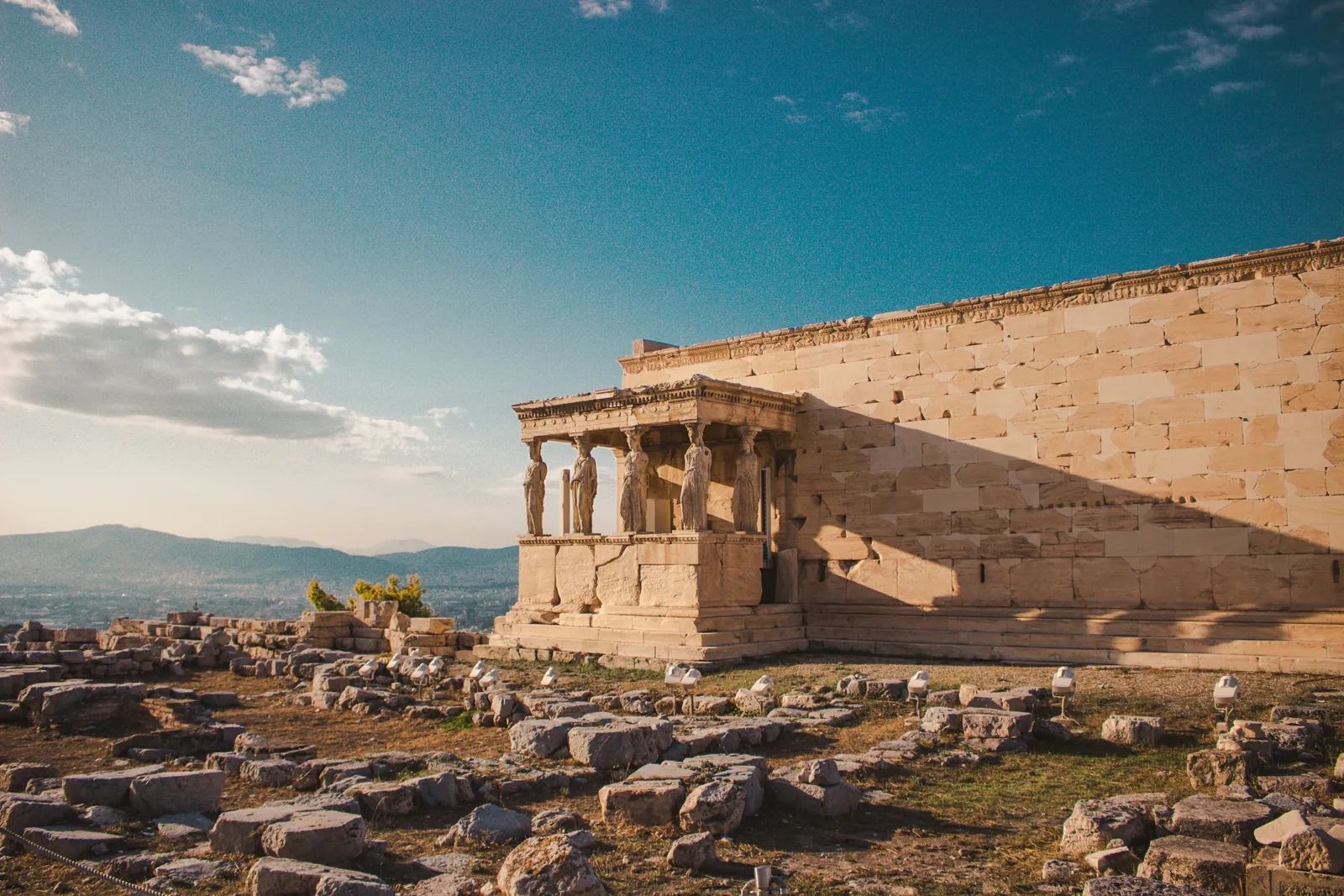
Deciding where to start your journey in Greece often narrows down to Athens or Crete. Both destinations offer distinct appeals in culture, history, and landscape, but your choice shapes the rhythm and scope of your experience.
This guide evaluates practical aspects to help clarify which setting fits your priorities and travel style.
Want the big picture? See our Practical Greece Travel Tips.

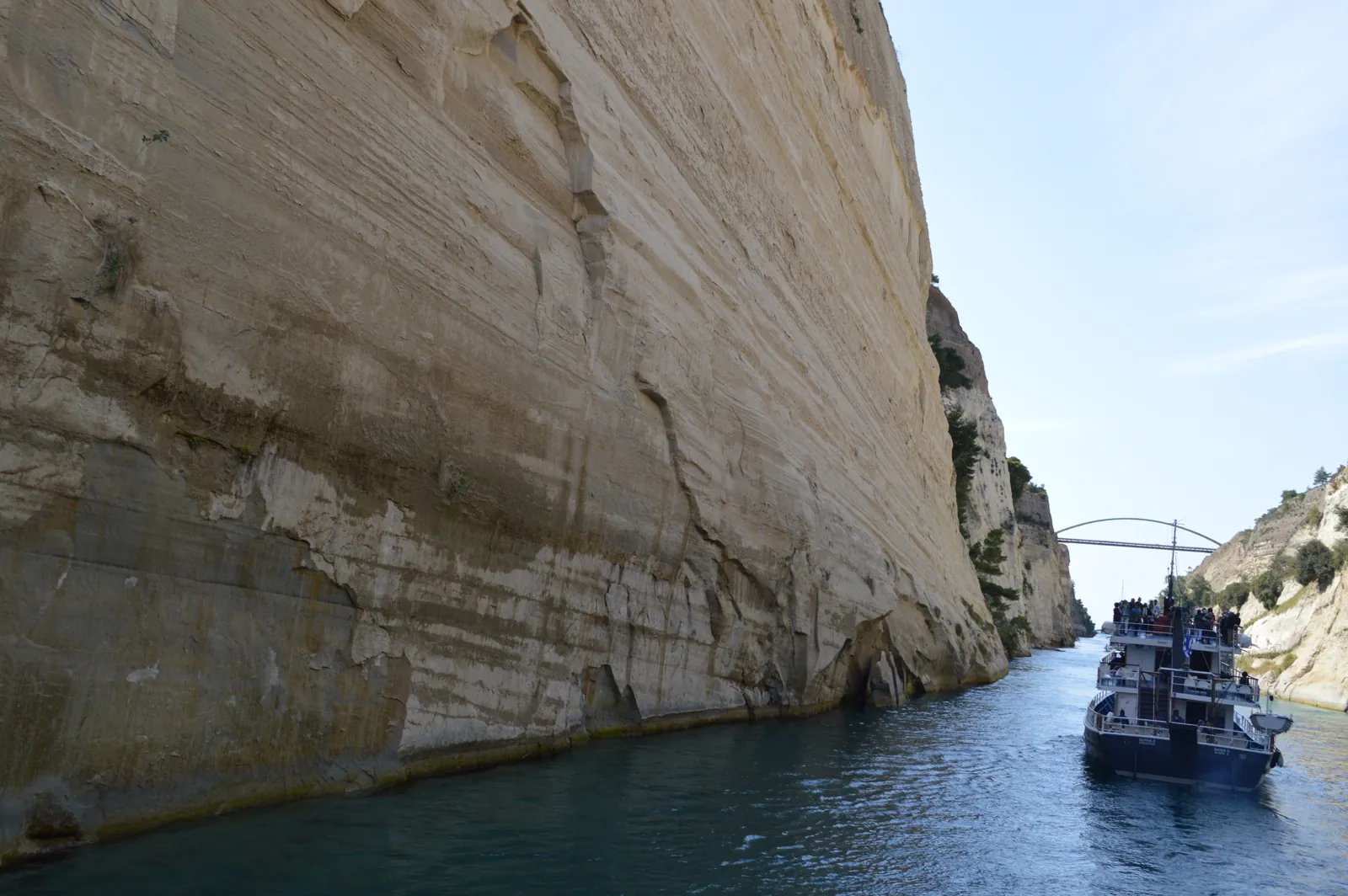
Balancing cultural depth and natural diversity
Athens anchors Greece’s modern identity with its ancient landmarks tightly woven into urban life. Areas like Koukaki and Kolonaki provide accessible, walkable bases for exploring the Acropolis and the Acropolis Museum. Crete, conversely, stretches across varied terrain—beaches at Elafonisi, the Samaria Gorge, and historic towns like Chania and Rethymno. Choosing Crete means trading the concentrated intensity of Athens’ historical sites for a broader, more dispersed natural and cultural landscape.
Choose Athens if you want concentrated historical immersion
For travelers prioritizing easily accessible, iconic ancient monuments and museums, Athens is unmatched. Within a few kilometers, you can walk from the Parthenon to the Agora, with minimal transit time. The city’s cultural institutions, including the National Archaeological Museum and the Ministry of Culture initiatives, offer a structured and dense educational experience. Evening social life clusters in neighborhoods like Pangrati, combining local dining with a steady urban pace. However, by focusing on Athens, you miss the variety of natural settings and slower rhythms Crete offers.
Choose Crete if you prefer varied landscapes and relaxed pacing
Crete requires more logistical planning due to its size and transportation constraints but rewards with diverse environments. The island’s coastal towns, such as Agios Nikolaos, offer a different social tempo—more spread out and seasonally quieter. Traveling within Crete typically involves car rentals, with drives between main towns lasting 1 to 3 hours. This trade-off means less historical concentration but more opportunities for hiking, beach time, and rural village visits. The island’s scale demands longer trip durations to capture its breadth effectively.
Trip length rule: Short visits favor Athens, longer ones justify Crete
If your trip is under five days, Athens provides a compact itinerary with minimal internal transit. Crete’s size and the variety of its attractions make it more suitable for trips of at least seven days, allowing time to adjust for travel between sites and savor the island’s multiple facets without rushing.
Cost considerations and what influences expenses
Athens typically falls into the $$ tier—accommodation varies from affordable guesthouses to higher-end hotels in central districts. Dining and transport are generally economical, with a reliable public transit system minimizing taxi reliance. Crete’s cost ranges from $ to $$ depending on the season and location; remote beach areas can be budget-friendly but require transport costs for car rentals or taxis. Peak summer months inflate prices, especially in tourist hubs like Elounda.
The emotional atmosphere: urban pulse versus island calm
Athens carries a brisk, layered energy—crowds ebb and flow around historic sites, yet local neighborhoods maintain their own rhythms. The city moves at a steady pace with a palpable urban buzz. Crete’s atmosphere is more variable: mornings are quiet, with afternoons and evenings bringing a relaxed social tempo, especially in towns like Heraklion where locals gather at cafes. This difference shapes daily planning—Athens suits early starts before crowds swell; Crete rewards late afternoons by the coast and leisurely evenings.
What travelers underestimate about each option
- In Athens, heat and sun exposure at archaeological sites can be intense; mid-morning visits help avoid peak temperatures and crowds.
- Crete’s distances between attractions are often underestimated; planning realistic driving times is essential to avoid rushed days.
- Both destinations require some patience with queues—Athens for popular museums, Crete for ferries and car rentals during high season.
Timing rule for daily planning
In Athens, mornings before 11 AM are ideal for outdoor sites to minimize heat and queues. Crete’s appeal shifts later in the day, with afternoons offering cooler coastal breezes and sociable atmospheres in smaller towns.
Best for
Couples seeking historical depth: Athens
Families wanting varied outdoor activities: Crete
First-timers prioritizing iconic Greek culture: Athens
Beach lovers and nature enthusiasts: Crete
Choosing between these two involves weighing the concentrated urban-historical experience against a sprawling island’s natural diversity and slower pace. For a first trip focused on landmark cultural immersion with straightforward logistics, Athens is the recommended starting point.
Recommended experiences
Some experiences mentioned here are curated and managed by Elite Greece Travels.
- Best Of Greece Athens Paros Crete 7 Day Itinerary 6 Nights — Itinerary curated by Elite Greece Travels.
- Athens Mykonos Santorini Crete Itinerary 9 Days — Itinerary curated by Elite Greece Travels.
- Athens Santorini Crete Itinerary 7 Days — Itinerary curated by Elite Greece Travels.
Frequently asked questions
How long does it take to fly from Athens to Crete?
Flight times from Athens to Crete typically range from 50 to 70 minutes, depending on the airport and airline. It’s a common route with frequent daily services.
Is public transportation reliable in Crete for tourists?
While Crete has a bus network connecting major towns, it is less frequent and less comprehensive than Athens’ system. Renting a car is usually necessary for flexible exploration.
Can I visit both Athens and Crete in one trip effectively?
Yes, but it requires at least 10 days to manage travel between the two and have meaningful time in each. Flights minimize transit time compared to ferries.
What neighborhoods in Athens are safest and best for first-time visitors?
Koukaki, Kolonaki, Plaka edges, and Pangrati are stable, walkable areas with good access to main sights and a range of accommodations.
When is the best time of day to visit the Acropolis to avoid crowds?
Early mornings right at opening are ideal to avoid peak crowding and midday heat, especially in summer months.
Are beaches in Crete accessible for day trips from main towns?
Many popular beaches like Elafonisi and Balos require at least a one-hour drive or organized tours. Some coastal towns offer closer beach options.
Does Athens offer opportunities to experience Greek island culture without leaving the city?
Neighborhoods like Plaka and areas near the Acropolis have traditional tavernas and festivals reflecting Greek island-style hospitality, but it’s a different experience from actual islands like Crete.