

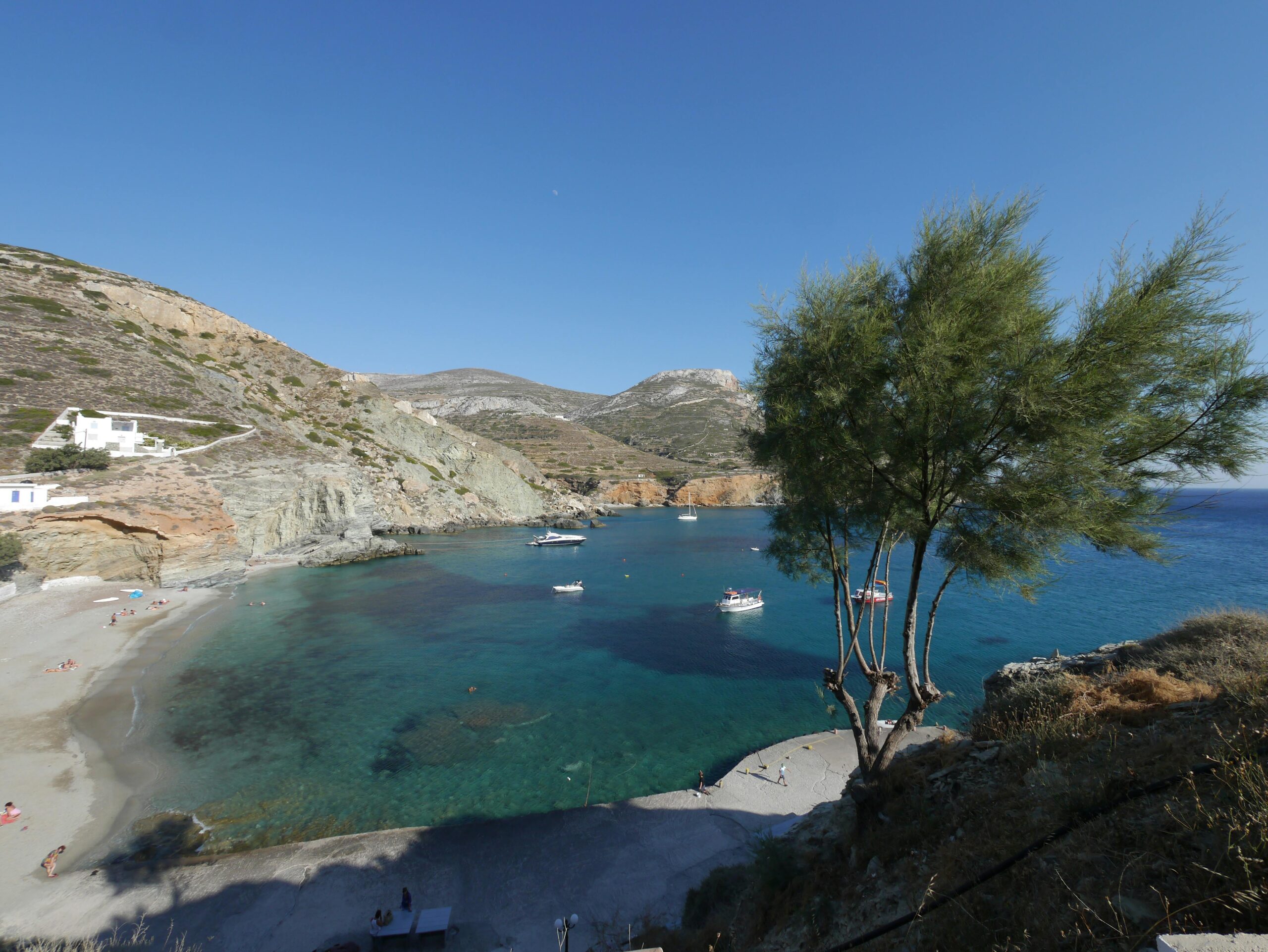
Bespoke Travel in Greece: Why It Matters More Here Than Elsewhere is not just a marketing slogan; it reflects a practical truth rooted in Greece’s complexity. Naxos, a microcosm of the Greek experience, demands more than casual planning to unlock its layered character and avoid common pitfalls.
Bespoke Travel in Greece: Why It Matters More Here Than Elsewhere
Understanding Naxos Beyond the Postcard
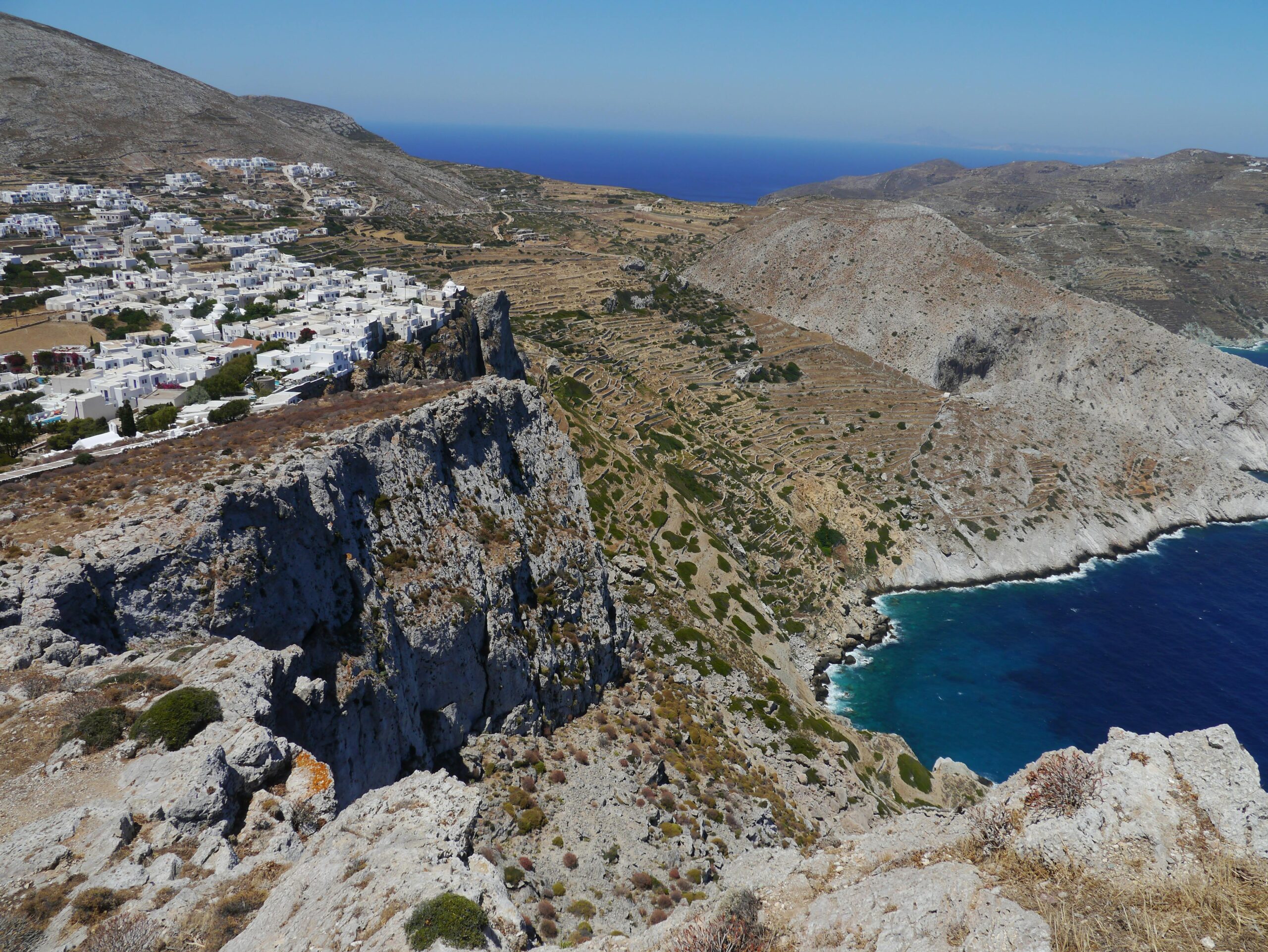
Naxos is often mistaken for a simple Cycladic island with a beach-and-sun formula, but it defies that easy label. The island’s geography varies dramatically—from the rugged peaks of Mount Zas to fertile valleys like Halki. Without tailored guidance, travelers risk missing the island’s authentic rhythms, especially in places like the old Venetian Castle of Naxos Town or the quiet village of Apiranthos.
The Emotional Texture of Naxos: What You Actually Feel
Visiting Naxos isn’t just about ticking sites; it’s about absorbing a palpable sense of continuity and resilience. The island’s pace can feel deceptively slow, but beneath that lies a stubborn vitality—farmers tending ancient terraces, fishermen hauling nets at dawn. This emotional reality contrasts sharply with more polished destinations and requires time and nuance to appreciate.
Bespoke Travel in Greece: Why It Matters More Here Than Elsewhere
Greece’s fragmented infrastructure and seasonal swings make bespoke travel on Naxos essential. Unlike destinations with uniform tourist services, Naxos’s offerings fluctuate wildly by season and neighborhood. For example, Agia Anna thrives mid-summer but is ghostly quiet in early spring, while mountain villages like Filoti offer an entirely different cultural landscape best visited off-peak. An expert’s insight balances these variables to prevent wasted days and missed opportunities.
Common Misconceptions That Undermine the Experience
Travelers often assume Naxos can be fully experienced in a brief two-day visit or that all island roads and paths are equally accessible. Both are serious underestimations. The island’s scale and internal diversity demand at least five days to grasp its contrasts. Also, some parts of the island, particularly the northern beaches near Mikri Vigla, require deliberate planning due to limited amenities and seasonal closures.
The Trade-Offs: What You Gain and What You Surrender
Choosing bespoke travel on Naxos means gaining depth, local access, and a tailored pace but sacrificing spontaneity and the lowest possible cost. For instance, staying in the less touristy village of Koronos offers authentic engagement but fewer luxury comforts. Understanding these trade-offs upfront prevents disappointment and ensures the journey aligns with personal values.
Who This Suits: Matching Travelers to Naxos’s Reality
Bespoke travel on Naxos suits travelers who value cultural immersion, local gastronomy, and off-the-beaten-path encounters and are willing to invest time in preparation. It is not ideal for those seeking a purely beach-centric, party-focused, or highly predictable resort experience. Seasonal travelers aiming for shoulder months like late May or September will find more authenticity and manageable crowds.
Contextualizing Naxos Within Greece’s Broader Cultural Landscape
Naxos’s appeal deepens when viewed alongside Greece’s vast cultural heritage. Its archaeological sites, including the ancient temple of Demeter, resonate with the layers found in Athens’s Acropolis Museum, a visit to which enriches understanding of Greek civilization’s breadth (
Acropolis Museum). Meanwhile, official cultural resources (Greek Ministry of Culture) provide valuable context that bespoke travel planning can incorporate for a richer experience.
Conclusion
Naxos exemplifies why bespoke travel in Greece: why it matters more here than elsewhere. The island’s uneven infrastructure, seasonal rhythms, and layered cultural fabric make generic travel plans inadequate. Greece rewards travelers who arrive with a plan built around how they actually travel—not a generic template. The difference between a frustrating trip and a remarkable one often comes down to sequence, timing, and knowing which trade-offs matter for your situation.
Frequently asked questions
Why is bespoke travel particularly important in Naxos compared to other Greek islands?
Naxos combines diverse geography, seasonal fluctuations, and uneven infrastructure, making generic travel plans ineffective. Tailored planning ensures you access the island’s full cultural and natural range without wasted time or unmet expectations.
How long should I ideally spend on Naxos to appreciate its diversity?
At least five days are necessary to experience Naxos beyond the main town and beaches, allowing time to visit mountain villages, archaeological sites, and less touristy areas.
What are some common mistakes travelers make when visiting Naxos?
Common errors include underestimating the travel time between locations and expecting all parts of the island to be equally lively year-round, leading to disappointment in off-peak seasons.
Which types of travelers are best suited for bespoke travel on Naxos?
Travelers who prioritize cultural immersion, local cuisine, and exploring less commercialized areas benefit most. Those seeking a straightforward beach holiday or nightlife-focused trip may find bespoke planning less critical.
When is the best season to visit Naxos for a balanced experience?
Late spring (May) and early autumn (September) offer pleasant weather, fewer crowds, and greater access to authentic local life compared to the crowded high summer months.
Does bespoke travel on Naxos mean sacrificing comfort?
Not necessarily. It means making informed choices about where to stay and what to prioritize. Some authentic areas may lack luxury amenities but offer cultural richness that compensates for the trade-off.
How can I deepen my understanding of Greek culture while visiting Naxos?
Engaging with local history sites and referencing national cultural resources, such as the Greek Ministry of Culture or the Acropolis Museum in Athens, can provide valuable context that enriches your experience.