

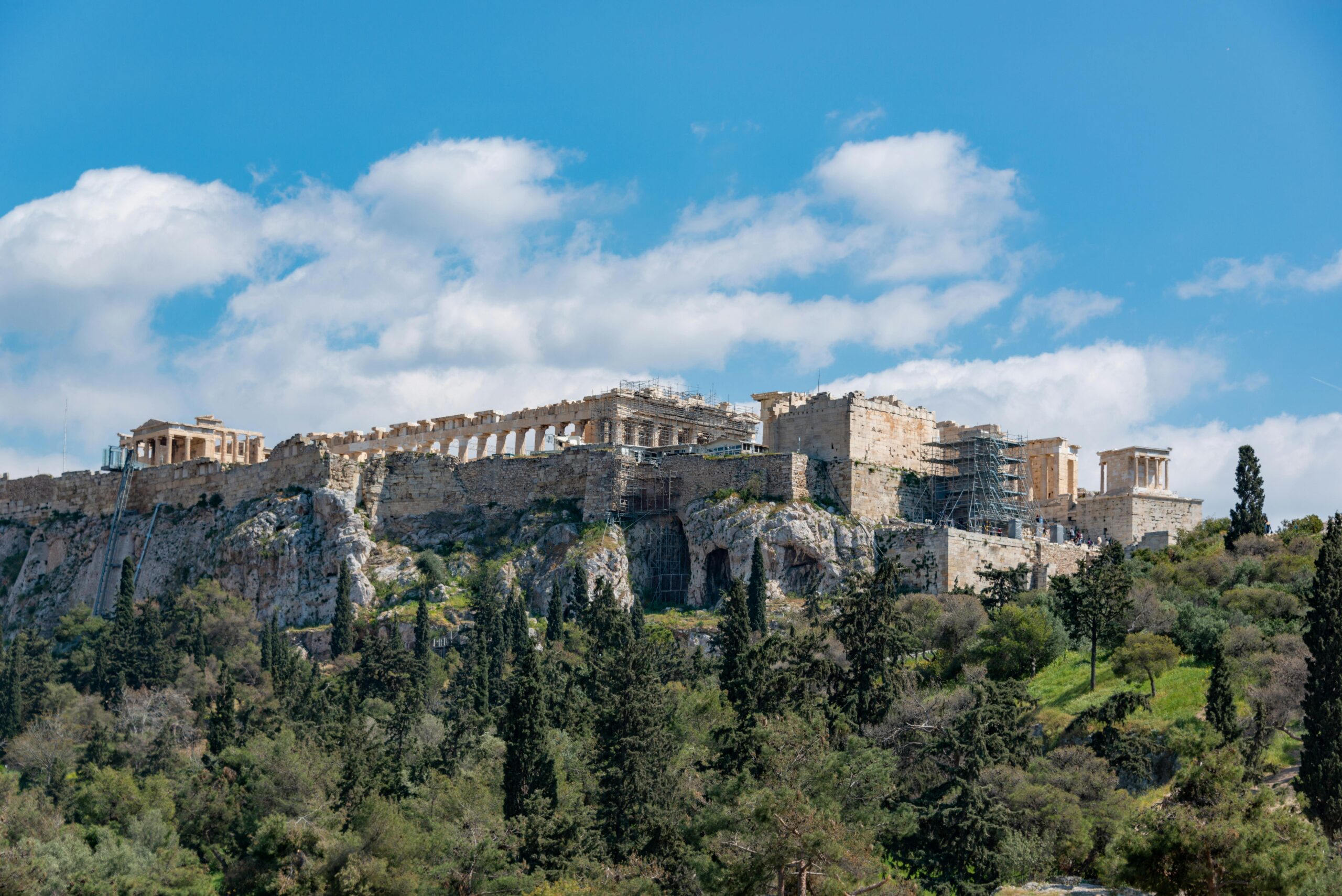
Choosing between Athens and Crete for a first visit to Greece requires understanding the distinct experiences each destination offers. Athens centers on urban history and cultural landmarks, while Crete presents island diversity with varied landscapes and local traditions. This guide outlines key considerations to help align your itinerary with your travel objectives.

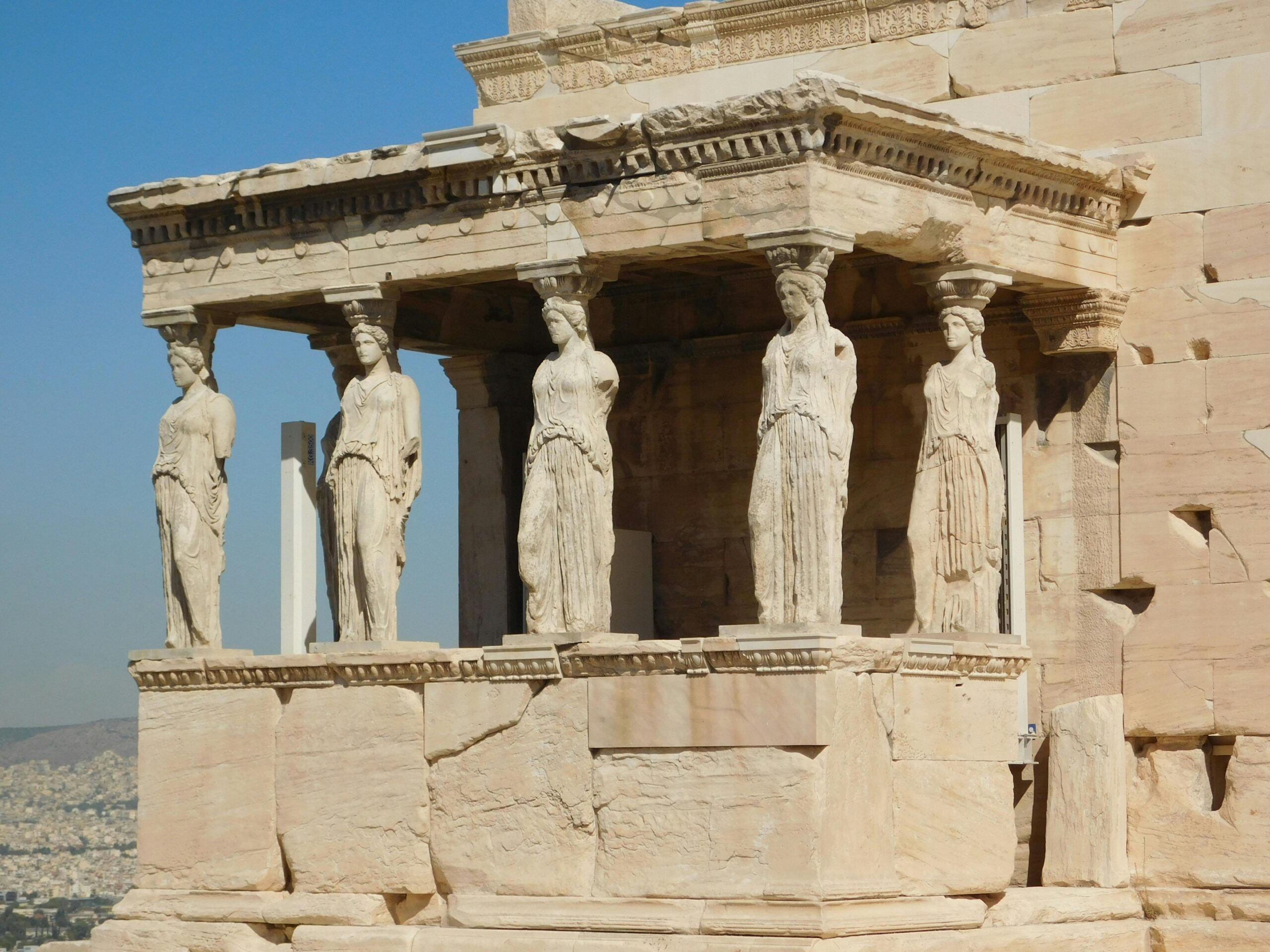
Comparing Athens and Crete for a First-Time Greece Trip
Urban History or Island Diversity: Defining Your Priorities
Athens offers a concentrated experience of Greece’s ancient heritage, with sites like the Acropolis, Plaka neighborhood, and the Acropolis Museum providing direct access to classical history. Crete, by contrast, spans a large island with diverse environments—from the Venetian harbor of Chania to the archaeological site of Knossos and beaches like Elafonissi. Your choice hinges on whether you prioritize immersive historical exploration within a city or a broader range of landscapes and local cultures.
Human Anchor: A Grounded Perspective
A hard truth is that Athens’ urban environment can feel crowded and intense, especially during peak tourist seasons, which some first-timers underestimate when expecting a relaxed atmosphere. Many travelers also overlook the travel time within Crete; distances between towns like Heraklion and Rethymno can exceed an hour by car, impacting daily plans. For newcomers, focusing on Athens is advisable if your goal is a compact, historically rich itinerary, while Crete suits those prepared for a more spread-out, varied experience.
Trip Length Rule: Matching Duration to Destination
Plan at least 3 full days in Athens to cover major archaeological sites, museums, and neighborhoods like Monastiraki and Kolonaki without rushing. Crete requires a minimum of 5 days to appreciate its geographic and cultural diversity, including time for travel between key areas such as Heraklion, Chania, and southern beaches. Shorter stays in Crete risk missing the island’s varied character, while Athens can be efficiently explored in fewer days.
Logistics and Travel Times
Reaching Athens is straightforward with an international airport well connected to Europe and beyond. Crete’s main airports in Heraklion and Chania also offer international flights but fewer direct options. Ferry connections from Athens’ port of Piraeus to Crete typically take 6 to 9 hours, depending on the vessel. Within Crete, travel times between towns range from 1 to 2 hours by car or bus, which requires careful planning. In Athens, public transport and walking cover most sites efficiently, with typical transit times under 30 minutes between central neighborhoods.
Cost Positioning and What Drives Expenses
Athens generally falls into the $ to $$ range, with costs driven by accommodation near central areas like Syntagma or Plaka and entrance fees to major sites such as the Acropolis Museum (source). Dining options vary widely but are often more affordable than on islands. Crete tends to be $$ to $$$, influenced by the choice of location (Chania and Elounda are pricier), transportation costs for inter-town travel, and seasonal demand. Beach resorts and guided tours add to expenses.
Emotional Atmosphere: Pace, Rhythm, and Social Energy
Athens presents a fast-paced urban rhythm with a mix of locals and tourists navigating busy streets, cafes, and cultural venues. The social energy is dynamic but can feel hectic, especially midday when heat and crowds peak. Crete’s atmosphere varies by area—Chania’s old town offers a relaxed yet lively waterfront scene, while remote southern beaches provide quietude. The island’s slower pace encourages exploration over multiple days, contrasting with Athens’ concentrated intensity.
What Travelers Underestimate
- The time needed to move between sites in Crete, which can reduce time spent actually exploring.
- The midday heat in Athens that affects walking tours and outdoor activities, making early mornings or late afternoons more suitable.
- The diversity within Crete itself—expecting a uniform island experience leads to missed regional nuances.
Comparing Athens and Crete for a first-time Greece trip: Decision Rules
Choose Athens if your priority is concentrated access to iconic historical sites, museums, and urban cultural experiences within a compact area. It suits travelers with limited time who prefer structured days and easy logistics.
Choose Crete if you want a broader sensory experience that includes varied landscapes, local traditions, and a mix of beaches, archaeological sites, and small towns. Ideal for travelers with more time and flexibility to navigate a larger area.
Best For
Athens: First-timers focused on history, solo travelers, short stays, cultural enthusiasts.
Crete: Families, couples seeking diversity, beach lovers, travelers with 5+ days, those interested in regional cuisine and nature.
Conclusion
Deciding between Athens and Crete for a first visit to Greece comes down to your trip goals and available time. Athens offers a dense, historically rich urban experience with straightforward logistics, while Crete demands more travel planning but rewards with diversity and slower rhythms. Understanding the trade-offs and practical realities will help you align your itinerary with your expectations and avoid common pitfalls. For further cultural context, official resources provide detailed insights into Greece’s heritage and travel opportunities (source).
Related experiences
Included only when it fits the topic and planning intent.
- Best Of Greece Athens Paros Crete 7 Day Itinerary 6 Nights — Itinerary (managed by Elite Greece Travels).
- Athens Mykonos Santorini Crete Itinerary 9 Days — Itinerary (managed by Elite Greece Travels).
- Athens Santorini Crete Itinerary 7 Days — Itinerary (managed by Elite Greece Travels).
Frequently asked questions
How long should I stay in Athens for a first visit?
A minimum of 3 full days is recommended to cover major archaeological sites, museums, and neighborhoods without rushing.
What is the best way to travel between Athens and Crete?
Flying is the fastest option, with flights taking about 1 hour. Ferries from Piraeus port take between 6 to 9 hours depending on the vessel.
Is Crete suitable for families with children?
Yes, Crete offers diverse activities including beaches, historical sites, and nature excursions that cater well to families, especially with 5 or more days.
What time of day is best for visiting outdoor sites in Athens?
Early mornings or late afternoons are preferable to avoid midday heat and crowds, especially in summer.
Are costs generally higher in Athens or Crete?
Crete tends to be more expensive overall due to transportation and resort pricing, while Athens offers a wider range of budget options.
Can I rely on public transport in Crete to get around?
Public transport exists but is less frequent and slower than in Athens; renting a car is often recommended for flexibility.
What neighborhoods in Athens are best for first-time visitors?
Plaka, Monastiraki, and Kolonaki are safe, accessible, and close to major sites, making them ideal for newcomers.