

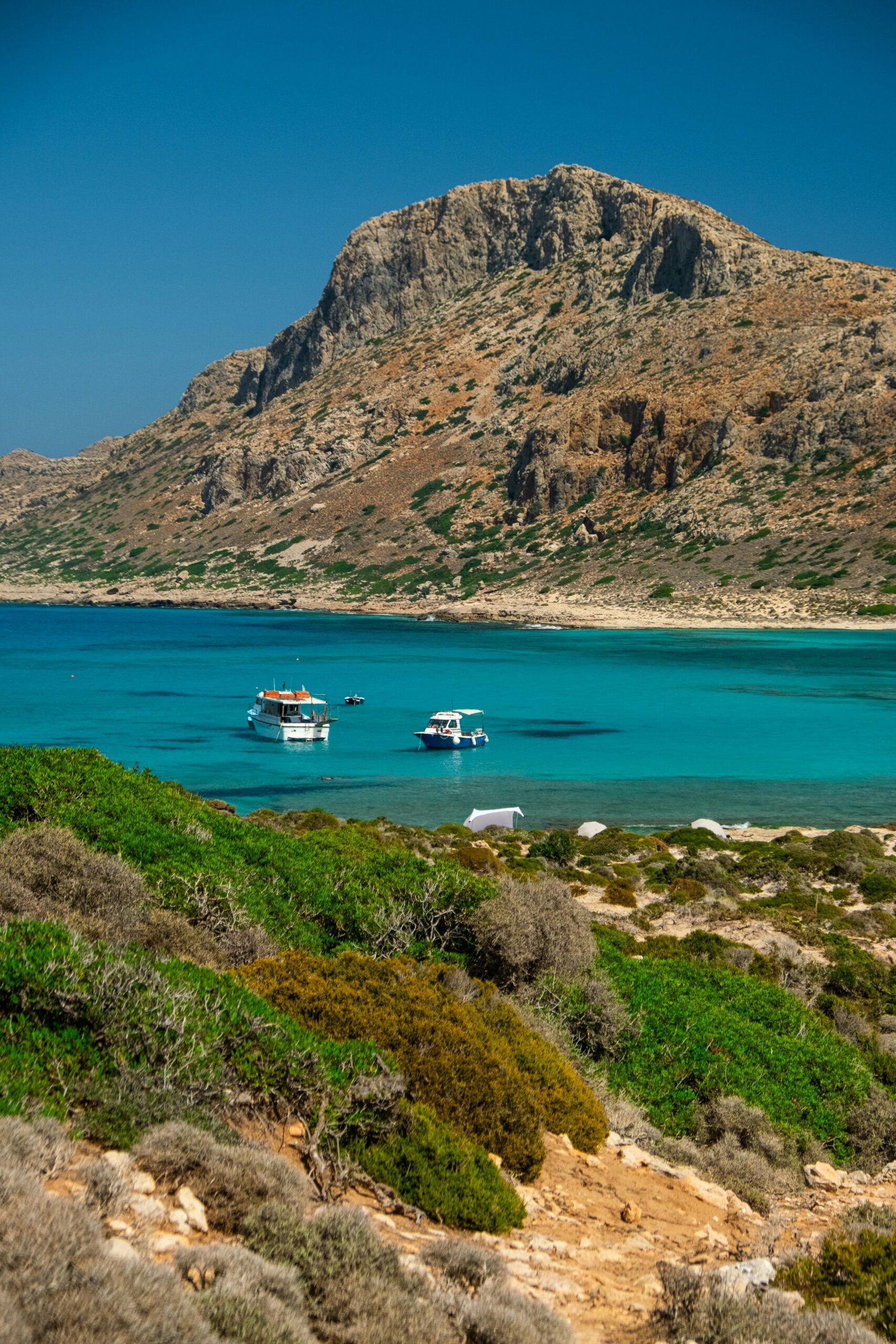
Crete Is Not One Island Trip — And That’s the Problem, because too many travelers plan it like a compact Greek island when it is really a large, uneven, multi-center destination with very different personalities. If you treat it like a single base-and-see-everything trip, you end up spending your best days correcting bad choices.
The mistake is not loving Crete. The mistake is underestimating scale, seasonality, and how much the island changes from west to east. Crete punishes vague planning and rewards travelers who know exactly what kind of trip they want.
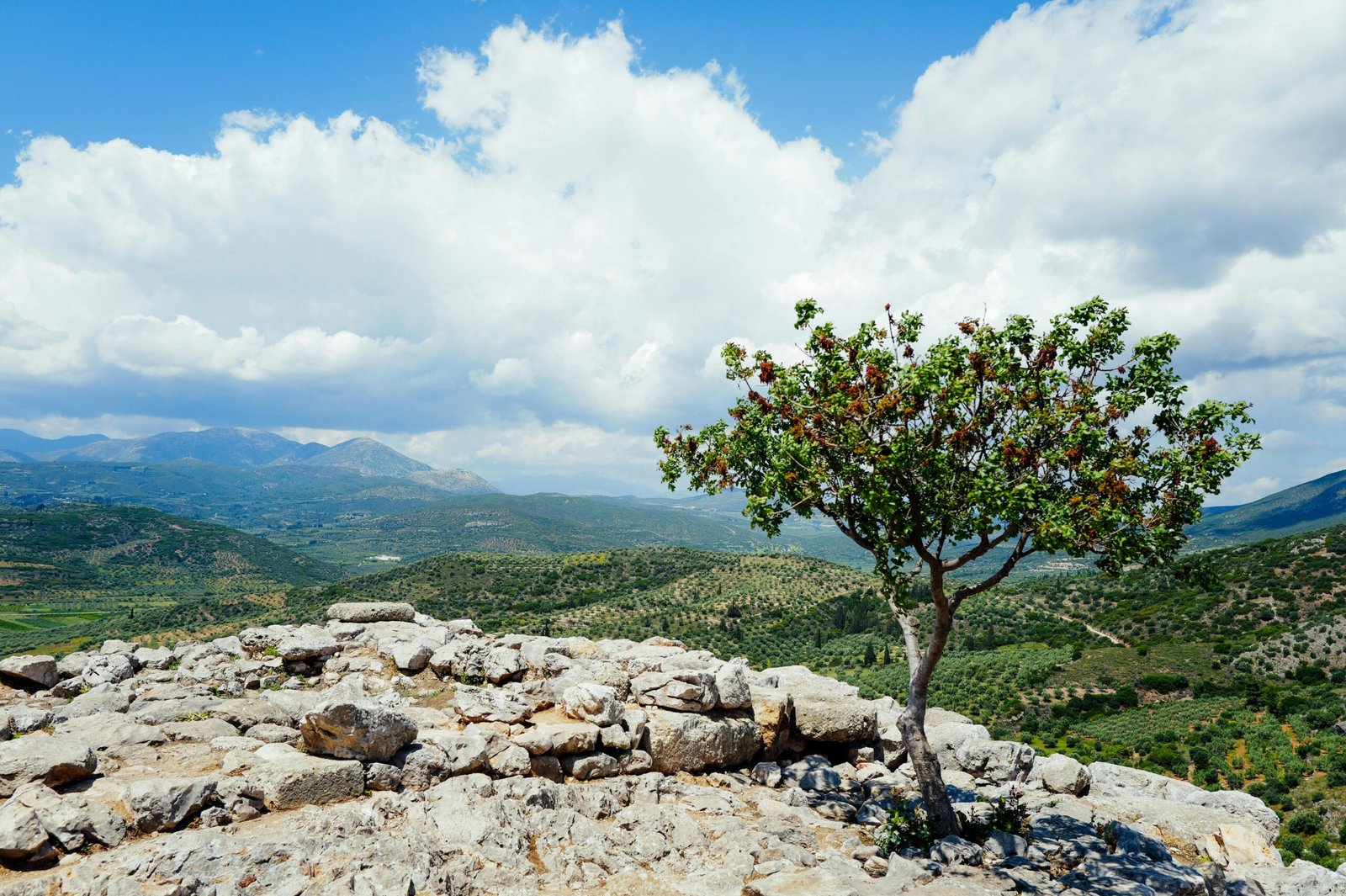
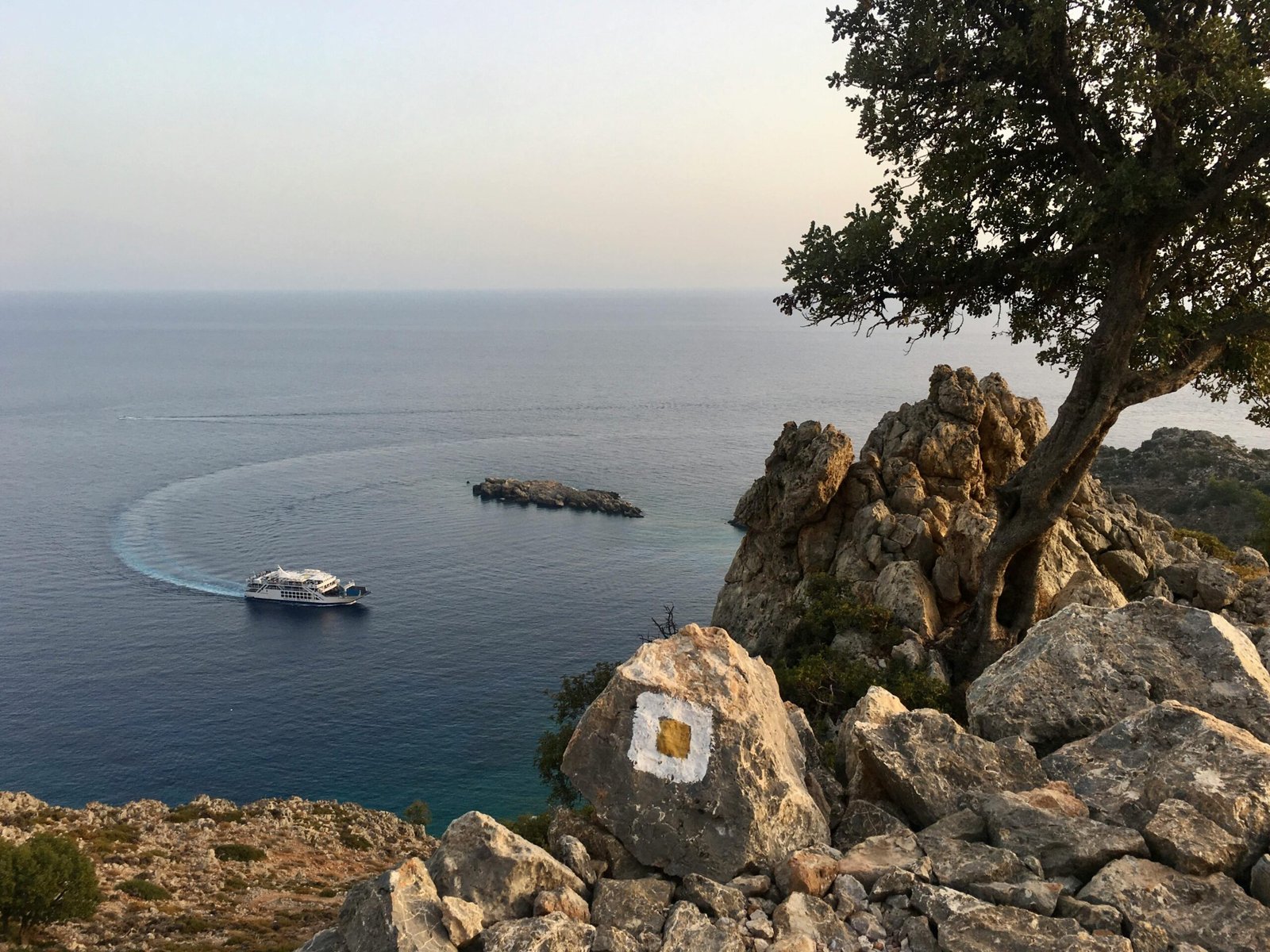
Crete Is Not One Island Trip — And That’s the Problem
Crete Is Not One Island Trip — And That’s the Problem, and I say that as someone who has seen plenty of otherwise good holidays go sideways here. Travelers arrive with a generic island mindset, then try to force Crete into a neat loop of beaches, villages, and one or two “must-sees.” That approach usually produces long days, weak pacing, and a lot of regret.
The island is too large, too varied, and too segmented for casual planning. You need to choose what kind of Crete you want, because you will not do all of it well in one trip. The people who understand this leave satisfied; the people who don’t usually say they “saw Crete” when they really only skimmed a corner of it.
Crete Is Not One Island Trip — And That’s the Problem for first-time planners
The biggest planning error is assuming the island works like a compact holiday base. It does not. West Crete, central Crete, and the south coast feel like different trips, with different rhythms, different road realities, and different traveler profiles.
The second mistake is trying to mix too many priorities into one stay. Travelers want beach time, archaeology, food, mountain villages, and a few dramatic landscapes, then expect them all to fit neatly into a short window. That is how Crete becomes tiring instead of rewarding.
If you want a useful reference point for the island’s official cultural and heritage context, start with the Greek Ministry of Culture. It will not plan your holiday for you, but it does remind you that Crete is not a resort product. It is a serious destination with real depth, and that depth comes with planning consequences.
What travelers consistently get wrong in Crete
First, they underestimate driving and distance. Crete looks manageable on a map, but the island’s shape, terrain, and road quality mean that “nearby” can still feel like a commitment. This is where good trips become rushed trips.
Second, they assume one base can cover the whole island. That is the classic error. A stay centered only in Chania suits a different trip than a stay centered in Heraklion or Rethymno, and trying to make one location do all the work usually means you spend too much time in transit and too little time actually enjoying the place.
Third, they overvalue famous names and undervalue fit. A traveler who wants polished dining, easy evenings, and a walkable old town may be very happy in Chania or Rethymno. A traveler who wants bigger beaches and a more straightforward resort feel may be happier elsewhere. Crete punishes people who chase reputation instead of matching the area to the trip.
Places that matter: where Crete actually feels different
Chania Old Town is the obvious draw, but it is not the right answer for everyone. It works for travelers who want atmosphere, dining, and an urban base with character. It is less ideal for people who want quiet, space, or a purely beach-led trip.
Rethymno is often overlooked by first-timers who think they should go straight to the most famous name. That is a mistake. Rethymno is one of the island’s better balanced bases for travelers who want a livable old town without the same level of pressure that Chania can carry in peak months.
Heraklion is frequently dismissed too quickly, usually by travelers who only see it as an arrival point. That is lazy planning. It is the practical center of the island and the right choice for people who care more about access to major sites and a more working-city feel than postcard-style evenings.
Elounda is a different category altogether, built for travelers who want higher-end hotels and a more controlled, polished environment. It is not where you go for a wandering, casual island mood. It is where you go when you want comfort, predictability, and a more resort-shaped experience.
Matala appeals to a very specific traveler: laid-back, beach-oriented, and not overly concerned with variety. It has a clear identity, which is exactly why some people love it and others find it limiting. If you want depth of experience, Matala alone will not give you enough.
Agia Galini and the south coast attract travelers who want a less packaged feel. The trade-off is simple: you gain a stronger sense of place and lose some convenience. That is a fair trade for the right person, and a poor one for someone who wants easy access to everything.
The counterintuitive truth: more time in Crete can make the trip harder
This is the part most travelers miss. A longer stay in Crete does not automatically make the trip easier or better. If the trip is poorly structured, more days just means more opportunities to repeat the same mistake: staying in the wrong base, overplanning the days, and underestimating how much the island asks of you.
Crete rewards focus more than ambition. A traveler who chooses one region and lives it properly will often have a better trip than someone who tries to “cover” the island. That is not a romantic opinion; it is a practical one based on how people actually experience the place.
For general destination context and seasonal planning reference,
Visit Greece is useful. But the real issue is not information. It is discipline. Crete is one of those places where knowing what not to do matters more than trying to do everything.
Who this suits
Crete suits travelers who like a trip with structure, variety, and a clear sense of purpose. It works well for couples who want a mix of food, culture, and beach time, and for repeat Greece visitors who already know they do not want a generic island holiday.
It also suits travelers who are comfortable making trade-offs. If you are happy choosing either a more urban base or a more resort-like one, and you are not trying to tick every box in one stay, Crete can be excellent. The island is especially strong for people who want substance over polish.
- Best fit: couples, experienced Greece travelers, food-focused travelers, and people who value regional character over convenience.
- Poor fit: first-time visitors who want a simple, compact island, families who need everything to be easy, and travelers who hate making choices.
The travelers who struggle most are the ones who want Crete to behave like a smaller island with one obvious center. It does not. If that is the expectation, the trip will feel fragmented and more tiring than it should.
What you gain, and what you give up
The gain is real depth. Crete gives you range: old towns, serious food culture, beaches, mountain interiors, and a stronger local identity than many Greek islands. That is why experienced travelers keep coming back.
The cost is simplicity. You give up the ease of a one-size-fits-all island plan. You also give up the fantasy that you can understand Crete from one base, one season, or one type of experience.
That trade-off is worth it for the right traveler, and frustrating for the wrong one. My position is clear: Crete should not be sold as a casual island hop. It should be planned as a destination with internal geography, real differences, and consequences for bad decisions.
Where expert help actually matters
This is where local knowledge earns its keep. The right advice is not about being told what is “nice.” It is about matching region, season, and traveler type before the booking is locked in. That is the difference between a trip that feels coherent and one that feels like a series of disconnected days.
People usually ask for more options when what they really need is fewer, better ones. In Crete, restraint is valuable. A good plan protects you from overreaching, from choosing the wrong base, and from wasting the island’s strongest qualities on a rushed schedule.
Crete Is Not One Island Trip — And That’s the Problem, but it is also the reason the island is worth doing properly. If you want Crete to feel rewarding rather than exhausting, build the trip around the way you actually travel, not around the idea that every Greek island should be handled the same way.
Greece rewards travelers who arrive with a plan built around how they actually travel — not a generic template. The difference between a frustrating trip and a remarkable one often comes down to sequence, timing, and knowing which trade-offs matter for your situation.
Recommended experiences
Some experiences mentioned here are curated and managed by Elite Greece Travels.
- 5 Days Trip From Athens To Crete — Itinerary (managed by Elite Greece Travels).
- Best Of Greece Athens Paros Crete 7 Day Itinerary 6 Nights — Itinerary (managed by Elite Greece Travels).
- Athens Mykonos Santorini Crete Itinerary 9 Days — Itinerary (managed by Elite Greece Travels).
Frequently asked questions
Is Crete too big for a first trip to Greece?
Not too big, but it is too big to treat casually. First-timers do fine in Crete when they choose one clear style of trip instead of trying to sample the whole island.
What do travelers get wrong most often about Crete?
They underestimate distance, pick the wrong base, and try to combine too many priorities into one short stay. That is the fastest way to make Crete feel more tiring than it should.
Which part of Crete is best for a first-time visitor?
That depends on the kind of trip you want. Chania suits travelers who want atmosphere and dining, Rethymno suits those who want balance, and Heraklion suits travelers who care more about access and practicality.
Can you see all of Crete in one trip?
You can see pieces of it, but not properly. The island is too large and varied for a meaningful all-in-one approach unless you have a lot of time and a very disciplined plan.
Is Crete better for couples or families?
Both can work, but the trip needs to be shaped differently. Couples usually handle the island’s scale and variety more easily; families need stronger planning because bad base choices create real friction.
When is planning Crete most likely to go wrong?
Peak summer is where bad planning becomes obvious. Crowding, heat, and long day-to-day distances expose weak choices fast, especially if the itinerary is trying to do too much.