

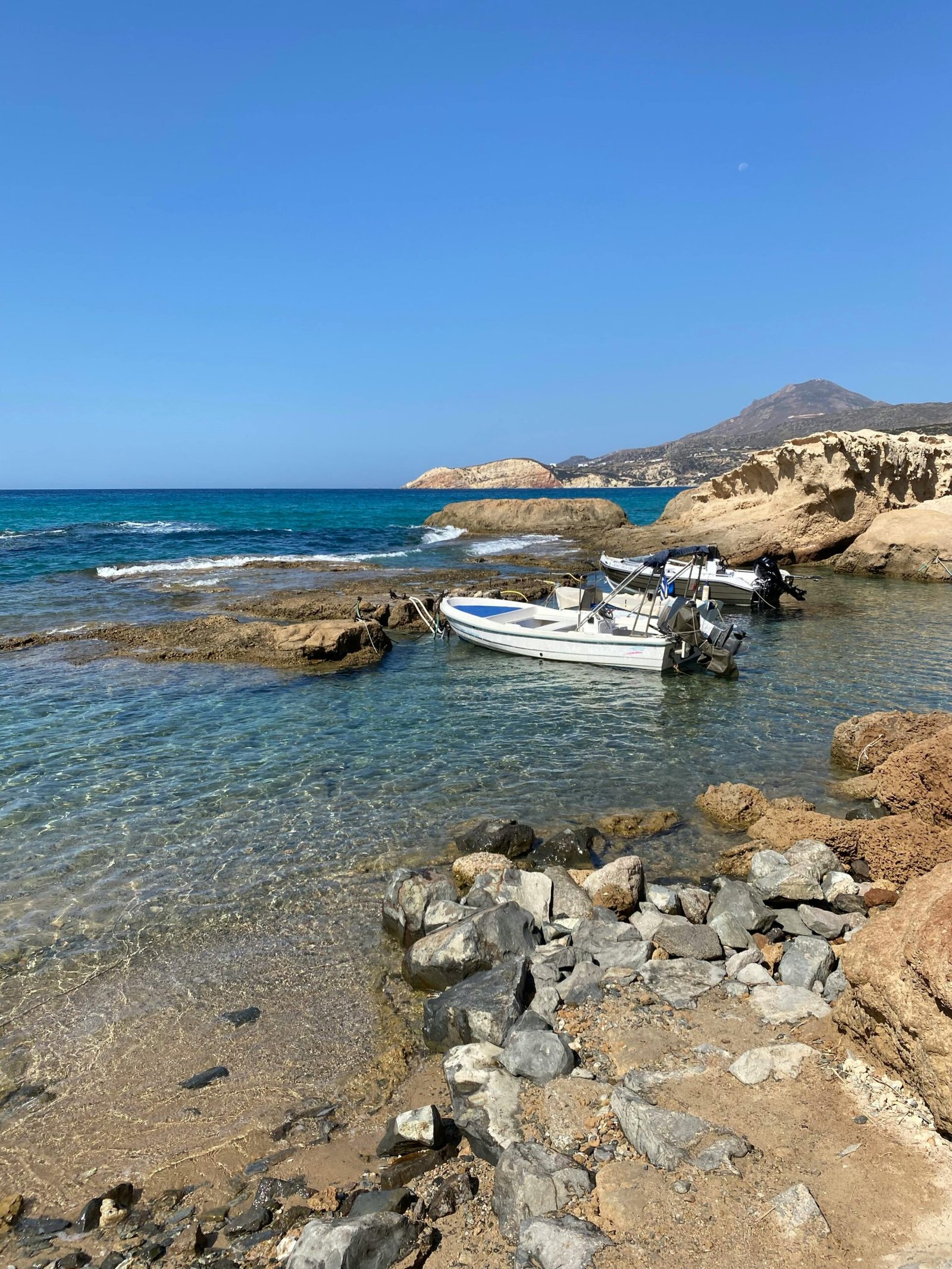
Crete Is Not One Island Trip — It’s Three Very Different Ones, and that is the first thing most travelers miss when they plan it like a single destination. The island looks straightforward on a map, but in practice the west, the center, and the east behave differently in pace, access, and the kind of trip they actually support.
The mistake is not wanting variety. The mistake is assuming you can treat Crete like a compact beach island and make it work with one base, one plan, and one set of expectations. That approach is exactly where trips get thin, rushed, or badly located.
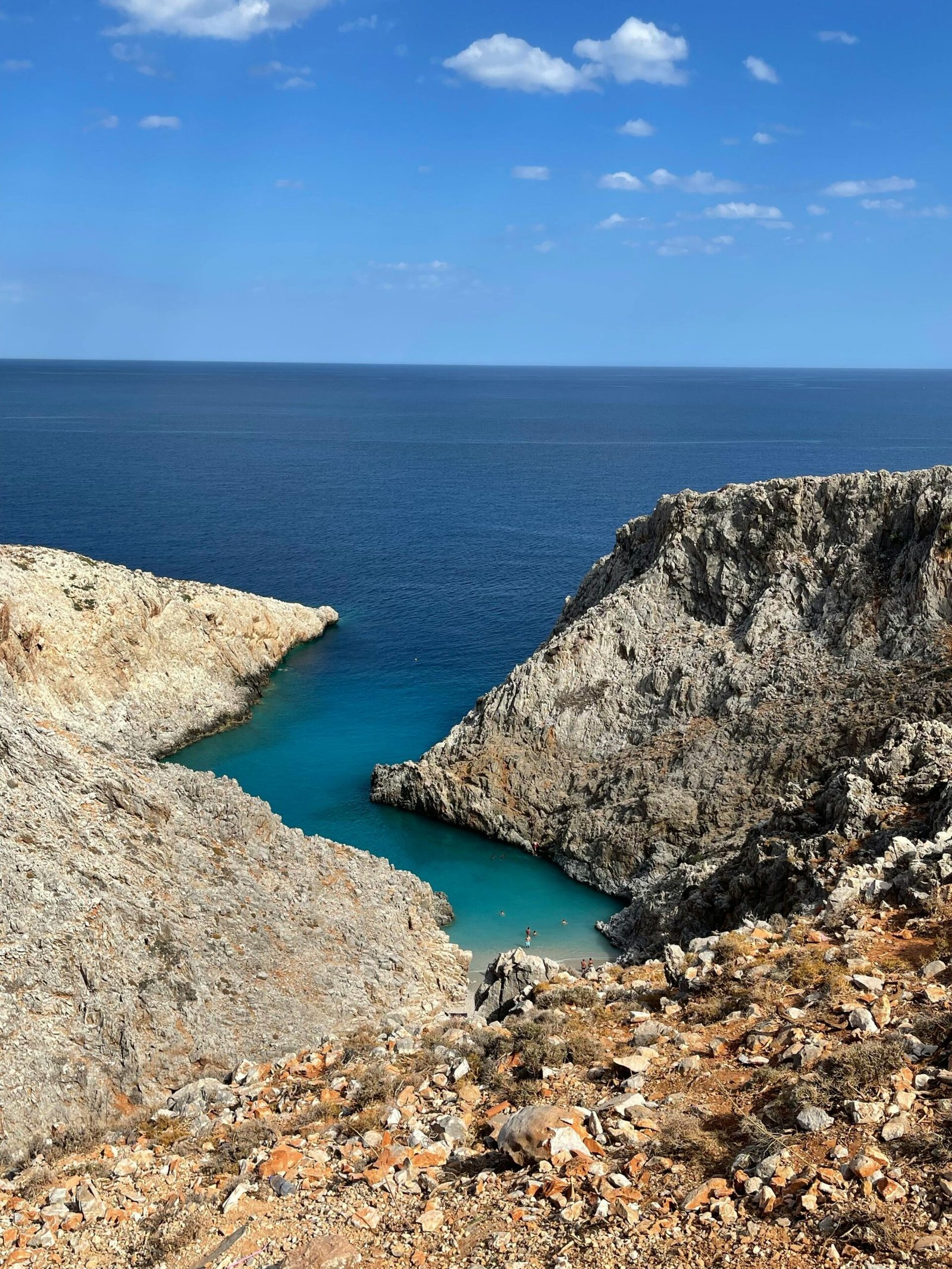
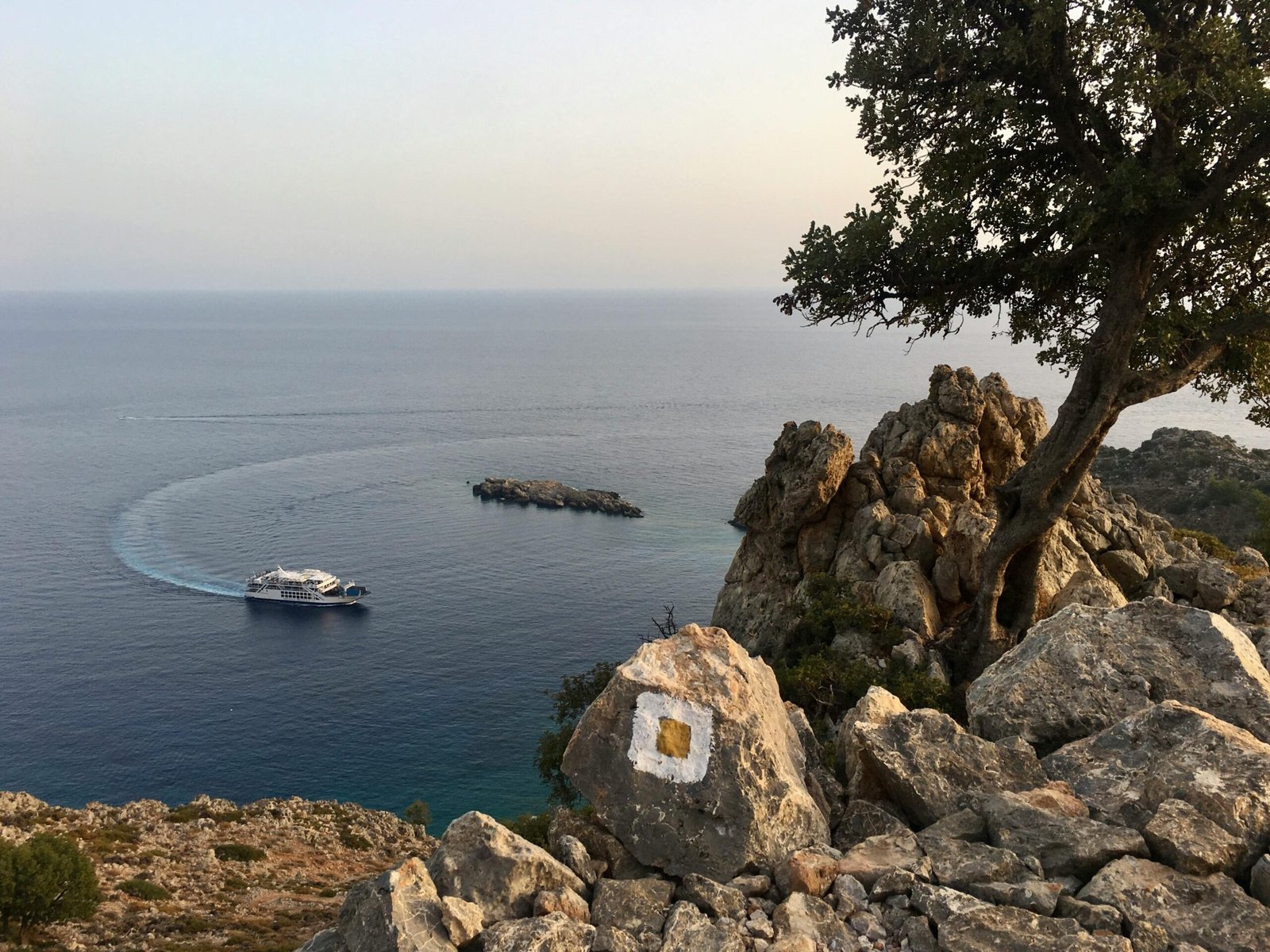
Crete Is Not One Island Trip — It’s Three Very Different Ones
If you want a clear answer, here it is: Crete is not one destination in practical terms. Crete Is Not One Island Trip — It’s Three Very Different Ones, and travelers who ignore that usually end up overcommitting to the wrong area and underusing the one they actually booked.
The island’s scale is the real issue, but scale alone is not the whole story. The west, around Chania and its surrounding districts, behaves one way; the Heraklion center behaves another; the east, especially toward Agios Nikolaos and Elounda, has its own logic. Treating them as interchangeable is a planning error, not a minor oversight.
Why Crete Is Not One Island Trip — It’s Three Very Different Ones
The west is where many first-time visitors feel the trip is easiest to understand. Chania Town, the Old Venetian Harbor, Platanias, and Kissamos all serve different traveler types, but they share a more polished visitor structure and more obvious appeal for people who want an easy first read on the island.
The center is more mixed and more useful than many glossy guides admit. Heraklion, Koutouloufari, Agios Nikolaos is not in the center geographically but often gets lumped into the same planning conversation, and the broader middle of the island is where culture, urban grit, and resort convenience collide. That is useful for some travelers and disappointing for others who expected a softer, more traditional feel.
The east is slower in a different way. Elounda, Plaka, and the Sitia side attract travelers who want a quieter, more controlled experience, but that calm comes with a narrower range of dining, nightlife, and spontaneous options. Crete Is Not One Island Trip — It’s Three Very Different Ones because each zone asks for a different style of trip, and one plan rarely fits all three well.
What travelers consistently get wrong
The first mistake is choosing accommodation by price or photos instead of by the area’s actual function. A place can look excellent and still be badly positioned for the kind of trip you want, especially if you care about walking access, calm evenings, or a more local atmosphere.
The second mistake is assuming that “beach base” means the same thing everywhere. In Crete, some beach areas are built for convenience and package-style ease, while others are more exposed, more seasonal, or simply not pleasant if you dislike a car-dependent feel. Travelers who ignore that usually end up paying for location they do not really use.
A third mistake is underestimating how much the island changes by season. In shoulder months, some places are practical and alive while others feel thin or partially shut down. In peak summer, the opposite problem appears: popular zones become crowded enough that a bad location choice becomes a daily annoyance rather than a small inconvenience.
Where the island actually splits for different traveler types
Chania works for travelers who want a strong first impression, better dining choice, and a base that feels easy to understand. It is not the best fit for people who want the quietest possible stay or who dislike busy waterfront areas in the evening.
Heraklion suits travelers who care more about museums, urban access, and using Crete as a serious cultural stop than as a soft resort escape. If you want a polished old-town atmosphere, this is not the part of Crete to force into that role.
Elounda and Plaka suit travelers who want a more controlled, upscale pace and are willing to trade variety for calm. Sitia, by contrast, is for people who actually mean it when they say they want the island to feel less packaged. That trade-off matters: you gain space and a more grounded atmosphere, and you give up convenience and breadth.
Koutouloufari and Agios Nikolaos often get recommended too casually, as if they are interchangeable with every other Cretan base. They are not. Koutouloufari works better for travelers who want a village feel near a busier center, while Agios Nikolaos suits people who want a more compact, easygoing town with a different rhythm from Chania or Heraklion.
The counterintuitive truth about Crete
The surprising part is that the “most convenient” base is not always the smartest one. Travelers often think the most central or most famous area will simplify the trip, but in Crete that can create more friction if the area does not match how they actually spend time.
A couple who wants quiet evenings and a slower breakfast culture can feel boxed in by a lively, highly walkable town center. A family that needs simple routines can get more value from a less obvious area with better spacing and less noise. Crete Is Not One Island Trip — It’s Three Very Different Ones, and the best choice is often the place that looks slightly less exciting on paper but works better in daily life.
Who this suits
This island suits travelers who like to choose a base with a purpose instead of chasing a checklist. It works well for couples, repeat Greece visitors, food-focused travelers, families who want a stable base, and people who care about local texture more than resort sameness.
It does not suit travelers who want one easy “best area” answer, or those who expect every part of the island to deliver the same experience. If you want a short, simple beach break with no planning thought, Crete can feel more demanding than expected.
- Best fit: couples, culture-led travelers, families with realistic expectations, and repeat visitors who want a more layered stay.
- Poor fit: first-timers who want one neat base for everything, party-first travelers, and people who hate making trade-offs.
What you gain, and what you give up
If you plan Crete well, you gain range. You can have a trip that feels more personal, more specific, and less generic than the usual Greek island formula. You also gain the chance to match your base to your real priorities instead of pretending one area can do everything.
What you give up is the fantasy of simplicity. Crete asks for decisions, and weak decisions show up quickly in the form of awkward location choices, wasted time, or a trip that feels busier than it should. That is why generic planning collapses here more often than people expect.
For travelers who want to understand the island properly, the official tourism material at
visitgreece.gr is a useful starting point, but it will not tell you which area actually fits your style. That is the gap expert planning fills: not more information, but better filtering.
How to think about Crete before you book
Start by deciding what kind of trip you want Crete to be, not what you want to see on it. If your priority is food, walkability, and a lively but manageable base, the west usually deserves attention. If your priority is culture and a more urban feel, the center makes more sense. If your priority is calm and a more restrained pace, the east is usually the better match.
One practical consequence of getting this wrong is simple: you can end up spending your days compensating for a poor base instead of enjoying the island. That usually means more backtracking, more frustration, and less time actually using the place you paid for. Crete Is Not One Island Trip — It’s Three Very Different Ones, and the smartest travelers plan for that from the start.
For travelers who want to pair the island with serious cultural context, the Ministry of Culture resources at culture.gov.gr/en/ are worth checking before finalizing a trip that includes archaeological or heritage-focused stops. That kind of context matters here because Crete is not just beaches and resorts; it is a large, layered island where the wrong assumption costs real time.
Greece rewards travelers who arrive with a plan built around how they actually travel — not a generic template. The difference between a frustrating trip and a remarkable one often comes down to sequence, timing, and knowing which trade-offs matter for your situation.
Recommended experiences
Some experiences mentioned here are curated and managed by Elite Greece Travels.
- 5 Days Trip From Athens To Crete — Itinerary (managed by Elite Greece Travels).
- Best Of Greece Athens Paros Crete 7 Day Itinerary 6 Nights — Itinerary (managed by Elite Greece Travels).
- Athens Mykonos Santorini Crete Itinerary 9 Days — Itinerary (managed by Elite Greece Travels).
Frequently asked questions
Is Crete better as one base or multiple bases?
For many travelers, one well-chosen base is enough. The mistake is picking the wrong base and expecting it to behave like the whole island. Multiple bases only make sense if your trip is long enough to justify the change and you know exactly what each area is for.
What is the biggest planning mistake people make in Crete?
They choose the most famous area instead of the area that fits their travel style. That usually leads to noise, awkward pacing, or a base that looks good online but feels wrong in daily use.
Which part of Crete is best for first-time visitors?
The west is usually the easiest first read for first-time visitors, especially if they want a strong mix of dining, atmosphere, and accessible visitor infrastructure. It is not automatically the best choice for everyone, but it is the most straightforward for many people.
Which part of Crete feels the quietest?
The east generally feels calmer, especially around Elounda, Plaka, and Sitia. That calm comes with fewer options, so travelers need to be comfortable with a more contained experience.
Is Crete good for travelers who do not want to move around much?
Yes, but only if the base is chosen carefully. Crete can work very well as a stay-put island, yet a bad location choice makes that style of trip feel limited fast.
Why does generic planning fail in Crete?
Because the island behaves like several different destinations, not one uniform one. A generic plan ignores regional differences in atmosphere, convenience, and traveler fit, which is where most problems start.