

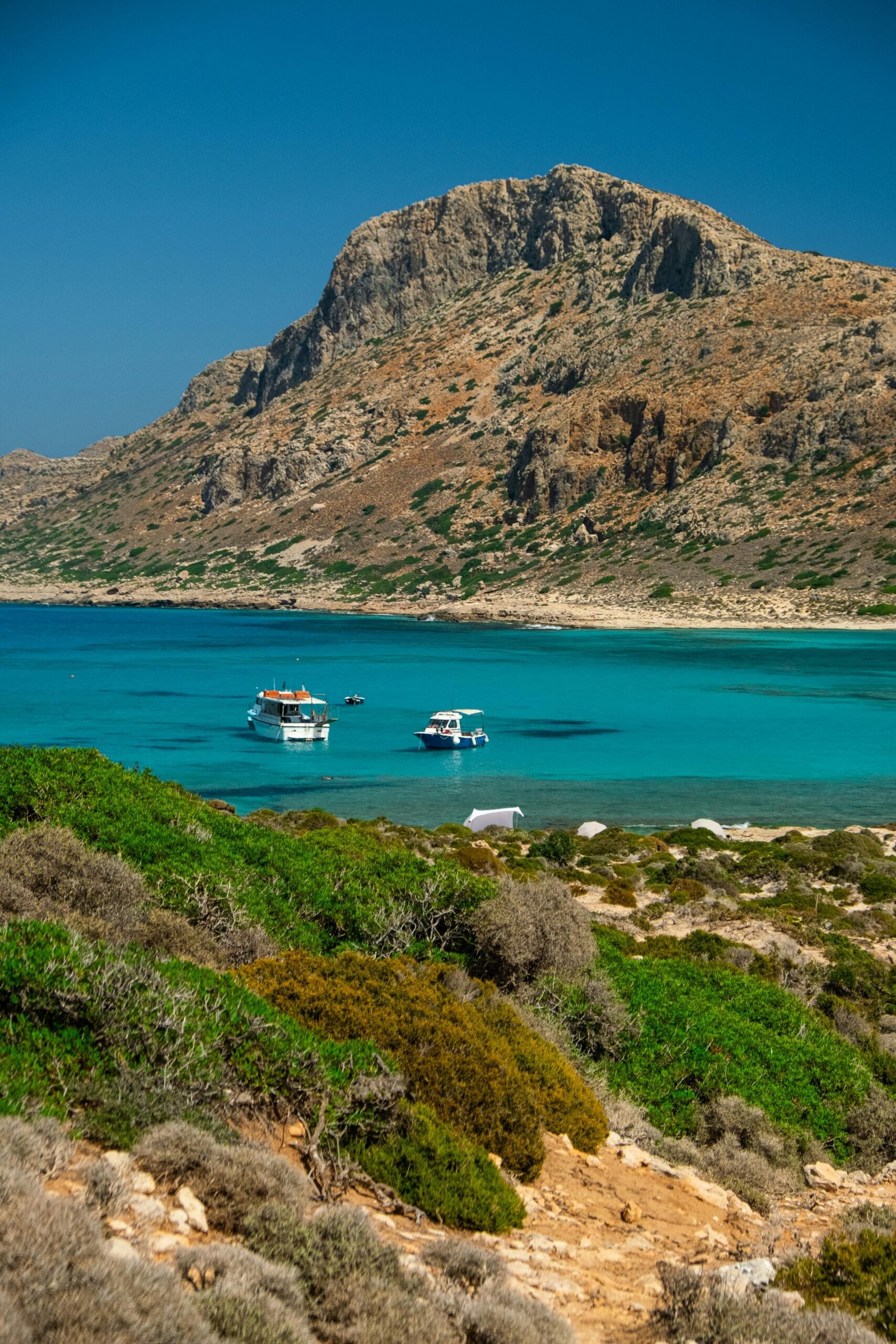
Crete Is Not One Trip: The Island That Breaks Bad Itineraries is the simplest honest answer to a question many travelers ask too late. Crete is big enough, varied enough, and slow enough in places that a rushed plan usually produces a frustrating trip, not an efficient one.
If you try to treat Crete like a compact island, you will spend too much time moving and too little time actually seeing anything. The island works best when you accept that different parts of Crete feel like different destinations, not one neat package.
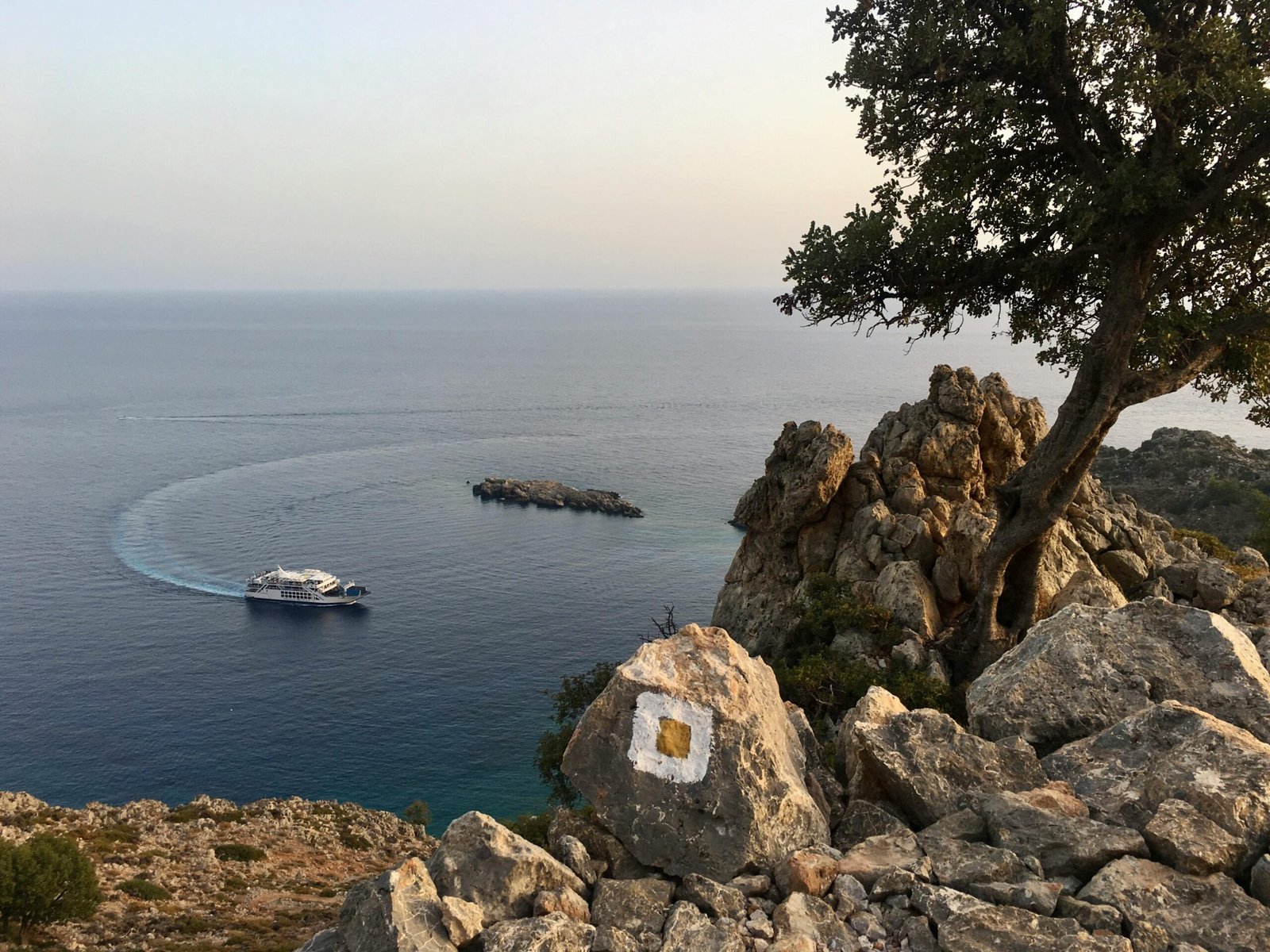
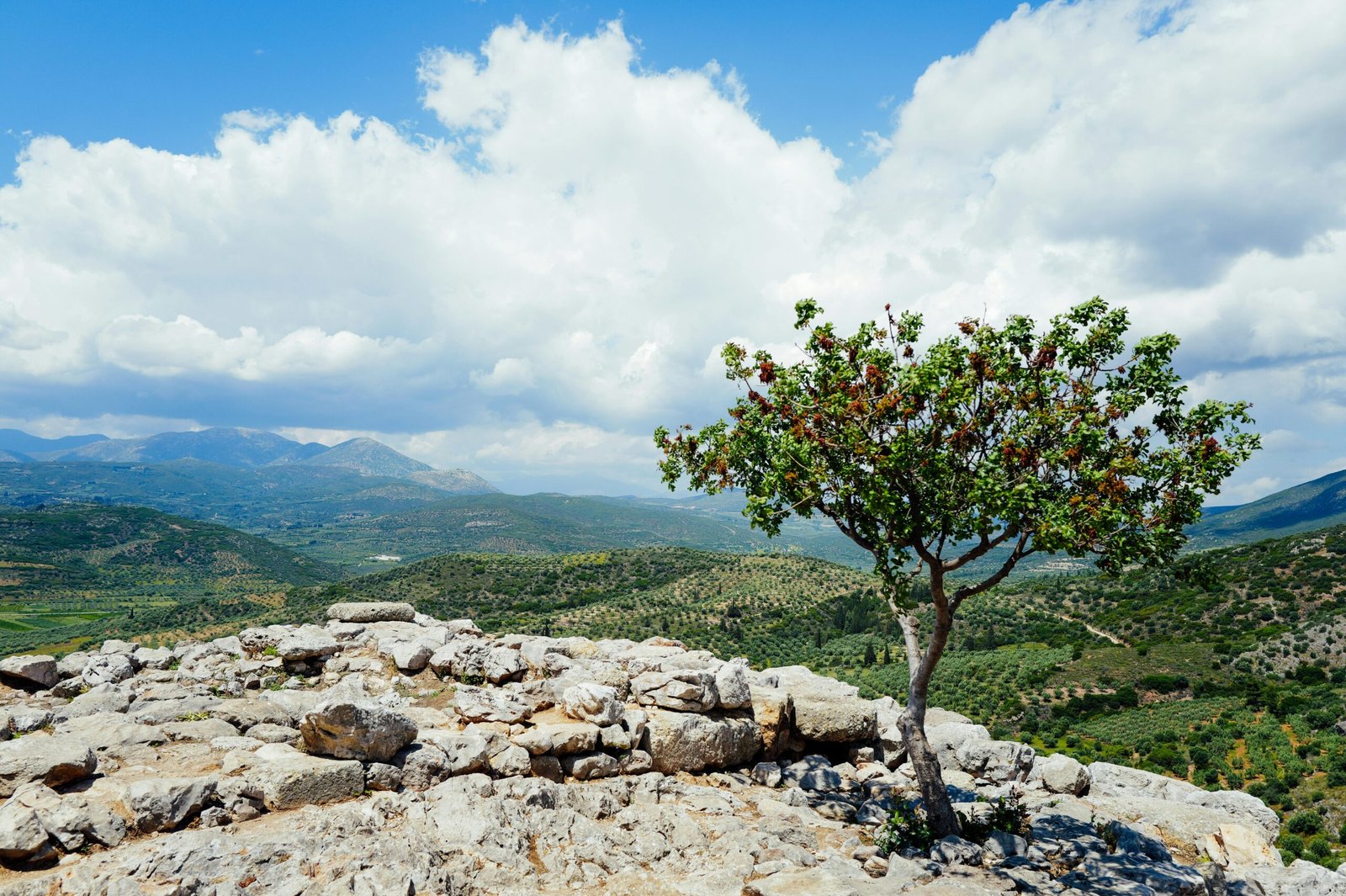
Crete Is Not One Trip: The Island That Breaks Bad Itineraries
Why Crete breaks rushed plans
Crete is not difficult because it lacks things to do. It is difficult because travelers underestimate scale, road time, and the way the island’s regions pull in different directions. A plan that looks efficient on a map can become a day of transfers, fatigue, and half-seen places.
Most travelers assume Crete is a single island experience with one clear center. Actually, western Crete, central Crete, eastern Crete, and the south coast can feel like separate trips. That is why Crete Is Not One Trip: The Island That Breaks Bad Itineraries is not a slogan; it is a planning reality.
The biggest mistake is trying to “cover” Crete. Coverage is the wrong goal here. If you chase too many bases or too many famous names, you end up with long road days, rushed meals, and the sense that the island was more work than reward.
When Crete is the right choice
Choose Crete if you want range: serious archaeology, mountain villages, beach time, good food, and enough size to avoid feeling boxed in. It suits travelers who are comfortable choosing a region and living with the fact that they will miss other regions this time.
It also works for people who want a trip with texture, not just a resort stay. Crete rewards travelers who arrive with a plan, but only when that plan is narrow enough to be realistic. If you want one island that can support a layered, slower trip, this is one of the strongest options in Greece.
For official background on cultural sites and preservation, use the Ministry of Culture’s resources at culture.gov.gr/en. That matters because Crete’s value is not just beaches; the island has depth, and you should not reduce it to a coastline checklist.
When Crete is the wrong choice
Crete is the wrong choice if you want a short, easy, low-decision island break. It is also the wrong choice if you expect to see the whole island in a few days without sacrificing comfort. That version of the trip almost always turns into transit, not travel.
I take a clear position here: if you have very limited time and want a simple island experience, do not force Crete into that role. Pick a smaller island or commit to one region of Crete only. Trying to “do Crete” in a hurry is how people leave disappointed and blame the island for their own overreach.
Another common failure is mixing too many priorities at once: one beach day, one ancient site, one mountain village, one food tour, one scenic drive. That list sounds balanced. In practice, it creates a fragmented trip where nothing gets enough time to feel worthwhile.
The trade-off matrix travelers ignore
First-time visitor: Best if you choose one region and stop there. Worst if you want a grand loop of the island. The first-timer mistake is assuming the main problem is “what to see,” when the real problem is pace.
Couple on a short trip: Crete can work, but only if you accept a tighter scope. If you want easy movement and a relaxed rhythm, the island’s scale will fight you. If you want variety and are fine skipping parts of the island, it can be strong.
Family travelers: Crete is practical when you keep the plan simple and local. It becomes draining when you keep changing bases or expect short hops to feel short. Children feel road time more than adults do, and parents underestimate that repeatedly.
Beach-focused travelers: Crete is excellent if you choose the right coast and resist overplanning. If you try to pair beach time with too many inland detours, you lose the very thing you came for.
History-focused travelers: This is one of Greece’s strongest islands for you, but only if you understand that major sites are not clustered in one easy line. You need focus, not ambition.
- Spring and early autumn: Better for moving around, but still not a reason to overpack the itinerary.
- High summer: Better for beaches, worse for patience, parking, and energy.
- Slow travel style: Crete is a strong fit.
- Fast-hit travel style: Crete is usually a mismatch.
What most travelers assume, but actually gets them into trouble
Most travelers assume that because Crete is on one island, the distances must be manageable in the same way they are on smaller Greek islands. Actually, the island’s size changes the whole planning equation. A “simple” day can become a long one once you account for roads, stops, and the fact that you cannot treat the island like a compact city break.
This is the part people underestimate: the wasted day is not usually caused by one dramatic mistake. It is caused by five small ones — too many bases, too many goals, too much confidence, and too little respect for scale. Crete Is Not One Trip: The Island That Breaks Bad Itineraries because bad itineraries collapse under their own ambition.
If you want a broader sense of how Greece structures destinations and seasons, start with
visitgreece.gr. But do not mistake general Greece guidance for Crete-specific reality; this island needs its own logic.
Clear guidance for common traveler scenarios
If you have 3 to 5 days, choose one area and stay disciplined. If you try to split the island, you will mostly collect transfer time and stress. If you have 7 to 10 days, Crete becomes much more rewarding because you can actually absorb one region without pretending to see all of it.
If you are deciding between Crete and a smaller island, ask yourself one question: do you want range or simplicity? Crete is for range. Smaller islands are for ease. Mixing up those goals is where travelers make expensive mistakes in time and expectations.
If you already know you want beaches, food, and cultural depth in one place, Crete is a strong choice. If you want a tidy island that can be “done” quickly, it is not. That is the real decision.
Conclusion
Crete is one of the best islands in Greece for travelers who understand what they are choosing. It is also one of the easiest islands to misread, because the island’s size and variety punish vague planning. Crete Is Not One Trip: The Island That Breaks Bad Itineraries is the right frame if you want a trip that feels coherent instead of crowded.
The right answer depends on how you actually travel — your pace, your priorities, and what you’re willing to trade off. If you’re not sure which option fits, that uncertainty is itself useful information.
Frequently asked questions
Is Crete too big to visit on one trip?
Not if you define the trip properly. Crete is too big to treat as one compact, all-in island loop. It works when you choose one region or accept that you will not see everything.
How many days do you need in Crete?
Fewer than you think if your goal is only one region, and more than you think if your goal is to see several parts of the island. Short trips work best when they stay narrow. Rushing across the island creates wasted time.
What is the biggest mistake travelers make in Crete?
Trying to see too much. The most common error is packing the itinerary with beaches, sites, villages, and multiple bases. That usually leads to long road days and shallow experiences.
Is Crete good for a first trip to Greece?
Yes, but only for travelers who are comfortable with a larger, less tidy destination. If you want a simple first Greece trip, Crete can feel like too much. If you want variety and can plan carefully, it is a strong first choice.
Should I stay in one place or move around Crete?
For most travelers, one base or a very limited number of bases is the smarter choice. More movement sounds efficient but usually costs time and energy. Moving around only helps if you have enough days to justify it.
What type of traveler should avoid Crete?
Travelers who want a short, easy, low-effort island break should usually look elsewhere. Crete is not hard in a dramatic sense, but it is too large to fit a quick, casual plan without compromise.