

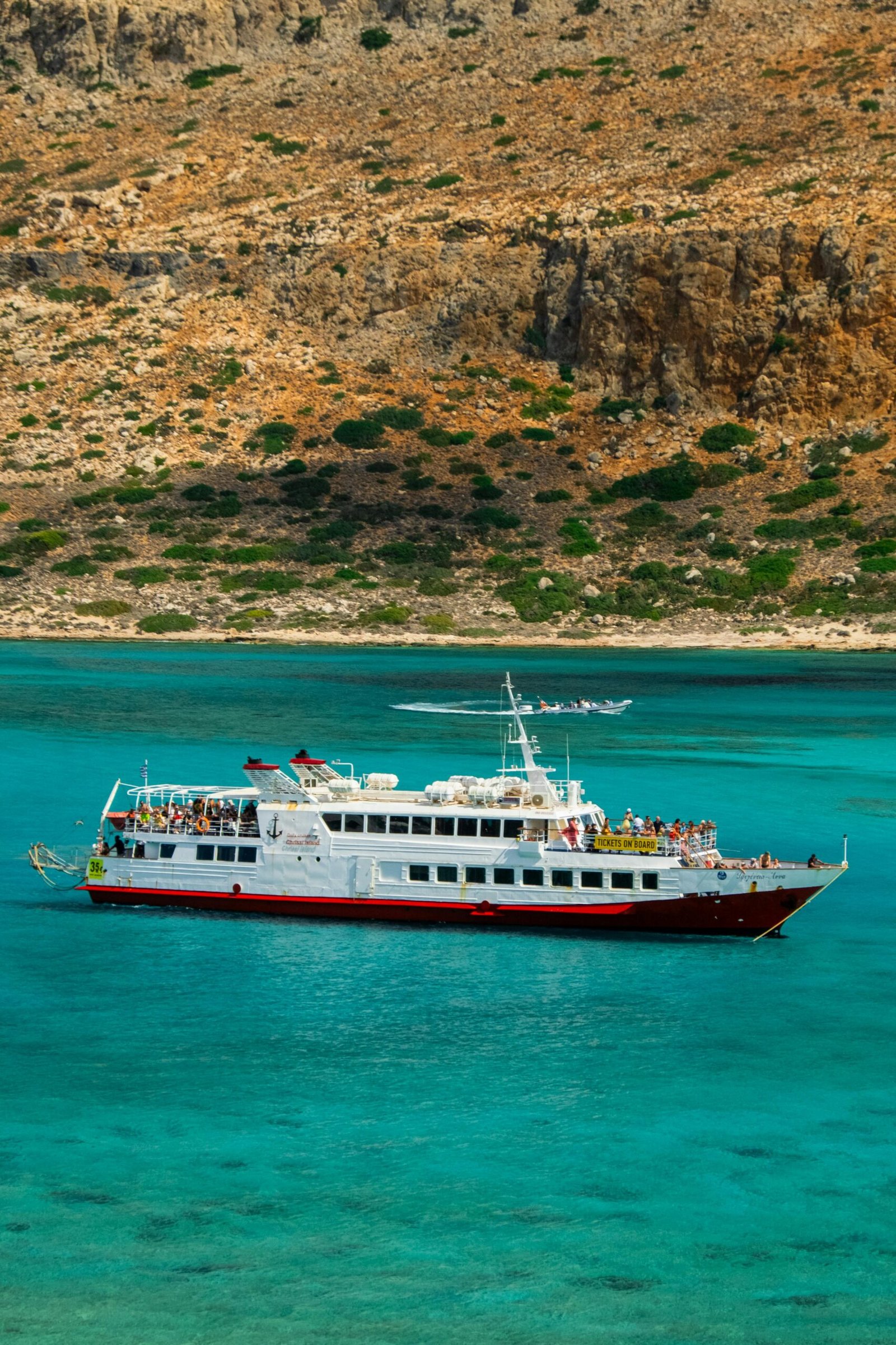
Crete Is Not One Trip: Why It Needs a Smarter Plan Than Most Islands is not a slogan — it is the basic planning truth most first-time visitors miss. Crete is too large, too varied, and too regionally distinct to treat as a single beach holiday. People who plan it like Mykonos or Naxos usually under-see the island and overpay for the wrong base.
The mistake is simple: they choose one area, expect one mood, and then wonder why the island feels scattered. Crete asks for sharper decisions about region, pace, and traveler type. If you get those wrong, the trip becomes a string of long transfers, mediocre beach days, and one or two overbooked nights in the wrong place.

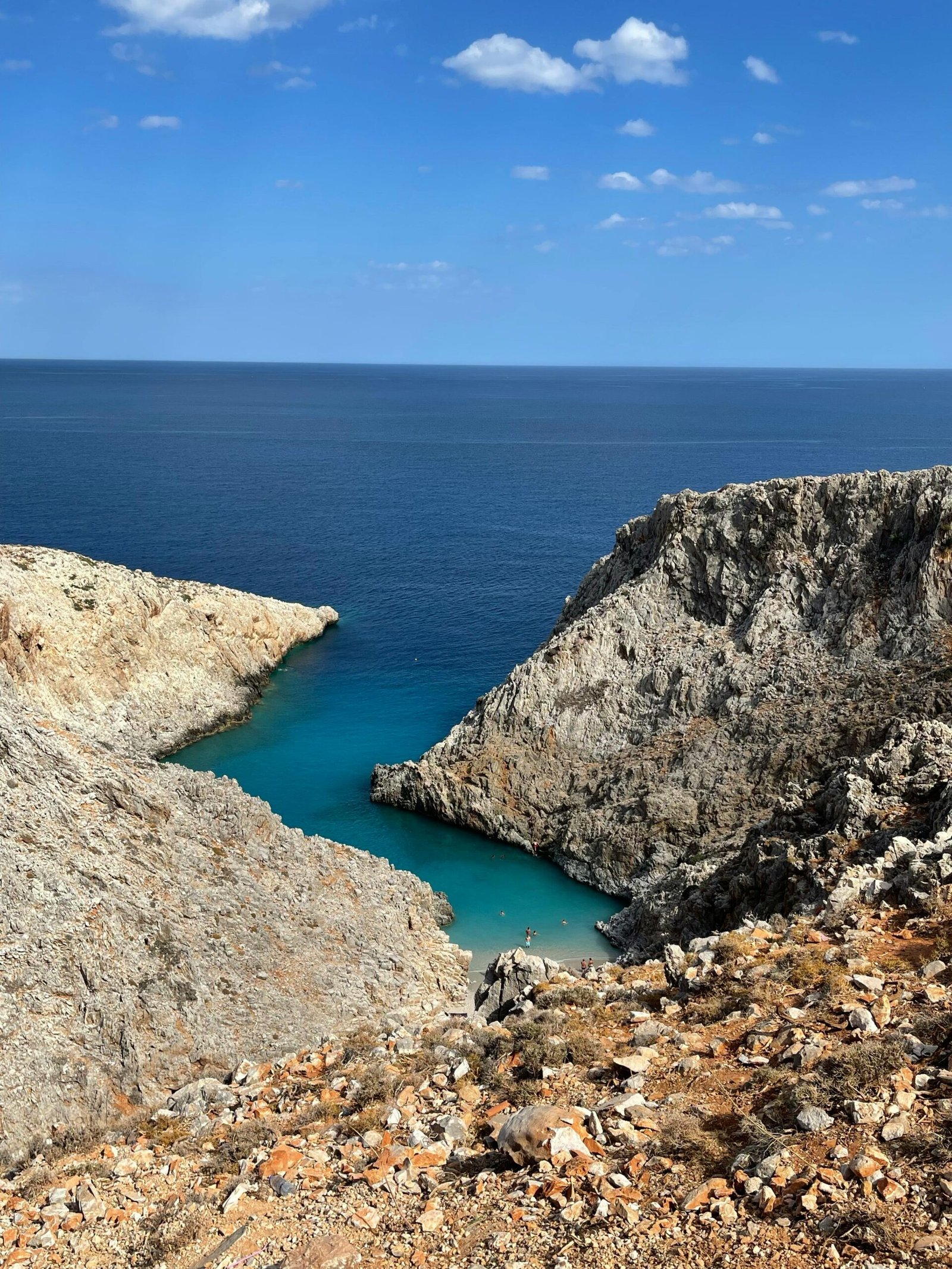
Crete Is Not One Trip: Why It Needs a Smarter Plan Than Most Islands
Crete is not a compact island where you can stay anywhere and assume the rest will sort itself out. It has real regional differences in landscape, food, atmosphere, and the kind of traveler each area suits. That is why Crete Is Not One Trip: Why It Needs a Smarter Plan Than Most Islands is the right way to think about it from the start.
I take a clear position here: if you want a relaxed beach week and you are not interested in moving around, Crete can still work, but you need to choose your area carefully. If you want to see the island properly, you need to stop thinking in terms of “the best beach” and start thinking in terms of “the right region for the trip I actually want.” That is the difference between a good Crete trip and a frustrating one.
Crete Is Not One Trip: Why It Needs a Smarter Plan Than Most Islands
The biggest planning error is assuming Crete behaves like a smaller island with one center of gravity. It does not. Chania, Rethymno, Heraklion, Elounda, and the southern coast each serve a different kind of traveler, and the wrong base can flatten the whole experience.
Another common mistake is treating beaches as if they all deliver the same result. In Crete, a sandy family beach, a polished resort stretch, and a more rugged southern shoreline are not interchangeable. Travelers who ignore that usually end up disappointed because they booked for a photo, not for the kind of day they actually wanted.
What travelers consistently get wrong
The first mistake is overestimating how much of Crete they can “cover” in one stay. The island is large enough that trying to sample everything creates a shallow trip with too many compromises. You end up spending money on a premium island and experiencing it like a rushed checklist.
The second mistake is choosing a base for the wrong reason. People book the prettiest old town or the most famous resort area, then discover that the place they chose does not match their energy level. A family with young children, a couple looking for a polished base, and a traveler who wants to explore inland villages should not all land in the same neighborhood and expect equal results.
The third mistake is underestimating seasonality. Crete is not a one-note summer island. In peak months, the most popular coastal zones can feel busy and expensive, while shoulder season changes the whole rhythm of the island in ways that some travelers love and others absolutely do not.
Where Crete actually makes sense: the places that matter
Chania suits travelers who want atmosphere, good dining, and a polished base with enough movement to keep the trip interesting. It is one of the best choices for a first Crete trip, but it is also one of the most overselected, which means the best properties go early and the center can feel crowded in peak season.
Rethymno is often overlooked by travelers who only know the headline names, and that is a mistake. It offers a more balanced feel than some other major bases, with enough urban structure to be convenient and enough character to avoid feeling generic.
Heraklion is practical, not romantic, and that matters. It works for travelers who care more about access, museums, and the island’s central position than about postcard aesthetics. If you want a soft-focus beach holiday, this is usually not the base to prioritize.
Elounda is for travelers who want a more upscale, resort-forward experience. It is clean, controlled, and easier to manage than many parts of the island, but that orderliness comes with a trade-off: you are buying comfort and predictability, not a broad sense of Crete’s range.
Agios Nikolaos appeals to travelers who like a livelier town feel without the intensity of the biggest hubs. It can work well for people who want a mix of dining, waterfront time, and a base that feels active without being chaotic.
South Crete is for travelers who want a more rugged, less packaged version of the island. It rewards patience and a lower-maintenance mindset. If you want polished convenience everywhere, this is not the part of Crete to force into your plan.
The counterintuitive truth about Crete
Here is the part most people do not expect: the “best” Crete trip is often not the one with the most famous beach time. It is the one that gives you fewer bases, a clearer regional focus, and enough time to actually absorb the differences between them. Travelers who chase variety too aggressively often see less of the island, not more.
That is why Crete Is Not One Trip: Why It Needs a Smarter Plan Than Most Islands is more than a headline. It is a warning against trying to make one island do the work of three different destinations. Crete can be elegant, rustic, family-friendly, upscale, or deeply local, but not all in the same way, and not all in one short stay.
Who this suits
Crete suits travelers who like a destination with range and do not need every day to feel identical. It is a strong fit for couples, families, repeat Greece visitors, food-focused travelers, and people who want both beach time and a real sense of place. It also suits travelers who are comfortable making a few deliberate choices instead of expecting the island to simplify itself for them.
- Best fit: couples who want a polished base with local character
- Best fit: families who need space, services, and a beach-first rhythm
- Best fit: experienced Greece travelers who want more than one mood in a single destination
- Poor fit: travelers who want one compact town and zero planning decisions
- Poor fit: people who dislike long, slow, or regionally varied travel days
- Poor fit: anyone expecting a uniform resort island
Crete is a weaker choice for travelers who want a tiny island with everything immediately close together. It is also not ideal for people who get frustrated when a destination asks them to think about region, season, and style before booking. Those travelers usually prefer a smaller Cycladic island and should be honest about that.
What you gain, and what you give up
The main gain is depth. Crete gives you more food variety, more landscape range, more town styles, and more room to build a trip around your actual interests. That is rare in Greece, and it is the reason so many experienced travelers return.
The trade-off is simplicity. Crete asks for better judgment at the planning stage, and bad judgment shows up fast in the form of the wrong base, the wrong season, or a trip that feels longer and more fragmented than it should. If you want a destination that does all the thinking for you, this is not that island.
If you want to understand the island’s cultural weight as well as its travel appeal, start with the basics of Greek heritage and regional context through the Ministry of Culture and Sports. That matters more here than it does on many smaller islands because Crete’s identity is not just coastal — it is historical, inland, and deeply regional.
For a broader sense of how Crete fits into the national travel picture,
Visit Greece is useful as a starting point, but do not stop there. The island is too large and too segmented to be planned from generic national messaging alone.
Conclusion
Crete is one of Greece’s most rewarding islands, but only when the plan matches the traveler. The people who struggle here are usually the ones who try to flatten it into a simple beach holiday and then wonder why the trip feels off. The people who do it well choose a region for a reason, accept the trade-offs, and stop pretending every part of the island serves the same purpose.
Greece rewards travelers who arrive with a plan built around how they actually travel — not a generic template. The difference between a frustrating trip and a remarkable one often comes down to sequence, timing, and knowing which trade-offs matter for your situation.
Recommended experiences
Some experiences mentioned here are curated and managed by Elite Greece Travels.
- Best Of Greece Athens Paros Crete 7 Day Itinerary 6 Nights — Itinerary (managed by Elite Greece Travels).
- Athens Mykonos Santorini Crete Itinerary 9 Days — Itinerary (managed by Elite Greece Travels).
- Athens Santorini Crete Itinerary 7 Days — Itinerary (managed by Elite Greece Travels).
Frequently asked questions
Is Crete better for one base or multiple bases?
For many travelers, one well-chosen base is enough. Multiple bases can work, but only when the trip is long enough to justify the added complexity. Short trips usually suffer when people move too much.
What is the biggest mistake first-time visitors make in Crete?
They choose a famous area without matching it to their travel style. A pretty old town, a resort zone, and a practical central base each solve different problems. Picking the wrong one creates avoidable friction.
Which part of Crete is best for a first trip?
Chania is often the easiest first choice for travelers who want atmosphere and good dining. Rethymno can be a smarter alternative for people who want a more balanced, less overbooked feel.
Is Crete good for beach-only holidays?
Yes, but only if you choose the right area and accept that the island is not uniform. Some parts are far better for beach-first travel than others, and the wrong base can make the trip feel more complicated than it should be.
When is the worst time to plan Crete badly?
Peak summer is when bad planning becomes most expensive and most obvious. The wrong area or wrong accommodation style is harder to fix when demand is high and the island is busy.
Who should skip Crete?
Travelers who want a very small, simple island with minimal decision-making may be happier elsewhere. Crete is better for people who want variety and are willing to plan around it.