

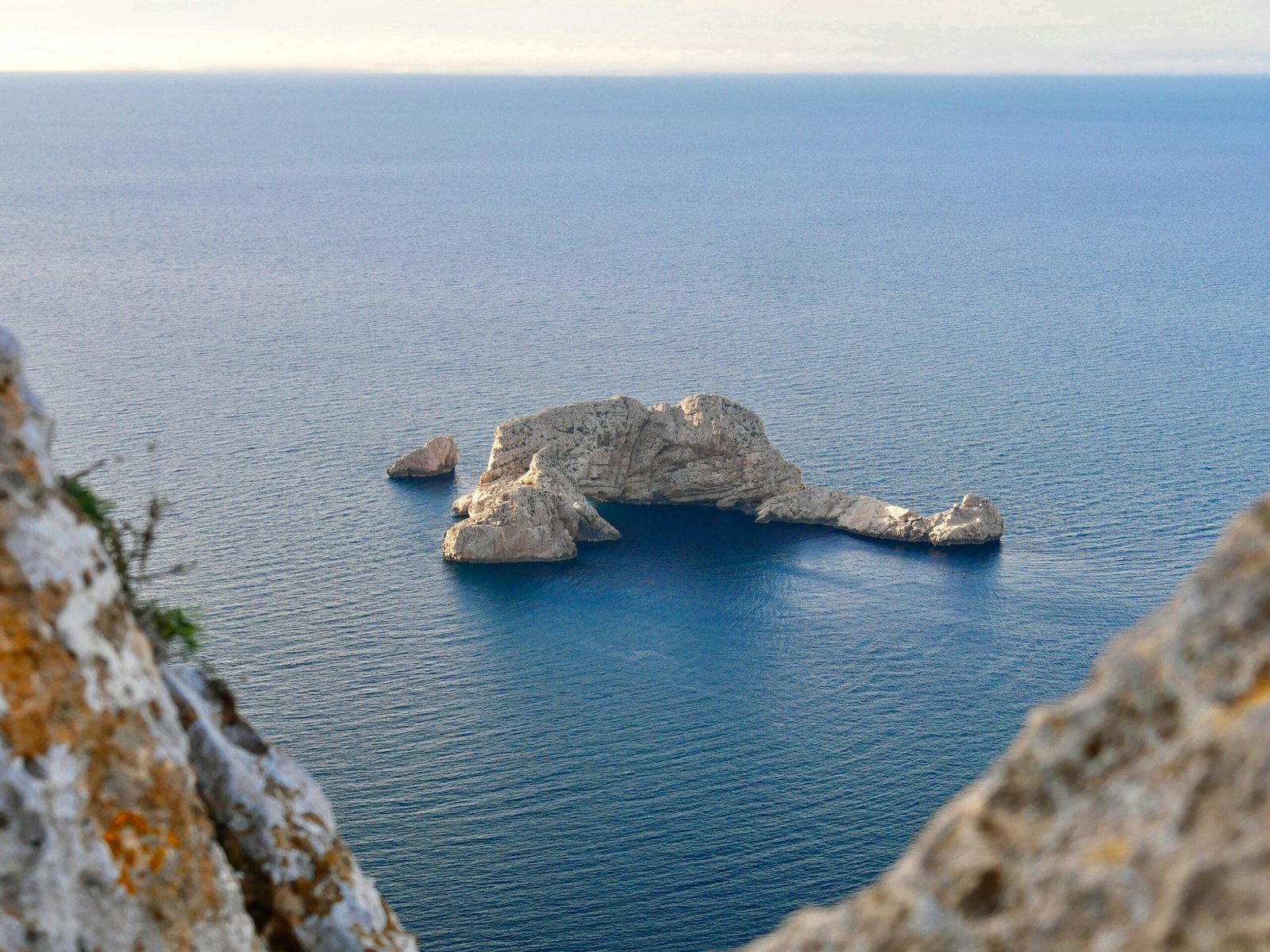
Milos in Summer Is Gorgeous — and Harder Than People Expect, and that gap between image and reality is where most trip mistakes start. People see the colors, the coves, the boat photos, and assume the island will feel easy to move around. In peak season, Milos is still worth it, but it is not a low-friction island.
The problem is not that Milos is difficult in the abstract. The problem is that its beauty concentrates demand into a small number of places, at specific times, with less room for improvisation than most travelers expect. If you arrive assuming you can decide everything day by day, you will feel the pressure quickly.
Milos in Summer Is Gorgeous — and Harder Than People Expect
Why Milos in Summer Is Gorgeous — and Harder Than People Expect
Milos in Summer Is Gorgeous — and Harder Than People Expect because the island delivers the kind of coastline people remember for years. But the same summer conditions that make it attractive also expose its limits: fewer easy last-minute options, tighter availability, and a lot more dependence on timing than the glossy content suggests.
This is not a place where you can casually “figure it out” after arrival and still get the best version of the island. In July and August, the margin for error shrinks fast, especially if your group has mixed expectations about pace, comfort, or how much effort you want to spend getting around.
The island is small, but that does not make it simple
People see a small Cycladic island and assume movement will be straightforward. Milos is compact in the sense that it is not large, but its road network, beach access, and scattered settlement pattern create a very different reality. Pollonia, Adamas, Plaka, Tripiti, and the southern coast all serve different purposes, and staying in the wrong one for your style of trip can make everything feel more cumbersome than it should.
The mistake I see constantly is travelers choosing accommodation based on photos, then discovering they have prioritized atmosphere over practicality. A place that looks “central” on a map can still be inconvenient if you are trying to split time between dinner, beaches, and boat excursions. That friction adds up quickly in the heat.
Beach access is not the same as beach ease
Milos is famous for beaches like Sarakiniko, Firiplaka, Tsigrado, and Kleftiko, but fame creates its own operational problems. Sarakiniko is especially unforgiving in summer because people arrive in waves, linger longer than expected, and underestimate how exposed it feels in full sun. Tsigrado has a reputation that sounds adventurous until travelers realize that “access” can mean actual physical effort, not just a scenic approach.
What surprises many visitors is that the island’s best-looking places can be the least comfortable when crowded. Parking stress, heat, and limited shade turn a short visit into a more draining experience than the photos imply. That is the counterintuitive truth of Milos: the more iconic the spot, the less relaxed it often feels in peak season.
Boat days are a highlight — and a common source of disappointment
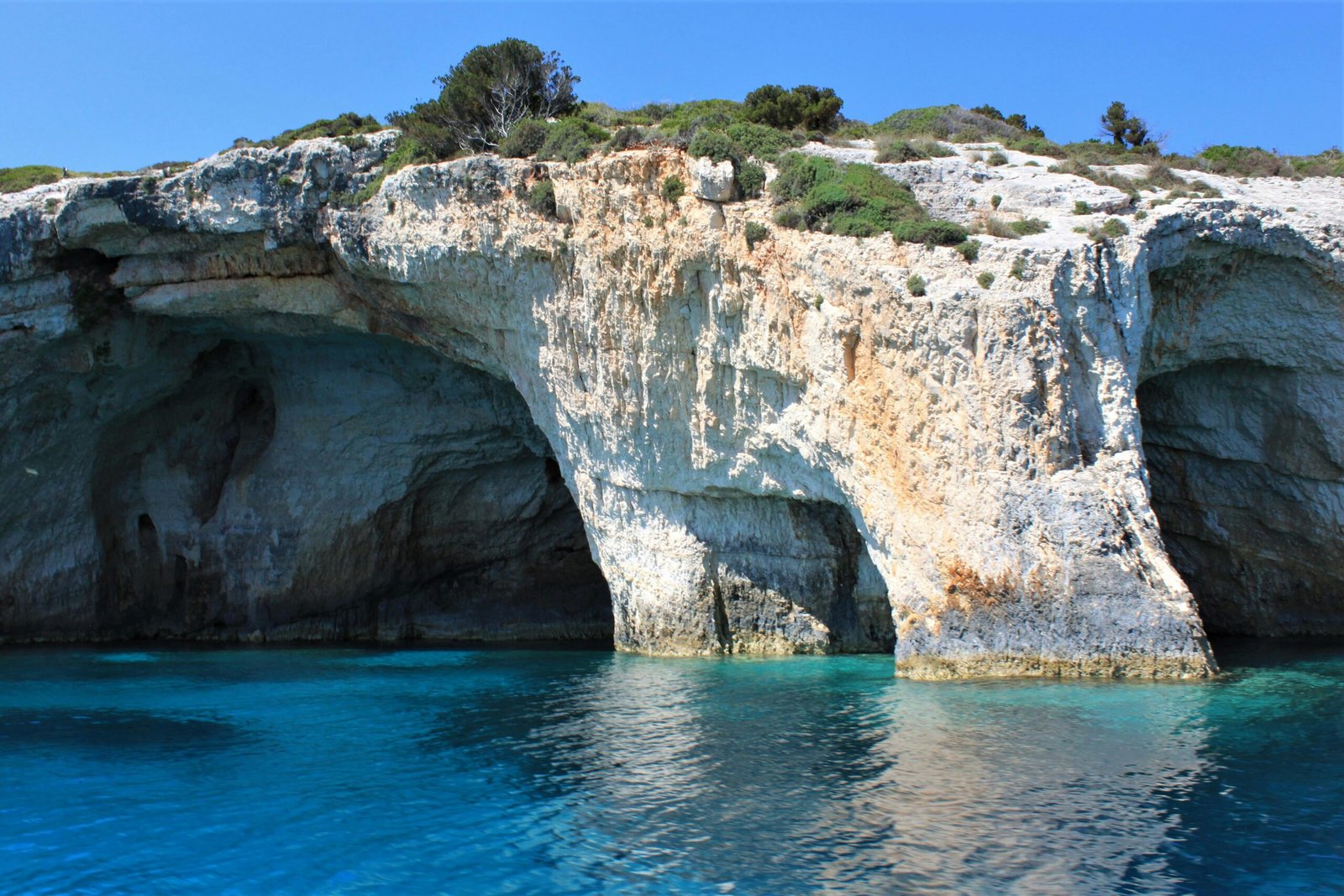
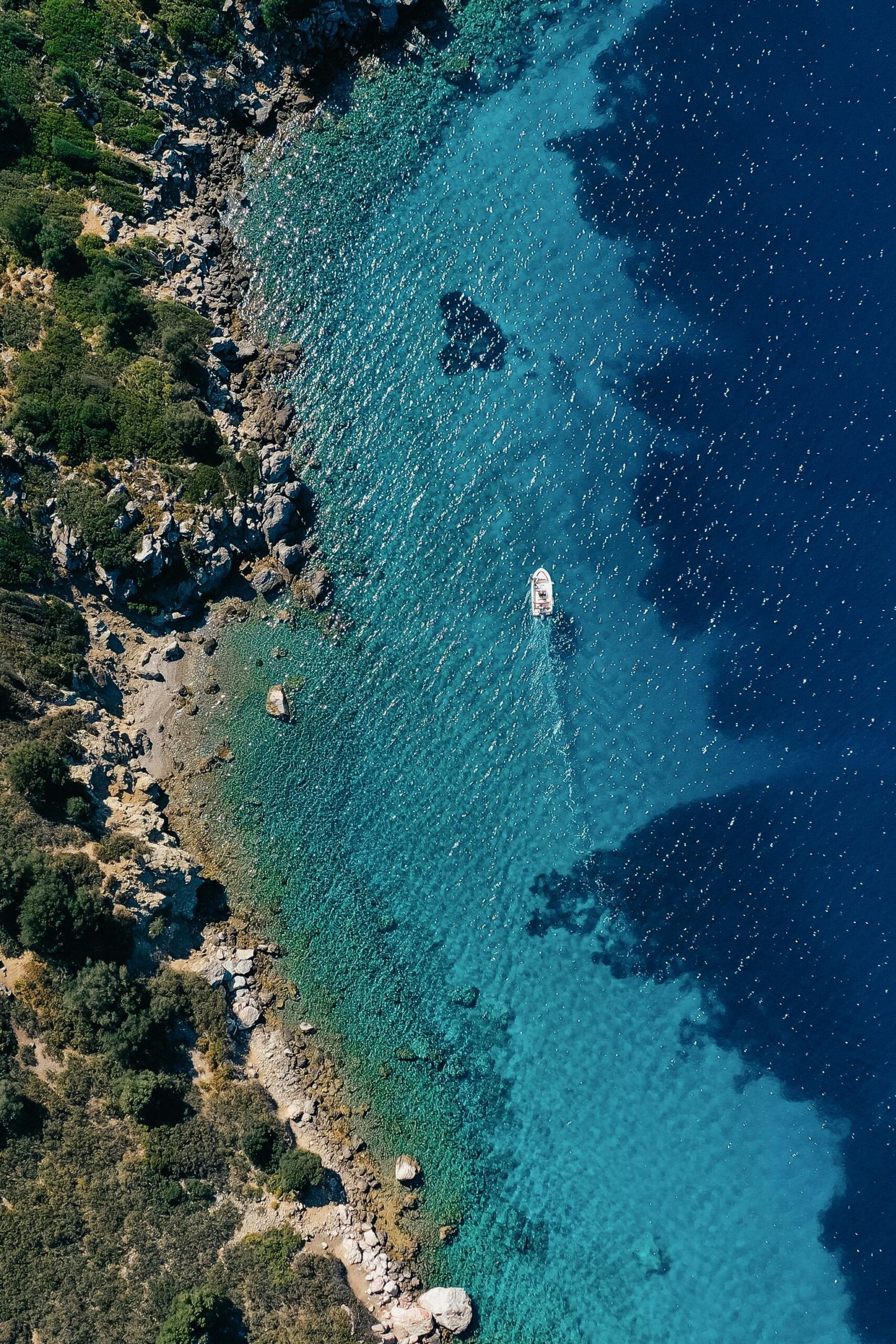
For many travelers, the sea excursion is the reason they came to Milos in the first place. That is fair, but boat days come with weather sensitivity, sea conditions, and timing realities that many people ignore until they are already committed. Kleftiko is not a casual afterthought; it is a major part of the island’s appeal, and if sea conditions are rough or the day is crowded, the experience changes noticeably.
The emotional cost here is real. Travelers who imagined a seamless, effortless day often end up frustrated when the rhythm feels dictated by conditions rather than preference. That frustration is worse than simple inconvenience because it clashes with the expectation that Milos should feel easy.
If you want broader context on how Greek destinations are managed and protected, the official resources at culture.gov.gr/en/ are useful for understanding why some places are handled with more structure than visitors expect. In Milos, that structure matters because the island’s appeal depends on preserving places that are already under intense summer pressure.
Accommodation flexibility is thinner than most travelers assume
In summer, Milos is not the kind of island where you can wait until the last minute and still expect a strong choice of rooms. The best-located places go first, and what remains often looks acceptable online but works poorly in practice. A property may be near the port in Adamas, yet still feel inconvenient if it is noisy, exposed to traffic, or not actually walkable to the places you care about.
Here is the clear position: if you value calm, convenience, and good use of time, booking late on Milos is a bad idea. That is not dramatic; it is simply how the island functions in high season. Travelers who treat it like a flexible mainland stop are usually the ones who end up overpaying for less suitable options.
Milos in Summer Is Gorgeous — and Harder Than People Expect for certain traveler types
This island is most punishing for three groups: first-time Greece visitors who want everything to feel intuitive, families who need low-friction logistics, and couples who expect a luxury feel without planning around constraints. Milos can absolutely work for all three, but not when expectations are built on social media imagery rather than operational reality.
It is also a poor match for travelers who dislike repetition. If you want a different beach every day, a flexible dinner scene, and easy spontaneous movement, Milos can start to feel narrower than expected. That does not make it a bad destination; it makes it a destination that asks for more tolerance than many summer visitors have.
- Travelers who want complete spontaneity
- Families needing easy beach access and short transfers
- Visitors combining Milos with multiple islands in one short trip
For a broader sense of how Greece presents destinations to visitors, the national tourism portal at
visitgreece.gr/ is a useful baseline. But the official overview will not tell you where summer friction shows up in real life, which is exactly where trip quality is won or lost.
The intelligent way to think about Milos in summer
The right way to approach Milos is not to chase every famous spot as if the island were a checklist. It is to accept that summer Milos runs on timing, location, and restraint. The travelers who enjoy it most are usually the ones who build in slack, choose accommodation with purpose, and stop expecting every day to feel effortless.
Milos in Summer Is Gorgeous — and Harder Than People Expect because beauty here is concentrated, not evenly distributed. If you understand that before you go, the island feels manageable. If you do not, it can feel like a place where everything takes longer than it should and every small decision has consequences.
Every Greece trip involves navigating trade-offs you didn’t fully anticipate. The question isn’t whether you’ll encounter friction — it’s whether you’ve built enough flexibility into your plans to handle it without it defining the trip.
Frequently asked questions
Is Milos hard to do in summer?
It is not hard in a dramatic sense, but it is less forgiving than many travelers expect. Summer demand exposes weak planning fast, especially around accommodation, beach access, and boat days.
What do travelers underestimate most about Milos?
They underestimate how much the island depends on timing and how quickly the best options disappear in peak season. They also underestimate how tiring repeated beach and boat logistics can become in the heat.
Is Milos a good island for last-minute planning?
Not in summer. Last-minute planning usually means fewer good accommodation choices, less flexibility, and more compromise on location or comfort.
Which parts of Milos are most affected by summer pressure?
Sarakiniko, the southern beaches, Adamas, and the boat-excursion circuit all feel the pressure of peak season. The issue is not just crowds; it is how crowds change the pace of the day.
Does Milos work well for families in August?
It can, but only with realistic expectations. Families usually struggle most with heat, beach access, and the amount of movement required to get the best out of the island.
Is Milos better than Santorini or Mykonos in summer?
It is different, not automatically easier. Milos is less polished and less predictable, which some travelers prefer, but that also means more planning and less flexibility.
How should travelers think about Milos differently?
Think of it as a high-reward island with real operational limits. If you plan around those limits instead of pretending they do not exist, the trip becomes much smoother.