

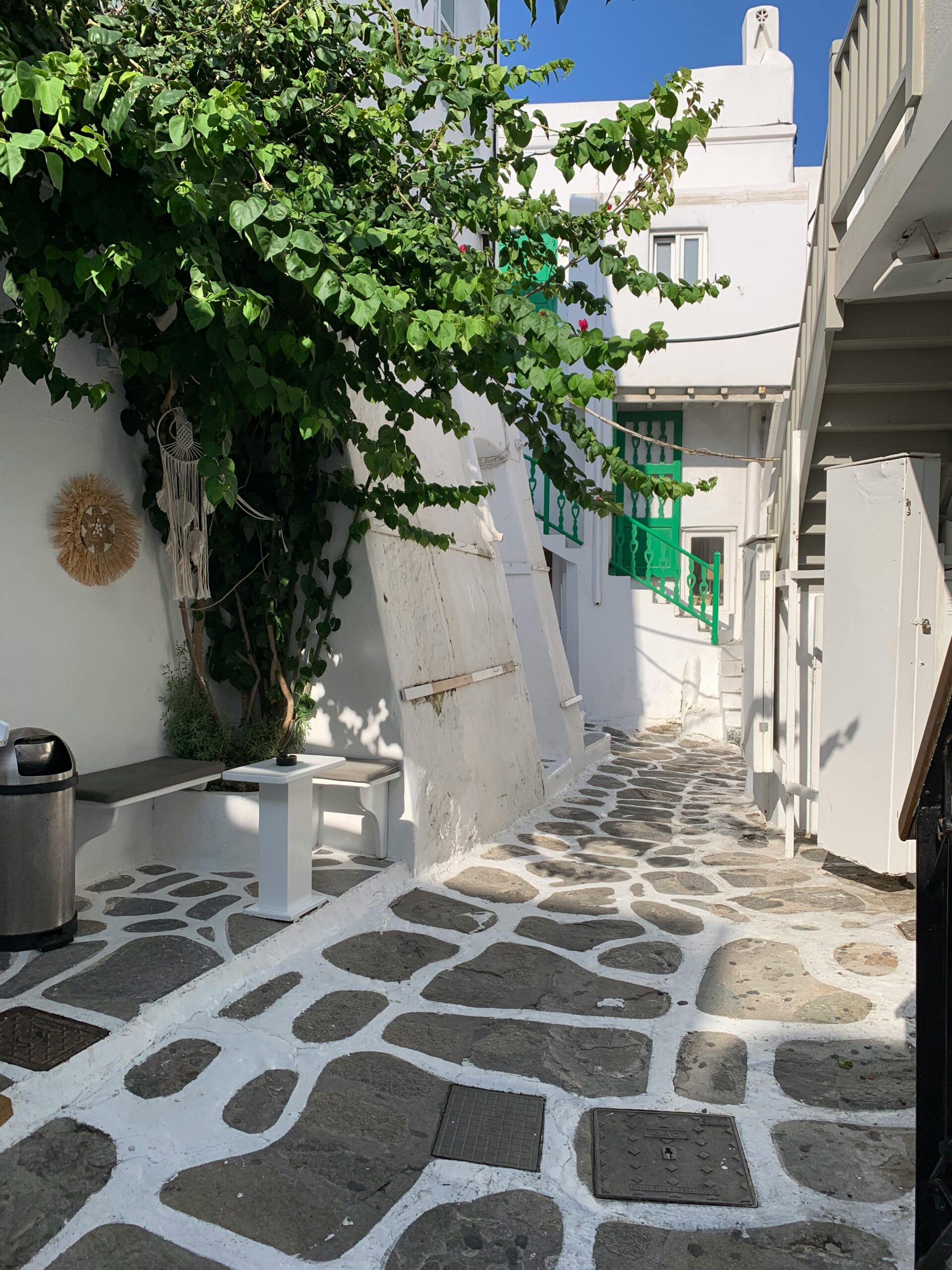
Mykonos vs Paros: The Decision Most Travelers Get Wrong is not really a debate about beaches or pretty lanes. It is a decision about pace, crowd tolerance, budget discipline, and whether you want your Greek island stay to feel polished and high-intensity or calmer and more lived-in.
Travelers mess this up because they compare photos instead of trip behavior. Mykonos suits people who want a fast, high-spend, high-energy island with a strong scene; Paros suits travelers who want a more balanced island with better value, less friction, and a trip that does not revolve around reservations and noise.


Mykonos vs Paros: The Decision Most Travelers Get Wrong
This comparison is not about which island is “better” in some abstract sense. It is about which island will fit the actual trip you are taking, because these two places create very different outcomes once the first night is over. Mykonos vs Paros: The Decision Most Travelers Get Wrong is usually a mistake of expectation, not taste.
If you want a clean answer, here it is: Mykonos wins for travelers who want nightlife, design hotels, beach clubs, and a polished scene that feels intentionally built for spending. Paros wins for couples, families, and repeat Greece visitors who want easier days, better value, and an island that still feels functional when the peak-week pressure rises.
Mykonos vs Paros: The Decision Most Travelers Get Wrong is really about pace
Mykonos runs hot. Even when you are not going out, the island has a social tempo that pushes you to book, dress up, and move with the crowd. That is exactly why some travelers love it and others feel drained after two days.
Paros is more forgiving. Naoussa has energy, yes, but the island does not demand performance from you all day long. You can have a good meal, a beach day, and a quiet evening without feeling like you are missing the “real” island experience.
The emotional difference is simple: Mykonos feels like a destination built around being seen; Paros feels like a place where you can actually settle into a rhythm. That distinction matters more than beach quality for most travelers, because a bad pace choice ruins more trips than a slightly less famous shoreline.
Where Mykonos actually wins
Mykonos is the better island for travelers who want the strongest concentration of upscale hotels, beach clubs, and late-night energy in the Cyclades. If your ideal day includes Psarou, Scorpios-style spending, a high-end dinner, and a night that does not end early, Mykonos is built for that. It is also the cleaner choice for people who want a trip that feels socially current rather than quietly scenic.
Mykonos also works better for short stays when the goal is to compress a lot of activity into very few days. The island is efficient in a commercial sense: you know what it is, you know what it costs, and you usually know whether it fits your style within hours. That clarity is valuable, especially for travelers who do not want to “discover” their way through a trip.
Read this clearly: if you are choosing Mykonos for a honeymoon because you want privacy, slow mornings, and low pressure, you are making a category error. That island can be romantic, but it is not naturally restful. Mykonos is for couples who want energy and polish, not for couples who want to disappear from the world.
Where Paros is the smarter choice
Paros is the better overall pick for most travelers. That is the position, and it is not a soft one. If you want a Greek island that gives you good beaches, solid food, attractive towns, and less financial punishment for ordinary choices, Paros is the more intelligent booking.
Naoussa has the social life most people actually want: lively, but not exhausting. Parikia is practical and often underestimated because travelers fixate on prettier photos elsewhere. The island gives you enough variety that you do not need to build every day around a single scene, which is why it works so well for couples who travel differently or families who need flexibility.
Paros also handles peak season better for travelers with average budgets and limited patience. Mykonos can become irritating fast when prices rise and service gets stretched. Paros still gets busy, but it does not usually make you feel like the island is trying to extract money from every hour of your stay.
The crowd timing mistake people keep making
Mykonos is the island most likely to punish a bad timing decision. Arrive during peak week with a midrange budget and a low tolerance for crowds, and you will spend a lot of energy managing disappointment. The island does not soften itself for that situation; it gets more expensive, more crowded, and more transactional.
Paros is less brutal in the same scenario, which is one reason it is the safer choice for travelers who are fixed on summer dates. You will still feel the season, but you are less likely to feel trapped inside it. That matters when the trip is meant to be restorative rather than performative.
A surprising truth: some travelers enjoy Mykonos more in theory than in practice. They want the name, the image, and the social proof, but once they are there, the constant spending and scene pressure wear them down. Paros rarely creates that specific regret.
Which island pairs well with what
Combination logic matters here, and this is where many itineraries go wrong. Mykonos pairs best with islands that do not compete with it for energy, such as Naxos or Santorini, depending on the kind of trip you want. Paros pairs well with Naxos, Antiparos, and other islands that support a slower, more balanced route.
Wrong sequencing creates wasted days. If you choose Mykonos after a calm island and expect it to feel like a relaxing finale, the shift can feel abrupt and expensive. If you pair Paros with another slow island and then add too many moving parts, the trip can become pleasant but repetitive.
This is where people burn time: they choose the islands first and only then think about how the route feels in sequence. That is backward. Greece rewards travelers who arrive with a plan, but only when the plan respects how different islands affect energy, not just geography.
- Mykonos works best when the trip includes at least one other island with a calmer pace afterward.
- Paros works best when the trip needs flexibility, better value, and less pressure around dining and nightlife.
- Mykonos is a poor fit for travelers trying to save money without sacrificing comfort.
- Paros is a poor fit for travelers who want a nonstop scene and are likely to be bored without it.
What each island feels like in real life
Mykonos feels curated. That is the point, and it is also the trap. If you like strong service standards, polished beach setups, and a social atmosphere that feels designed rather than accidental, you will understand the appeal immediately. If you do not, the island can feel expensive and oddly performative.
Paros feels easier to live with. You can make a good day out of a simple beach, a casual lunch, and a walk through town without needing to spend at a premium level. The island is not trying to impress you every minute, which is exactly why many experienced Greece travelers prefer it.
For travelers who care about culture as part of the trip, not as a box to tick, both islands benefit from a broader Greece itinerary that includes time in Athens. If you want to anchor the trip with serious context, the Acropolis Museum is the kind of stop that gives the rest of the journey more meaning instead of just more photos.
My final call: choose Paros unless you specifically want Mykonos
My position is straightforward. Paros is the better default choice for most travelers, especially couples, families, and anyone who values comfort without excess. Mykonos is the right call only when nightlife, beach clubs, luxury signaling, and a more charged atmosphere are central to the trip.
That is why Mykonos vs Paros: The Decision Most Travelers Get Wrong keeps happening. People choose Mykonos because they recognize the name, then discover they wanted Paros all along. Others choose Paros because it sounds safer, then realize they actually wanted a social island and should have paid for Mykonos from the start.
For official destination context and current travel information, use
Visit Greece as a baseline, then make your decision based on how you actually travel. Not how you imagine you travel on Instagram.
The island you choose sets the sequence for everything that follows — what ferry connections work, what pace is realistic, what the trip actually feels like on day four. Getting that first choice right isn’t about preferences. It’s about how the logistics and the atmosphere compound across the whole itinerary.
Before you book, ask yourself four blunt questions: Do I want a scene or a calmer base? Am I comfortable paying Mykonos prices for the atmosphere I get? Am I traveling for nightlife or for balance? And does the order of the islands make sense, or am I forcing a route that will waste time and energy?
Recommended experiences
Some experiences mentioned here are curated and managed by Elite Greece Travels.
- Mykonos Town Walking Tour — Tour (managed by Elite Greece Travels).
- Classical Greece Mykonos Santorini 10 Day Itinerary — Itinerary (managed by Elite Greece Travels).
- Athens Mykonos 5 Day Itinerary — Itinerary (managed by Elite Greece Travels).
Frequently asked questions
Is Mykonos or Paros better for a honeymoon?
Paros is better for most honeymoons because it gives couples more breathing room, better value, and less social pressure. Mykonos only makes sense for a honeymoon if the couple actively wants nightlife, beach clubs, and a more public, high-energy atmosphere.
Which island is more expensive: Mykonos or Paros?
Mykonos is consistently more expensive, especially in peak season and in the categories that matter most: hotels, beach clubs, and dining. Paros is not cheap in summer, but it is far less punishing for a midrange budget.
Which island is better for families?
Paros is the stronger family choice. It is easier to manage, less intense, and less likely to turn every day into a budget or crowd-management exercise.
Which island has better beaches?
Mykonos has the more famous beach-club scene, but Paros often gives travelers a better overall beach experience because it is less dominated by spending pressure and noise. For most travelers, that matters more than reputation.
Can I combine Mykonos and Paros in one trip?
Yes, but the order matters. Mykonos should usually come first if you want the trip to build toward a calmer finish, while Paros works well as the easier, more flexible base in a multi-island route. Wrong sequencing can waste days and create unnecessary friction.
Which island is better for first-time visitors to Greece?
Paros is the better first-time choice for travelers who want a balanced island experience without the intensity of Mykonos. Mykonos is better only if the traveler already knows they want a more scene-driven trip.