

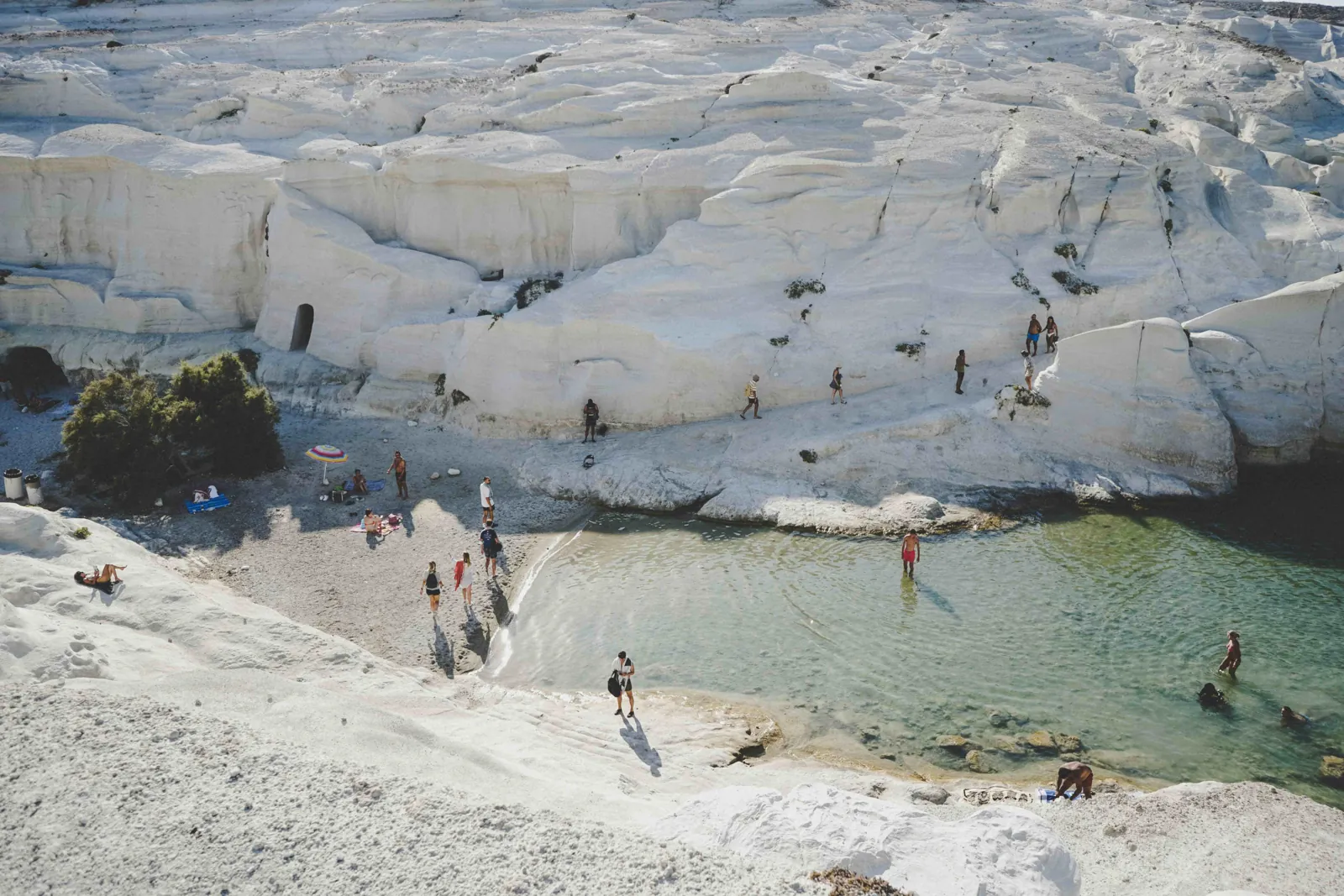
Naxos presents a complex choice between favorable weather and manageable visitor numbers throughout the year. Understanding how seasons affect both elements can sharpen your planning and align the experience with your priorities.
From the high-energy summer months to the quieter shoulder seasons, each period offers distinct conditions influencing accessibility, accommodation options, and local rhythm.
If you want broader context before the details, the Practical Greece Travel Tips is there.

Seasonal Patterns of Visitor Flow and Weather on Naxos
The island sees a sharp influx of visitors from June through August, coinciding with the warmest and driest weather. Temperatures often exceed 30°C, especially inland near Apeiranthos and Halki, creating ideal beach conditions at Agios Prokopios and Plaka but also crowding these areas. Spring and early autumn offer milder weather, typically ranging between 18°C and 25°C, with fewer tourists and more available accommodations in Naxos Town and the quieter village of Filoti.
Winter months carry a risk of rain and strong Meltemi winds, discouraging most travelers, though this season might appeal to those seeking solitude or off-season rates.
Human Anchor: Reality Check on Timing
The hard truth is that popular beaches like Mikri Vigla fill quickly in summer mornings, and the midday heat can be oppressive, especially for extended outdoor activities. Many underestimate the intensity of the Meltemi wind in late June and July, which can disrupt ferry schedules and reduce sea calmness. For a more balanced experience, plan arrivals and main outings early morning or late afternoon to avoid peak heat and crowds. This timing rule helps mitigate discomfort and queues, a practical adjustment often overlooked by first-time visitors.
Trip Length Rule: How Long to Stay
A minimum of four full days is advisable to cover Naxos’s key attractions without rushing—this includes time to explore Naxos Town’s Venetian Castle district, the Temple of Demeter near Sangri, and at least two beaches with differing atmospheres, such as Agios Georgios for its proximity to town and the more expansive Plaka. Shorter trips risk missing inland villages or underestimating transit times, considering local bus routes can take 30–50 minutes between main points.
Neighborhood Guidance: Where to Base Yourself
Naxos Town (Chora) remains the safest and most convenient base, particularly its harbor front and the Kastro area, both walkable and equipped with reliable services. First-timers benefit from proximity to ferry connections and a range of dining options without needing a vehicle immediately. For those favoring quieter surroundings, the outskirts near Stelida offer a more residential feel but require transport arrangements.
Cost Positioning and What Drives Prices
Accommodation and dining costs on Naxos typically fall into a moderate range ($$). Peak summer season drives prices up due to demand, especially in centrally located hotels and beachfront tavernas at Agios Prokopios. Off-season rates drop noticeably, but some services close during winter. Transportation costs are relatively stable, with ferries from Piraeus or Paros costing between €20 and €40 and lasting 3 to 5 hours depending on vessel type.
Comparing Emotional Atmospheres Across Seasons
Summer’s pace is brisk, with a social energy fueled by international visitors and lively nightlife in Naxos Town. This contrasts with the subdued rhythm of spring or autumn when locals dominate social spaces and the island slows, lending itself to reflective walks through mountain villages like Koronos. Winter’s quiet can feel isolating but authentic, without the usual tourist amenities.
What Travelers Underestimate on Naxos
- The extent of walking required even within Naxos Town’s old quarter, where uneven cobblestones and heat can slow pace.
- How early summer Meltemi winds impact water-based activities and ferry reliability.
- The limited public transport frequency outside summer, necessitating careful scheduling or rental vehicles.
Timing Rule for Daily Planning
Plan major outings to beaches or archaeological sites like the Portara monument either before 10 AM or after 4 PM. Midday sun peaks with reduced shade options and heavier crowds, particularly at Agios Prokopios and the castle area in Chora. Early mornings provide cooler temperatures and calmer seas, crucial if incorporating swimming or boat tours.
Two Clear Decision Rules for Choosing When to Visit Naxos
Choose summer if your priority is guaranteed beach weather and an active social scene, accepting higher prices and crowded conditions as the trade-off. Opt for late spring or early autumn to avoid crowds and balance weather suitability for inland hiking and sightseeing, acknowledging that swimming conditions can be less predictable and some services may operate on reduced hours.
Best for
Couples seeking a mix of beach and cultural exploration benefit from shoulder seasons; families with children might prefer the stable summer climate despite crowds; first-timers find Naxos Town’s walkability and amenities comfortable year-round; beach lovers should prioritize summer months for water temperature and beach service availability.
For additional cultural context on Greek heritage sites and seasonal events, resources like the
Hellenic Ministry of Culture and official tourism portal provide updated insights that can influence timing decisions.
Frequently asked questions
What is the best time of day to explore Naxos Town?
Early morning or late afternoon are optimal to avoid midday heat and crowds, especially in the old town areas around the Venetian Castle.
How long does it take to get to Naxos from Athens?
Ferry duration ranges from 3 to 5 hours depending on the vessel. There are no direct flights, so ferries remain the main connection.
Are there public transportation options on Naxos outside summer?
Bus services operate year-round but with reduced frequency outside the peak season, making rental cars or taxis more practical for off-peak travelers.
Is Naxos suitable for family travel in the high season?
Yes, but families should plan activities early in the day to avoid heat and crowds, and choose accommodations near central areas for convenience.
What drives accommodation costs on Naxos?
Demand during summer months and proximity to beaches or town center are the main factors influencing price, with off-season offering more affordable options.
Can I visit archaeological sites comfortably during peak season?
Sites like the Temple of Demeter can become crowded midday; visiting early or late in the day ensures better comfort and shorter queues.
How does the Meltemi wind affect travel plans?
Strong Meltemi winds, common in early summer, can disrupt ferry schedules and make sea conditions rough, so flexibility in itinerary and timing is recommended.